

 Предпросмотр
 Поделиться
 Поделиться
 Детали произведения

 Скачать
 Похожие работы
 Рентгенография
 Слайд-шоу
 Статистика
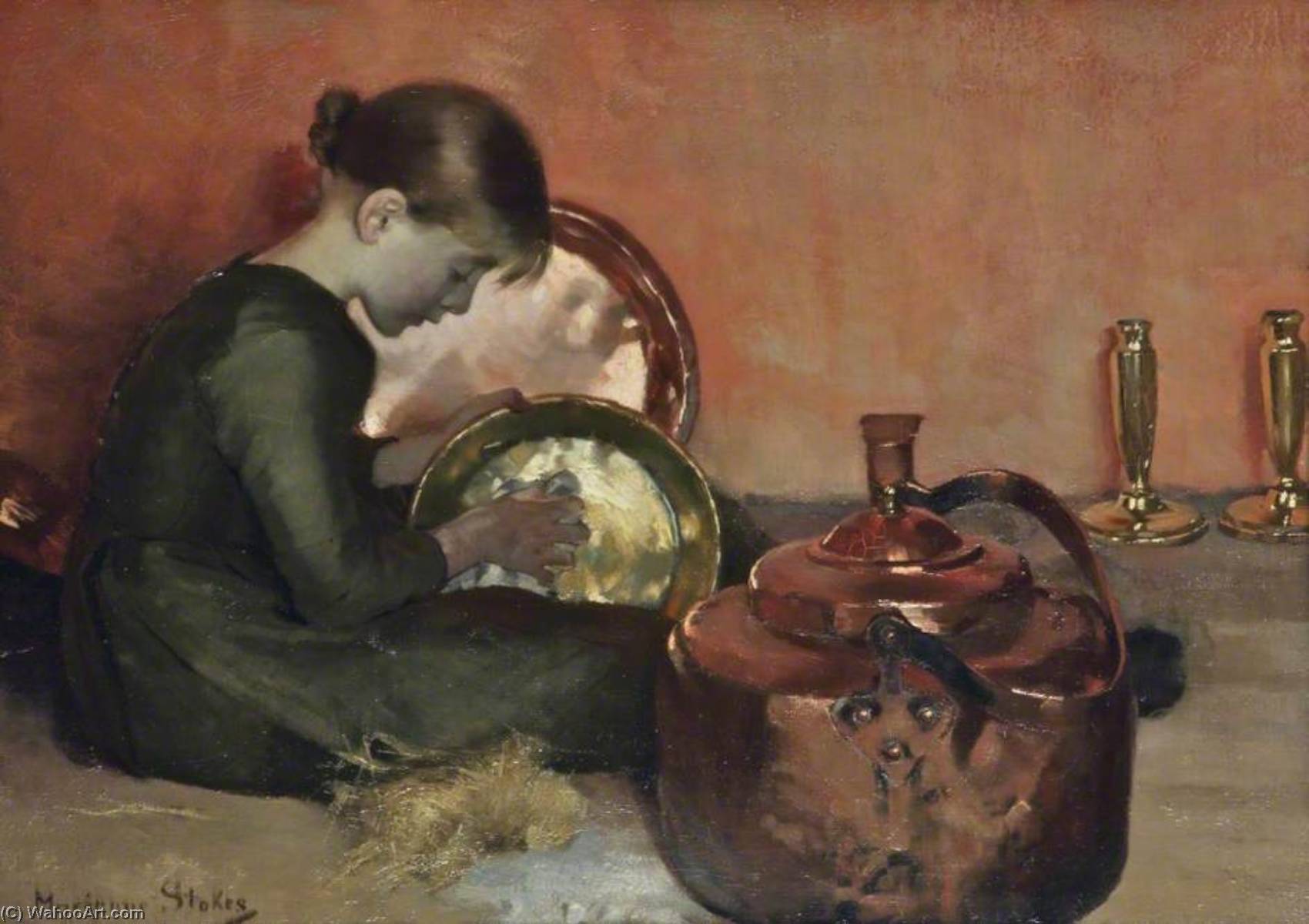
Polishing Pans
 Oil On Canvas
- WallArt
- Victorian Romanticism
 1887
1887- 19th Century
 59.0 x 79.0 cm
 Walker Art Gallery
 Читать далее
Приобретите цифровое изображение высокого разрешения в улучшенном качестве, которое значительно превосходит онлайн-превью.
Каждый файл тщательно подготавливается нашими специалистами с использованием передовых инструментов и экспертной ручной ретуши. Мы гарантируем исключительную четкость, точную цветопередачу и детальную проработку каждого изображения.
Финальный файл доставляется по электронной почте в течение 72 часов и оптимизирован для немедленного использования в профессиональной среде, при верстке и печати. Это тот же уровень качества, которому доверяют ведущие дизайнерские студии, издательства и галереи.
Цифровое изображение
Скачайте файл высокого разрешения для личного использования, печати и творческих проектов. ( Перейти к печати Купить картину ручной работы)
Включено в каждый заказ цифровых изображений
Гарантия экспертной цифровой доставки
Выбирая ArtsDot.com, вы получаете не просто изображение — вы приобретаете профессионально обработанное цифровое произведение искусства, созданное с безупречной точностью и под защитой гарантии качества. Вот всё, что автоматически входит в ваш заказ:

Мгновенная доставка по e-mail
Ваш цифровой файл в высоком разрешении будет отправлен вам по электронной почте в течение 72 часов после оформления заказа — и сразу станет доступен для использования.

Цифровой файл с ИИ-улучшением
Ваше произведение искусства проходит профессиональную оптимизацию с использованием передовых инструментов ИИ и ручной обработки, что гарантирует максимальную детализацию, четкость и точность цветопередачи.

Бессрочная бесплатная повторная доставка
Случайно удалили или потеряли файл? Не беспокойтесь — мы отправим его вам повторно в любое время и совершенно бесплатно.

Без импортных пошлин — навсегда
Наслаждайтесь вашим произведением искусства мгновенно без таможенных пошлин, сборов или затрат на доставку — цифровые загрузки всегда не облагаются налогом.

Гарантия точности цветопередачи
Мы гарантируем, что ваше цифровое изображение максимально точно передает оригинальные цвета благодаря использованию профессиональных инструментов и систем управления цветом.

Гарантия удовлетворенности 100 дней
Если вы не будете удовлетворены своим цифровым изображением, мы внесем правки или вернем 100% стоимости в течение 100 дней — без лишних вопросов.

100% Гарантия возврата средств
Не удовлетворены покупкой? Получите полный возврат средств в течение 100 дней после получения цифрового файла — без лишних вопросов.

Скидки на оптовые заказы
Купите 3 изображения, сэкономьте 10% — Купите 5, сэкономьте 15% — Купите 10+, сэкономьте 20%. Отличное решение для творческих проектов, галерей и агентств.
Polishing Pans: A Glimpse into Victorian Domesticity
Marianne Stokes’s “Polishing Pans,” painted in 1887, is more than just a depiction of a woman engaged in a household chore; it's a poignant meditation on the quiet dignity and subtle beauty found within everyday life. Housed at the Walker Art Gallery in Liverpool, this oil-on-canvas piece offers a rare window into the Victorian era’s fascination with domesticity and its evolving portrayal of women.
The scene unfolds within a modestly furnished room – a kitchen or dining area, as many art historians suggest. A woman, rendered with remarkable detail by Stokes, is seated on the floor before a table laden with an assortment of objects: bottles, cups, a bowl, and what appears to be a bucket, likely containing cleaning solution. Her posture suggests focused concentration, her hands deftly manipulating the implements at hand. The composition isn’t grand or dramatic; rather, it's deliberately intimate, drawing the viewer into this private moment of labor.
A Masterclass in Victorian Detail and Light
Stokes’s artistic style is characterized by an almost obsessive attention to detail—a hallmark of her work throughout her career. She meticulously captures the textures of the fabrics, the sheen of the copperware, and the subtle variations in light and shadow. The use of warm colors – ochres, browns, and muted reds – creates a sense of warmth and tranquility, contrasting with the cool blues and greens used for the background. Notably, Stokes employs soft lighting, casting gentle highlights on the woman’s arm and the polished surfaces, adding to the painting's intimate atmosphere.
Technically, “Polishing Pans” demonstrates a sophisticated understanding of oil paint. Stokes skillfully builds up layers of color to achieve depth and luminosity, utilizing glazing techniques to create subtle transitions between tones. The brushwork is generally smooth and controlled, yet with moments of expressive strokes that convey the woman’s focused energy. The choice of canvas allows for rich pigment saturation and a remarkable level of detail – a testament to Stokes's mastery.
Symbolism and Victorian Ideals
“Polishing Pans” is not simply a snapshot of domestic life; it carries significant symbolic weight within the context of Victorian society. The act of polishing, traditionally associated with women’s roles, becomes imbued with a quiet dignity. The woman's diligence and focus suggest an embodiment of Victorian ideals – industry, piety, and self-sufficiency. While seemingly mundane, her task represents a vital contribution to the household and family—a subtle assertion of female agency within a patriarchal society.
Furthermore, the inclusion of everyday objects—bottles, cups, and cleaning supplies—elevates the ordinary to the level of art. Stokes’s ability to find beauty in the commonplace reflects a broader trend in Victorian art, which often sought to capture the essence of rural life and the virtues of simplicity. The copperware, particularly, connects the scene to the industrial heartland of Cornwall, adding another layer of local significance.
A Legacy of Observation and Quiet Beauty
Marianne Stokes’s “Polishing Pans” stands as a remarkable example of Victorian art—a testament to her skill, observation, and ability to imbue ordinary subjects with profound meaning. It invites us to pause and consider the beauty that can be found in the most unassuming moments of daily life. The painting's enduring appeal lies not only in its technical brilliance but also in its poignant portrayal of a woman engaged in a timeless act of labor and self-expression.
Reproductions of “Polishing Pans” offer an accessible way to experience this captivating artwork, bringing its quiet beauty into any home or space. Consider commissioning a high-quality hand-painted reproduction to add a touch of Victorian elegance and thoughtful artistry to your interior design.
Похожие произведения

Биография художника
A Tapestry of Tradition and Romance: The Life of Marianne Stokes
The history of Victorian art is often told through the lens of great men, yet the legacy of Marianne Stokes offers a profound testament to the power of a woman’s vision in an era of rigid societal boundaries. Born Marianne Preindlsberger in Graz, Austria, in 1855, her journey was one of remarkable geographical and stylistic breadth. From the academic rigor of Munich to the sun-drenched coasts of Cornwall, Stokes wove together a life that mirrored the very textures of her paintings—a blend of disciplined technique and ethereal, romantic longing. Her early years were defined by an intense pursuit of mastery, beginning with her studies under Lindenschmidt in Munich. It was here that she first demonstrated her burgeoning talent, earning a prestigious scholarship for her debut work, Muttergluck, a piece that signaled the arrival of a formidable new voice in the European art scene.
As her ambitions grew, so did her horizons. Her travels through France brought her into contact with the masters of the era, most notably Pascal Adolphe Jean Dagnan-Bouveret and Colin Courtois. These encounters were transformative, infusing her work with a sophisticated understanding of light and form. However, it was the influence of Jules Bastien-Lepage that would leave the deepest imprint upon her soul. Through his lens of rustic naturalism, Stokes learned to find the profound within the mundane, capturing the quiet dignity of rural life and the delicate nuances of the natural world. This period of her life marked the transition from a student of technique to a poet of the landscape, as she began to master the ability to render the essence of the countryside with both meticulous detail and emotional depth.
The Newlyn School and the Spirit of Place
A pivotal chapter in Stokes’s biography unfolded when she moved to England and entered into a profound artistic and personal partnership with her husband, Adrian Scott Stokes. Settling within the vibrant community of the Newlyn School in Cornwall, she became part of a movement that sought to capture the authentic light and character of the British coast. Her work during this time became a bridge between worlds; while her surroundings provided the serene Cornish vistas that would become iconic, her heart remained tethered to her Eastern European roots. She possessed a unique ability to infuse her paintings with the folklore and spirit of Slovakia, creating a visual language that felt both intimately local and universally mythic.
Her technical evolution during these years was nothing short of extraordinary. While many of her contemporaries adhered strictly to oil painting, Stokes experimented with more ancient, evocative mediums. She became celebrated for her use of tempera and gesso, techniques that allowed her to achieve a luminous, almost otherworldly quality in her landscapes. These works often transcended mere representation, leaning into the realms of medieval romanticism and symbolic storytelling. In her hands, a simple landscape could become a stage for historical memory or a dreamscape of folk legend, characterized by:
- The delicate application of tempera, which lent a matte, precious quality to her surfaces.
- A mastery of light that captured the fleeting moments of dusk and dawn in both English and Slovak settings.
- A profound sense of nostalgia, often blending the rustic reality of peasant life with the idealized beauty of a lost medieval era.
Legacy of a Visionary
The significance of Marianne Stokes lies in her refusal to be confined by a single movement or identity. She was simultaneously a naturalist and a romantic, an Austrian-born artist thriving in the English tradition, and a painter who could navigate the gritty reality of rural labor and the ethereal beauty of mythic landscapes. Her marriage to Adrian Scott Stokes did not merely provide companionship but established a collaborative sanctuary where art and life were indistinguishable. Together, they contributed to a cultural dialogue that celebrated the intersection of craftsmanship and emotion.
Today, when we look upon the works of Stokes, we see more than just beautiful depictions of the past; we see the triumph of an individual spirit. Her ability to capture the soul of a culture through the medium of paint ensures her place in the pantheon of Victorian masters. She remains a pioneer who proved that the most enduring art is that which finds the universal within the particular, turning the quiet corners of the world into eternal monuments of beauty and grace.
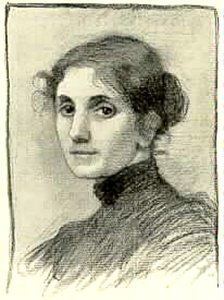
Marianne Stokes
1855 - 1927 , Austria
Основные сведения
- Artistic Movement Or Style: Rustic naturalism
- Artists Or Movements Influenced By This Artist: ['Newlyn School']
- Artists Who Influenced This Artist:
- Jules Bastien-Lepage
- Helene Schjerfbeck
- Date Of Birth: 1855
- Date Of Death: 1927
- Full Name: Marianne Stokes
- Nationality: Austrian
- Notable Artworks:
- A Parting
- Polishing Pans
- Madonna And Child
- Place Of Birth: Graz, Austria