

 Предпросмотр
 Поделиться
 Поделиться
 Детали произведения

 Скачать
 Похожие работы
 Рентгенография
 Слайд-шоу
 Статистика
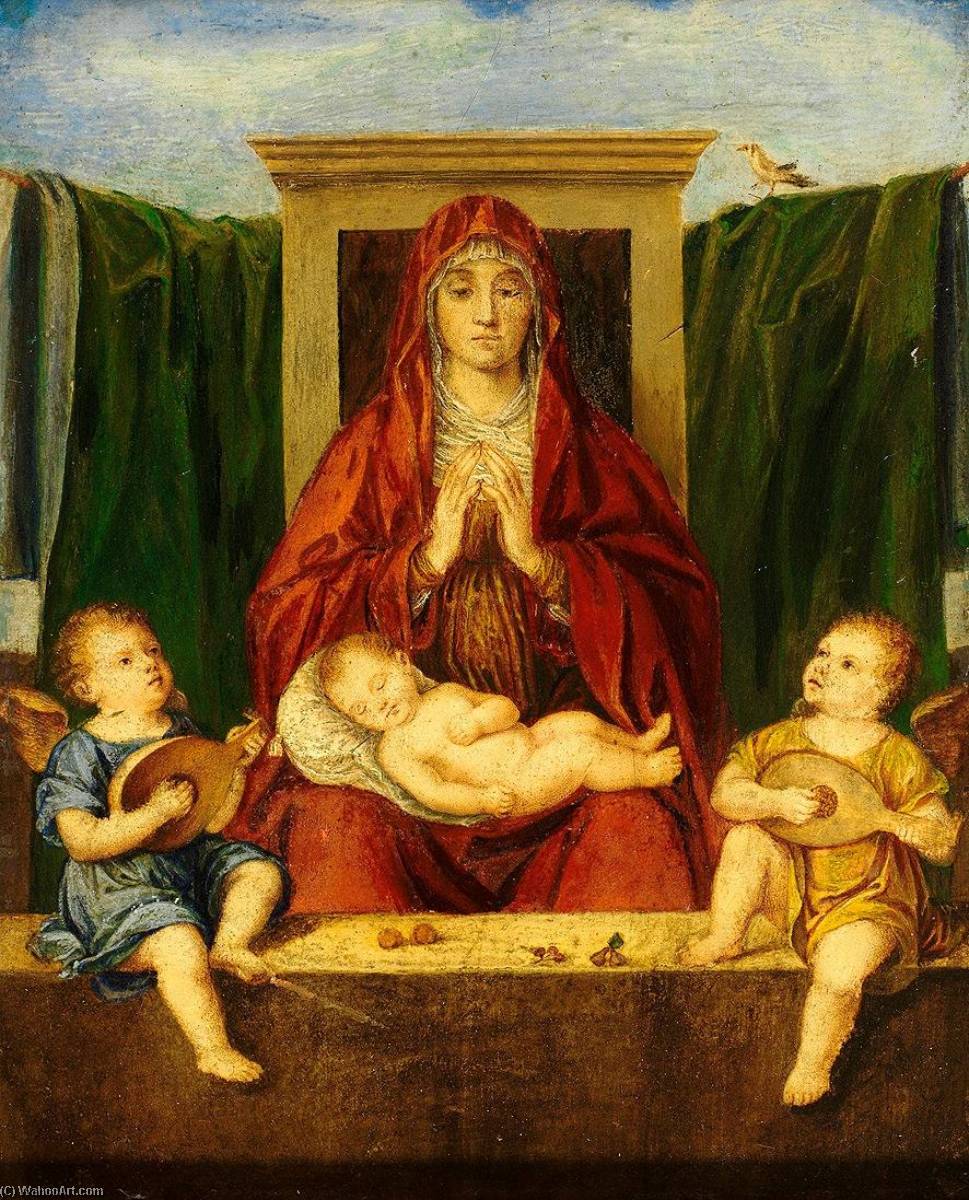
Madonna and Child with two angels playing

 Читать далее
Приобретите цифровое изображение высокого разрешения в улучшенном качестве, которое значительно превосходит онлайн-превью.
Каждый файл тщательно подготавливается нашими специалистами с использованием передовых инструментов и экспертной ручной ретуши. Мы гарантируем исключительную четкость, точную цветопередачу и детальную проработку каждого изображения.
Финальный файл доставляется по электронной почте в течение 72 часов и оптимизирован для немедленного использования в профессиональной среде, при верстке и печати. Это тот же уровень качества, которому доверяют ведущие дизайнерские студии, издательства и галереи.
Цифровое изображение
Скачайте файл высокого разрешения для личного использования, печати и творческих проектов. ( Перейти к печати Купить картину ручной работы)
Включено в каждый заказ цифровых изображений
Гарантия экспертной цифровой доставки
Выбирая ArtsDot.com, вы получаете не просто изображение — вы приобретаете профессионально обработанное цифровое произведение искусства, созданное с безупречной точностью и под защитой гарантии качества. Вот всё, что автоматически входит в ваш заказ:

Мгновенная доставка по e-mail
Ваш цифровой файл в высоком разрешении будет отправлен вам по электронной почте в течение 72 часов после оформления заказа — и сразу станет доступен для использования.

Цифровой файл с ИИ-улучшением
Ваше произведение искусства проходит профессиональную оптимизацию с использованием передовых инструментов ИИ и ручной обработки, что гарантирует максимальную детализацию, четкость и точность цветопередачи.

Бессрочная бесплатная повторная доставка
Случайно удалили или потеряли файл? Не беспокойтесь — мы отправим его вам повторно в любое время и совершенно бесплатно.

Без импортных пошлин — навсегда
Наслаждайтесь вашим произведением искусства мгновенно без таможенных пошлин, сборов или затрат на доставку — цифровые загрузки всегда не облагаются налогом.

Гарантия точности цветопередачи
Мы гарантируем, что ваше цифровое изображение максимально точно передает оригинальные цвета благодаря использованию профессиональных инструментов и систем управления цветом.

Гарантия удовлетворенности 100 дней
Если вы не будете удовлетворены своим цифровым изображением, мы внесем правки или вернем 100% стоимости в течение 100 дней — без лишних вопросов.

100% Гарантия возврата средств
Не удовлетворены покупкой? Получите полный возврат средств в течение 100 дней после получения цифрового файла — без лишних вопросов.

Скидки на оптовые заказы
Купите 3 изображения, сэкономьте 10% — Купите 5, сэкономьте 15% — Купите 10+, сэкономьте 20%. Отличное решение для творческих проектов, галерей и агентств.
Похожие произведения
Биография художника
Marie Ellenrieder: A Pioneer of German Religious Art
Marie Ellenrieder, a name perhaps less familiar than many of her contemporaries, stands as a pivotal figure in 19th-century German art – a woman who not only navigated the restrictive landscape for female artists but also carved out a distinctive and deeply moving style. Born in Constance, Germany, on March 20, 1791, into a family with artistic roots tracing back to the Baroque painter Franz Ludwig Herrmann, Ellenrieder’s journey was one of both privilege and persistent struggle. She wasn't simply inheriting talent; she was challenging conventions, becoming the first woman admitted to the prestigious Academy of Fine Arts in Munich – an unprecedented achievement that paved the way for countless others.
Her early training under Joseph Einsle, a renowned miniature painter, instilled a foundational skill set, but it was her subsequent sojourn in Rome between 1822 and 1824 that truly shaped her artistic vision. This period coincided with her immersion in the Nazarene movement – a group of artists dedicated to reviving the spiritual intensity and idealized beauty of Renaissance art, particularly the work of Raphael. Figures like Johann Friedrich Overbeck profoundly influenced Ellenrieder’s approach, leading her to embrace a style characterized by luminous colors, serene compositions, and an emphasis on moral virtue. The Nazarenes sought not merely to replicate religious scenes but to imbue them with profound spiritual meaning, and this ethos became deeply ingrained in Ellenrieder's work.
The Court Painter and Patronage
Returning to Germany, Ellenrieder’s career gained significant momentum through the patronage of influential figures. Notably, she secured a position as court painter to Grand Duchess Sophie of Baden in 1829, an appointment that afforded her considerable status and commissions. This connection wasn't merely about financial security; it also provided access to a network of artistic and intellectual circles. Her patron, Baron von Wessenberg, further bolstered her career with encouragement and support. The role of patronage was complex for women artists at the time – often intertwined with expectations of modesty, obedience, and even virginity. Ellenrieder’s position, while providing stability, also reflected these societal constraints.
Her artistic output during this period is remarkable in its diversity. She produced a series of emotionally resonant portraits, capturing the dignity and vulnerability of her subjects with subtle yet powerful brushstrokes. However, it was her religious paintings that truly cemented her reputation. Works like “The Martyrdom of St. Stephen” for the Church of St. Stephen in Karlsruhe demonstrate her mastery of the Nazarene style – employing a rich palette, carefully rendered drapery, and an almost ethereal quality to convey the drama and spiritual significance of the scene. These paintings weren’t simply decorative; they were intended to inspire devotion and contemplation.
Key Works and Artistic Style
Ellenrieder's artistic style is characterized by a harmonious blend of Neoclassical restraint and the luminous spirituality of the Nazarenes. Her portraits, particularly those from her early career, exhibit a naturalism that was somewhat uncommon in German portraiture at the time – a relaxed approach to capturing the likenesses of her subjects while still conveying their inner character. Her religious paintings are equally compelling, demonstrating a deep understanding of composition and color theory. The use of light is particularly noteworthy, creating an atmosphere of serenity and reverence.
Two specific works stand out as testaments to her skill and artistic vision: “The Twelve-Year-Old Jesus in the Temple” (1849) and “Holy Felicitas and Her Seven Sons” (1847). These paintings, acquired by Queen Victoria – a testament to their quality and appeal – showcase her ability to depict biblical narratives with both emotional depth and technical precision. The figures are rendered with a gentle humanity, conveying a sense of innocence and faith. The meticulous detail in the rendering of fabrics and architectural elements further enhances the realism and visual impact of these works.
Legacy and Historical Significance
Despite her undeniable talent and significant contributions to German art, Marie Ellenrieder’s legacy has often been overshadowed by that of her male contemporaries. For decades, she remained largely unknown outside of Constance and Karlsruhe – a poignant reflection of the systemic barriers faced by women artists in 19th-century Europe. However, recent scholarship is beginning to rectify this historical oversight, recognizing Ellenrieder as a pioneering figure who challenged conventions, developed a distinctive artistic voice, and left behind a body of work that continues to resonate with viewers today.
Her story serves as a powerful reminder of the importance of acknowledging the contributions of women artists throughout history. Marie Ellenrieder’s journey – from her admission to the Munich Academy to her appointment as court painter and her enduring artistic legacy – is a testament to her resilience, talent, and unwavering commitment to her craft. She remains an essential figure in understanding the evolution of German art and a symbol of female creativity in a period often dominated by male voices.
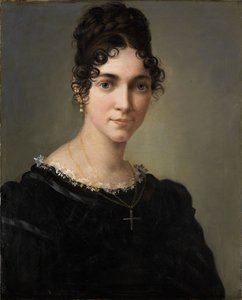
Marie Ellenrieder
1791 - 1863