

 Предпросмотр
 Поделиться
 Поделиться
 Детали произведения

 Скачать
 Похожие работы
 Рентгенография
 Слайд-шоу
 Статистика
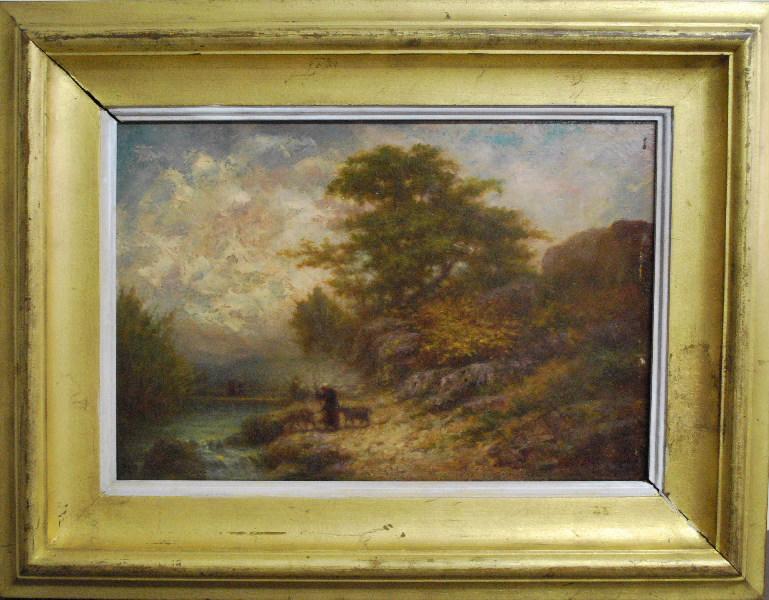
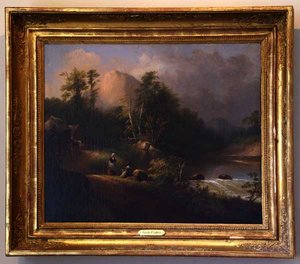
Bords de ruisseau

 Читать далее
Масляная репродукция ручной работы
Картина маслом на холсте в выбранном вами размере и раме, написанная на заказ нашими художниками. ( Перейти к печати Перейти к цифровым изображениям)




































Выберите один из наших стандартных размеров, соответствующих оригинальным пропорциям произведения искусства.

Вы можете указать собственные размеры, чтобы картина идеально вписалась в выбранную раму или пространство. Если выбранный вами размер не соответствует пропорциям оригинала, мы либо обрежем полотно, либо расширим его за счет дополнительных элементов, написанных вручную. Цифровой макет будет отправлен вам на утверждение перед началом производства.
Обратите внимание, что предварительный просмотр на экране не отражает фактическую обрезку или расширение. Только макет точно покажет окончательную композицию.
Хотя доступны индивидуальные размеры, мы рекомендуем выбирать вариант из предопределенного списка, чтобы сохранить исходные пропорции.
После оформления заказа команда ArtsDot.com свяжется с клиентом по электронной почте для уточнения деталей и предоставит предварительный макет
Доставка по всему миру () за 3–4 недели вместо стандартных 5 недель. (12 Сентябрь). Без компромиссов в качестве.

Бесплатная экспресс-доставка по всему миру

Высококачественный льняной холст

Полное страхование доставки

Гарантия возмещения таможенных пошлин

Гарантия точного соответствия цветов

100-дневная политика возврата (только при обнаружении дефектов)

Гарантия возврата 100% средств

Предложение оптовых скидок
 Вариант со стеклом доступен только для размеров менее 110 см

Bords de ruisseau
Техника репродукции
Размер репродукции
-


Итоговая стоимость
$ 263
Похожие произведения
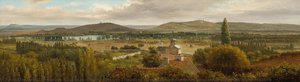
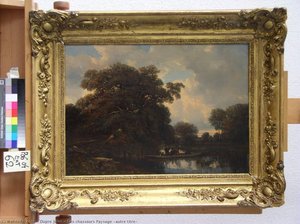
Биография художника
Charles Philibert Mariller: A Master of Rural French Landscapes
Born in the heart of France during a period of profound artistic transition, Charles Philibert Mariller (1829-1911) emerged as one of the most compelling figures in 19th-century landscape painting. His work, deeply rooted in the traditions of Romanticism yet infused with a subtle Impressionistic sensibility, captures the essence of rural life in France – its quiet beauty, its enduring connection to the land, and the changing rhythms of the seasons. Mariller’s legacy lies not just in his technical skill but also in his ability to evoke a profound sense of place and time within each meticulously rendered scene.
Mariller's early life provided him with an intimate understanding of the French countryside. He was raised on a small farm near Paris, surrounded by rolling hills, verdant fields, and the ever-present influence of nature. This formative experience instilled in him a deep appreciation for the natural world and a desire to translate its beauty onto canvas. Initially apprenticed to a local painter, Mariller quickly demonstrated an exceptional talent for capturing light and atmosphere. However, he soon began to develop his own distinctive style, characterized by a meticulous attention to detail, a nuanced use of color, and a remarkable ability to convey the subtle nuances of rural life.
Influenced by the Romantic painters of the early 19th century – artists like Jean-Baptiste Millet and Antoine-Jean Gros – Mariller initially embraced the grand scale and dramatic intensity of their compositions. His early works often depicted scenes of peasant labor, heroic landscapes, and historical events. However, as he matured as an artist, he gradually shifted his focus towards quieter, more intimate subjects. He became increasingly interested in capturing the everyday lives of rural communities – farmers tending their fields, shepherds guiding their flocks, and families gathering for meals. This shift reflected a broader trend within French art at the time, as artists began to move away from grand historical narratives and towards a celebration of the ordinary.
Mariller’s technique was characterized by an extraordinary level of detail. He meticulously observed every element of his subjects – the texture of the soil, the foliage of the trees, the folds of the clothing worn by his figures. His brushstrokes were often small and precise, creating a sense of depth and realism that is rarely matched in contemporary landscape painting. However, he never sacrificed spontaneity or expressiveness for the sake of accuracy. Instead, he skillfully combined meticulous observation with a loose, painterly touch, resulting in works that are both technically impressive and emotionally resonant.
The Palette of Provence: Color and Light
Mariller’s color palette was deeply influenced by the landscapes of Provence, where he spent much of his life painting. He favored muted tones – ochres, browns, greens, and blues – that evoked the earthy hues of the region's soil and vegetation. However, he also possessed a remarkable ability to capture the brilliance of sunlight on water, stone, and foliage. His paintings are often bathed in a warm, golden light that imbues them with a sense of warmth and tranquility.
He was particularly adept at capturing the effects of atmospheric perspective – the way that colors and tones change as they recede into the distance. By subtly adjusting the saturation and value of his pigments, he created a convincing illusion of depth and space. This technique is evident in many of his most celebrated works, such as “Bords de ruisseau” (Banks of a Stream) and “Sentier de Montjeu en automne” (Path of Montjeu in Autumn), where the distant hills appear to shimmer with heat haze.
Mariller’s use of light was not merely decorative; it served as a means of conveying emotion. In his paintings, light is often associated with hope and optimism, while darkness is linked to melancholy and despair. He skillfully manipulated the interplay of light and shadow to create a sense of drama and atmosphere.
Key Works and Artistic Development
Throughout his long career, Mariller produced a vast body of work that encompasses a wide range of subjects and styles. Some of his most notable paintings include “Bords de ruisseau,” a serene depiction of a stream winding through a verdant landscape; “Sentier de Montjeu en automne,” a vibrant portrayal of autumn foliage; and “Le fortin,” a detailed study of a medieval fortress overlooking the countryside. These works demonstrate his mastery of technique, his deep understanding of color and light, and his ability to capture the essence of rural French life.
As he matured as an artist, Mariller’s style became increasingly refined and expressive. He began to experiment with looser brushstrokes and more vibrant colors, reflecting a growing interest in Impressionism. However, he never abandoned his commitment to detail or his meticulous observation of nature. His later works are characterized by a sense of spontaneity and immediacy that is often absent in earlier paintings.
Mariller’s work was exhibited at numerous salons throughout his career, earning him recognition from the Parisian art establishment. He also enjoyed considerable popularity among collectors and patrons. His paintings can be found in many prominent museums and private collections around the world, including the Musée d'Orsay in Paris and the Art Institute of Chicago.
Legacy and Historical Significance
Charles Philibert Mariller’s legacy as one of France’s most important landscape painters is secure. His paintings offer a valuable glimpse into the lives and landscapes of rural France during the 19th century. He was a master of his craft, possessing an extraordinary level of technical skill and a deep understanding of color and light. But more importantly, he was able to capture the essence of place and time within each meticulously rendered scene.
Mariller’s work continues to resonate with viewers today because it speaks to universal themes – the beauty of nature, the dignity of labor, and the importance of community. His paintings are a testament to the enduring power of art to transport us to another time and place, and to remind us of our connection to the natural world.
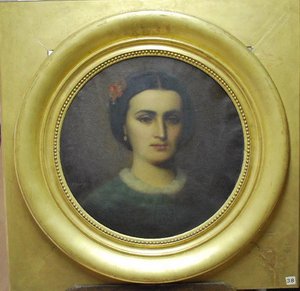
mariller charles philibert
1829 - 1911
Основные сведения
- Artistic Movement Or Style: Romantic Landscape
- Artists Or Movements Influenced By This Artist: ['']
- Artists Who Influenced This Artist: ['']
- Date Of Birth: 1829
- Date Of Death: 1911
- Full Name: Charles Philibert Mariller
- Nationality: French
- Notable Artworks:
- Bords de ruisseau
- Sentier de Montjeu en automne
- Le fortin
- Place Of Birth: WahooArt, France
Похожие статьи
Flowing Narratives: Rivers in Painting – A Historical Exploration
Explore the rich history of rivers in painting! Discover masterpieces from ancient times to Impressionism & beyond. Learn about symbolism, artists like Monet & Daubigny, and find your perfect serene artwork at ArtsDot.

Джон Констебль: 25 шедевров английского пейзажа для вашего интерьера
Погрузитесь в мир английского пейзажа с Джоном Констеблом! 25 шедевров романтизма, история создания картин и вдохновение для вашего интерьера. Репродукции высокого качества на ArtsDot.com – искусство для ценителей.
Evoking Emotion & Transcendence: Romantic Landscape Painting (18th-19th Century)
Explore the emotional depth of Romantic landscape painting (18th-19th century). Discover key artists like Friedrich & Cole, and the concepts of the sublime. Expert insights for art lovers & collectors.

Романтический пейзаж: 10 шедевров, изменивших искусство | ArtsDot.com
Погрузитесь в мир романтического пейзажа! 10 шедевров Фридриха, Тёрнера и других гениев. Узнайте историю создания культовых картин и вдохновитесь для декора интерьера. Репродукции высокого качества на ArtsDot.com.
Evoking Nature's Sublime: A Comprehensive Exploration of 19th-Century Landscape Painting
Explore the captivating world of 19th-century landscape painting! Discover renowned artists like Friedrich & Monet, key movements, and find the perfect artwork to bring nature's serenity into your home. Expert insights at ArtsDot.