

 Предпросмотр
 Поделиться
 Поделиться
 Детали произведения

 Скачать
 Похожие работы
 Рентгенография
 Слайд-шоу
 Статистика
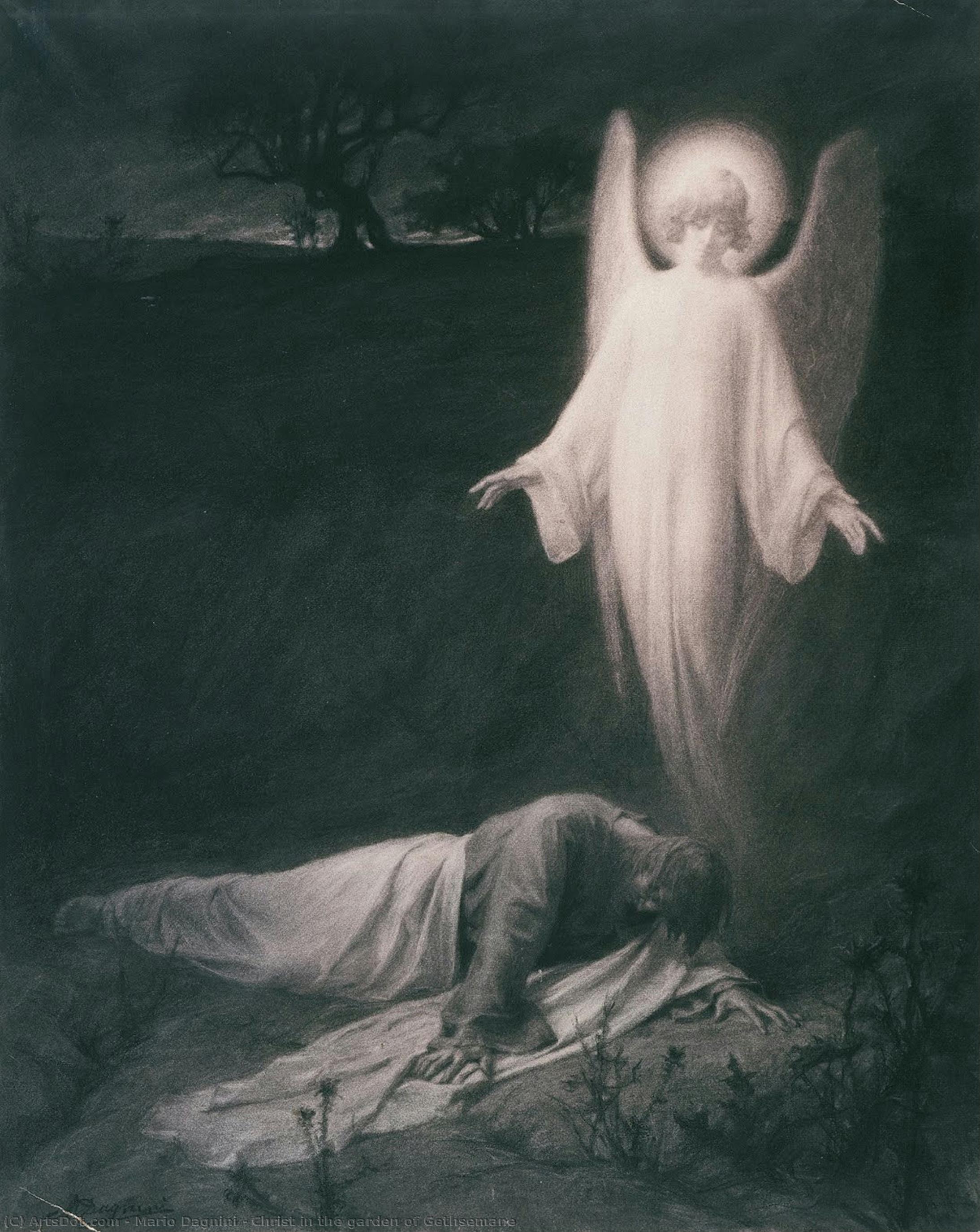
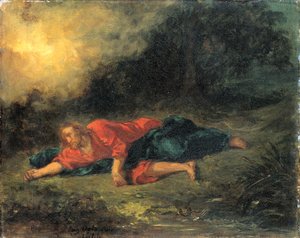
Christ in the garden of Gethsemane


 Читать далее
Жикле / Арт-принт
Печать (жикле) или холст музейного качества с быстрыми сроками изготовления и широким выбором вариантов отделки. ( Купить картину ручной работы Перейти к цифровым изображениям)




































Выберите один из наших стандартных размеров, соответствующих оригинальным пропорциям произведения искусства.

Вы можете указать свои собственные размеры, чтобы репродукция идеально подошла под конкретную раму или пространство. Если выбранный вами размер не будет соответствовать пропорциям оригинала, мы либо обрежем произведение, либо дополним изображение зеркальным отражением краев или однотонной заливкой. Перед началом производства вам будет отправлен цифровой макет для утверждения.
Пожалуйста, обратите внимание, что предварительный просмотр на экране не отображает фактическую обрезку или расширение изображения. Только макет точно покажет финальную композицию.
Несмотря на возможность заказа индивидуальных размеров, мы рекомендуем выбирать размер из предопределенного списка, чтобы сохранить оригинальные пропорции.
Доставка по всему миру () за 2 недели вместо стандартных 4/5 недель. (12 Сентябрь)

Бесплатная экспресс-доставка по всему миру

Высококачественный льняной холст

Полное страхование доставки

Гарантия возмещения таможенных пошлин

Гарантия точного соответствия цветов

100-дневная политика возврата (только при обнаружении дефектов)

Гарантия возврата 100% средств

Предложение оптовых скидок
 Вариант со стеклом доступен только для размеров менее 110 см

Christ in the garden of Gethsemane
Жикле / Арт-принт
Размер репродукции
-


Итоговая стоимость
$ 62
Похожие произведения
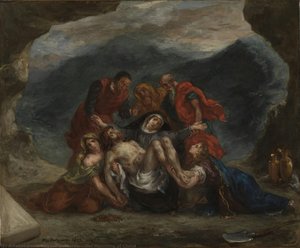
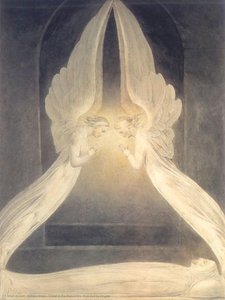
Биография художника
Pierre Bonnard: A Painter of Intimate Light
Born in Fontenay-aux-Roses, a charming suburb just outside Paris, on October 3rd, 1867, Pierre Bonnard was more than simply a painter; he was a meticulous architect of light and color. His life, marked by both artistic triumph and personal challenges, culminated in a body of work that continues to captivate with its deceptively simple beauty and profound emotional resonance. Bonnard’s legacy rests not on grand historical narratives but rather on the quiet observation of everyday moments—a sunlit breakfast table, a glimpse through a window, the tender embrace of loved ones—rendered with an exquisite sensitivity to atmosphere and form.
His early artistic education was shaped by a confluence of influences. Initially drawn to caricature, he honed his skills at the Académie Julian in Paris, where he encountered fellow artists like Paul Sérusier and later, the burgeoning group known as Les Nabis. This association with Les Nabis, a movement that sought to move beyond Impressionism’s focus on capturing fleeting moments of light towards a more symbolic and expressive language, proved pivotal. Bonnard deeply admired the prints of Hokusai, particularly their bold use of color and dynamic composition, which profoundly impacted his own approach to design and spatial relationships. The influence of Paul Gauguin, with his vibrant palette and exploration of primitive themes, is also readily apparent in Bonnard’s early works, though he ultimately forged a distinctly personal style.
The Nabis and the Pursuit of Decorative Harmony
Bonnard's membership within Les Nabis marked a significant shift in his artistic trajectory. The group, led by Émile Bernard, rejected academic conventions and sought to create art that was both decorative and emotionally charged. They were fascinated by Japanese prints—particularly those of Hiroshige and Hokusai—and incorporated their flattened perspectives, bold colors, and emphasis on pattern into their own work. Bonnard’s early paintings often exhibit this Nabis influence, characterized by a deliberate simplification of forms and an almost obsessive attention to the interplay of color. He wasn't interested in replicating reality; instead, he aimed to capture the *feeling* of a scene—the warmth of sunlight, the melancholy of twilight, the intimacy of domestic life.
However, Bonnard quickly diverged from the strict tenets of Les Nabis, developing his own unique style that prioritized atmosphere and subjective experience. He began to experiment with brighter colors, looser brushstrokes, and a more expressive use of line. His compositions became increasingly fragmented and layered, creating a sense of depth and movement through subtle shifts in color and tone. This evolution can be seen particularly in his landscapes, where he often depicted the Provençal countryside—the region of his childhood—with an almost dreamlike quality.
A Master of Color and Light
Bonnard’s most distinctive achievement lies in his masterful manipulation of color. He wasn't interested in accurately representing colors as they appear to the eye; instead, he used them to evoke emotions and create a specific mood. His palette was often dominated by muted tones—pale blues, greens, and yellows—but he could suddenly introduce bursts of vibrant red or orange to draw attention to a particular element within the composition. He employed a technique known as *cloisonnism*, isolating colors with dark outlines, creating a sense of clarity and definition while maintaining an overall atmospheric effect.
Furthermore, Bonnard’s understanding of light was exceptional. He meticulously observed how light transformed surfaces and created shadows, capturing the subtle nuances of illumination in his paintings. His use of *chiaroscuro*—the dramatic contrast between light and dark—was particularly effective in conveying a sense of intimacy and drama. His portraits are not merely likenesses; they are explorations of mood and character, revealing the inner lives of his subjects through carefully chosen colors and subtle gestures.
Later Years and Legacy
Despite achieving considerable success during his lifetime, Bonnard faced personal challenges in his later years. His marriage to Marthe Cubismont in 1899 brought him both happiness and heartache; they separated in 1920 and divorced in 1925. These difficult times profoundly influenced his work, leading to a period of introspection and melancholy. During this time, he produced some of his most poignant and emotionally resonant paintings—intimate portraits of himself and Marthe, often bathed in soft, diffused light.
Pierre Bonnard died on January 23rd, 1947, at the age of 79, leaving behind a remarkably consistent body of work. His influence on subsequent generations of artists is undeniable, particularly among those who explored the expressive possibilities of color and form. He remains an important figure in the transition from Impressionism to Modernism, demonstrating that beauty can be found not only in grand landscapes or heroic narratives but also in the quiet details of everyday life.
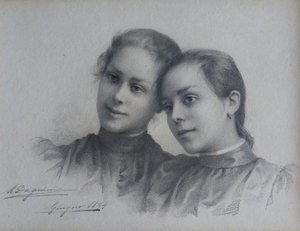
mario dagnini
1867 - 1925 , Italy
Основные сведения
- Artistic Movement Or Style: Post-Impressionism, Nabis
- Artists Or Movements Influenced By This Artist:
- Henri Matisse
- Pablo Picasso
- Artists Who Influenced This Artist:
- Paul Gauguin
- Hokusai
- Date Of Birth: 1867-10-03
- Date Of Death: 1947-01-23
- Full Name: Pierre Bonnard
- Nationality: French
- Notable Artworks:
- La Route de Serra Capeou
- Mont Sainte-Victoire
- The Basket of Apples
- Place Of Birth: Fontenay-aux-Roses, France
Похожие статьи

Романтический пейзаж: 10 шедевров, изменивших искусство | ArtsDot.com
Погрузитесь в мир романтического пейзажа! 10 шедевров Фридриха, Тёрнера и других гениев. Узнайте историю создания культовых картин и вдохновитесь для декора интерьера. Репродукции высокого качества на ArtsDot.com.
The Sublime and the Picturesque: Exploring Emotion & Nature in Romantic Landscape Painting
Explore the emotional power of Romantic landscape painting! Discover the sublime & picturesque traditions, key artists like Friedrich & Cole, and find your perfect artwork at ArtsDot.
Топ-10 произведений искусства, пробуждающих глубокие романтические чувства | ArtsDot
Погрузитесь в мир глубоких чувств с Топ-10 романтических произведений искусства! Узнайте истории любви, вдохновляющие техники Ван Гога, Климта и других мастеров. Купите репродукции картин для вашего интерьера на ArtsDot.com – музейное качество и безупречный декор.

Romantic Realism's Finest: 10 Masterpieces for Your Home | ArtsDot
Explore 10 defining masterpieces of Romantic Realism! Discover Courbet, Millet & Daumier's powerful paintings—capturing emotion and social realities. Find museum-quality reproductions for your home at ArtsDot.com.
Топ-10 романтических шедевров в искусстве: купить репродукции картин онлайн | ArtsDot.com
Погрузитесь в мир романтики с ArtsDot.com! Откройте топ-10 шедевров искусства, полных любви и чувственности. Репродукции картин известных художников: пейзажи, портреты, импрессионизм. Вдохновение для вашего интерьера – исследуйте коллекцию онлайн!