

 Предпросмотр
 Поделиться
 Поделиться
 Детали произведения

 Скачать
 Похожие работы
 Рентгенография
 Слайд-шоу
 Статистика
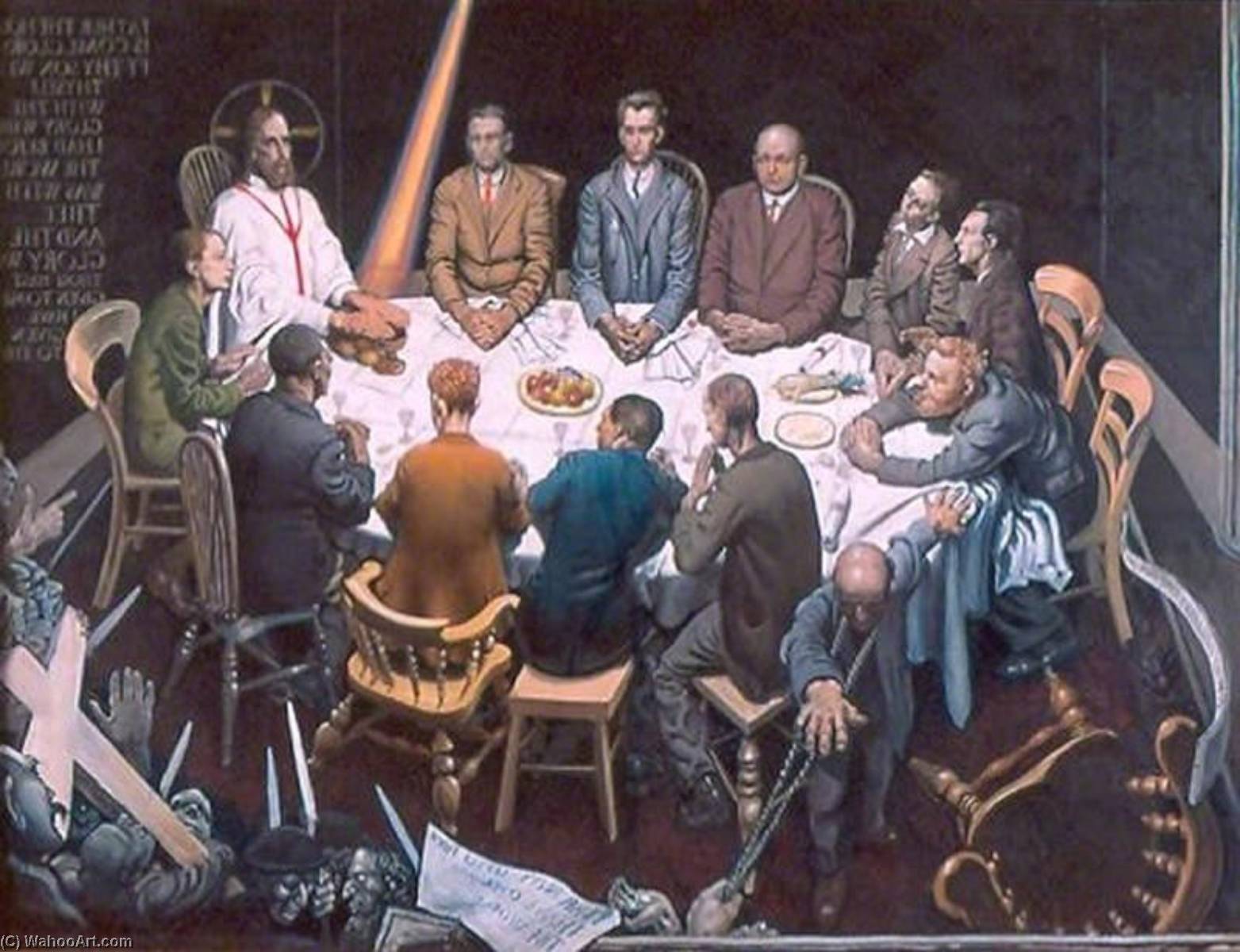
The Last Supper


 Читать далее
Приобретите цифровое изображение высокого разрешения в улучшенном качестве, которое значительно превосходит онлайн-превью.
Каждый файл тщательно подготавливается нашими специалистами с использованием передовых инструментов и экспертной ручной ретуши. Мы гарантируем исключительную четкость, точную цветопередачу и детальную проработку каждого изображения.
Финальный файл доставляется по электронной почте в течение 72 часов и оптимизирован для немедленного использования в профессиональной среде, при верстке и печати. Это тот же уровень качества, которому доверяют ведущие дизайнерские студии, издательства и галереи.
Цифровое изображение
Скачайте файл высокого разрешения для личного использования, печати и творческих проектов. ( Перейти к печати Купить картину ручной работы)
Включено в каждый заказ цифровых изображений
Гарантия экспертной цифровой доставки
Выбирая ArtsDot.com, вы получаете не просто изображение — вы приобретаете профессионально обработанное цифровое произведение искусства, созданное с безупречной точностью и под защитой гарантии качества. Вот всё, что автоматически входит в ваш заказ:

Мгновенная доставка по e-mail
Ваш цифровой файл в высоком разрешении будет отправлен вам по электронной почте в течение 72 часов после оформления заказа — и сразу станет доступен для использования.

Цифровой файл с ИИ-улучшением
Ваше произведение искусства проходит профессиональную оптимизацию с использованием передовых инструментов ИИ и ручной обработки, что гарантирует максимальную детализацию, четкость и точность цветопередачи.

Бессрочная бесплатная повторная доставка
Случайно удалили или потеряли файл? Не беспокойтесь — мы отправим его вам повторно в любое время и совершенно бесплатно.

Без импортных пошлин — навсегда
Наслаждайтесь вашим произведением искусства мгновенно без таможенных пошлин, сборов или затрат на доставку — цифровые загрузки всегда не облагаются налогом.

Гарантия точности цветопередачи
Мы гарантируем, что ваше цифровое изображение максимально точно передает оригинальные цвета благодаря использованию профессиональных инструментов и систем управления цветом.

Гарантия удовлетворенности 100 дней
Если вы не будете удовлетворены своим цифровым изображением, мы внесем правки или вернем 100% стоимости в течение 100 дней — без лишних вопросов.

100% Гарантия возврата средств
Не удовлетворены покупкой? Получите полный возврат средств в течение 100 дней после получения цифрового файла — без лишних вопросов.

Скидки на оптовые заказы
Купите 3 изображения, сэкономьте 10% — Купите 5, сэкономьте 15% — Купите 10+, сэкономьте 20%. Отличное решение для творческих проектов, галерей и агентств.
A Moment Frozen in Devotion
In the quiet, heavy atmosphere of 1933, Mark Lancelot Symons captured a scene of profound spiritual weight with his masterpiece, The Last Supper. This is not merely a depiction of a biblical event; it is an intimate window into a moment of shared vulnerability and divine destiny. At the heart of the composition sits Jesus, a figure of serene gravity, surrounded by his twelve apostles in a setting that feels both monumental and deeply personal. The painting invites the viewer to step into the room, where the air seems thick with the solemnity of the final meal before the crucifixion. Every element, from the way the light catches a wine glass to the subtle tension in an apostle's posture, works in harmony to evoke a sense of sacred intimacy that transcends time.
The composition is masterfully arranged to draw the eye inward, utilizing a dense, almost claustrophobic arrangement of figures that heightens the emotional stakes of the narrative. Unlike more expansive, classical interpretations of this subject, Symons focuses on the psychological landscape of the room. The apostles are clustered around a long dining table, their faces etched with a spectrum of human emotion—confusion, grief, and quiet contemplation. This focus on the individual expressions within the collective group creates a powerful tension, making the viewer feel like an unobserved witness to one of history's most pivotal moments. For the collector or interior designer, this piece offers a profound focal point, bringing a sense of narrative depth and contemplative stillness to any curated space.
The Intersection of Faith and Modernity
Symons’ technique in The Last Supper reflects his unique position as an artist caught between the traditions of the past and the burgeoning movements of the early twentieth century. While his roots were deeply embedded in the aesthetic of the Pre-Raphauteilt Brotherhood—characterized by a reverence for religious themes and idealized forms—his execution possesses a modern, almost expressionistic edge. The brushwork is deliberate and textured, lending a tactile quality to the oil on canvas that breathes life into the fabric of the apostles' garments and the rustic surfaces of the table. This marriage of classical subject matter with a more contemporary, gestural approach allows the painting to resonate with modern sensibilities without losing its historical soul.
Beyond the visual splendor, the painting serves as a testament to Symons’ personal journey of faith and artistic struggle. As an artist who lived on the precipice of religious devotion and controversial modernity, he infused this work with a palpable sense of drama. The interplay of light and shadow—the chiaroscuro effect—does more than just define form; it symbolizes the encroaching darkness of the coming Passion against the enduring light of Christ's presence. To possess a reproduction of this work is to hold a piece of art history that speaks of the eternal struggle between the earthly and the divine, making it an incomparable choice for those who seek art that inspires deep thought and emotional resonance.
Похожие произведения
Биография художника
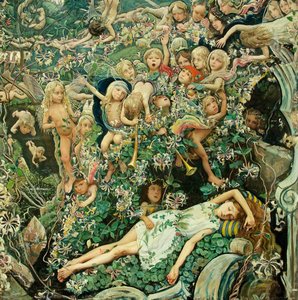
Mark Lancelot Symons: A Visionary of Faith and Modernity
Mark Lancelot Symons (1887-1935) remains a compelling, if somewhat enigmatic, figure in British art. Born into a devout Catholic family steeped in artistic tradition – his father, William Christian Symons, was a decorative designer known for his work at Westminster Cathedral – Symons’ life and career were shaped by a complex interplay of faith, artistic ambition, and a willingness to challenge conventional perceptions. He wasn't merely a painter; he was a communicator, attempting to bridge the gap between religious belief and contemporary experience through a uniquely expressive and often unsettling visual language.
Symons’ early life provided him with an exceptional foundation. Educated at a private school in Penzance and later at the Slade School of Fine Art, he initially pursued a path towards priesthood, exhibiting a rigorous dedication to his faith. However, health issues intervened, curtailing this ambition and leading him instead to embrace painting as a means of expressing his spiritual convictions. This shift was significantly influenced by his wife, Constance Gerber, who recognized his artistic potential and encouraged him to pursue it with renewed vigor. His family’s connection to the Catholic Church – including his brother Thomas Symons becoming a monk at Downside Abbey – instilled in him a deep understanding of religious iconography and symbolism, which would profoundly inform his later work.
The Early Years: Pre-Raphaelite Echoes and Religious Devotion
Symons’ artistic development during the 1920s and early 1930s is characterized by a fascinating synthesis of influences. He was deeply affected by the Pre-Raphaelites, particularly their emphasis on luminous color, detailed rendering, and evocative storytelling. This influence is readily apparent in his early works, such as ‘Molly in the Pantry’ (1927) and ‘Baby Ann’s Breakfast’ (1930), both of which depict domestic scenes imbued with a dreamlike quality and a palpable sense of spirituality. These paintings are not simply representations of everyday life; they are carefully constructed allegories, exploring themes of innocence, faith, and the mysteries of existence.
However, Symons’ artistic vision quickly evolved beyond mere imitation of Pre-Raphaelite aesthetics. He began to incorporate elements of Expressionism, utilizing bold brushstrokes, distorted perspectives, and a deliberately unsettling palette to convey emotional intensity and psychological depth. This shift is particularly evident in ‘The Last Supper (preparatory study)’ (1933), a powerful depiction of the crucifixion that eschews traditional representations of suffering for a claustrophobic and emotionally charged portrayal of the event. The painting’s muted colors, dramatic lighting, and unsettling composition create an atmosphere of profound unease, forcing the viewer to confront the brutal reality of Christ's sacrifice.
Westminster Cathedral and Controversy
Symons’ most significant commission came in 1930 when he was tasked with decorating a chapel within Westminster Cathedral. This project provided him with an unprecedented opportunity to showcase his artistic talents on a grand scale, but it also ignited considerable controversy. His mosaics, particularly the ‘Veronica’ panel depicting Mary presenting Christ's wounds, were widely criticized for their unconventional style and perceived irreverence. Critics accused Symons of distorting religious iconography and sacrificing spiritual depth in favor of stylistic innovation.
The controversy surrounding his Westminster Cathedral work significantly shaped Symons’ career trajectory. While he continued to exhibit at the Royal Academy and receive commissions, his reputation was tarnished by the negative publicity generated by the mosaics. Despite this setback, Symons remained steadfast in his artistic vision, continuing to explore themes of faith, mortality, and the human condition through a series of emotionally charged paintings that challenged conventional notions of religious art.
A Legacy of Unconventional Faith
Mark Lancelot Symons’ legacy is one of profound complexity. He was an artist who dared to question established artistic conventions and to express his deeply held faith in a manner that was both challenging and profoundly moving. His work, often characterized by its unsettling imagery and emotional intensity, continues to provoke debate and inspire contemplation. He stands as a testament to the power of art to engage with complex spiritual questions and to offer new perspectives on timeless themes.
Symons’ final years were marked by illness and a growing sense of isolation. He died in 1935, leaving behind a body of work that is both remarkable for its originality and poignant for its exploration of the human condition. His paintings remain powerful reminders of the enduring relevance of faith, art, and the ongoing quest to understand our place in the world.
mark lancelot symons
1887 - 1935
Основные сведения
- Artistic Movement Or Style: Pre-Raphaelite, Religious
- Artists Or Movements Influenced By This Artist:
- Watts
- Symbolism
- Artists Who Influenced This Artist:
- Sargent
- Brabazon
- Date Of Birth: 1887
- Date Of Death: 1935
- Full Name: Mark Lancelot Symons
- Nationality: English
- Notable Artworks:
- Were You There?
- The Last Supper
- Molly in the Pantry
- Place Of Birth: Hampstead, England