

 Предпросмотр
 Поделиться
 Поделиться
 Детали произведения

 Скачать
 Похожие работы
 Рентгенография
 Слайд-шоу
 Статистика
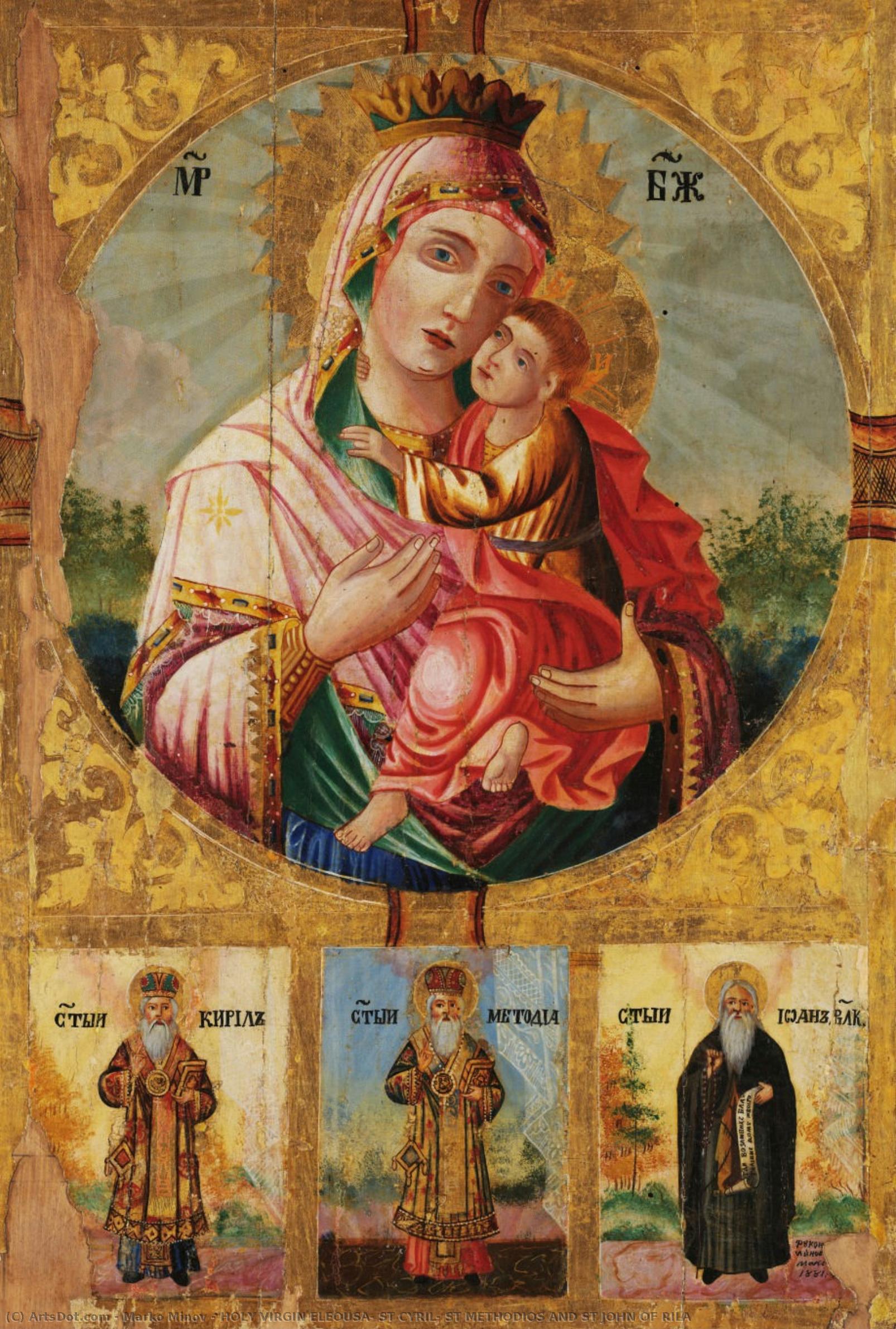
HOLY VIRGIN ELEOUSA, ST CYRIL, ST METHODIOS AND ST JOHN OF RILA


 Читать далее
Масляная репродукция ручной работы
Картина маслом на холсте в выбранном вами размере и раме, написанная на заказ нашими художниками. ( Перейти к печати Перейти к цифровым изображениям)




P118B $10

P118H $10

P118W $10

P438Z $10

P508JH $12

P508YH $12

P805H $10

P805Z $10

P919BZ $10

P919G $10

P919XJ $10

P959ZH $10

P968JZ $12

W106C $8

W218G $10

W218JH $8

W218Y $10

W307PJ $10

W316G $10

W316PJ $8

W316Y $10

W398PJ $8

W4111J $10

W500HY $15

W500JH $15

W692G $12

W849H $8

W940BG $15

W953PJ $8




Выберите один из наших стандартных размеров, соответствующих оригинальным пропорциям произведения искусства.

Вы можете указать собственные размеры, чтобы картина идеально вписалась в выбранную раму или пространство. Если выбранный вами размер не соответствует пропорциям оригинала, мы либо обрежем полотно, либо расширим его за счет дополнительных элементов, написанных вручную. Цифровой макет будет отправлен вам на утверждение перед началом производства.
Обратите внимание, что предварительный просмотр на экране не отражает фактическую обрезку или расширение. Только макет точно покажет окончательную композицию.
Хотя доступны индивидуальные размеры, мы рекомендуем выбирать вариант из предопределенного списка, чтобы сохранить исходные пропорции.
После оформления заказа команда ArtsDot.com свяжется с клиентом по электронной почте для уточнения деталей и предоставит предварительный макет
Доставка по всему миру () за 3–4 недели вместо стандартных 5 недель. (12 Сентябрь). Без компромиссов в качестве.

Бесплатная экспресс-доставка по всему миру

Высококачественный льняной холст

Полное страхование доставки

Гарантия возмещения таможенных пошлин

Гарантия точного соответствия цветов

100-дневная политика возврата (только при обнаружении дефектов)

Гарантия возврата 100% средств

Предложение оптовых скидок
 Вариант со стеклом доступен только для размеров менее 110 см

HOLY VIRGIN ELEOUSA, ST CYRIL, ST METHODIOS AND ST JOHN OF RILA
Техника репродукции
Размер репродукции
-


Итоговая стоимость
$ 263
A Sacred Encounter: The Divine Presence in Minov’s Iconography
In the quiet, hallowed atmosphere of the National Gallery of Bulgaria, there exists a window into the celestial realm, captured through the meticulous brushstrokes of Marko Minov. His 1881 masterpiece, HOLY VIRGIN ELEOUSA, ST CYRIL, ST METHODIOS AND ST JOHN OF RILA, is far more than a mere religious depiction; it is a profound spiritual dialogue rendered in tempera on wood. At the heart of this composition lies the tender, heartbreakingly human moment of the Eleousa—the Virgin of Tenderness—where the Mother of God gazes upon the Christ Child with an expression that blends maternal devotion with a premonition of divine sacrifice. This intimate connection serves as the emotional anchor for a larger, more complex assembly of saints, creating a tapestry of faith that transcends time.
The painting breathes with the weight of history and the sanctity of tradition. Minov, an artist whose roots are deeply embedded in the rugged, culturally rich landscapes of Gali_čnik, North Macedonia, brings to this work a lineage of craftsmanship passed through generations. The inclusion of St. Cyril and St. Methodios, the architects of the Cyrillic script, alongside the revered St. John of Rila, elevates the piece from a private devotional object to a monumental celebration of Slavic identity and Orthodox heritage. Each figure is positioned with a deliberate, rhythmic grace, guiding the viewer’s eye through a hierarchy of holiness that feels both structured and deeply organic.
Technically, the work is a triumph of the tempera medium. Minov utilizes the characteristic opacity and luminosity of tempera to create skin tones that seem to glow from within, contrasting beautifully against the more somber, earth-toned backgrounds typical of late 19th-century iconographic traditions. The wood paneling provides a sturdy, tactile foundation, lending the piece an architectural permanence. For the discerning collector or interior designer, this artwork offers a rare opportunity to introduce a sense of timelessness and contemplative peace into a space. A high-quality reproduction of this icon does not merely decorate a wall; it anchors a room with a sense of historical gravity and spiritual serenity.
To possess or display a tribute to this work is to invite the quiet strength of the mountains and the enduring light of tradition into one's surroundings. Whether placed in a curated gallery setting or as a focal point in a sophisticated, classical interior, the painting serves as a reminder of the beauty found in devotion. It is an invitation to pause, to reflect, and to connect with a legacy of artistry that has survived the shifting tides of history, preserved through the hands of masters like Minov.
Похожие произведения
Биография художника
Marko Minov: A Voice of the Mountains – Preserving Tradition Through Iconography
Nestled in the remote village of Galičnik, high within the Deber region of North Macedonia, resides Marko Minov—an artist whose hands carry the weight of centuries and whose vision breathes life into the enduring traditions of Bulgarian iconography. More than simply a painter, Minov is a custodian of a sacred art form, meticulously recreating icons that resonate with profound spiritual significance and offer a tangible link to Bulgaria’s rich cultural heritage. His work isn't merely decorative; it’s a vibrant testament to faith, history, and the enduring spirit of his community.
Minov’s journey into the world of icon painting began within the very heart of Galičnik, a village renowned for its unique architectural style and fiercely preserved artistic practices. Galičnik's isolation has acted as a protective shield, allowing traditional crafts – particularly icon painting – to flourish largely untouched by external influences. He learned his craft from his father, who in turn had been taught by generations of Galičnik icon painters. This unbroken lineage is crucial to understanding Minov’s work; it represents not just technical skill but also a deep-seated connection to the village's spiritual and artistic identity.
The Art of St. Nahum and Beyond
Minov’s most celebrated works include his depictions of St. Nahum and Eleousa, two icons that exemplify the distinctive style he has developed. The “St. Nahum with Scenes from His Life” is particularly striking for its dynamic composition and vivid portrayal of the saint's ministry. Minov masterfully captures the intensity of the biblical narratives through a carefully orchestrated arrangement of figures and symbolic elements. The use of color is exceptionally rich, employing deep blues, reds, and golds to evoke a sense of both earthly reality and divine transcendence. The Eleousa icon, depicting the Virgin Mary holding the Christ Child, showcases Minov’s ability to imbue even familiar subjects with profound emotional depth.
His work shares stylistic similarities with that of Avram Dichov, another prominent Galičnik iconographer, yet Minov possesses a unique voice—a palpable sense of immediacy and personal expression. While honoring the established conventions of Bulgarian iconography – the use of gold leaf, tempera paint on wood panels, and adherence to specific compositional rules – he infuses his paintings with a vibrant energy and a deeply felt spirituality that sets him apart.
Technique and Materials: A Dialogue with Tradition
The creation of an icon by Marko Minov is a deliberate and painstaking process. He begins with the preparation of the wood panel, meticulously sanding it smooth before applying layers of gesso to create a receptive surface for the paint. Tempera, made from egg yolk and pigments, forms the basis of his palette—a medium known for its luminosity and archival stability. Gold leaf is applied using heated tools, adding an ethereal quality to the halos and other symbolic elements.
Minov’s dedication extends beyond simply replicating established techniques; he actively engages with the materials themselves, understanding their properties and utilizing them to achieve his artistic vision. The slow, deliberate nature of icon painting—a process that can take months or even years for a single work—reflects Minov's deep respect for tradition and his commitment to producing art of lasting value.
Historical Context and Significance
Marko Minov’s work is inextricably linked to the broader history of Bulgaria and its Orthodox Christian heritage. During the Bulgarian National Revival (18th-19th centuries), icon painting experienced a resurgence, fueled by a desire to reconnect with ancient traditions and assert national identity. Galičnik emerged as a vital center for this artistic revival, preserving techniques and styles that had been threatened by Ottoman rule.
Today, Minov’s work stands as a powerful symbol of cultural continuity—a testament to the resilience of traditional crafts in the face of modernization. His icons are not merely objects of religious devotion; they are windows into a vibrant past, offering insights into the beliefs, values, and artistic sensibilities of Galičnik and its people. His continued practice ensures that this ancient art form will endure for generations to come, carrying with it the spirit of North Macedonia’s mountainous heart.
Further Exploration
- Useful Links: Marko Minov – ArtsDot.com
- Macedonians and the NOT so Civil War in Greece: Read More
- A Tour in Macedonia: Explore the Document
- Directory of Municipalities in the Republic of Macedonia 2006: View the Directory
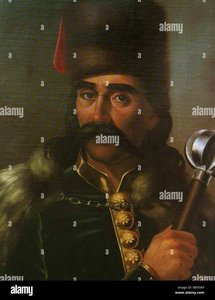
marko minov
North Macedonia
Основные сведения
- Artistic Movement Or Style: Iconography
- Date Of Birth: Galičnik, North Macedonia
- Full Name: Marko Minov
- Nationality: Bulgarian
- Notable Artworks: ['St Nahum & Eleousa']
- Place Of Birth: Galičnik, North Macedonia
Похожие статьи

Фра Анджелико: Топ-25 шедевров эпохи Возрождения для вашего интерьера
Погрузитесь в мир Фра Анджелико! Топ-25 шедевров Возрождения – религиозные фрески, алтари и картины с ангелами. Узнайте историю искусства и вдохновитесь для декора дома. Репродукции картин высокого качества на ArtsDot.com.
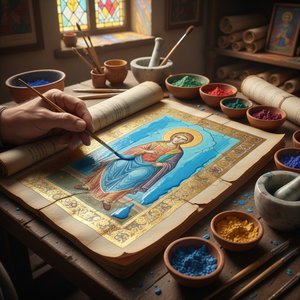
Illuminating History: A Comprehensive Exploration of Tempera Painting Techniques & Artistic Legacy
Explore the rich history & techniques of tempera painting! Discover Renaissance masters like Botticelli & Fra Angelico, conservation insights, and the enduring legacy of this captivating art form.
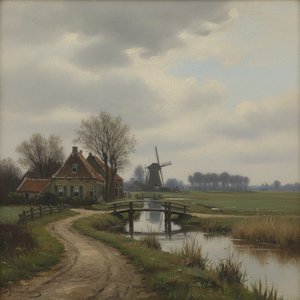
Jacob Henricus Maris: A Master of Dutch Atmospheric Realism & the Intimate Landscape
Explore the captivating world of Jacob Henricus Maris, a leading figure of the Dutch Hague School. Discover his atmospheric landscapes, signature brushstrokes & lasting influence on 19th-century art. Learn more at ArtsDot.
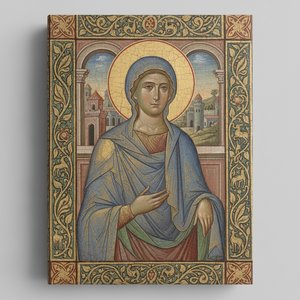
10 шедевров темперной живописи на доске, изменивших искусство навсегда | ArtsDot
Погрузитесь в мир великих шедевров темперной живописи на доске! От Джотто и Рублева до Боттичелли – история искусства, техника исполнения и вдохновение для вашего интерьера. Купите репродукции картин высочайшего качества на ArtsDot.com
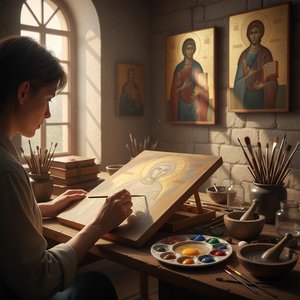
Illuminating Surfaces: A Comprehensive Exploration of Tempera on Panel Painting Techniques & Historical Significance
Explore the rich history & techniques of tempera painting! Discover Renaissance masters like Botticelli & Fra Angelico, conservation insights, and the enduring legacy of this captivating art form. Learn more now!