

 Предпросмотр
 Поделиться
 Поделиться
 Детали произведения

 Скачать
 Похожие работы
 Рентгенография
 Слайд-шоу
 Статистика
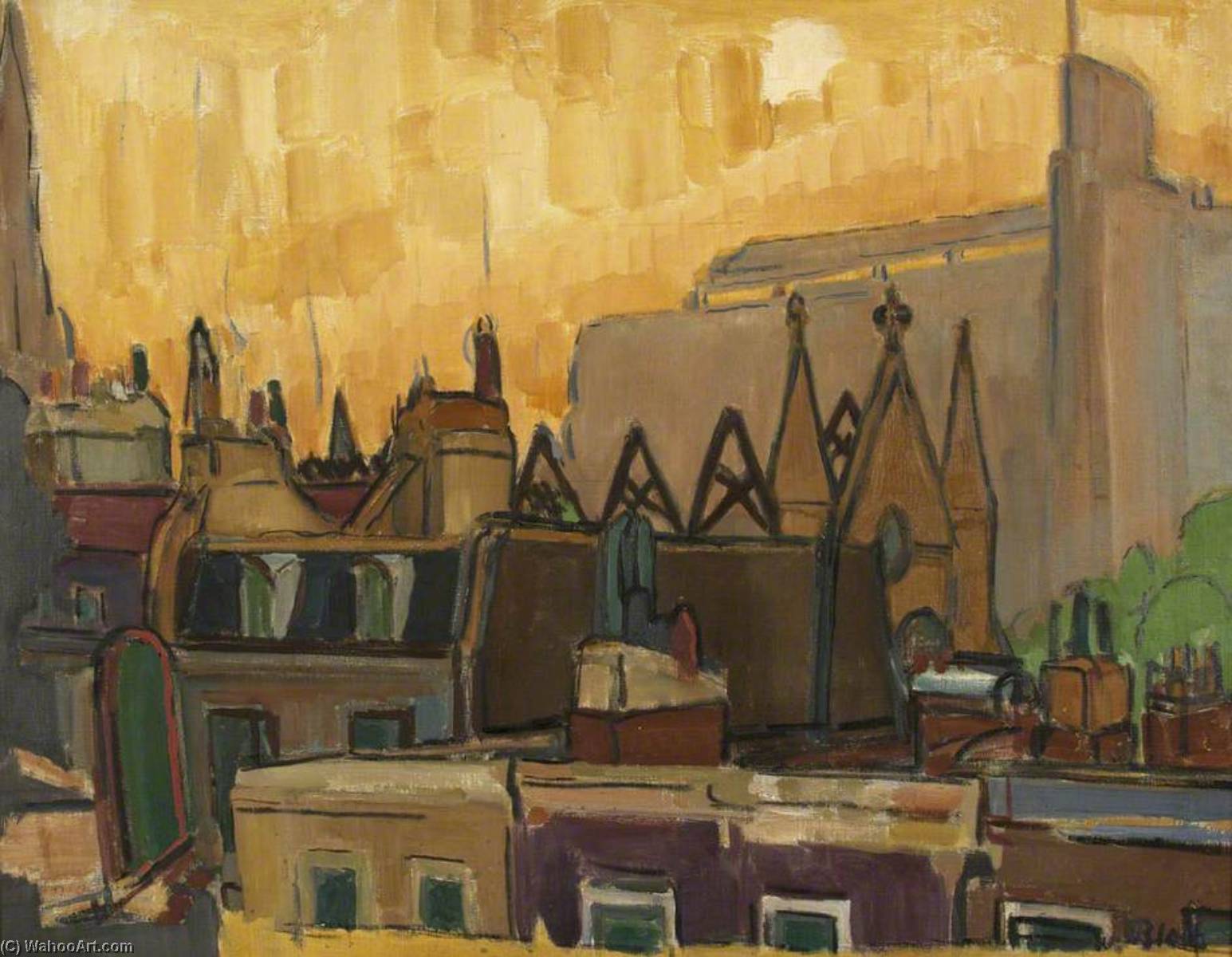
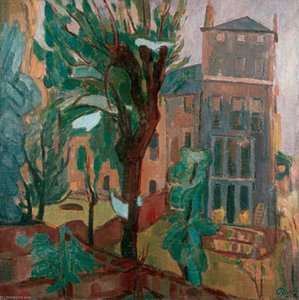
Kensington Roofs after a Fire Raid, 1942
 Oil
Oil- WallArt
- Expressionism
 1942
1942- Modern
 69.0 x 90.0 cm
 Бристольский музей и художественная галерея
 Читать далее
Приобретите цифровое изображение высокого разрешения в улучшенном качестве, которое значительно превосходит онлайн-превью.
Каждый файл тщательно подготавливается нашими специалистами с использованием передовых инструментов и экспертной ручной ретуши. Мы гарантируем исключительную четкость, точную цветопередачу и детальную проработку каждого изображения.
Финальный файл доставляется по электронной почте в течение 72 часов и оптимизирован для немедленного использования в профессиональной среде, при верстке и печати. Это тот же уровень качества, которому доверяют ведущие дизайнерские студии, издательства и галереи.
Цифровое изображение
Скачайте файл высокого разрешения для личного использования, печати и творческих проектов. ( Перейти к печати Купить картину ручной работы)
Включено в каждый заказ цифровых изображений
Гарантия экспертной цифровой доставки
Выбирая ArtsDot.com, вы получаете не просто изображение — вы приобретаете профессионально обработанное цифровое произведение искусства, созданное с безупречной точностью и под защитой гарантии качества. Вот всё, что автоматически входит в ваш заказ:

Мгновенная доставка по e-mail
Ваш цифровой файл в высоком разрешении будет отправлен вам по электронной почте в течение 72 часов после оформления заказа — и сразу станет доступен для использования.

Цифровой файл с ИИ-улучшением
Ваше произведение искусства проходит профессиональную оптимизацию с использованием передовых инструментов ИИ и ручной обработки, что гарантирует максимальную детализацию, четкость и точность цветопередачи.

Бессрочная бесплатная повторная доставка
Случайно удалили или потеряли файл? Не беспокойтесь — мы отправим его вам повторно в любое время и совершенно бесплатно.

Без импортных пошлин — навсегда
Наслаждайтесь вашим произведением искусства мгновенно без таможенных пошлин, сборов или затрат на доставку — цифровые загрузки всегда не облагаются налогом.

Гарантия точности цветопередачи
Мы гарантируем, что ваше цифровое изображение максимально точно передает оригинальные цвета благодаря использованию профессиональных инструментов и систем управления цветом.

Гарантия удовлетворенности 100 дней
Если вы не будете удовлетворены своим цифровым изображением, мы внесем правки или вернем 100% стоимости в течение 100 дней — без лишних вопросов.

100% Гарантия возврата средств
Не удовлетворены покупкой? Получите полный возврат средств в течение 100 дней после получения цифрового файла — без лишних вопросов.

Скидки на оптовые заказы
Купите 3 изображения, сэкономьте 10% — Купите 5, сэкономьте 15% — Купите 10+, сэкономьте 20%. Отличное решение для творческих проектов, галерей и агентств.
A Vision of Resilience Amidst the Embers
In the hauntingly beautiful Kensington Roofs after a Fire Raid, 1942, Martin Bloch invites us into a moment of profound stillness captured in the wake of devastation. The painting presents a panoramic view of London’s urban landscape, where the characteristic red roofs of Kensington emerge through a haze of historical tension. While the subject matter speaks to the scars left by wartime aerial bombardments, the composition transcends mere documentation. Bloch utilizes a luminous, almost ethereal yellow sky to bathe the scene in a warmth that feels both nostalgic and surreal, creating a striking contrast against the structural complexity of the city below. This interplay of light and shadow does more than illuminate the architecture; it breathes life into a landscape that has endured the fires of conflict.
The technique employed by Bloch is a masterful marriage of impressionistic light and expressionistic depth. Through rhythmic brushstrokes, he builds a sense of layered reality, where the large, imposing structures in the background—reminiscent of grand churches or civic monuments—anchor the composition, while smaller, scattered buildings provide a sense of intricate urban density. The artist’s ability to manipulate color allows the viewer to feel the heat of the recent raid and the subsequent cooling of the atmosphere. There is a palpable texture to the work, as if the very air is thick with the dust of reconstruction and the lingering scent of smoke, making the canvas feel less like a static image and more like a living, breathing memory.
The Human Pulse within the Urban Scars
Beyond the architectural grandeur, the true soul of this piece lies in its depiction of human endurance. As one gazes across the rooftops, tiny, delicate figures are scattered throughout the scene, appearing as vital pulses of life amidst the wreckage. Some figures linger in the foreground, their presence grounding the viewer in the immediate reality of the streets, while others fade into the distance, contributing to a sweeping sense of scale and movement. This inclusion of the human element transforms the painting from a cityscape into a profound social commentary; it is a testament to the resilience of the London spirit, showing that even when the skyline is altered by fire, the rhythm of daily life persists.
For the discerning collector or interior designer, this artwork offers a sophisticated focal point that commands attention through its emotional complexity. It is a piece that invites contemplation, making it an ideal addition to spaces designed for reflection, such as a private study, a library, or a curated gallery wall. The warm palette of ochre, crimson, and gold provides a rich, tonal foundation that complements both classical and contemporary decor. Owning a high-quality reproduction of this work means possessing more than just a beautiful image; it is an invitation to hold a piece of history—a fragment of a time when light and shadow fought for dominance over the ruins of a city.
Похожие произведения



Биография художника
Martin Bloch: A Painter of English Light and Quietude
Born in Neisse, Silesia – a region steeped in shifting borders and cultural exchange – Martin Bloch (1883-1954) emerged as a significant figure in 20th-century British art. Initially drawn to music and architecture, he ultimately found his voice and enduring legacy within the realm of painting, capturing the serene beauty of English gardens, bustling cityscapes, and intimate portraits with a distinctive blend of expressionism and impressionism. His work, often characterized by its luminous color palettes and subtle emotional depth, offers a poignant reflection on the changing landscape of Europe and the artist’s own journey of displacement.
Bloch's early life was shaped by the tumultuous political climate of pre-war Germany. Born into an assimilated Jewish family, he received a solid education that encompassed both classical studies and artistic pursuits. He began his artistic training in Munich, absorbing the influence of local artistic trends while simultaneously grappling with the rising tide of nationalism. This period proved formative, exposing him to new ideas and techniques before the increasingly hostile environment forced his emigration to England in 1934. This relocation marked a pivotal moment, not only for Bloch’s personal life but also for the evolution of his artistic style – he quickly adapted to the English landscape and its unique light.
The Formation of a Distinctive Style
Bloch's artistic development can be traced through several distinct phases. Initially influenced by the vibrant colors and bold brushstrokes of Munich’s Secessionist movement, his early works reflected a dynamic energy and a fascination with urban life. However, following his arrival in Paris, he encountered the Impressionists and Post-Impressionists – particularly Monet and Renoir – whose techniques profoundly impacted his approach to color and light. He began to prioritize capturing fleeting moments of beauty, employing broken brushstrokes and layering hues to create an atmospheric effect that conveyed a sense of tranquility and introspection. This shift culminated in his arrival in England, where he found inspiration in the meticulously cultivated gardens and quiet corners of the countryside.
A key element of Bloch’s style was his deliberate use of color. He eschewed traditional academic palettes, favoring instead a rich and often unconventional combination of hues – warm yellows and oranges juxtaposed against cool blues and greens, creating a sense of visual harmony and emotional resonance. His landscapes, in particular, are renowned for their luminous quality, capturing the subtle shifts in light and shadow that define the English countryside. He was particularly drawn to depicting subjects like laburnum trees, may trees, and cathedrals – motifs that became recurring themes throughout his oeuvre.
Themes and Influences
Bloch’s paintings are not merely representations of their subject matter; they are imbued with a quiet sense of melancholy and nostalgia. His works often evoke a feeling of longing for a lost past, reflecting the artist's own experiences as an immigrant and refugee. The influence of German Expressionism is evident in his use of distorted forms and emotionally charged colors, particularly in his depictions of cityscapes and portraits. However, he tempered this influence with a distinctly English sensibility, capturing the understated beauty of the British landscape and its inhabitants.
Beyond artistic influences, Bloch’s work was shaped by broader historical currents. The rise of fascism in Europe cast a long shadow over his life and career, forcing him to flee Germany and ultimately find refuge in England. This experience profoundly impacted his perspective, informing his paintings with a sense of displacement and uncertainty. His later works often explore themes of memory, loss, and the search for identity – reflecting the challenges faced by those who have been uprooted from their homes.
Legacy and Recognition
Despite facing significant obstacles throughout his career, Martin Bloch established himself as a respected and influential figure in British art. His paintings were exhibited regularly at leading galleries, including Ben Uri Gallery, and he taught at prestigious art schools such as Camberwell School of Arts and Crafts. His work is now held in numerous public and private collections across the United Kingdom, testament to its enduring appeal.
Bloch’s legacy extends beyond his individual artistic achievements. He played a crucial role in fostering a vibrant community of artists in post-war England, inspiring generations of painters with his innovative approach to color and composition. His paintings continue to resonate with viewers today, offering a poignant glimpse into the life and times of an artist who navigated the complexities of a rapidly changing world.
martin bloch
1883 - 1954
Основные сведения
- Artistic Movement Or Style: Expressionism, Landscape
- Artists Or Movements Influenced By This Artist: ['Gillian Ayres']
- Artists Who Influenced This Artist:
- Lovis Corinth
- Henri Wölfflin
- Date Of Birth: 1883-11-16
- Date Of Death: 1954-06-19
- Full Name: Martin Bloch
- Nationality: German/British
- Notable Artworks:
- Still Life with an Oriental Figure
- Laburnum and May Trees
- Cathedral
- Place Of Birth: Neisse, Silesia