

 Предпросмотр
 Поделиться
 Поделиться
 Детали произведения

 Скачать
 Похожие работы
 Рентгенография
 Слайд-шоу
 Статистика
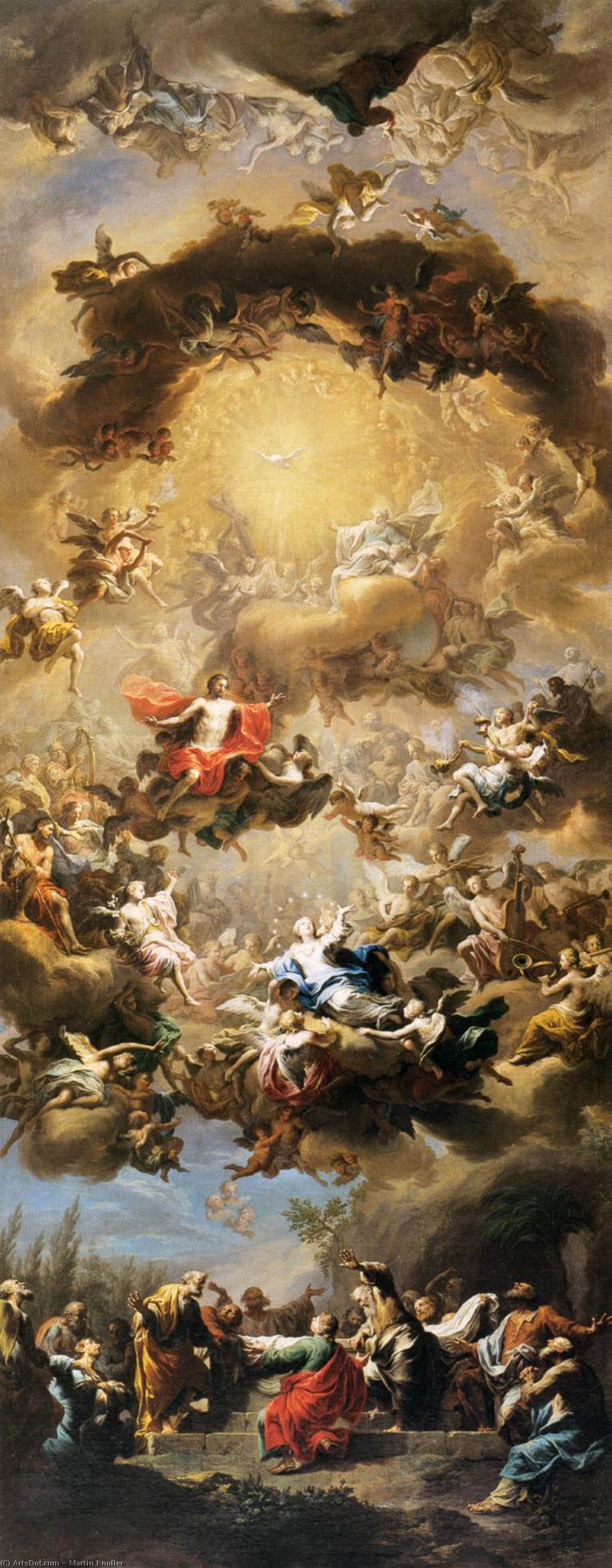
Assumption of the Virgin
 Oil On Canvas
- WallArt
- Neoclassicism
 1774
1774 220.0 x 82.0 cm
 Лувр
Лувр
 Читать далее
Приобретите цифровое изображение высокого разрешения в улучшенном качестве, которое значительно превосходит онлайн-превью.
Каждый файл тщательно подготавливается нашими специалистами с использованием передовых инструментов и экспертной ручной ретуши. Мы гарантируем исключительную четкость, точную цветопередачу и детальную проработку каждого изображения.
Финальный файл доставляется по электронной почте в течение 72 часов и оптимизирован для немедленного использования в профессиональной среде, при верстке и печати. Это тот же уровень качества, которому доверяют ведущие дизайнерские студии, издательства и галереи.
Цифровое изображение
Скачайте файл высокого разрешения для личного использования, печати и творческих проектов. ( Перейти к печати Купить картину ручной работы)
Включено в каждый заказ цифровых изображений
Гарантия экспертной цифровой доставки
Выбирая ArtsDot.com, вы получаете не просто изображение — вы приобретаете профессионально обработанное цифровое произведение искусства, созданное с безупречной точностью и под защитой гарантии качества. Вот всё, что автоматически входит в ваш заказ:

Мгновенная доставка по e-mail
Ваш цифровой файл в высоком разрешении будет отправлен вам по электронной почте в течение 72 часов после оформления заказа — и сразу станет доступен для использования.

Цифровой файл с ИИ-улучшением
Ваше произведение искусства проходит профессиональную оптимизацию с использованием передовых инструментов ИИ и ручной обработки, что гарантирует максимальную детализацию, четкость и точность цветопередачи.

Бессрочная бесплатная повторная доставка
Случайно удалили или потеряли файл? Не беспокойтесь — мы отправим его вам повторно в любое время и совершенно бесплатно.

Без импортных пошлин — навсегда
Наслаждайтесь вашим произведением искусства мгновенно без таможенных пошлин, сборов или затрат на доставку — цифровые загрузки всегда не облагаются налогом.

Гарантия точности цветопередачи
Мы гарантируем, что ваше цифровое изображение максимально точно передает оригинальные цвета благодаря использованию профессиональных инструментов и систем управления цветом.

Гарантия удовлетворенности 100 дней
Если вы не будете удовлетворены своим цифровым изображением, мы внесем правки или вернем 100% стоимости в течение 100 дней — без лишних вопросов.

100% Гарантия возврата средств
Не удовлетворены покупкой? Получите полный возврат средств в течение 100 дней после получения цифрового файла — без лишних вопросов.

Скидки на оптовые заказы
Купите 3 изображения, сэкономьте 10% — Купите 5, сэкономьте 15% — Купите 10+, сэкономьте 20%. Отличное решение для творческих проектов, галерей и агентств.
Ascension into Divine Light
Behold the breathtaking vision of the Assumption of the Virgin, a masterpiece that arrests the viewer in a moment of sublime transcendence. This painting captures the very essence of heavenly glory—the Virgin Mary being gently but powerfully lifted from the earthly realm into the celestial embrace. The composition is nothing short of dynamic; one feels the upward surge of divine energy as she ascends amidst a host of adoring angels. The sheer number of figures, numbering at least thirteen souls in total, creates a rich tapestry of devotion and wonder. From those nearest to us, seemingly caught in the immediate miracle, to the more distant forms dissolving into the ethereal backdrop, the artist masterfully constructs a sense of profound depth, drawing the eye inexorably upward toward the divine.
A Study in Baroque Drama Meets Neoclassical Grace
Painted in 1774 by Martin Knoller, this work stands as a fascinating bridge between the dramatic fervor of the late Baroque period and the emerging clarity of Neoclassicism. While the subject matter retains the emotional intensity characteristic of grand religious narratives, Knoller’s handling imbues the scene with a remarkable balance and refined aesthetic sensibility. His training, which saw him absorb the ideals of classical form from masters like Mengs, is evident in the graceful drapery and the balanced arrangement of the figures. Yet, the drama remains palpable; the swirling clouds are not merely decoration but active participants in this miraculous journey, lending an air of breathless anticipation to the entire tableau.
Symbolism of the Celestial Ascent
The Assumption itself is rich with theological symbolism. The Virgin Mary’s ascent represents her body and soul being taken up into heaven, a moment of ultimate triumph over mortality. The surrounding angels serve as celestial witnesses, their presence emphasizing the sacred nature of the event. The clouds themselves are more than just atmosphere; they symbolize the boundary between the earthly sphere and the divine realm—a threshold crossed by grace. For the collector or decorator, this piece offers not merely a depiction of faith, but an invitation to contemplate transcendence, bringing a focal point of spiritual elevation into any grand interior space.
Technique and Visual Impact
The scale of 220 x 82 cm allows Knoller’s technique to breathe fully. The interplay between the richly rendered figures and the softer, atmospheric treatment of the heavens is technically brilliant. Observe how light seems to emanate from Mary herself, illuminating the surrounding angels and giving definition to every fold of fabric. This masterful use of light—a hallmark of great religious painting—guides the viewer's emotional response, transforming what might be seen as a static scene into one that feels alive with divine momentum. Owning a reproduction of this work allows one to possess a piece steeped in such historical artistry and profound visual narrative.
Похожие произведения



Биография художника
Martin Knoller: Life and Legacy
Early Life and Education
Martin Knoller (1725 – 1804) was an Austrian-Italian painter, primarily active in Italy, renowned for his fresco work. Born in Steineck im Brenner, near Innsbruck, Austria, he received his initial artistic training under the tutelage of Paul Troger and Michelangelo Unterberger in Salzburg and Vienna. These masters instilled in him a foundation in Baroque techniques that would later inform his distinctive style.
Artistic Development and Influences
In 1755, Knoller journeyed to Rome, a pivotal moment in his artistic development. Exposure to the burgeoning Neoclassical movement profoundly influenced his work. He studied under Anton Raphael Mengs and engaged with the writings of Johann Joachim Winckelmann, absorbing their emphasis on classical ideals of form and composition. While retaining elements of Baroque drama, Knoller’s style increasingly incorporated clarity, balance, and a refined aesthetic sensibility.
Key Characteristics and Style
Knoller's art occupies an interesting space between the Baroque and Rococo periods, with the latter often prevailing in his paintings rather than his frescoes. He specialized in both frescoes and altarpiece paintings. His compositions frequently feature groups of figures, always ensuring the principal subject is prominently located in the foreground. A hallmark of his work is the use of bright, vibrant colors, particularly in clothing, adding a sense of life and dynamism to his scenes.
- Emphasis on Figure Groups: Knoller excelled at depicting dynamic interactions between figures.
- Vibrant Color Palette: His use of color adds energy and visual interest.
- Clear Composition: He favored well-ordered arrangements, avoiding the excessive drama of High Baroque.
- Masterful Perspective: Knoller demonstrated a strong understanding of perspective, creating realistic spatial depth.
Major Achievements and Commissions
Knoller’s breakthrough came with his completion of “The Glory of St Stephen” in 1754 at the parish church of Anras in East Tyrol. However, it was through the patronage of Karl Joseph von Firmian, the Imperial Governor of Lombardy under Maria Theresa, that Knoller achieved widespread recognition. Von Firmian commissioned him to paint frescoes for the Palazzo Firmian-Vigoni, a significant undertaking that showcased Knoller’s talent and cemented his reputation.
Later Life and Legacy
From 1793 until his death in 1804, Knoller served as a professor at the Brera Academy of Fine Arts in Milan. Among his pupils was Giuseppe Mazzola, who continued to propagate Knoller’s artistic principles. While not as widely celebrated as some of his contemporaries, Martin Knoller left behind a substantial body of work that reflects the transition between Baroque exuberance and Neoclassical restraint. His frescoes and altarpieces remain important examples of 18th-century Italian art.
Historical Significance
Knoller’s significance lies in his ability to synthesize diverse artistic influences – Baroque, Rococo, and Neoclassicism – into a unique and compelling style. He represents a transitional figure whose work embodies the changing aesthetic sensibilities of his time. His emphasis on clarity, balance, and vibrant color continues to resonate with art enthusiasts today.
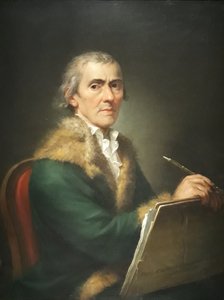
Martin Knoller
1725 - 1804 , Austria
Основные сведения
- Birth Date: 1725
- Birth Place: Steineck im Brenner, Austria
- Death Date: 1804
- Influenced: ['Giuseppe Mazzola']
- Influenced By:
- Paul Troger
- Michelangelo Unterberger
- Anton Raphael Mengs
- Johann Joachim Winckelmann
- Movement:
- Baroque
- Rococo
- Neoclassicism
- Name: Martin Knoller
- Nationality: Austrian-Italian
- Notable Works:
- The Glory of St Stephen
- Palazzo Firmian-Vigoni frescoes