

 Предпросмотр
 Поделиться
 Поделиться
 Детали произведения

 Скачать
 Похожие работы
 Рентгенография
 Слайд-шоу
 Статистика
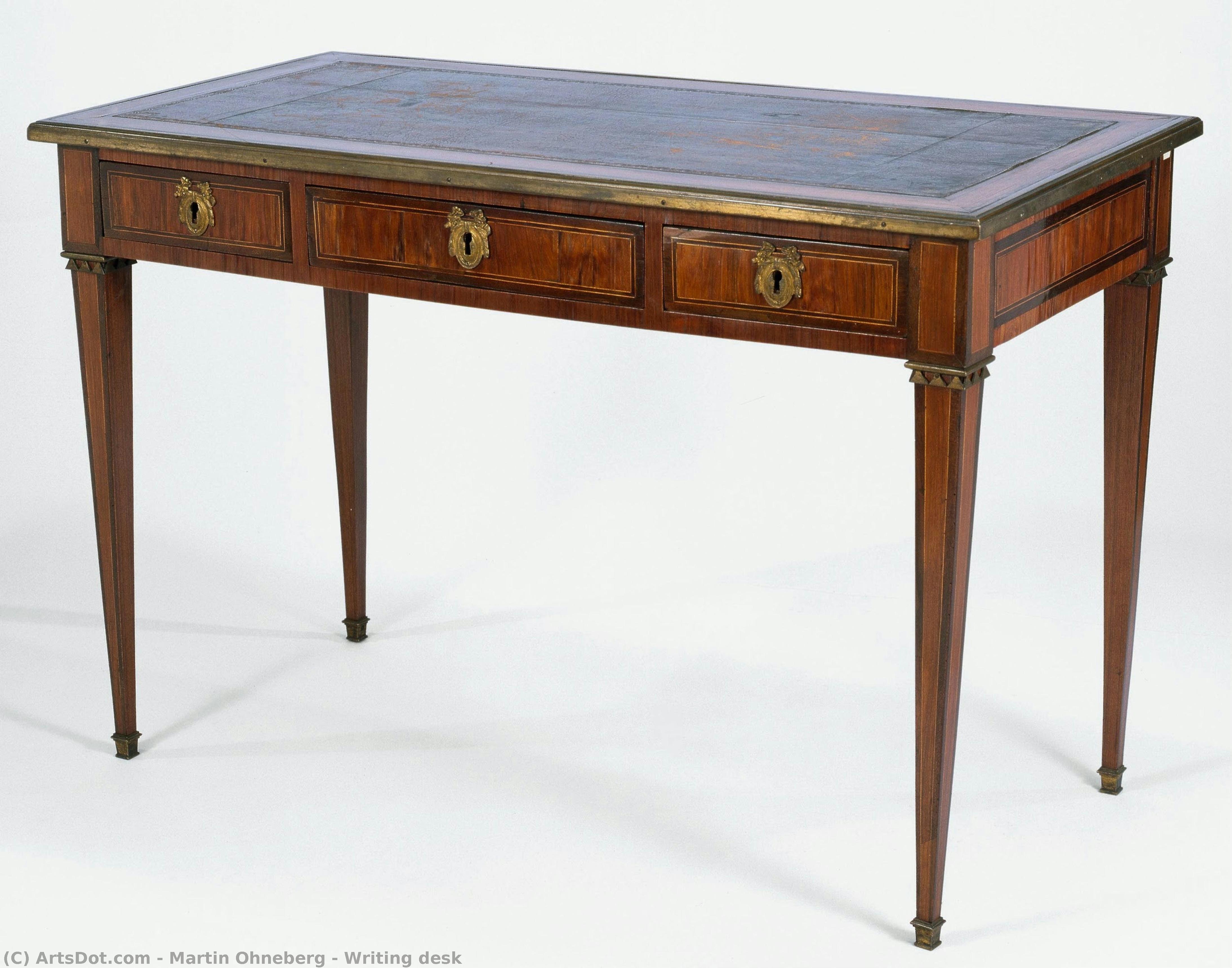
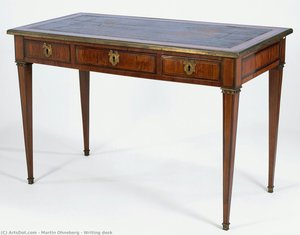
Writing desk


 Читать далее
Жикле / Арт-принт
Печать (жикле) или холст музейного качества с быстрыми сроками изготовления и широким выбором вариантов отделки. ( Купить картину ручной работы Перейти к цифровым изображениям)




































Выберите один из наших стандартных размеров, соответствующих оригинальным пропорциям произведения искусства.

Вы можете указать свои собственные размеры, чтобы репродукция идеально подошла под конкретную раму или пространство. Если выбранный вами размер не будет соответствовать пропорциям оригинала, мы либо обрежем произведение, либо дополним изображение зеркальным отражением краев или однотонной заливкой. Перед началом производства вам будет отправлен цифровой макет для утверждения.
Пожалуйста, обратите внимание, что предварительный просмотр на экране не отображает фактическую обрезку или расширение изображения. Только макет точно покажет финальную композицию.
Несмотря на возможность заказа индивидуальных размеров, мы рекомендуем выбирать размер из предопределенного списка, чтобы сохранить оригинальные пропорции.
Доставка по всему миру () за 2 недели вместо стандартных 4/5 недель. (11 Сентябрь)

Бесплатная экспресс-доставка по всему миру

Высококачественный льняной холст

Полное страхование доставки

Гарантия возмещения таможенных пошлин

Гарантия точного соответствия цветов

100-дневная политика возврата (только при обнаружении дефектов)

Гарантия возврата 100% средств

Предложение оптовых скидок
 Вариант со стеклом доступен только для размеров менее 110 см

Writing desk
Жикле / Арт-принт
Размер репродукции
-


Итоговая стоимость
$ 62
Похожие произведения
Биография художника
The Master of Parisian Elegance: The Legacy of Martin Ohneberg
In the heart of 18th-century Paris, amidst the burgeoning splendor of the Louis XVI era, the name Martin Ohneberg emerged as a symbol of unparalleled precision and Neoclassical grace. As an ébéniste—a master cabinetmaker—Ohneberg did not merely construct furniture; he sculpted the very essence of French refinement. Born in Paris in 1739, his life was deeply intertwined with the golden age of decorative arts, a period where every curve of wood and every inlay of precious material served to communicate status, intellect, and an unwavering devotion to beauty.
Ohneberg’s journey into the upper echelons of craftsmanship began with rigorous formal training, a process that instilled in him a profound reverence for the medium of wood. His dedication culminated on July 7, 1773, when he officially obtained his lettres de maîtrise. This achievement was far more than a professional milestone; it was a declaration of independence, granting him the authority to operate his own workshop located on the historic rue traversière-saint-antoine. Within these walls, Ohneberg transformed raw timber into poetic objects of desire, establishing a sanctuary of creativity that would influence the Parisian aesthetic for decades.
Technique and the Art of Neoclassical Marquetry
The true genius of Ohneberg lay in his ability to marry structural integrity with delicate ornamentation. His work is a masterclass in the Neoclassical style, an aesthetic movement that sought to revive the clarity and order of antiquity. He moved away from the exuberant, swirling excesses of the Rococo period, favoring instead a disciplined elegance characterized by symmetry and balanced proportions. To achieve this, he mastered the intricate art of marquetry, using various woods to create breathtakingly detailed patterns.
His technical repertoire was as diverse as it was complex. Ohneberg utilized sophisticated methods such as:
- Boulonnage: A meticulous bolting technique used to ensure the permanence and stability of intricate decorative elements.
- Dovetailing: The seamless joining of wood that provided both structural strength and a hidden artistry within the grain.
- Floral and Trophy Motifs: The use of delicate botanical patterns and symbolic trophies—representing victory and nobility—to imbue his pieces with a sense of intellectual depth and historical resonance.
This mastery was often enhanced through strategic collaborations. By partnering with skilled fondeurs, such as the bronze caster Étienne Garin, Ohneberg was able to integrate exquisite gilt-bronze mounts into his wooden compositions. This marriage of wood and metal created a multi-sensory experience of luxury, where the warmth of the grain met the cold, brilliant luster of polished bronze.
A Lasting Impression on Decorative History
The historical significance of Martin Ohneberg extends far beyond the physical boundaries of his workshop. His creations, such as the celebrated demi-lune commode and his exquisite writing desks, served as the stage upon which the social rituals of the French aristocracy were performed. Each piece was a vessel for cultural expression, reflecting the Enlightenment's emphasis on order, reason, and classical tradition.
Perhaps the most enduring testament to his skill is the presence of his personal stamp: m. ohneberg. This small, indelible mark serves as a signature of authenticity, allowing historians and collectors alike to trace the lineage of Neoclassical excellence back to its source. Today, when we gaze upon a piece of Ohneberg’s work—whether it be a stately desk or a delicate secretaire—we are not just looking at furniture; we are witnessing a preserved moment of Parisian history, a silent symphony of wood and light that continues to resonate with the timeless pursuit of perfection.
Martin Ohneberg
1739 - , France
Основные сведения
- Artistic Movement Or Style: Neoclassical marquetry
- Date Of Birth: Paris, France (1739)
- Date Of Death: Living
- Full Name: Martin Ohneberg
- Nationality: French
- Notable Artworks:
- Writing Desk
- Demi-lune commode
- Place Of Birth: Paris
Похожие статьи
Reflecting Nobility & Nuance: 18th-Century Portraiture as a Window into Societal Values
Explore the world of 18th-century portraiture with ArtsDot. Discover symbolism, artistic innovation & societal values reflected in masterpieces by Reynolds, Hogarth & more. Expert insights for collectors.
Jacques-Louis David: Neoclassical Ideals & Revolutionary Witness
Explore the life & art of Jacques-Louis David, leading Neoclassical painter of the French Revolution. Discover iconic works like 'The Death of Marat' and his lasting impact on art history. Expert analysis & high-quality reproductions at ArtsDot.
10 Шедевров Неоклассицизма: Искусство, Определившее Эпоху | ArtsDot
Погрузитесь в мир неоклассицизма! 10 шедевров от Давида, Кановы и других великих художников. Узнайте историю создания культовых картин и найдите идеальную репродукцию для вашего интерьера на ArtsDot.com
Величие XVIII века: Топ-10 шедевров искусства для вашего интерьера
Погрузитесь в эпоху рококо и барокко! Топ-10 шедевров XVIII века от Буше, Фрагонара и Рейнольдса. Узнайте историю создания культовых картин и вдохновитесь для декора вашего дома. Репродукции высокого качества на ArtsDot.com
Reflections of an Age: Social Commentary & Artistic Representation in 18th-Century Society
Explore the social commentary & artistic representation of 18th-century society. Discover Rococo masterpieces, portraiture's power, and shifting historical perspectives. Expert insights for art lovers.