

 Предпросмотр
 Поделиться
 Поделиться
 Детали произведения

 Скачать
 Похожие работы
 Рентгенография
 Слайд-шоу
 Статистика
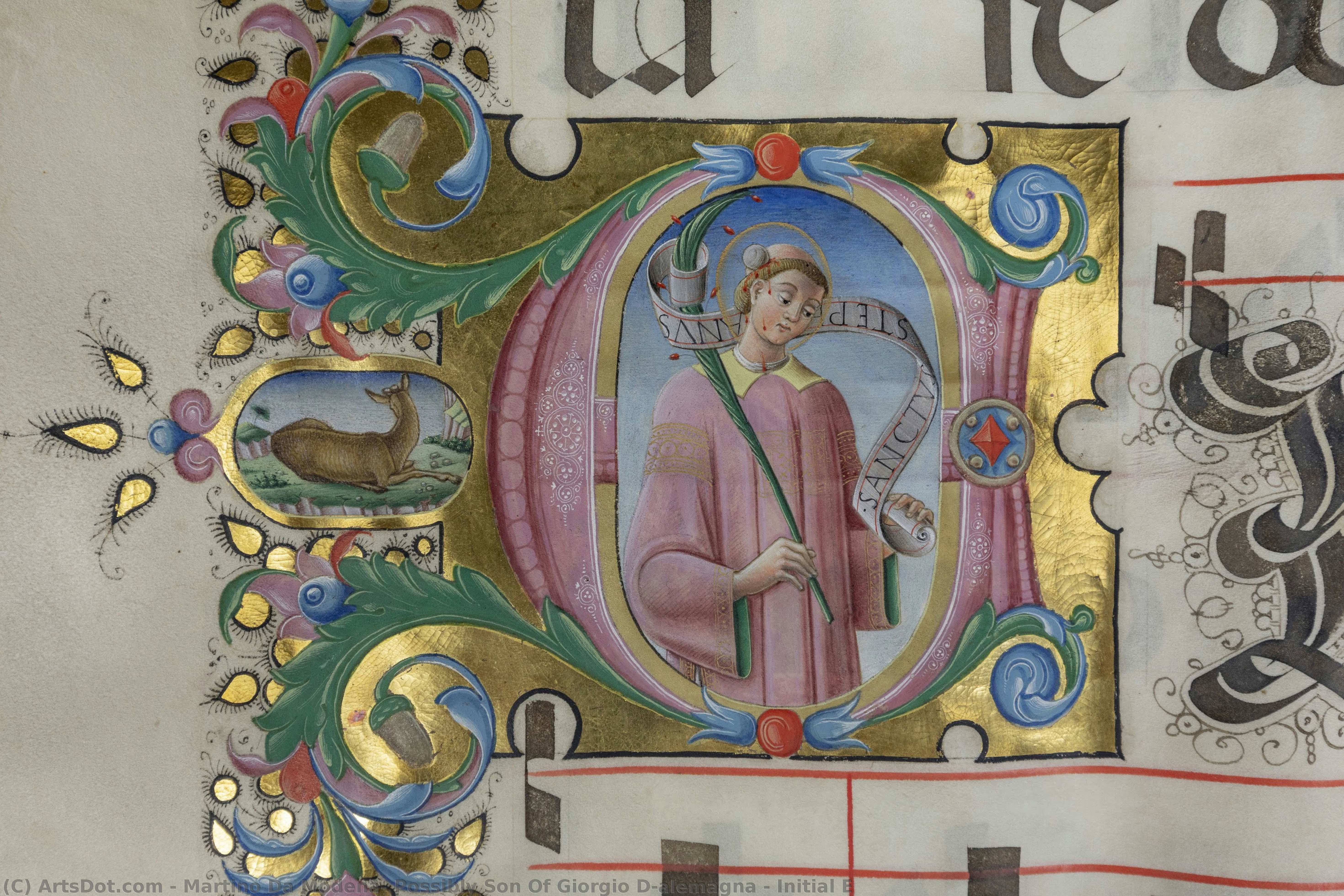
Initial E
 78.0 x 56.0 cm
 Cathedral Museum of Ferrara
 Читать далее
Жикле / Арт-принт
Печать (жикле) или холст музейного качества с быстрыми сроками изготовления и широким выбором вариантов отделки. ( Купить картину ручной работы Перейти к цифровым изображениям)




































Выберите один из наших стандартных размеров, соответствующих оригинальным пропорциям произведения искусства.

Вы можете указать свои собственные размеры, чтобы репродукция идеально подошла под конкретную раму или пространство. Если выбранный вами размер не будет соответствовать пропорциям оригинала, мы либо обрежем произведение, либо дополним изображение зеркальным отражением краев или однотонной заливкой. Перед началом производства вам будет отправлен цифровой макет для утверждения.
Пожалуйста, обратите внимание, что предварительный просмотр на экране не отображает фактическую обрезку или расширение изображения. Только макет точно покажет финальную композицию.
Несмотря на возможность заказа индивидуальных размеров, мы рекомендуем выбирать размер из предопределенного списка, чтобы сохранить оригинальные пропорции.
Доставка по всему миру () за 2 недели вместо стандартных 4/5 недель. (13 Сентябрь)

Бесплатная экспресс-доставка по всему миру

Высококачественный льняной холст

Полное страхование доставки

Гарантия возмещения таможенных пошлин

Гарантия точного соответствия цветов

100-дневная политика возврата (только при обнаружении дефектов)

Гарантия возврата 100% средств

Предложение оптовых скидок
 Вариант со стеклом доступен только для размеров менее 110 см

Initial E
Жикле / Арт-принт
Размер репродукции
-


Итоговая стоимость
$ 62
Похожие произведения








Биография художника
Martino da Modena: A Florentine Echo in Emilia
Martino da Modena (c. 1489) stands as a captivating figure within the vibrant tapestry of Renaissance illumination, primarily active in Modena, Bologna, and Ferrara between 1470 and 1489. While definitive biographical details remain elusive – largely due to fragmentary archival records – scholarly consensus suggests he was likely the son of Giorgio d’Ale magna, a German artist who established himself in Modena and Ferrara, marking him as part of a broader artistic lineage rooted in Northern Europe. This familial connection hints at influences from Germanic artistic traditions that would undoubtedly permeate Martino's oeuvre. Early evidence indicates Martino’s formative years were spent in Venice around 1470. Exposure to the groundbreaking artistry of Andrea Mantegna – whose monumental frescoes at Santa Maria della Consolazione profoundly impacted Venetian painters – undeniably shaped Martino’s stylistic sensibilities. Accounts describe his participation in the lavish decoration of several manuscripts destined for wealthy Venetian patrons, demonstrating a keen understanding of visual storytelling and meticulous craftsmanship. These commissions served as crucial stepping stones toward honing his skills and immersing himself in the intellectual currents of the Renaissance. Mantegna's influence is palpable in Martino’s use of perspective and dramatic compositions—a hallmark of Venetian painting during this period. Upon returning to Emilia-Romagna, Martino’s collaboration with his father on two psalters belonging to a set of liturgical books commissioned by the Modena Cathedral exemplifies this artistic partnership. Between 1473 and 1476, they undertook this ambitious project, showcasing their combined expertise in pigment preparation, gilding techniques, and intricate miniature painting—skills honed during Mantegna’s Venetian period. The resulting psalters are remarkable for their vibrant colors and detailed depictions of biblical scenes, reflecting the prevailing artistic standards of the time. This collaborative effort underscores the importance of familial mentorship within the Renaissance artistic landscape. However, Martino's most enduring legacy resides in his monumental undertaking: the decoration of seven large liturgical books for the Basilica di San Petronio in Bologna. Left unfinished by Taddeo Crivelli in 1476, this project presented Martino with a considerable challenge—a chance to revitalize an abandoned artistic endeavor and elevate Bolognese art to new heights. His contribution is particularly noteworthy for its innovative use of perspective and its masterful rendering of architectural spaces, mirroring the stylistic innovations championed by Mantegna and foreshadowing developments in later Renaissance painting. It represents a pivotal moment in Bolognese artistic history, demonstrating Martino’s ability to adapt and innovate within established conventions. Finally, Martino’s patronage extended to works commissioned by Hercules I d'Este and his son Hippolyte I d'Este—illustrious rulers who fostered artistic creativity within Ferrara. These projects allowed Martino to explore diverse visual vocabularies and demonstrate versatility as an illuminator. His meticulous attention to detail and masterful execution solidified his reputation as one of the foremost illuminators of his generation, securing his place among the giants of Renaissance art. Martino da Modena passed away in October 1489, leaving behind a legacy of breathtaking beauty and artistic innovation—a testament to the enduring power of Florentine artistic ideals within Emilia’s Renaissance landscape.
Мартино да Модена
1489
Основные сведения
- Artistic Movement Or Style: Ренессансское искусство
- Artists Or Movements Influenced By This Artist: ['Венская живопись']
- Artists Who Influenced This Artist: ['Эндреа Мантьенья']
- Date Of Death: 1489
- Full Name: Martino da Modena, possibly son of Giorgio d'Ale magna
- Nationality: Итальянский
- Notable Artworks:
- Псалтирь №1
- Псалтирь №2
- Place Of Birth: Modena, Italy