

 Предпросмотр
 Поделиться
 Поделиться
 Детали произведения

 Скачать
 Похожие работы
 Рентгенография
 Слайд-шоу
 Статистика
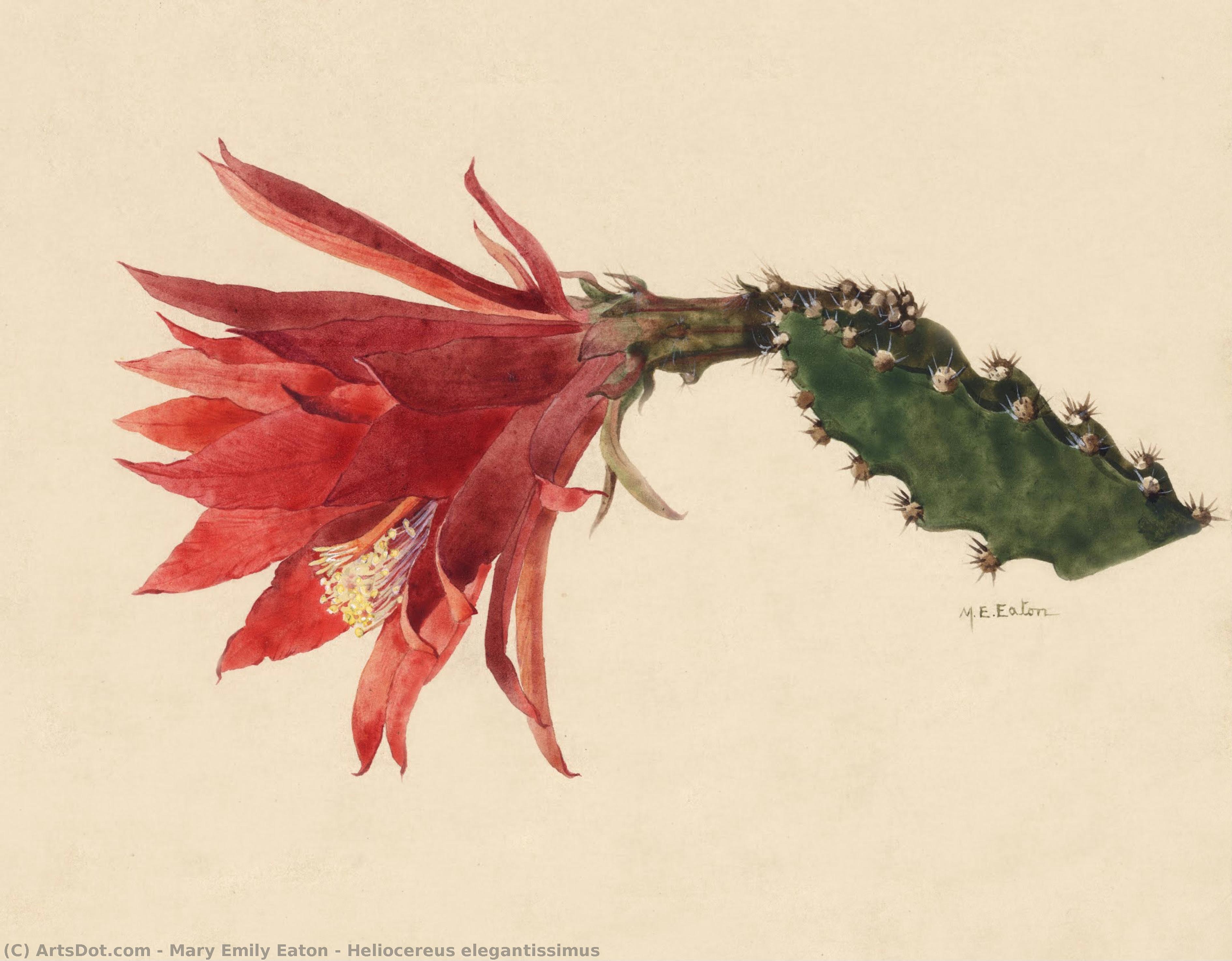
Heliocereus elegantissimus


 Читать далее
Приобретите цифровое изображение высокого разрешения в улучшенном качестве, которое значительно превосходит онлайн-превью.
Каждый файл тщательно подготавливается нашими специалистами с использованием передовых инструментов и экспертной ручной ретуши. Мы гарантируем исключительную четкость, точную цветопередачу и детальную проработку каждого изображения.
Финальный файл доставляется по электронной почте в течение 72 часов и оптимизирован для немедленного использования в профессиональной среде, при верстке и печати. Это тот же уровень качества, которому доверяют ведущие дизайнерские студии, издательства и галереи.
Цифровое изображение
Скачайте файл высокого разрешения для личного использования, печати и творческих проектов. ( Перейти к печати Купить картину ручной работы)
Включено в каждый заказ цифровых изображений
Гарантия экспертной цифровой доставки
Выбирая ArtsDot.com, вы получаете не просто изображение — вы приобретаете профессионально обработанное цифровое произведение искусства, созданное с безупречной точностью и под защитой гарантии качества. Вот всё, что автоматически входит в ваш заказ:

Мгновенная доставка по e-mail
Ваш цифровой файл в высоком разрешении будет отправлен вам по электронной почте в течение 72 часов после оформления заказа — и сразу станет доступен для использования.

Цифровой файл с ИИ-улучшением
Ваше произведение искусства проходит профессиональную оптимизацию с использованием передовых инструментов ИИ и ручной обработки, что гарантирует максимальную детализацию, четкость и точность цветопередачи.

Бессрочная бесплатная повторная доставка
Случайно удалили или потеряли файл? Не беспокойтесь — мы отправим его вам повторно в любое время и совершенно бесплатно.

Без импортных пошлин — навсегда
Наслаждайтесь вашим произведением искусства мгновенно без таможенных пошлин, сборов или затрат на доставку — цифровые загрузки всегда не облагаются налогом.

Гарантия точности цветопередачи
Мы гарантируем, что ваше цифровое изображение максимально точно передает оригинальные цвета благодаря использованию профессиональных инструментов и систем управления цветом.

Гарантия удовлетворенности 100 дней
Если вы не будете удовлетворены своим цифровым изображением, мы внесем правки или вернем 100% стоимости в течение 100 дней — без лишних вопросов.

100% Гарантия возврата средств
Не удовлетворены покупкой? Получите полный возврат средств в течение 100 дней после получения цифрового файла — без лишних вопросов.

Скидки на оптовые заказы
Купите 3 изображения, сэкономьте 10% — Купите 5, сэкономьте 15% — Купите 10+, сэкономьте 20%. Отличное решение для творческих проектов, галерей и агентств.
A Botanical Masterpiece: The Ethereal Bloom of Heliocereus elegantissimus
In the delicate intersection of scientific precision and poetic grace lies Mary Emily Eaton’s 1912 watercolor, Heliocereus elegantissimus. This exquisite botanical illustration serves as a window into a world where the rugged resilience of the Mexican desert meets the refined elegance of Edwardian artistry. The painting captures a singular moment in the life of a cactus flower, presenting a vibrant display of red petals that seem to pulse with a hidden vitality against the soft, translucent washes of watercolor. Through Eaton’s masterful hand, the subject transcends mere biological documentation, becoming an evocative study of color, light, and the fleeting nature of beauty.
The technique employed by Eaton is nothing short of extraordinary, showcasing the meticulous skill she honed during her years as a porcelain painter. Using the watercolor medium, she achieves a breathtaking depth of field; the petals possess a luminous, almost silken quality, while the fine, sharp details of the cactus spines provide a necessary structural contrast. Each stroke is deliberate, contributing to a sense of organic movement that guides the viewer’s eye from the central stem outward toward the delicate, radiating edges of the bloom. This balance of soft, bleeding pigments and crisp, anatomical accuracy creates a visual rhythm that is both soothing and intellectually stimulating.
Historical Significance and Artistic Legacy
To understand this piece is to understand the golden age of botanical illustration. Created for the seminal publication The Cactaceae by Britton & Rose, this plate represents a pinnacle of scientific record-keeping. At a time when the exploration of new species was driving much of the era's scientific discourse, Eaton’s work provided the visual language necessary to communicate the wonders of the natural world to both scholars and enthusiasts. Her role as the principal illustrator for The New York Botanical Garden allowed her to bridge the gap between the laboratory and the art gallery, ensuring that every specimen was rendered with an uncompromising eye for truth.
The historical weight of this artwork is profound, as it carries the legacy of a woman who navigated the rigorous demands of scientific taxonomy while maintaining a distinct artistic voice. Her ability to capture the Heliocereus elegantissimus—a species known for its striking, ephemeral flowering—mirrors her own ability to immortalize the transient beauty of nature. For collectors and historians alike, this work is not merely an illustration but a vital artifact of early 20th-century natural history, embodying the era's profound curiosity about the diverse flora of the Americas.
An Inspiration for Modern Interiors
For the discerning interior designer or art enthusiast, a high-quality reproduction of this watercolor offers a sophisticated touch of organic elegance. The vibrant reds and subtle earthy tones of the cactus anatomy provide a stunning focal point that can breathe life into a variety of decor styles, from the minimalist modern gallery look to the lush, storied atmosphere of a classical study. Because the piece balances scientific detail with an aesthetic softness, it possesses a unique versatility; it can act as a quiet, contemplative element in a serene bedroom or a bold, conversational statement in a grand dining room.
Integrating such a piece into a curated space allows for a connection to the natural world that is both timeless and intellectually enriching. It invites guests to linger, to observe the fine details of the spines, and to marvel at the delicate translucency of the petals. Owning a reproduction of Eaton’s work is more than an act of decoration; it is an invitation to celebrate the enduring marriage of science and art, bringing a fragment of botanical history and the sun-drenched spirit of Mexico into the heart of the home.
Похожие произведения
Биография художника
A Silent Witness to Desert Blooms
Mary Emily Eaton (1873–1961) stands as a remarkable figure in the golden age of Victorian botanical illustration, her meticulous watercolors capturing the ethereal beauty of cacti and succulents with a precision that bridged the gap between scientific observation and profound artistic sensitivity. Born in the quiet town of Coleford, Gloucestershire, Eaton’s formative years instilled within her a deep-seated passion for the natural world—a passion that would eventually propel her toward distinguished achievements in the field of botanical art. Her journey was one of disciplined refinement, beginning with her initial artistic education at the Taunton School of Art and continuing through the prestigious halls of the Royal College of Art in South Kensington and the Chelsea Polytechnic. These institutions provided the rigorous foundation necessary for her later mastery of form and texture.
Before she became a celebrated chronicler of desert flora, Eaton demonstrated an extraordinary aptitude for detail through her early career as a painter of Worcester porcelain. This period of her life was crucial, as it demanded an almost superhuman level of precision and a delicate touch, qualities that would later define her botanical masterpieces. The transition from the fine, glazed surfaces of porcelain to the organic, often rugged textures of the Cactaceae family allowed her to apply her trained eye for minute detail to a much broader, more complex biological canvas.
The Cactaceae Project: A Collaborative Triumph
Eaton’s most enduring legacy resides in her monumental collaboration with Henry Herschel Hay Cameron on the publication of ‘The Cactaceae’, released between 1919 and 1923. This ambitious project, undertaken by Britton & Rose, sought to comprehensively document the diverse and often mysterious flora of the cactus family. Within this scientific endeavor, Eaton’s contribution was nothing short of extraordinary. She painstakingly rendered over twenty-eight watercolor illustrations of individual cactus species, each piece serving as a testament to her patience and devotion.
Her work went far beyond mere botanical reproduction; she possessed a unique ability to capture the subtle textures, the defensive spines, and the vibrant, fleeting hues of desert blooms with unparalleled accuracy. These depictions were expressions of deep admiration for the resilience and elegance of plants that thrive in the harshest environments. By blending Cameron’s photographic vision with her own painterly intuition, Eaton helped create a visual record that remains a cornerstone of botanical literature, ensuring that the delicate beauty of these desert survivors would be preserved for generations of scientists and art lovers alike.
Legacy and Recognition
The dedication displayed by Mary Emily Eaton to the accuracy of her craft garnered considerable acclaim during her lifetime. Her ability to marry scientific rigor with aesthetic grace earned her prestigious recognition, including two medals from the Royal Horticultural Society. These honors served as a validation of her skill and her commitment to the preservation of botanical knowledge through art.
Today, Eaton is remembered not just as an illustrator, but as a vital link in the history of scientific art. Her work represents a period when the boundaries between the laboratory and the studio were beautifully blurred. The historical significance of her contributions can be seen in:
- Scientific Accuracy: Her ability to provide detailed morphological data through watercolor.
- Artistic Innovation: The application of porcelain-painting precision to large-scale botanical documentation.
- Botanical Preservation: The creation of a permanent visual archive for species that are often difficult to study in situ.
As we look back upon her life, we see an artist who found profound beauty in the unexpected, turning the rugged, prickly landscapes of the desert into a soft, luminous symphony of color and light.
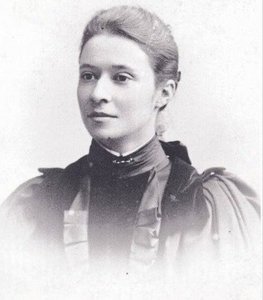
Mary Emily Eaton
1873 - 1961 , United Kingdom
Основные сведения
- Artistic Movement Or Style: Botanical Art
- Date Of Birth: November 27, 1873
- Date Of Death: August 4, 1961
- Full Name: Mary Emily Eaton
- Nationality: British
- Notable Artworks:
- Moon Cactus
- Heliocereus elegantissimus
- Illustrations of multiple cactus species
- Place Of Birth: Coleford, United Kingdom