

 Предпросмотр
 Поделиться
 Поделиться
 Детали произведения

 Скачать
 Похожие работы
 Рентгенография
 Слайд-шоу
 Статистика
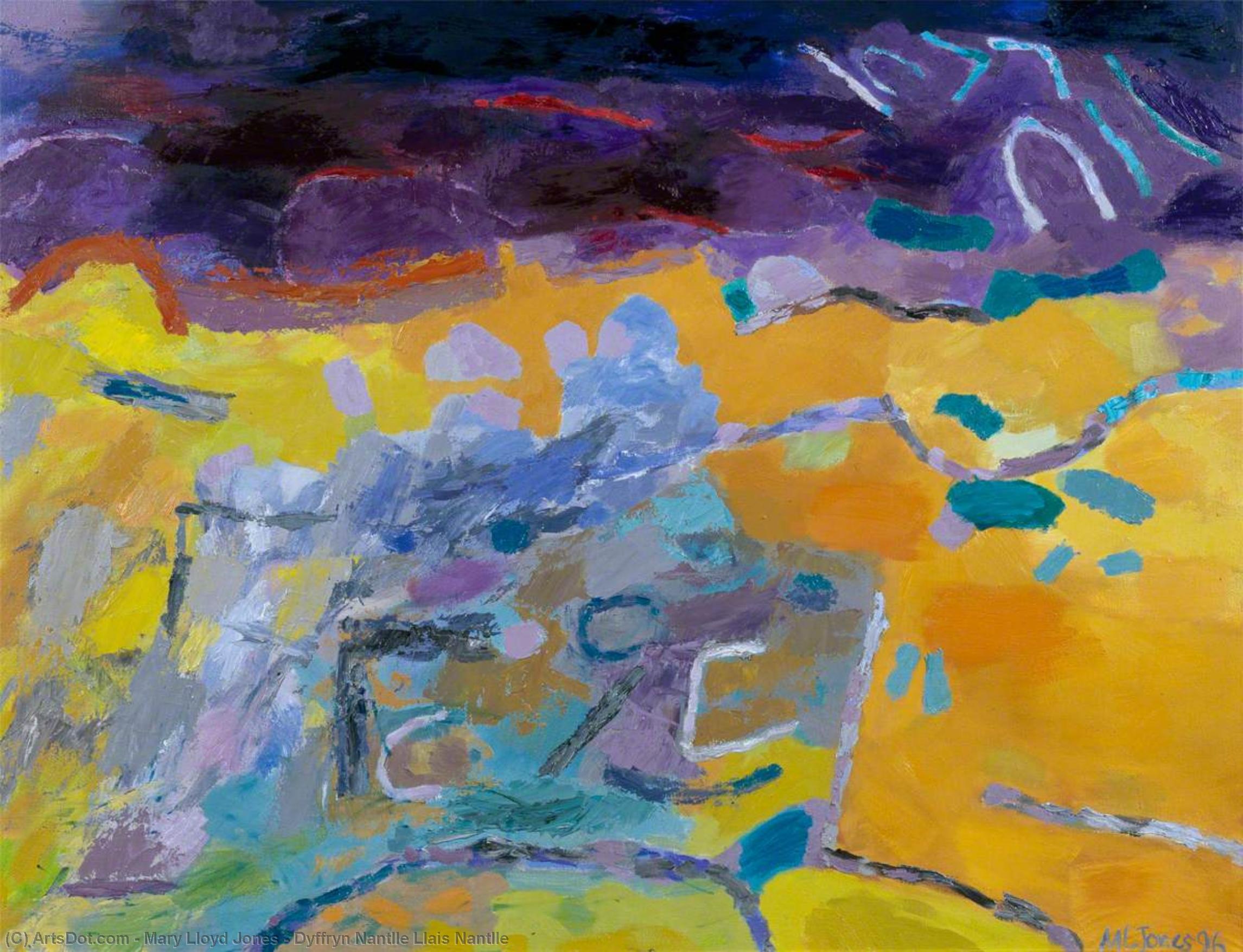
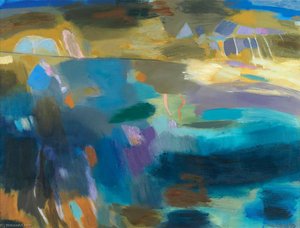
Dyffryn Nantlle Llais Nantlle
 Oil On Canvas
- WallArt
- Contemporary Realism
 1996
1996- Contemporary
 89.0 x 119.0 cm
 Национальная библиотека Уэльса
 Читать далее
Приобретите цифровое изображение высокого разрешения в улучшенном качестве, которое значительно превосходит онлайн-превью.
Каждый файл тщательно подготавливается нашими специалистами с использованием передовых инструментов и экспертной ручной ретуши. Мы гарантируем исключительную четкость, точную цветопередачу и детальную проработку каждого изображения.
Финальный файл доставляется по электронной почте в течение 72 часов и оптимизирован для немедленного использования в профессиональной среде, при верстке и печати. Это тот же уровень качества, которому доверяют ведущие дизайнерские студии, издательства и галереи.
Цифровое изображение
Скачайте файл высокого разрешения для личного использования, печати и творческих проектов. ( Перейти к печати Купить картину ручной работы)
Включено в каждый заказ цифровых изображений
Гарантия экспертной цифровой доставки
Выбирая ArtsDot.com, вы получаете не просто изображение — вы приобретаете профессионально обработанное цифровое произведение искусства, созданное с безупречной точностью и под защитой гарантии качества. Вот всё, что автоматически входит в ваш заказ:

Мгновенная доставка по e-mail
Ваш цифровой файл в высоком разрешении будет отправлен вам по электронной почте в течение 72 часов после оформления заказа — и сразу станет доступен для использования.

Цифровой файл с ИИ-улучшением
Ваше произведение искусства проходит профессиональную оптимизацию с использованием передовых инструментов ИИ и ручной обработки, что гарантирует максимальную детализацию, четкость и точность цветопередачи.

Бессрочная бесплатная повторная доставка
Случайно удалили или потеряли файл? Не беспокойтесь — мы отправим его вам повторно в любое время и совершенно бесплатно.

Без импортных пошлин — навсегда
Наслаждайтесь вашим произведением искусства мгновенно без таможенных пошлин, сборов или затрат на доставку — цифровые загрузки всегда не облагаются налогом.

Гарантия точности цветопередачи
Мы гарантируем, что ваше цифровое изображение максимально точно передает оригинальные цвета благодаря использованию профессиональных инструментов и систем управления цветом.

Гарантия удовлетворенности 100 дней
Если вы не будете удовлетворены своим цифровым изображением, мы внесем правки или вернем 100% стоимости в течение 100 дней — без лишних вопросов.

100% Гарантия возврата средств
Не удовлетворены покупкой? Получите полный возврат средств в течение 100 дней после получения цифрового файла — без лишних вопросов.

Скидки на оптовые заказы
Купите 3 изображения, сэкономьте 10% — Купите 5, сэкономьте 15% — Купите 10+, сэкономьте 20%. Отличное решение для творческих проектов, галерей и агентств.
A Symphony of Welsh Landscapes
In the evocative oil on canvas masterpiece, Dyffryn Nantlle Llais Nantlle, the viewer is transported into a breathtaking vision of the Welsh countryside, where the earth and sky engage in a vibrant, chromatic dialogue. Created by the skilled hand of Mary Lloyd Jones, this expansive work captures more than just a geographical location; it captures a fleeting moment of atmospheric brilliance. The composition is anchored by a rich tapestry of colors, where deep purples and violets meet the warm, sun-kissed glows of yellow and orange. This palette suggests a landscape caught in the magical transition of twilight or perhaps the first light of a breaking dawn, casting a dreamlike quality over the rolling terrain.
The technique employed by Jones brings a remarkable sense of texture and life to the canvas. Through masterful brushwork, she breathes vitality into the various layers of the scene, from the detailed foliage of the foreground trees to the distant, imposing silhouettes of the mountains. The interplay of light and shadow creates a profound sense of depth, pulling the observer’s eye through the valley and toward the horizon. The sky, heavy with soft, swirling clouds, adds an element of drama and movement, suggesting the ever-changing temperament of nature that is so characteristic of the United Kingdom's rugged landscapes.
Emotional Resonance and Interior Elegance
Beyond its technical brilliance, Dyffryn Nantlle Llais Nantlle serves as a profound emotional experience. There is a certain nostalgia embedded in the layers of paint—a longing for the quiet majesty of the natural world. The painting evokes feelings of serenity, awe, and a deep connection to the ancestral beauty of the Welsh valleys. For the collector or art enthusiast, this piece offers a window into a peaceful realm, making it an ideal centerpiece for those looking to introduce a sense of tranquility and grandeur into their living spaces.
For interior designers and decorators, this artwork presents a versatile yet commanding presence. Its large scale and rich, saturated tones make it a magnificent focal point for sophisticated residential or commercial settings. Whether placed in a sunlit gallery-style hallway or anchored within a contemporary lounge, the painting’s ability to harmonize with both modern and traditional aesthetics is unparalleled. A high-quality reproduction of this work allows one to possess not just a piece of art, but an atmosphere—a permanent invitation to wander through the luminous valleys of the mind.
Похожие произведения

Биография художника
Raymond Saunders: A Weaver of Urban Landscapes
Raymond Saunders (1934–2025) emerged as a significant figure in American art during the latter half of the 20th century, distinguished by his unique approach to assemblage and painting. His work, often described as “urban poetry,” masterfully blended formal artistic training with deeply rooted observations of the city—particularly Pittsburgh—creating layered narratives that invite prolonged contemplation. Saunders’s legacy lies not just in individual artworks but also in his pioneering role in challenging conventional notions of representation and embracing a distinctly personal visual language.
Born in Pittsburgh, Pennsylvania, Saunders's artistic journey began unexpectedly. He initially pursued a path in architecture, earning degrees from the Carnegie Institute of Technology (now Carnegie Mellon University) and the Rhode Island School of Design. However, it was his early exposure to art through his mentor, Joseph C. Fitzpatrick—the director of art for Pittsburgh’s public schools—that truly ignited his passion. Fitzpatrick's influence extended beyond simply providing instruction; he fostered a network of young artists including Andy Warhol, Philip Pearlstein, and Mel Bochner, creating an environment ripe with creative exchange. This early connection to the arts, coupled with a scholarship to the Pennsylvania Academy of Fine Arts in Philadelphia, laid the foundation for Saunders’s distinctive style.
Saunders's artistic practice evolved significantly throughout his career. Initially influenced by abstract expressionism—particularly the work of Francis Bacon—he gradually incorporated found objects, signs, and architectural fragments into his paintings. This shift towards assemblage wasn’t merely a stylistic choice; it reflected a deep engagement with the urban environment. He meticulously collected these elements from Pittsburgh's streets, documenting their textures, colors, and spatial relationships. These materials weren’t simply pasted onto canvases; they were integrated into complex compositions that explored themes of memory, identity, and the fragmented nature of modern life. His 1967 pamphlet, *Black Is a Color*, stands as a testament to this intellectual rigor, directly challenging reductive interpretations of Black artistic expression and advocating for a separation between identity and art.
Saunders’s work gained considerable recognition in the late 1960s and early 1970s. Solo exhibitions at galleries like Terry Dintenfass Gallery in New York showcased his evolving style, attracting critical attention from prominent figures in the art world. His paintings became increasingly layered and intricate, reflecting a growing interest in geometry, architecture, and color theory—influences he explored alongside his fellow artists in a discussion group centered around these concepts. The incorporation of found objects wasn’t arbitrary; it served as a means to disrupt traditional modes of representation and create visual dialogues between the familiar and the unexpected. His work moved beyond mere depiction, becoming a meditation on the experience of urban space.
Saunders's artistic output spanned several decades, marked by continued experimentation and a steadfast commitment to his unique vision. He taught at California State University, Hayward, and later at his alma mater, California College of the Arts, where he held the distinguished title of professor emeritus. His legacy extends beyond individual artworks; he fostered a dialogue between formal training and lived experience, demonstrating how observation, memory, and personal reflection could be translated into powerful visual narratives. Raymond Saunders’s paintings remain compelling examples of American art in the latter half of the 20th century, offering viewers an invitation to engage with the complexities and nuances of urban life.
Sir Frank Bowling: A Pioneer of Color and Texture
Sir Frank Bowling OBE RA (born February 26, 1934) is a British painter renowned for his groundbreaking explorations of color, texture, and abstraction. His career, spanning over six decades, has been marked by a relentless pursuit of innovative techniques and a profound engagement with the history of art, particularly the work of European masters like Constable, Turner, and Gainsborough. Bowling’s paintings are characterized by their vibrant hues, layered surfaces, and often dreamlike quality, inviting viewers to immerse themselves in a world of shifting perceptions and emotional resonance.
Born in Bartica, British Guiana (now Guyana), Bowling's early life was shaped by his family’s background as traders and merchants. His mother, Agatha, ran a successful dressmaking shop, providing him with an appreciation for color, pattern, and the tactile qualities of fabric. This early exposure to visual culture would profoundly influence his artistic development. He moved to London in 1953, enrolling at Regent Street Polytechnic, Chelsea School of Art, and later the City and Guilds of London Art School. It was during this period that he encountered the work of Francis Bacon, a pivotal encounter that shaped his approach to painting—a move towards expressive abstraction rooted in figurative forms.
Bowling’s artistic journey took an unexpected turn when he married Paddy Kitchen, who worked as a registrar at the Royal College of Art. Their relationship was complicated by college regulations prohibiting relationships between staff and students, leading to Bowling's suspension and a brief period at the Slade School of Art. Despite these challenges, he continued to develop his practice, experimenting with various techniques and materials. His early work, exhibited in 1962 alongside Derek Boshier, demonstrated his growing interest in abstraction and the interplay between color and form.
A significant turning point in Bowling’s career came in 1964 when he began incorporating found objects—signs, maps, and other urban detritus—into his paintings. This marked a shift towards assemblage, reflecting his deep engagement with the visual landscape of London. His use of color became increasingly bold and expressive, often employing layered washes and iridescent pigments to create shimmering surfaces that seemed to vibrate with energy. Works like *Mirror* (1964-6) exemplify this approach, blending abstract forms with recognizable imagery in a complex and evocative composition.
Throughout his career, Bowling remained committed to pushing the boundaries of painting, experimenting with new techniques and materials. He was awarded an OBE in 2003 and became a Royal Academician in 2006, recognizing his significant contributions to British art. His paintings have been exhibited extensively both nationally and internationally, solidifying his position as one of the most important figures in contemporary abstract painting. Sir Frank Bowling’s legacy lies not only in his innovative techniques but also in his willingness to challenge conventional notions of representation and explore the expressive potential of color and texture.
mary lloyd jones
1934 -