

 Предпросмотр
 Поделиться
 Поделиться
 Детали произведения

 Скачать
 Похожие работы
 Рентгенография
 Слайд-шоу
 Статистика
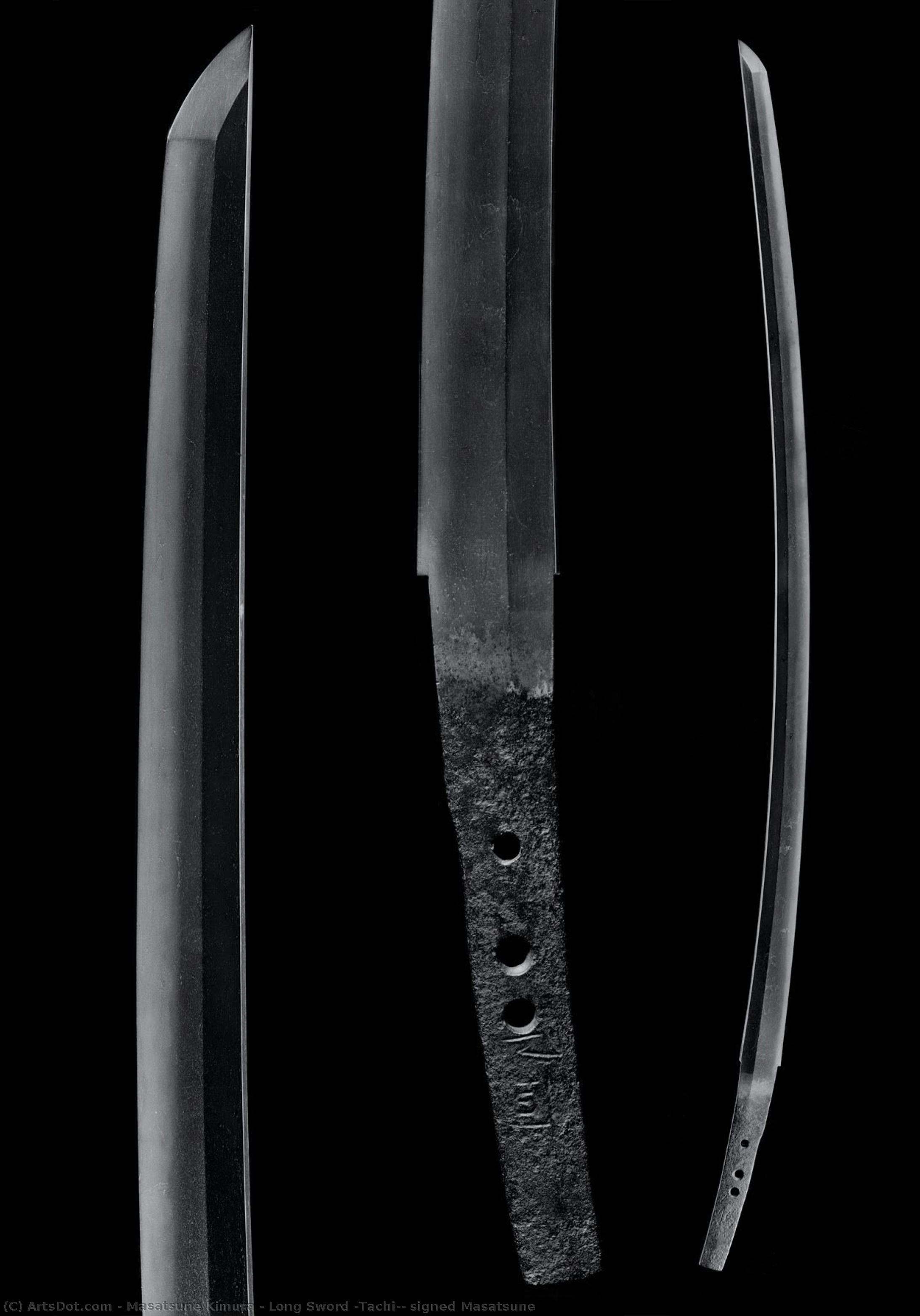
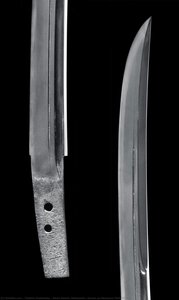
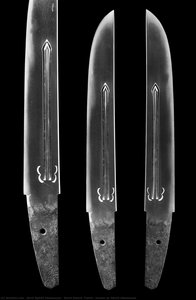
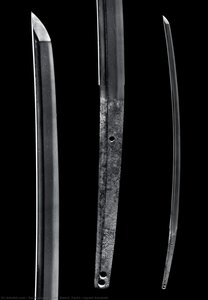
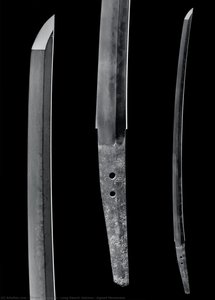
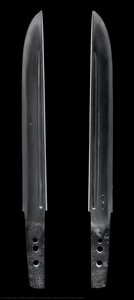
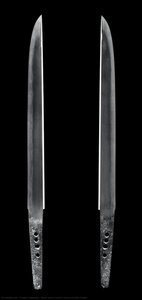
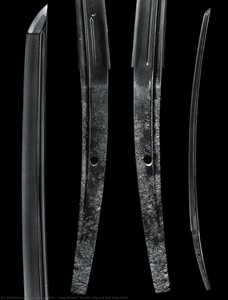
Long Sword (Tachi), signed Masatsune


 Читать далее
Жикле / Арт-принт
Печать (жикле) или холст музейного качества с быстрыми сроками изготовления и широким выбором вариантов отделки. ( Купить картину ручной работы Перейти к цифровым изображениям)




































Выберите один из наших стандартных размеров, соответствующих оригинальным пропорциям произведения искусства.

Вы можете указать свои собственные размеры, чтобы репродукция идеально подошла под конкретную раму или пространство. Если выбранный вами размер не будет соответствовать пропорциям оригинала, мы либо обрежем произведение, либо дополним изображение зеркальным отражением краев или однотонной заливкой. Перед началом производства вам будет отправлен цифровой макет для утверждения.
Пожалуйста, обратите внимание, что предварительный просмотр на экране не отображает фактическую обрезку или расширение изображения. Только макет точно покажет финальную композицию.
Несмотря на возможность заказа индивидуальных размеров, мы рекомендуем выбирать размер из предопределенного списка, чтобы сохранить оригинальные пропорции.
Доставка по всему миру () за 2 недели вместо стандартных 4/5 недель. (11 Сентябрь)

Бесплатная экспресс-доставка по всему миру

Высококачественный льняной холст

Полное страхование доставки

Гарантия возмещения таможенных пошлин

Гарантия точного соответствия цветов

100-дневная политика возврата (только при обнаружении дефектов)

Гарантия возврата 100% средств

Предложение оптовых скидок
 Вариант со стеклом доступен только для размеров менее 110 см

Long Sword (Tachi), signed Masatsune
Жикле / Арт-принт
Размер репродукции
-


Итоговая стоимость
$ 62
Похожие произведения
Биография художника
The Soul of the Blade: The Life and Artistry of Masatsune Kimura
In the heart of the Edo period, a time of profound cultural transition in Japan, the name Masatsune Kimura emerged as a symbol of both martial precision and delicate aesthetic grace. Born in Tokyo in 1827, Kimura was far more than a mere craftsman; he was a visionary who bridged the gap between the lethal utility of the samurai sword and the contemplative beauty of fine art. His life, spanning from the twilight of the old shogunate to the dawn of a modernizing Japan, was defined by a relentless pursuit of perfection, whether expressed through the rhythmic strike of a hammer on steel or the fluid motion of a calligraphy brush.
Kimura’s journey began in the rigorous atmosphere of traditional apprenticeships. Immersed in the secretive and demanding world of metallurgy, he learned to listen to the song of the metal, understanding how heat, pressure, and carbon could transform raw iron into a legendary weapon. This early training was deeply infused with the principles of Zen Buddhism, which taught him that true mastery requires a state of meditative focus and an intimate connection with the natural world. To Kimura, the forging process was a spiritual endeavor, where every fold of the steel represented a layer of discipline and intention.
A Legacy Forged in Imperial Honor
The pinnacle of Kimura’s professional life arrived with his appointment as chief swordsmith by Emperor Yoshinomiya Fushimi. This prestigious role placed him at the center of Japan's highest social and political circles, tasking him with the creation of weapons destined for imperial use. Such a responsibility demanded an unprecedented level of technical prowess, as these blades had to embody the strength of the empire while maintaining an exquisite elegance. His katana and tachi designs became renowned for their harmonious balance, featuring edges that were devastatingly sharp yet surfaces that possessed a mesmerizing, flowing beauty.
Beyond the forge, Kimura’s artistic spirit found expression in the delicate arts of calligraphy and painting. He did not see these disciplines as separate from his swordsmithing, but rather as different manifestations of the same underlying truth: the importance of line, balance, and breath. His calligraphic works often reflected the same strength and decisiveness found in his blades, while his paintings captured the ephemeral beauty of the Japanese landscape with a meticulousness that mirrored his metallurgical precision.
Historical Significance and Enduring Influence
The historical significance of Masatsune Kimura lies in his ability to preserve ancient traditions while navigating a period of immense upheaval. As Japan moved away from the era of the samurai, Kimura’s work served as a vital link to a vanishing way of life. His achievements can be summarized through several key pillars of his legacy:
- Technical Innovation: He elevated the standards of Japanese swordmaking by refining forging methods that enhanced both the durability and the aesthetic allure of the blade.
- Cultural Synthesis: He successfully integrated the martial discipline of the swordsmith with the refined sensibilities of a classical painter and calligrapher.
- Imperial Recognition: His service to the Emperor solidified his status as one of the most respected artisans of the 19th century, ensuring his techniques were documented and revered.
- Spiritual Artistry: By applying Zen principles to his craft, he transformed functional weaponry into objects of profound philosophical and artistic contemplation.
Today, the works associated with Masatsune Kimura are regarded as much more than historical artifacts; they are masterpieces of human achievement. Whether one is examining the intricate grain of a tachi or the sweeping strokes of his calligraphy, the presence of Kimura’s soul remains palpable—a testament to a man who mastered the art of capturing both the strength of steel and the lightness of spirit.
masatsune kimura
1827 - 1890 , Japan
Основные сведения
- Artistic Movement Or Style: Sword-making art
- Date Of Birth: Tokyo, Japan (1827)
- Full Name: Masatsune Kimura
- Nationality: Japanese
- Notable Artworks: ['Long Sword (Tachi), signed Masatsune']
- Place Of Birth: Tokyo
Похожие статьи

Witnessing History Through Lens & Light: Documentary Photography's Enduring Legacy
Explore the powerful history of documentary photography – from its origins to contemporary masters like Gordon Parks & W. Eugene Smith. Discover how this art form shapes our understanding of society and witness pivotal moments in time.

Beyond the Lens: Photography's Enduring Influence on Modern & Contemporary Art
Explore photography's pivotal role in shaping modern & contemporary art. Discover key movements, influential artists like Stieglitz, and expert collecting advice from ArtsDot.

Pictorialism: A Search for Artistic Photography's Soul – Aesthetics, Techniques & Legacy
Explore the captivating world of Pictorialism – a pivotal movement that transformed photography into fine art. Discover key artists like Stieglitz & Käsebier, techniques, and collecting tips from experts.

Monochrome Visions: Exploring the Aesthetic & Historical Significance of Black & White Photography
Explore the rich history & artistic power of black and white photography. From early techniques to iconic masters like Ansel Adams, discover why monochrome continues to captivate art lovers today. Expert insights for collectors.

Топ-10 шедевров документальной фотографии: искусство, изменившее взгляд на мир | ArtsDot.com
Топ-10 шедевров документальной фотографии, изменивших мир искусства. Узнайте истории культовых фотографов и их работ, вдохновившихся реализмом и социальными темами. Репродукции высокого качества на ArtsDot.com – для вашего интерьера!