

 Предпросмотр
 Поделиться
 Поделиться
 Детали произведения

 Скачать
 Похожие работы
 Рентгенография
 Слайд-шоу
 Статистика
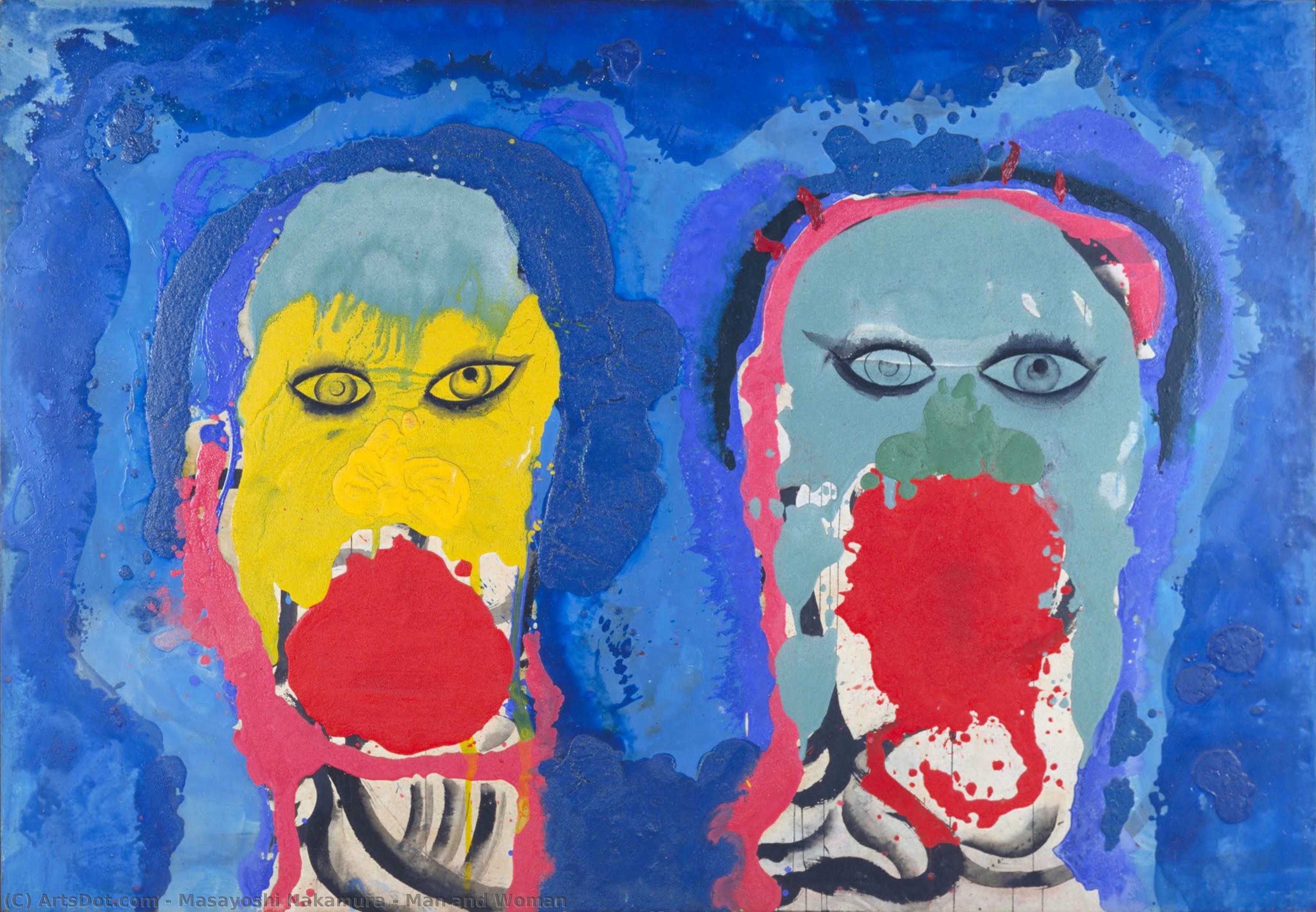
Man and Woman
 Painting
- Contemporary Art
 1963
1963- Contemporary
 182.0 x 259.0 cm
 Nagoya City Art Museum
 Читать далее
Приобретите цифровое изображение высокого разрешения в улучшенном качестве, которое значительно превосходит онлайн-превью.
Каждый файл тщательно подготавливается нашими специалистами с использованием передовых инструментов и экспертной ручной ретуши. Мы гарантируем исключительную четкость, точную цветопередачу и детальную проработку каждого изображения.
Финальный файл доставляется по электронной почте в течение 72 часов и оптимизирован для немедленного использования в профессиональной среде, при верстке и печати. Это тот же уровень качества, которому доверяют ведущие дизайнерские студии, издательства и галереи.
Цифровое изображение
Скачайте файл высокого разрешения для личного использования, печати и творческих проектов. ( Перейти к печати Купить картину ручной работы)
Включено в каждый заказ цифровых изображений
Гарантия экспертной цифровой доставки
Выбирая ArtsDot.com, вы получаете не просто изображение — вы приобретаете профессионально обработанное цифровое произведение искусства, созданное с безупречной точностью и под защитой гарантии качества. Вот всё, что автоматически входит в ваш заказ:

Мгновенная доставка по e-mail
Ваш цифровой файл в высоком разрешении будет отправлен вам по электронной почте в течение 72 часов после оформления заказа — и сразу станет доступен для использования.

Цифровой файл с ИИ-улучшением
Ваше произведение искусства проходит профессиональную оптимизацию с использованием передовых инструментов ИИ и ручной обработки, что гарантирует максимальную детализацию, четкость и точность цветопередачи.

Бессрочная бесплатная повторная доставка
Случайно удалили или потеряли файл? Не беспокойтесь — мы отправим его вам повторно в любое время и совершенно бесплатно.

Без импортных пошлин — навсегда
Наслаждайтесь вашим произведением искусства мгновенно без таможенных пошлин, сборов или затрат на доставку — цифровые загрузки всегда не облагаются налогом.

Гарантия точности цветопередачи
Мы гарантируем, что ваше цифровое изображение максимально точно передает оригинальные цвета благодаря использованию профессиональных инструментов и систем управления цветом.

Гарантия удовлетворенности 100 дней
Если вы не будете удовлетворены своим цифровым изображением, мы внесем правки или вернем 100% стоимости в течение 100 дней — без лишних вопросов.

100% Гарантия возврата средств
Не удовлетворены покупкой? Получите полный возврат средств в течение 100 дней после получения цифрового файла — без лишних вопросов.

Скидки на оптовые заказы
Купите 3 изображения, сэкономьте 10% — Купите 5, сэкономьте 15% — Купите 10+, сэкономьте 20%. Отличное решение для творческих проектов, галерей и агентств.
A Visual Symphony of Color and Form
In the evocative masterpiece Man and Woman, created in 1963 by the Japanese visionary Masayoshi Nakamura, we are invited into a dreamscape where the boundaries between identity and object dissolve. This striking work presents a dual portrait, featuring two faces positioned on opposite sides of the canvas, their features defined by startlingly vibrant red lips and eyes. These crimson accents serve as the emotional heartbeat of the piece, cutting through the cool, contemplative depths of the blue background. The composition is not merely a study of human likeness but a surrealist arrangement of symbols that challenges the viewer to find meaning within a fragmented reality.
The painting operates with a rhythmic intensity reminiscent of Nakamura’s musicality. As an artist deeply influenced by the improvisational spirit of free jazz, his approach to the canvas mirrors the spontaneous yet structured nature of a saxophone solo. The placement of disparate elements—a whimsical apple nestled near the center, a ticking clock on the periphery, and a solitary handbag—creates a narrative that feels both intimate and enigmatic. These objects act as silent protagonists, contributing to a sense of "still life" that is anything but still; they pulse with a latent energy that suggests a story unfolding in the quiet spaces between breaths.
Symbolism and the Art of the Surreal
To gaze upon Man and Woman is to engage in a dialogue with the subconscious. The juxtaposition of the human faces with mundane objects like the clock and the handbag evokes a sense of temporal and domestic tension. The clock, often a symbol of mortality and the relentless passage of time, stands in stark contrast to the vibrant, almost eternal vitality of the red-lipped figures. This interplay suggests a meditation on the fleeting nature of human experience versus the enduring presence of memory and objecthood. The apple, a perennial symbol of temptation, knowledge, or even the earth itself, anchors the composition, providing a focal point that bridges the gap between the two faces.
Nakamura’s technique utilizes color to manipulate mood and depth. The deep, atmospheric blues do not merely serve as a backdrop; they create an oceanic space of silence and introspection, allowing the warmer tones of the faces and the fruit to emerge with startling clarity. For the collector or interior designer, this piece offers a profound emotional resonance. It is a work that demands attention through its bold chromatic contrasts while simultaneously offering a sanctuary of contemplative blue. Whether placed in a modern gallery setting or as a centerpiece in a sophisticated residential space, Man and Woman serves as a conversation starter, inviting guests to ponder the beautiful, surreal intersections of life, time, and art.
Похожие произведения
Биография художника
Masayoshi Nakamura: A Silent Dialogue Between Saxophone and Canvas
Born in Japan around 1965, Masayoshi Urabe – often referred to as Masayoshi Nakamura – is a singular figure navigating the intersection of Japanese musical tradition and contemporary abstract art. His journey has been one of quiet intensity, marked by a deeply personal approach to both free improvisation on the alto saxophone and an equally contemplative style of painting. While information surrounding his artistic development remains somewhat elusive, a portrait emerges of an artist profoundly shaped by his musical explorations and a commitment to creating works that resonate with a profound sense of space and silence.
Nakamura’s early life laid the groundwork for his distinctive approach. Comparisons to the late Japanese free jazz saxophonist Kaoru Abe are frequently drawn, highlighting a shared sensibility regarding extended silences and a rejection of conventional musical structures. This influence is readily apparent in his music, characterized by long, laden pauses that aren't merely gaps but rather integral components of the sonic landscape – moments for reflection, breath, and an unspoken dialogue between instruments. He has actively collaborated with a diverse range of musicians within Japan’s underground scene, including Chie Mukai (known as Che-Shizu), Kan Mikami (Sanjah), Hiroshi Hasegawa (Astro), Junko (Hijokaidan), and the psychedelic rock group Kousokuya. These collaborations have undoubtedly shaped his musical vocabulary, fostering a deep understanding of collective improvisation and the power of shared space.
The Language of Silence: Music as Inspiration
Nakamura’s music isn't simply about notes; it’s about the spaces *between* them. The extended silences he employs are not empty, but rather pregnant with potential, inviting the listener to project their own experiences and emotions onto the soundscape. This approach has been likened to that of John Coltrane and Ornette Coleman – masters of improvisation who utilized silence as a crucial element of their musical expression. However, Nakamura’s use of silence is uniquely rooted in his Japanese artistic sensibility, reflecting a cultural emphasis on restraint, contemplation, and the beauty of understated emotion.
It's within this framework that we begin to understand the genesis of his painting practice. While less documented than his musical career, there’s evidence suggesting a direct correlation between his musical explorations and his visual work. The same principles of space, silence, and deliberate pauses inform both disciplines, creating a cohesive artistic vision centered on exploring the intangible – the unspoken, the felt, rather than the seen or heard.
A Canvas of Quietude: Exploring Nakamura’s Paintings
Despite limited public exposure, Masayoshi Nakamura's paintings offer a glimpse into a world of subtle textures and evocative abstraction. Works can be found on platforms like ArtsDot.com, suggesting a dedication to his craft that extends beyond the immediate spotlight. His style appears to lean towards minimalist abstraction, utilizing muted colors and gestural marks to create compositions that are both visually arresting and profoundly contemplative. There’s a sense of vulnerability and honesty in his work – an invitation to engage with the painting on a purely emotional level, without the need for intellectual interpretation.
It's important to note that Nakamura’s artistic journey is not simply about replicating established styles; it’s about forging a unique voice through experimentation and introspection. The influence of various art movements can be detected in his work, but ultimately, he has developed a distinct aesthetic characterized by its quiet intensity and profound sense of space.
Legacy and Continuing Exploration
Masayoshi Nakamura represents a compelling example of an artist who defies easy categorization. He is a musician first and foremost, yet his musical explorations have profoundly shaped his visual practice. His work stands as a testament to the power of silence, the beauty of restraint, and the enduring influence of Japanese artistic traditions. While further research into his life and work remains ongoing, Nakamura’s commitment to exploring the intangible through both music and painting ensures that his voice will continue to resonate within the contemporary art world.
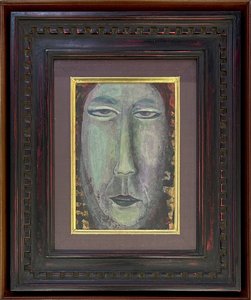
masayoshi nakamura
1965 - , Japan
Основные сведения
- Artistic Movement Or Style: Free improvisation, Abstract art
- Artists Or Movements Influenced By This Artist:
- John Coltrane
- Ornette Coleman
- Artists Who Influenced This Artist: ['Kaoru Abe']
- Date Of Birth: Unknown (1965)
- Date Of Death: Living
- Full Name: Masayoshi Nakamura / Urabe
- Nationality: Japanese
- Notable Artworks: ['Various paintings']
- Place Of Birth: Japan