

 Предпросмотр
 Поделиться
 Поделиться
 Детали произведения

 Скачать
 Похожие работы
 Рентгенография
 Слайд-шоу
 Статистика
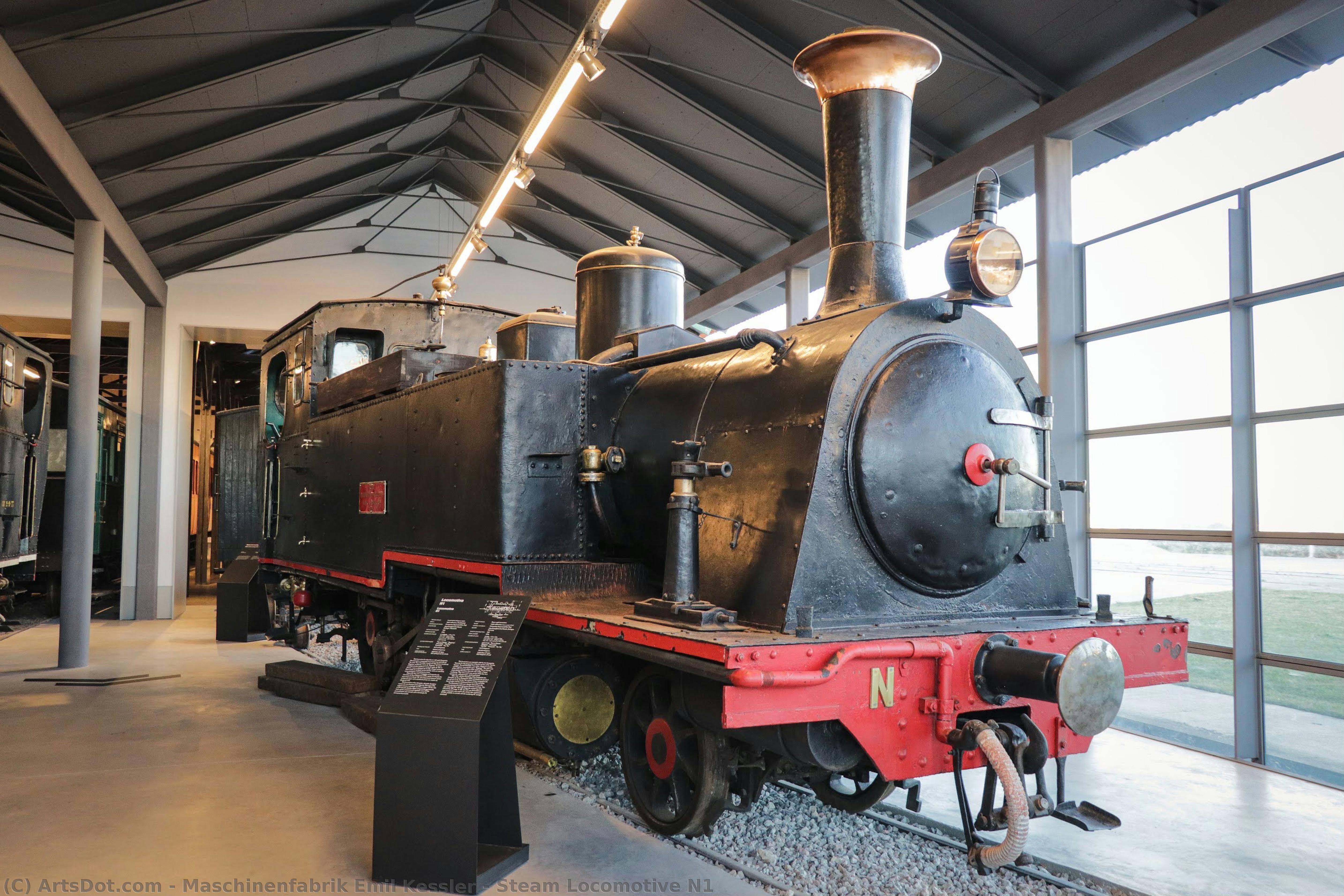
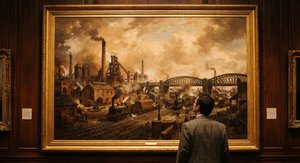
Steam Locomotive N1


 Читать далее
Масляная репродукция ручной работы
Картина маслом на холсте в выбранном вами размере и раме, написанная на заказ нашими художниками. ( Перейти к печати Перейти к цифровым изображениям)




































Выберите один из наших стандартных размеров, соответствующих оригинальным пропорциям произведения искусства.

Вы можете указать собственные размеры, чтобы картина идеально вписалась в выбранную раму или пространство. Если выбранный вами размер не соответствует пропорциям оригинала, мы либо обрежем полотно, либо расширим его за счет дополнительных элементов, написанных вручную. Цифровой макет будет отправлен вам на утверждение перед началом производства.
Обратите внимание, что предварительный просмотр на экране не отражает фактическую обрезку или расширение. Только макет точно покажет окончательную композицию.
Хотя доступны индивидуальные размеры, мы рекомендуем выбирать вариант из предопределенного списка, чтобы сохранить исходные пропорции.
После оформления заказа команда ArtsDot.com свяжется с клиентом по электронной почте для уточнения деталей и предоставит предварительный макет
Доставка по всему миру () за 3–4 недели вместо стандартных 5 недель. (12 Сентябрь). Без компромиссов в качестве.

Бесплатная экспресс-доставка по всему миру

Высококачественный льняной холст

Полное страхование доставки

Гарантия возмещения таможенных пошлин

Гарантия точного соответствия цветов

100-дневная политика возврата (только при обнаружении дефектов)

Гарантия возврата 100% средств

Предложение оптовых скидок
 Вариант со стеклом доступен только для размеров менее 110 см

Steam Locomotive N1
Техника репродукции
Размер репродукции
-


Итоговая стоимость
$ 263
Похожие произведения
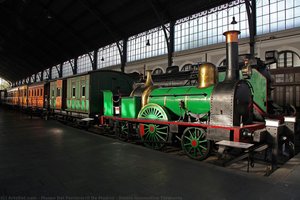
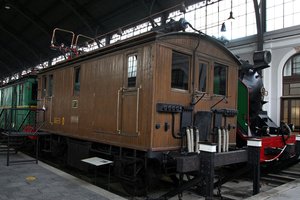
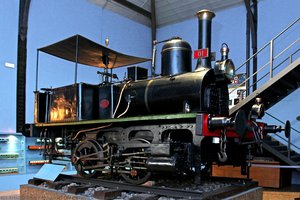
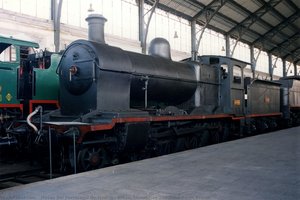
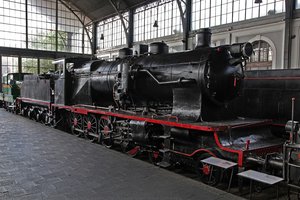
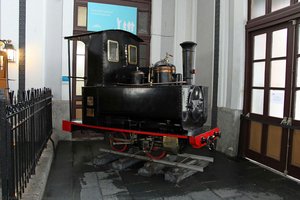
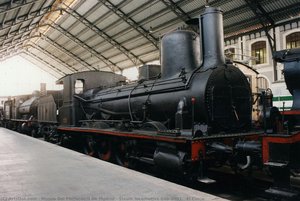
Биография художника
Emil Kessler: Pioneer of German Railway Engineering
Emil Julius Carl Kessler (August 20, 1813 – March 16, 1867) stands as a pivotal figure in the annals of German industrial history and railway innovation. Born in Baden-Baden, he embarked on a path that would transform him into not merely a businessman but also the visionary founder of Maschinenfabrik Esslingen—a workshop that irrevocably shaped the trajectory of locomotive manufacturing and contributed significantly to the burgeoning infrastructure of Prussia and Württemberg.- Early Life & Education: Kessler’s formative years were marked by meticulous study, culminating in degrees in constructional and mechanical engineering from Karlsruhe University. This academic grounding provided him with the foundational knowledge necessary for his subsequent endeavors.
- The Founding of Maschinenfabrik Esslingen (1846): Driven by a desire to foster independent German locomotive production—free from reliance on foreign expertise—Kessler partnered with Theodor Martiensen in Stuttgart. Recognizing the potential of Württemberg’s ambitions within the railway sector, they established Maschinenfabrik Esslingen, leveraging Kessler's prior experience at Karlsruhe’s engineering works.
- Innovation & Locomotive Design: From its inception, Esslingen distinguished itself through groundbreaking locomotive designs—most notably the N1 and E55 classes—which embodied a commitment to efficiency and reliability. Kessler’s meticulous attention to detail and his understanding of thermodynamics propelled Esslingen to the forefront of technological advancement.
- Royal Patronage & Expansion: The Württemberg Royal Railway Commission swiftly recognized Esslingen's capabilities, awarding it contracts for locomotive construction and railway infrastructure projects. This patronage fueled rapid growth and solidified Esslingen’s position as a cornerstone of Prussia’s industrial landscape.
The Birth of the N1 Locomotive & Its Impact
Perhaps Kessler's most enduring legacy resides in the development of the N1 locomotive—a masterpiece of engineering that debuted in 1841. Commissioned by the Grand Duchy of Baden State Railway, this engine represented a triumph of innovation and symbolized Württemberg’s determination to establish its own railway industry. Its streamlined design and powerful performance established Esslingen as a leader in locomotive technology and cemented Kessler's reputation as a visionary engineer.A Legacy Forged in Steel & Steam
Kessler’s influence extended beyond locomotive construction; he spearheaded the creation of Maschinenbau-Gesellschaft Karlsruhe, furthering Württemberg’s railway ambitions. The establishment of this new facility underscored Kessler's unwavering dedication to bolstering Germany’s industrial prowess and securing its role as a dominant force in European transportation.Recognition & Remembrance
Emil Kessler died unexpectedly in Esslingen am Neckar on March 16, 1867, succumbing to a heart attack—a tragic end for a man who had devoted his life to advancing the art of engineering and shaping the future of German railways. His contributions continue to inspire admiration within the engineering community and serve as a testament to the transformative power of vision and perseverance.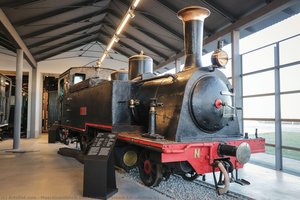
maschinenfabrik emil kessler
1813 - 1867 , Germany
Основные сведения
- Artistic Movement Or Style: Industrial Design
- Artists Or Movements Influenced By This Artist: ['Ludwig Keßler']
- Artists Who Influenced This Artist: ['Victor Huster']
- Date Of Birth: August 20, 1813
- Date Of Death: March 16, 1867
- Full Name: Emil Julius Carl Kessler
- Nationality: German
- Notable Artworks: ['Badenia Steam Locomotive']
- Place Of Birth: Baden-Baden, Germany
Похожие статьи

Beyond the Lens: Photography's Enduring Influence on Modern & Contemporary Art
Explore photography's pivotal role in shaping modern & contemporary art. Discover key movements, influential artists like Stieglitz, and expert collecting advice from ArtsDot.
Индустриальный Шик в Искусстве: 10 Шедевров для Стильного Интерьера
Погрузитесь в мир индустриального искусства! 10 шедевров от Моне до Пикассо, отражающих эпоху перемен и городскую жизнь. Репродукции картин высокого качества для стильного интерьера на ArtsDot.com. Откройте всю коллекцию онлайн!

Pictorialism: A Search for Artistic Photography's Soul – Aesthetics, Techniques & Legacy
Explore the captivating world of Pictorialism – a pivotal movement that transformed photography into fine art. Discover key artists like Stieglitz & Käsebier, techniques, and collecting tips from experts.

Monochrome Visions: Exploring the Aesthetic & Historical Significance of Black & White Photography
Explore the rich history & artistic power of black and white photography. From early techniques to iconic masters like Ansel Adams, discover why monochrome continues to captivate art lovers today. Expert insights for collectors.

Witnessing History Through Lens & Light: Documentary Photography's Enduring Legacy
Explore the powerful history of documentary photography – from its origins to contemporary masters like Gordon Parks & W. Eugene Smith. Discover how this art form shapes our understanding of society and witness pivotal moments in time.