

 Предпросмотр
 Поделиться
 Поделиться
 Детали произведения

 Скачать
 Похожие работы
 Рентгенография
 Слайд-шоу
 Статистика
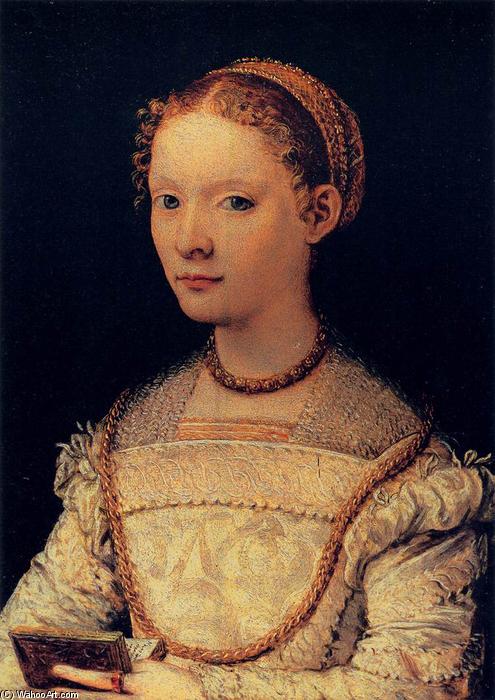
Portrait of Elena Gaddi Quartesi


 Читать далее
Жикле / Арт-принт
Печать (жикле) или холст музейного качества с быстрыми сроками изготовления и широким выбором вариантов отделки. ( Купить картину ручной работы Перейти к цифровым изображениям)




































Выберите один из наших стандартных размеров, соответствующих оригинальным пропорциям произведения искусства.

Вы можете указать свои собственные размеры, чтобы репродукция идеально подошла под конкретную раму или пространство. Если выбранный вами размер не будет соответствовать пропорциям оригинала, мы либо обрежем произведение, либо дополним изображение зеркальным отражением краев или однотонной заливкой. Перед началом производства вам будет отправлен цифровой макет для утверждения.
Пожалуйста, обратите внимание, что предварительный просмотр на экране не отображает фактическую обрезку или расширение изображения. Только макет точно покажет финальную композицию.
Несмотря на возможность заказа индивидуальных размеров, мы рекомендуем выбирать размер из предопределенного списка, чтобы сохранить оригинальные пропорции.
Доставка по всему миру () за 2 недели вместо стандартных 4/5 недель. (13 Сентябрь)

Бесплатная экспресс-доставка по всему миру

Высококачественный льняной холст

Полное страхование доставки

Гарантия возмещения таможенных пошлин

Гарантия точного соответствия цветов

100-дневная политика возврата (только при обнаружении дефектов)

Гарантия возврата 100% средств

Предложение оптовых скидок
 Вариант со стеклом доступен только для размеров менее 110 см

Portrait of Elena Gaddi Quartesi
Жикле / Арт-принт
Размер репродукции
-


Итоговая стоимость
$ 62
Похожие произведения
Биография художника
Maso da San Friano: Life and Legacy
Early Life and Training
Born Tommaso d'Antonio Manzuoli in 1531 in San Fiorano, Italy, Maso da San Friano was a Florentine painter active during the late Renaissance. His early life remains somewhat obscure, but it is known he received his artistic training in Florence. Accounts vary regarding his teachers; Giorgio Vasari attributes his apprenticeship to Pier Francesco Foschi, while others suggest Carlo Portelli as a more likely influence.
Artistic Development and Influences
Maso’s artistic development was shaped by the prevailing Mannerist style of Florence. He absorbed influences from both Foschi and Portelli, developing a distinctive approach characterized by elongated figures, dynamic compositions, and a refined sense of color. Notably, he also collaborated with the elder Michelangelo, gaining valuable experience on various projects. This exposure undoubtedly impacted his understanding of anatomy and dramatic expression.
Major Works and Achievements
- The Visitation (1560): Perhaps Maso’s most celebrated work, originally painted for the church of San Pier Maggiore in Florence, now resides in Trinity Hall Chapel, Cambridge. A similar version can be found in Prato Cathedral.
- Decoration of the Studiolo of Francesco I: He contributed two oval canvases to the studiolo (private study) of Francesco I de' Medici, depicting “The Fall of Icarus” and “Mining of Diamonds.” These works exemplify his Mannerist style with their unusual perspectives and detailed rendering.
- Portrait of Ferdinando I de’ Medici (1570): This portrait, housed in the town council hall of Prato, showcases Maso's skill as a portraitist and provides valuable insight into the appearance of the Medici family.
- Works in Ognissanti & Santa Felicita: After 1561, he undertook painting commissions for the churches of Ognissanti and Santa Felicita in Florence, further establishing his reputation within the city.
Style and Characteristics
Maso da San Friano’s style is firmly rooted in Mannerism, but with a tendency towards what is known as Counter-Maniera. This movement sought to temper the extreme artifice of earlier Mannerism with a greater emphasis on clarity, naturalism, and emotional expression. His paintings often feature:
- Elongated and graceful figures
- Complex compositions with dynamic poses
- Rich and vibrant color palettes
- Detailed rendering of textures and fabrics
- Anomalous perspective and affected milling in crowd scenes (particularly evident in “The Fall of Icarus”)
Historical Significance
Maso da San Friano occupies a significant, though often overlooked, position within the Florentine art scene of the 16th century. As a practitioner of Counter-Maniera, he helped bridge the gap between the highly stylized Mannerism and the emerging Baroque style. He influenced a generation of artists, including his pupils Jacopo da Empoli and Alessandro Fei. Interestingly, one of his paintings is believed to depict the earliest known representation of a wristwatch on Cosimo I de Medici, adding an intriguing historical detail to his legacy.
Death and Legacy
Maso da San Friano died in Florence in 1571. While not as widely celebrated as some of his contemporaries, his work continues to be appreciated for its technical skill, stylistic innovation, and contribution to the artistic landscape of Renaissance Italy.
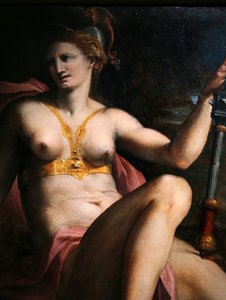
Maso da San Friano
1531 - 1571 , Italy
Основные сведения
- Birth Date: 1531
- Birth Place: San Fiorano, Italy
- Death Date: 1571
- Influenced:
- Jacopo da Empoli
- Alessandro Fei
- Influenced By:
- Pier Francesco Foschi
- Carlo Portelli
- Movement: Mannerism, Counter-Maniera
- Name: Maso da San Friano
- Nationality: Italian
- Notable Works: Visitation (Trinity Hall Chapel), Fall of Icarus, Portrait of Francesco I de' Medici
Похожие статьи
Antonello da Messina: Innovation, Devotion & the Sicilian Renaissance Master's Enduring Legacy
Explore the groundbreaking art of Antonello da Messina, a pivotal figure of the Renaissance. Discover his innovative oil painting techniques, captivating portraits, and lasting influence on Italian masters. Learn more at ArtsDot.
Antonio da Correggio: Innovation, Illusionism & the Poetics of Grace in Renaissance Painting
Explore the revolutionary art of Antonio da Correggio, a master of Renaissance illusionism and chiaroscuro. Discover his frescoes, mythological paintings & lasting influence on Baroque art. Expert analysis & key works featured.
Возрождение гуманизма: 10 шедевров искусства, изменивших мир | ArtsDot
Погрузитесь в эпоху Возрождения! 10 шедевров Леонардо да Винчи, Микеланджело и Рафаэля, отражающих гуманизм. Узнайте историю создания культовых картин и найдите идеальную репродукцию для вашего интерьера на ArtsDot.com
Леонардо да Винчи: Топ-25 шедевров для ценителей искусства и роскошного интерьера
Погрузитесь в мир гения Леонардо да Винчи! 25 шедевров эпохи Возрождения, истории создания картин и техники великого мастера. Репродукции высокого качества для вашего интерьера на ArtsDot.com. Откройте всю коллекцию онлайн!
Leonardo da Vinci: A Renaissance Master’s Synthesis of Art, Science & Human Observation – Reinterpreted for the Collector
Explore Leonardo da Vinci’s timeless masterpieces with ArtsDot. Discover insights into his art, science, and legacy – trusted expertise for discerning collectors seeking authentic reproductions & investment opportunities.