

 Предпросмотр
 Поделиться
 Поделиться
 Детали произведения

 Скачать
 Похожие работы
 Рентгенография
 Слайд-шоу
 Статистика
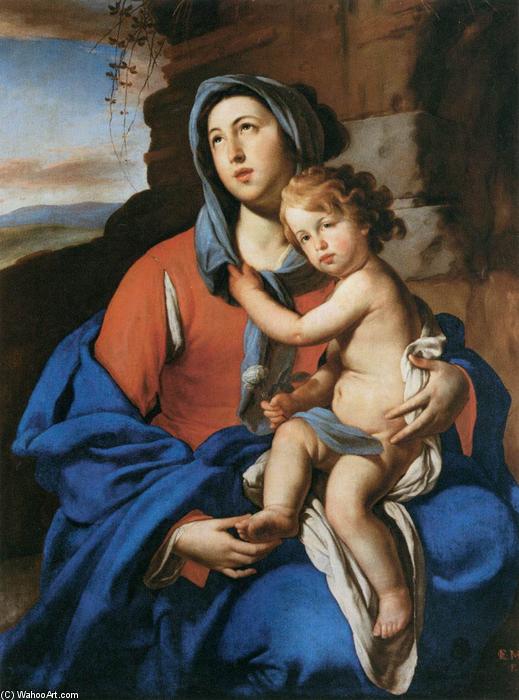
Virgin and Child
 Oil On Canvas
- WallArt
- Baroque Painting
 1640
1640 132.0 x 102.0 cm
 Лувр
Лувр
 Читать далее
Масляная репродукция ручной работы
Картина маслом на холсте в выбранном вами размере и раме, написанная на заказ нашими художниками. ( Перейти к печати Перейти к цифровым изображениям)




P118B $10

P118H $10

P118W $10

P438Z $10

P508JH $12

P508YH $12

P805H $10

P805Z $10

P919BZ $10

P919G $10

P919XJ $10

P959ZH $10

P968JZ $12

W106C $8

W218G $10

W218JH $8

W218Y $10

W307PJ $10

W316G $10

W316PJ $8

W316Y $10

W398PJ $8

W4111J $10

W500HY $15

W500JH $15

W692G $12

W849H $8

W940BG $15

W953PJ $8




Выберите один из наших стандартных размеров, соответствующих оригинальным пропорциям произведения искусства.

Вы можете указать собственные размеры, чтобы картина идеально вписалась в выбранную раму или пространство. Если выбранный вами размер не соответствует пропорциям оригинала, мы либо обрежем полотно, либо расширим его за счет дополнительных элементов, написанных вручную. Цифровой макет будет отправлен вам на утверждение перед началом производства.
Обратите внимание, что предварительный просмотр на экране не отражает фактическую обрезку или расширение. Только макет точно покажет окончательную композицию.
Хотя доступны индивидуальные размеры, мы рекомендуем выбирать вариант из предопределенного списка, чтобы сохранить исходные пропорции.
После оформления заказа команда ArtsDot.com свяжется с клиентом по электронной почте для уточнения деталей и предоставит предварительный макет
Доставка по всему миру () за 3–4 недели вместо стандартных 5 недель. (10 Сентябрь). Без компромиссов в качестве.

Бесплатная экспресс-доставка по всему миру

Высококачественный льняной холст

Полное страхование доставки

Гарантия возмещения таможенных пошлин

Гарантия точного соответствия цветов

100-дневная политика возврата (только при обнаружении дефектов)

Гарантия возврата 100% средств

Предложение оптовых скидок
 Вариант со стеклом доступен только для размеров менее 110 см

Virgin and Child
Техника репродукции
Размер репродукции
-


Итоговая стоимость
$ 263
The Serene Majesty of “Virgin and Child” by Massimo Stanzione
Massimo Stanzione’s “Virgin and Child,” painted in 1640, is more than just a depiction of the Madonna and Child; it's a profound meditation on maternal love, divine grace, and the quiet dignity of faith. Emerging from the vibrant artistic landscape of Naples during the Baroque period, this oil-on-canvas masterpiece stands as a testament to Stanzione’s masterful command of light, color, and emotional resonance – qualities he skillfully inherited from the legacy of Caravaggio while forging his own distinctive style.
Stanzione, born in Frattamaggiore in 1585, was deeply influenced by the revolutionary realism and dramatic use of chiaroscuro pioneered by Caravaggio. However, unlike Caravaggio’s often stark and confrontational scenes, Stanzione tempered this intensity with a distinctly Bolognese sensibility – a refined elegance and lyrical quality that softened the edges of his compositions. This blending resulted in works that are both powerfully emotive and exquisitely beautiful, as evidenced vividly in “Virgin and Child.” The painting's genesis lies within the bustling artistic environment of Rome, where Stanzione honed his skills before returning to Naples, becoming a leading figure in the city’s flourishing art scene.
A Symphony of Light and Color
The immediate impact of “Virgin and Child” is one of serene tranquility. Stanzione employs a masterful technique of *sfumato*, subtly blurring lines and edges to create an atmosphere of ethereal softness. The light, emanating from an unseen source, washes over the figures with a gentle warmth, highlighting Mary’s face and clothing while casting subtle shadows that add depth and volume to the scene. The rich crimson of her cloak – a bold statement against her pale skin – draws the eye immediately, creating a striking visual contrast that simultaneously conveys both regal authority and profound humility.
Notice the delicate rendering of the infant Jesus’s garments: the pristine white fabric seems to glow with an inner light. The artist's attention to detail is remarkable; observe the subtle folds in Mary’s robes, the gentle curve of her hand as she cradles her child, and the innocent expression on the baby’s face. These small details contribute significantly to the painting’s overall sense of realism and emotional authenticity.
Symbolism and Spiritual Depth
Beyond its aesthetic beauty, “Virgin and Child” is rich in symbolic meaning. The composition itself – Mary seated, cradling her son – immediately evokes the archetype of motherhood and nurturing. The gesture of Mary’s hand, reaching out to touch Jesus's face, speaks volumes about the profound connection between mother and child, a bond that transcends time and space.
Furthermore, the setting—a simple, undefined background—serves to focus all attention on the central figures, emphasizing their spiritual significance. The absence of extraneous details reinforces the painting’s message of purity and devotion. The inclusion of the small bird held by the infant Jesus adds another layer of symbolism – representing innocence, hope, and a connection to the natural world.
A Legacy Enduring
“Virgin and Child” is not merely a beautiful painting; it’s a window into the heart of Baroque art. Its influence can be seen in the works of later artists such as Guido Reni, demonstrating Stanzione's lasting impact on the artistic landscape of Naples and beyond. Reproductions of this iconic work offer an opportunity to experience firsthand the power of Stanzione’s vision – a vision that continues to resonate with viewers centuries after its creation. Its timeless themes of love, faith, and innocence make it a treasured addition to any collection, while its exquisite craftsmanship ensures that it will endure as a masterpiece for generations to come.
Похожие произведения

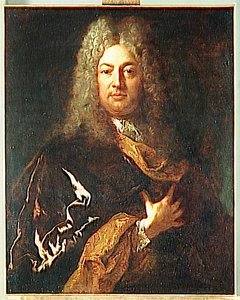


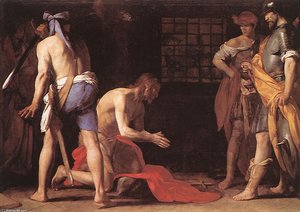


Биография художника
The Neapolitan Master: The Life and Legacy of Massimo Stanzione
In the vibrant, sun-drenched streets of seventeenth-century Naples, a period when the city stood as one of the most significant urban centers in Europe, a painter emerged who would redefine the visual language of the Italian Baroque. Massimo Stanzione, born in Frattamaggiore in 1585, was not merely a participant in the artistic ferment of his time; he was a transformative force. While many of his contemporaries were content to follow a single stylistic path, Stanzione possessed a rare, dualistic vision. He achieved what many thought impossible: the seamless marriage of the raw, visceral shadows of Caravaggio with the refined, lyrical grace of the Bolognese school. This unique synthesis earned him the prestigious moniker, the Neapolitan Guido Reni, marking him as an artist of unparalleled elegance and dramatic power.
The foundations of Stanzione’s artistry were laid in the fertile soil of Naples, likely under the tutelage of masters such as Fabrizio Santafede and Battistello Caracciolo. However, the true catalyst for his stylistic evolution was the profound impact of Caravaggio’s tenebrism. From this revolutionary approach, Stanzione adopted a mastery of light and shadow that lent his figures a startling, tactile presence. Yet, it was during his formative journeys to Rome—most notably between 1617 and 1630—that his palette began to bloom with a new, classical sophistication. Immersed in the Eternal City, he absorbed the balanced compositions of Annibale Carracci and the luminous, revamped Caravaggism of Simon Vouet. This period of Roman exposure allowed him to temper the brutal realism of his youth with an idealized naturalism, creating works that were as much about poetic beauty as they were about dramatic tension.
A Career of Distinction and Royal Recognition
Stanzione’s ascent within the social and artistic hierarchies of Europe was nothing short of meteoric. His talent was recognized not only by the clergy but by the highest echelons of nobility and the Papacy itself. The year 1621 marked a significant milestone when Pope Gregory XV bestowed upon him the prestigious title of Knight of the Golden Spur. His honors continued to accumulate, and under the reign of Urban VIII, he was invested with the Order of Christ, an achievement that granted him the esteemed title of Caballero Massimo in Spain. Such accolades reflect a career that transcended the boundaries of local craftsmanship, positioning him as a figure of international importance.
His body of work is characterized by a remarkable versatility, ranging from intimate, psychologically penetrating portraits to monumental altarpieces and sweeping frescoes. Some of his most enduring contributions to the art world include:
- Portrait of a Woman in Popular Costume: A masterpiece that showcases his ability to capture both the texture of fabric and the soulful dignity of his subjects.
- Portrait of Jerome Banks: An example of his skill as a portraitist, demonstrating the nuanced light that defines his mature style.
- Large-scale Religious Altarpieces: These works served as the backbone of Neapolitan churches, utilizing his signature rich colors to inspire awe and devotion in the faithful.
The Twilight of a Master and His Enduring Influence
As the mid-seventeenth century approached, Stanzione stood alongside Jusepe de Ribera as the titan of the Neapolitan painting scene. Together, they dominated the artistic landscape, creating a period of intense competition and creative flowering. While Ribera leaned into the gritty, earthy realism of the Spanish tradition, Stanzione offered a more polished, colorful alternative that appealed to the aesthetic sensibilities of the era's elite. His influence was profound and far-reaching; his method of blending dramatic chiaroscuro with classical grace became a blueprint for subsequent generations of local artists, most notably the great Francesco Solimena.
Tragically, the very era of prosperity that allowed his art to flourish also brought the devastation of the plague. In 1656, a catastrophic outbreak swept through Naples, claiming many lives and bringing much of the city's vibrant culture to a standstill. It is believed that Stanzione himself fell victim to this epidemic, passing away at the height of his influence. Though his life was cut short, his legacy remained etched in the stone and canvas of Naples. Through his ability to harmonize the rugged with the refined, Massimo Stanzione ensured that the Neapolitan Baroque would forever be remembered as a period of profound emotional depth and exquisite classical beauty.
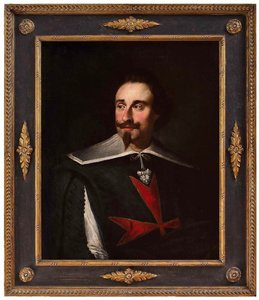
massimo stanzione
1585 - 1656 , Italy
Основные сведения
- Artistic Movement Or Style: Baroque; Neapolitan Baroque
- Artists Or Movements Influenced By This Artist: ['Francesco Solimena']
- Artists Who Influenced This Artist:
- Caravaggio
- Fabrizio Santafede
- Battistello Caracciolo
- Annibale Carracci
- Simon Vouet
- Date Of Birth: 1585
- Date Of Death: 1656
- Full Name: Massimo Stanzione
- Nationality: Italian
- Notable Artworks:
- Portrait of a woman in popular costume
- Portrait of Jerome Banks
- Place Of Birth: Frattamaggiore, Naples, Italy
Похожие статьи

The Dramatic Flourish: Exploring the Baroque Movement's Enduring Legacy in Art History
Explore the dramatic world of Baroque art! Discover iconic artists like Caravaggio & Rubens, defining techniques, and its lasting impact on art history. Expert insights for collectors & enthusiasts at ArtsDot.

Барочная драма: Искусство величия в современном интерьере
Погрузитесь в мир роскоши и величия барокко! Узнайте об истории стиля, ключевых элементах интерьера и архитектуре. Вдохновляйтесь с и создайте свой неповторимый дизайн.

10 Шедевров Барокко: Искусство, изменившее мир | ArtsDot.com
Погрузитесь в мир барокко! 10 шедевров Караваджо, Рембрандта и других великих художников. Узнайте историю создания культовых картин и найдите идеальную репродукцию для вашего интерьера на ArtsDot.com

The Visceral Stage: Exploring Dramatic Narratives & Emotional Intensity in Baroque Art
Explore the dramatic world of Baroque art! Discover iconic masters like Caravaggio & Rembrandt, their techniques, and the movement's lasting impact. Expert insights for collectors & enthusiasts at ArtsDot.
Simon Vouet: A Baroque Master's Journey from Italian Influence to French Classicism
Explore the life & art of Simon Vouet, a pivotal French Baroque painter who introduced Italian styles to France. Discover his masterpieces and lasting influence on 17th-century art.