


 Поделиться
 Поделиться
 Детали произведения

 Скачать
 Похожие работы
 Слайд-шоу
 Статистика
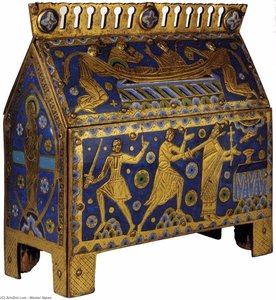
Reliquary of Thomas Becket
 Enamel
- Decor
- Medieval Art
 1180
1180- High Medieval
 28.0 x 39.0 cm
 Британский музей
 Читать далее
Приобретите цифровое изображение высокого разрешения в улучшенном качестве, которое значительно превосходит онлайн-превью.
Каждый файл тщательно подготавливается нашими специалистами с использованием передовых инструментов и экспертной ручной ретуши. Мы гарантируем исключительную четкость, точную цветопередачу и детальную проработку каждого изображения.
Финальный файл доставляется по электронной почте в течение 72 часов и оптимизирован для немедленного использования в профессиональной среде, при верстке и печати. Это тот же уровень качества, которому доверяют ведущие дизайнерские студии, издательства и галереи.
Цифровое изображение
Скачайте файл высокого разрешения для личного использования, печати и творческих проектов. ( Перейти к печати Купить картину ручной работы)
Включено в каждый заказ цифровых изображений
Гарантия экспертной цифровой доставки
Выбирая ArtsDot.com, вы получаете не просто изображение — вы приобретаете профессионально обработанное цифровое произведение искусства, созданное с безупречной точностью и под защитой гарантии качества. Вот всё, что автоматически входит в ваш заказ:

Мгновенная доставка по e-mail
Ваш цифровой файл в высоком разрешении будет отправлен вам по электронной почте в течение 72 часов после оформления заказа — и сразу станет доступен для использования.

Цифровой файл с ИИ-улучшением
Ваше произведение искусства проходит профессиональную оптимизацию с использованием передовых инструментов ИИ и ручной обработки, что гарантирует максимальную детализацию, четкость и точность цветопередачи.

Бессрочная бесплатная повторная доставка
Случайно удалили или потеряли файл? Не беспокойтесь — мы отправим его вам повторно в любое время и совершенно бесплатно.

Без импортных пошлин — навсегда
Наслаждайтесь вашим произведением искусства мгновенно без таможенных пошлин, сборов или затрат на доставку — цифровые загрузки всегда не облагаются налогом.

Гарантия точности цветопередачи
Мы гарантируем, что ваше цифровое изображение максимально точно передает оригинальные цвета благодаря использованию профессиональных инструментов и систем управления цветом.

Гарантия удовлетворенности 100 дней
Если вы не будете удовлетворены своим цифровым изображением, мы внесем правки или вернем 100% стоимости в течение 100 дней — без лишних вопросов.

100% Гарантия возврата средств
Не удовлетворены покупкой? Получите полный возврат средств в течение 100 дней после получения цифрового файла — без лишних вопросов.

Скидки на оптовые заказы
Купите 3 изображения, сэкономьте 10% — Купите 5, сэкономьте 15% — Купите 10+, сэкономьте 20%. Отличное решение для творческих проектов, галерей и агентств.
A Radiance from the Middle Ages: The Reliquary of Thomas Becket
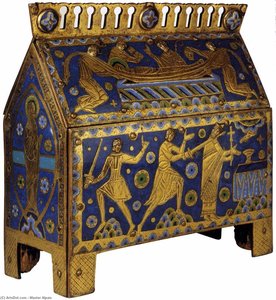
In the dim, flickering candlelight of a twelfth-century cathedral, the Reliquary of Thomas Becket would have appeared less like a mere object and more like a celestial vision captured in metal. Created around 1180 by the legendary Master Alpais, this masterpiece of Limoges enamelwork serves as a breathtaking portal to the medieval soul. As one gazes upon its surface, the intricate narrative unfolds through a sophisticated dance of gold, deep azure, and pristine white, transporting the viewer to an era where art was the primary language of divine devotion. This is not simply a container for sacred remains; it is a profound testament to the technical brilliance of the Limoges workshops and the spiritual fervor of the High Middle Ages.
The artistry of Master Alpais is defined by his mastery of enamel, a painstaking technique where colored glass is fused onto metal surfaces to create vibrant, permanent imagery. The reliquary’s structure, measuring approximately 28 x 39 cm, acts as a canvas for a complex theological program. Through the use of delicate roundels and narrative panels, the artist depicts the life and martyrdom of Thomas Becket with an almost cinematic fluidity. The upper registers feature celestial symbols—stars and crosses that anchor the piece in the heavens—while the lower sections bring the earthly struggle of saints and holy figures into focus. Every stroke of color is intentional; the deep blues evoke the infinite expanse of the divine, while the shimmering gold reflects the eternal light of God, creating a sense of luxury that was both a display of status and an act of worship.
Symbolism and the Language of Light
To behold this reliquary is to read a sacred text written in light and pigment. For the medieval mind, color was never merely decorative; it was deeply symbolic. The interplay of white and gold within the enamelwork speaks to themes of purity and incorruptibility, essential qualities for an object housing a holy relic. The meticulous craftsmanship allows for a sense of depth and movement, where the figures in their flowing robes seem to interact within a sacred space. This level of detail provides a sensory experience that transcends time, offering a moment of quiet contemplation for the modern observer. For collectors and lovers of historical art, the piece represents the pinnacle of medieval metalwork, where the boundaries between fine art and religious utility dissolve into a single, luminous object.
For those seeking to bring the majesty of history into a contemporary space, a high-quality reproduction of this reliquary offers more than just decoration; it provides an anchor of cultural depth. Whether placed in a curated gallery setting or as a focal point in a sophisticated interior design project, the essence of Master Alpais’s work remains undiminished. It invites conversation about the intersection of craftsmanship and faith, serving as a timeless reminder of humanity's enduring desire to capture the divine through the mastery of earthly materials.
Похожие произведения
Биография художника
The Enamelled Light of Limoges: Master Alpais and the Art of Reliquaries
The name “Master Alpais” conjures a world steeped in gold, vibrant color, and profound religious devotion—a world centered in the medieval city of Limoges, France. Though shrouded in the mists of time, this 12th-century artist stands as one of the most significant figures in the development of Limoges enamelwork, a technique that transformed small devotional objects into breathtaking works of art. Unlike many artists of his era whose names remain lost to history, Master Alpais is known through the inscription he boldly placed upon some of his creations: “Master G. Alpais made me in Limoges.” This simple declaration not only identifies him but also anchors his work firmly within a specific place and tradition.
Active between approximately 1180 and 1200, Master Alpais flourished during a period of burgeoning artistic innovation across Europe. Limoges had already established itself as a center for metalworking, particularly in bronze, but the introduction of enamel painting techniques—likely influenced by Byzantine traditions—revolutionized its output. Enamelling involved fusing glass paste onto metal surfaces, allowing for incredibly detailed and luminous imagery. This was not merely decoration; it was a means of elevating sacred objects to new heights of beauty and reverence. The precise details of Alpais’s life remain elusive. He wasn't part of the courtly circles that often patronized artists, but rather served the needs of the Church and individual devotees seeking exquisite reliquaries and liturgical vessels.
A Master of Ciborium and Reliquary Forms
Master Alpais’s surviving works primarily consist of ciboria—vessels used to hold the consecrated host during the Eucharist—and reliquaries, containers designed to house sacred relics. These objects were not simply functional; they were intended as visual expressions of faith and testaments to the power of the saints whose remains they protected. His ciborium in the Louvre is arguably his most celebrated piece. The intricate scenes depicted on its surface showcase a remarkable mastery of enamel painting. The figures are rendered with delicate precision, their faces imbued with an expressive quality that belies the small scale of the work. Gold backgrounds and carefully chosen colors create a sense of otherworldly radiance, drawing the viewer into the sacred narrative.
Beyond the ciborium, his Reliquary of Thomas Becket is another exceptional example of his skill. The reliquary’s form itself—often shaped like miniature shrines or architectural structures—was integral to its meaning. Alpais's work demonstrates a sophisticated understanding of composition and narrative storytelling. He wasn’t merely replicating existing images; he was creating new visual interpretations that resonated with the spiritual beliefs of his time. The use of cloisonné enamel, where thin metal strips separate areas of different colored enamel, is particularly prominent in his work, allowing for a remarkable level of detail and precision.
Influences and Artistic Development
Pinpointing the specific influences on Master Alpais’s style is a complex undertaking. The artistic landscape of 12th-century France was diverse, drawing inspiration from Romanesque sculpture, Byzantine mosaics, and illuminated manuscripts. The influence of Byzantine art is particularly evident in his use of gold backgrounds and stylized figures. However, Alpais wasn’t simply copying existing styles; he synthesized these influences into a uniquely Limoges aesthetic characterized by its delicate detail, vibrant color palette, and emphasis on narrative clarity.
His development as an artist likely involved a period of apprenticeship within one of the established workshops in Limoges. The collaborative nature of medieval art production meant that artists often worked alongside other craftsmen—metalworkers, jewelers, and glassmakers—sharing skills and techniques. The quality and consistency of his work suggest a high level of training and expertise. It is also plausible that he benefited from exposure to imported enamelwork, which would have provided him with new models and inspiration.
Historical Significance and Legacy
Master Alpais’s significance extends beyond the exceptional beauty of his individual creations. He represents a pivotal moment in the history of Limoges enamelwork, helping to establish the city as a leading center for this art form. His work influenced generations of subsequent artists, who continued to refine and develop the techniques he pioneered. The ciboria and reliquaries produced in Limoges during the 12th and 13th centuries became highly sought-after objects throughout Europe, adorning churches and private collections alike.
The enduring appeal of Master Alpais’s work lies not only in its technical brilliance but also in its ability to convey a sense of profound spiritual devotion. These objects were created for a world where faith permeated every aspect of life, and they serve as powerful reminders of the artistic skill and religious fervor of the medieval period. His signature—a simple declaration of authorship—has ensured that his name continues to resonate through the centuries, a testament to the enduring power of art to transcend time and connect us with the past.
Основные сведения
- Artistic Movement Or Style: Medieval Enamelling
- Full Name: Master Alpais
- Nationality: French
- Notable Artworks:
- Ciborium (Louvre)
- Reliquary of Thomas Becket
- Place Of Birth: Limoges, France