

 Предпросмотр
 Поделиться
 Поделиться
 Детали произведения

 Скачать
 Похожие работы
 Рентгенография
 Слайд-шоу
 Статистика
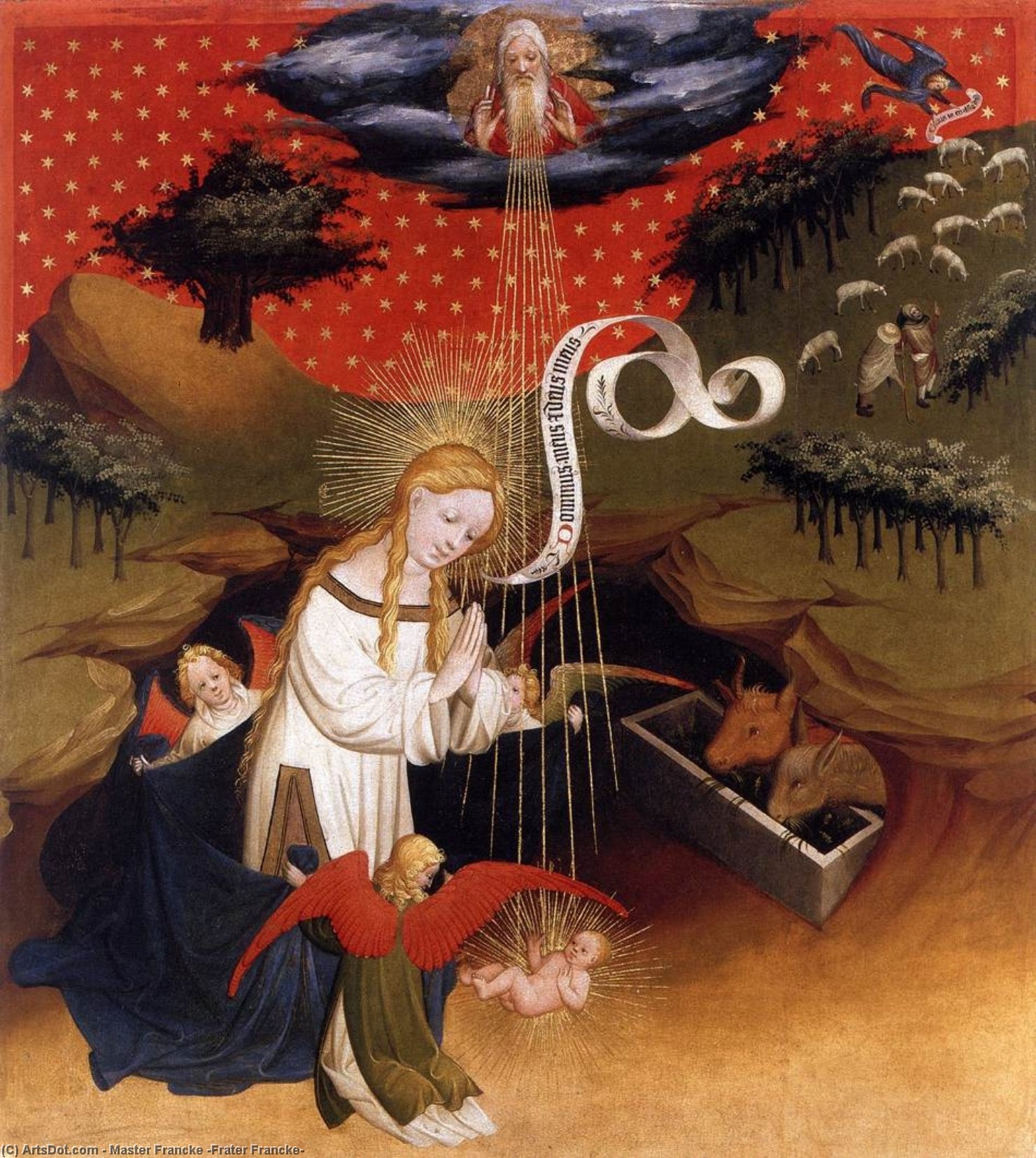
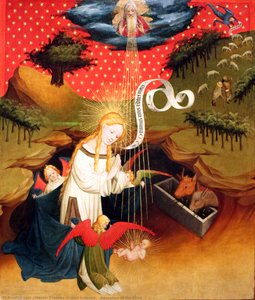
Birth of Jesus
 Oil On Panel
- Late Gothic
 1424
1424- Late Medieval
 99.0 x 89.0 cm
 Хамбургская художественная галерея
 Читать далее
Приобретите цифровое изображение высокого разрешения в улучшенном качестве, которое значительно превосходит онлайн-превью.
Каждый файл тщательно подготавливается нашими специалистами с использованием передовых инструментов и экспертной ручной ретуши. Мы гарантируем исключительную четкость, точную цветопередачу и детальную проработку каждого изображения.
Финальный файл доставляется по электронной почте в течение 72 часов и оптимизирован для немедленного использования в профессиональной среде, при верстке и печати. Это тот же уровень качества, которому доверяют ведущие дизайнерские студии, издательства и галереи.
Цифровое изображение
Скачайте файл высокого разрешения для личного использования, печати и творческих проектов. ( Перейти к печати Купить картину ручной работы)
Включено в каждый заказ цифровых изображений
Гарантия экспертной цифровой доставки
Выбирая ArtsDot.com, вы получаете не просто изображение — вы приобретаете профессионально обработанное цифровое произведение искусства, созданное с безупречной точностью и под защитой гарантии качества. Вот всё, что автоматически входит в ваш заказ:

Мгновенная доставка по e-mail
Ваш цифровой файл в высоком разрешении будет отправлен вам по электронной почте в течение 72 часов после оформления заказа — и сразу станет доступен для использования.

Цифровой файл с ИИ-улучшением
Ваше произведение искусства проходит профессиональную оптимизацию с использованием передовых инструментов ИИ и ручной обработки, что гарантирует максимальную детализацию, четкость и точность цветопередачи.

Бессрочная бесплатная повторная доставка
Случайно удалили или потеряли файл? Не беспокойтесь — мы отправим его вам повторно в любое время и совершенно бесплатно.

Без импортных пошлин — навсегда
Наслаждайтесь вашим произведением искусства мгновенно без таможенных пошлин, сборов или затрат на доставку — цифровые загрузки всегда не облагаются налогом.

Гарантия точности цветопередачи
Мы гарантируем, что ваше цифровое изображение максимально точно передает оригинальные цвета благодаря использованию профессиональных инструментов и систем управления цветом.

Гарантия удовлетворенности 100 дней
Если вы не будете удовлетворены своим цифровым изображением, мы внесем правки или вернем 100% стоимости в течение 100 дней — без лишних вопросов.

100% Гарантия возврата средств
Не удовлетворены покупкой? Получите полный возврат средств в течение 100 дней после получения цифрового файла — без лишних вопросов.

Скидки на оптовые заказы
Купите 3 изображения, сэкономьте 10% — Купите 5, сэкономьте 15% — Купите 10+, сэкономьте 20%. Отличное решение для творческих проектов, галерей и агентств.
A Celestial Descent: The Divine Drama of the Birth of Jesus
In the quiet, hallowed atmosphere of the early fifteenth century, a masterpiece emerged that would capture the spiritual fervor of the late Gothic era. Master Francke, the enigmatic Dutch virtuoso known as Frater Francke, crafted his Birth of Jesus in 1424 with a profound sense of theatricality and devotion. This is not merely a depiction of a stable scene; it is a cosmic event rendered on wood. The painting commands attention through its intense, saturated red hues that bathe the composition, creating an atmosphere that feels both intimate and overwhelming. As the eye wanders across the panel, one is immediately struck by the dramatic interplay of light and shadow, where celestial rays descend from the heavens to pierce the earthly gloom, bridging the gap between the mortal and the divine.
The composition is a masterclass in late Medieval tension and movement. While the scene possesses a certain flattened perspective characteristic of the period, Francke utilizes a strong diagonal orientation to guide the viewer’s soul upward. The rays of light emanating from the heavens act as a visual ladder, drawing the gaze from the humble, rocky landscape of the foreground toward the radiant presence of God. Within this shallow, almost claustrophobic space, every figure is placed with meticulous intention. Mary and Joseph, alongside an angelic messenger and a silent donkey, are locked in a complex dance of reverence. The texture of the work—from the smooth, flowing drapery of the holy robes to the rugged, tactile quality of the manger—invites a sensory engagement that makes the historical moment feel vibrantly alive.
Symbolism and the Language of Devotion
To gaze upon this artwork is to read a sacred text written in pigment. Master Francke was a master of iconography, embedding layers of theological meaning within every brushstroke. Beneath the wooden manger, one might notice the subtle, unsettling presence of a coiled serpent—a poignant reminder of original sin and the temptation that haunts the human condition even amidst the joy of Christ's birth. This duality of hope and peril is further emphasized by the use of geometric shapes; the rectangular stability of the manger contrasts with the sharp, triangular rays of light, representing the intersection of the earthly realm and the infinite. Even the presence of the lemniscate, or infinity symbol, serves to remind the faithful of the eternal nature of the promise being fulfilled in this very moment.
For the discerning collector or interior designer, a reproduction of this piece offers more than just aesthetic beauty; it provides a focal point of profound historical and emotional weight. The painting’s ability to evoke both awe and introspection makes it an extraordinary addition to any space dedicated to contemplation or classical elegance. Whether placed in a gallery-style setting or as a centerpiece in a room designed with rich, warm tones, the Birth of Jesus brings with it the enduring legacy of the Hamburg Gothic tradition—a period where art served as the ultimate window into the divine.
Похожие произведения
Биография художника
A Master of Sorrowful Piety: The Legacy of Frater Francke
Johannes Francke, known as Frater Francke, stands as a pivotal figure in the burgeoning artistic landscape of 15th-century Germany – specifically within the vibrant Gothic tradition of Hamburg. While biographical details remain somewhat elusive, surviving documentation confirms his involvement in monumental religious commissions during his lifetime, cementing his reputation as one of the era’s most accomplished altarpiece painters.- Early Life and Training: Precise information regarding Francke's formative years is scarce. However, he emerged from Zutphens around 1380, likely receiving his initial artistic training within the guild system prevalent at the time – a cornerstone of medieval craftsmanship where apprenticeships fostered technical mastery alongside spiritual devotion.
- Hamburg and The Birth of Jesus (1424): Francke’s career truly blossomed in Hamburg, where he secured a contract to create an altarpiece for St. Catharine’s Church. This ambitious project – ‘The Birth of Jesus,’ completed in 1424 – exemplifies his stylistic sensibilities: intense reds dominate the composition, conveying profound emotion and highlighting symbolic elements relating to Christ's divine incarnation. The painting showcases meticulous detail and masterful use of color, reflecting the prevailing Gothic aesthetic.
- Technique and Style: Francke’s artistic style is firmly rooted in Gothic painting conventions. He skillfully employed tempera on panel, achieving luminous colors and textural richness. His depictions of biblical scenes are imbued with dramatic emotion and psychological depth, prioritizing expressive gesture and conveying spiritual contemplation.
- Influence and Legacy: Francke's work profoundly impacted subsequent generations of artists in Hamburg and beyond. He championed the Gothic style, establishing it as a dominant visual language for religious art during his time. His meticulous attention to detail and emotive portrayal of biblical narratives continue to resonate with viewers today, securing his place as an enduring symbol of piety and artistic excellence.
Notable Achievements: The Barbara Altar
Perhaps Francke’s most celebrated achievement is the ‘Barbara Altar,’ commissioned for St. Barbara’s Church in Hamburg around 1430. This monumental artwork—a testament to his artistic prowess—features a complex narrative depicting Saint Barbara's martyrdom and embodies the Gothic tradition's penchant for grandeur and symbolic representation. The altar’s intricate sculptural elements, combined with vibrant polychrome painting, underscore Francke’s mastery of both visual arts and craftsmanship.Historical Significance
Master Francke’s contribution to German art history is undeniable. He represents a crucial link between medieval artistic traditions and the burgeoning Renaissance movement—a transitional period marked by renewed interest in classical ideals alongside enduring religious devotion. His altarpieces stand as powerful visual expressions of faith, reflecting the spiritual concerns of his era and shaping the aesthetic sensibilities of Hamburg’s artistic community for centuries to come.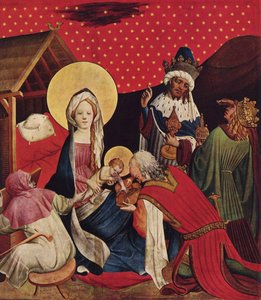
master francke (frater francke)
1380 - 1440 , Netherlands
Основные сведения
- Artistic Movement Or Style: Gothic Renaissance
- Date Of Birth: 1380
- Date Of Death: 1440
- Full Name: Master Francke (frater francke)
- Nationality: Dutch
- Notable Artworks:
- Vir Dolorum
- Barbara Altars
- Place Of Birth: Zutphens, Netherlands