

 Предпросмотр
 Поделиться
 Поделиться
 Детали произведения

 Скачать
 Похожие работы
 Рентгенография
 Слайд-шоу
 Статистика
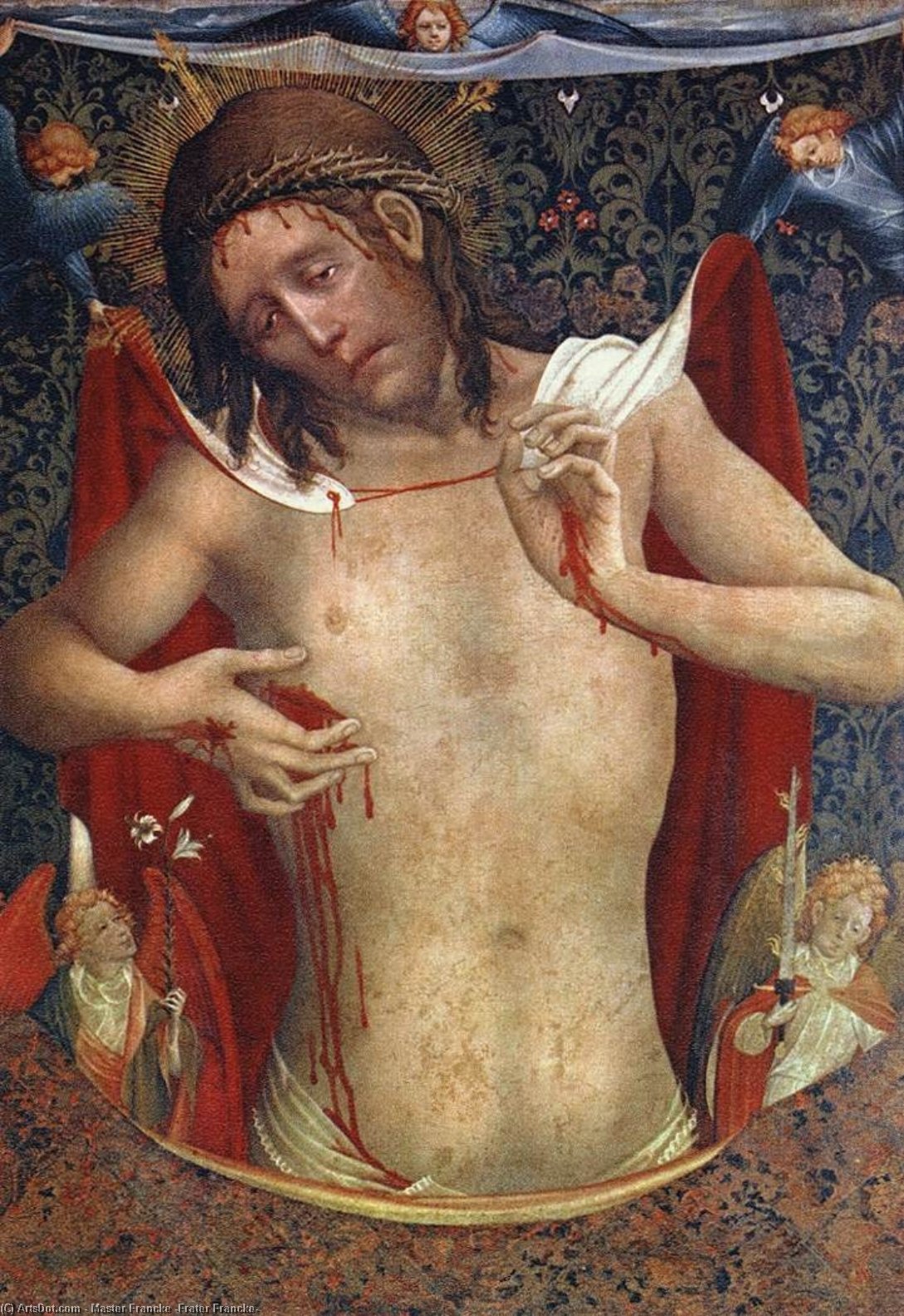
Vir Dolorum (Man of Sorrows)
 Gothic
 1430
1430- Late Medieval
 92.0 x 67.0 cm
 Хамбургская художественная галерея
 Читать далее
Приобретите цифровое изображение высокого разрешения в улучшенном качестве, которое значительно превосходит онлайн-превью.
Каждый файл тщательно подготавливается нашими специалистами с использованием передовых инструментов и экспертной ручной ретуши. Мы гарантируем исключительную четкость, точную цветопередачу и детальную проработку каждого изображения.
Финальный файл доставляется по электронной почте в течение 72 часов и оптимизирован для немедленного использования в профессиональной среде, при верстке и печати. Это тот же уровень качества, которому доверяют ведущие дизайнерские студии, издательства и галереи.
Цифровое изображение
Скачайте файл высокого разрешения для личного использования, печати и творческих проектов. ( Перейти к печати Купить картину ручной работы)
Включено в каждый заказ цифровых изображений
Гарантия экспертной цифровой доставки
Выбирая ArtsDot.com, вы получаете не просто изображение — вы приобретаете профессионально обработанное цифровое произведение искусства, созданное с безупречной точностью и под защитой гарантии качества. Вот всё, что автоматически входит в ваш заказ:

Мгновенная доставка по e-mail
Ваш цифровой файл в высоком разрешении будет отправлен вам по электронной почте в течение 72 часов после оформления заказа — и сразу станет доступен для использования.

Цифровой файл с ИИ-улучшением
Ваше произведение искусства проходит профессиональную оптимизацию с использованием передовых инструментов ИИ и ручной обработки, что гарантирует максимальную детализацию, четкость и точность цветопередачи.

Бессрочная бесплатная повторная доставка
Случайно удалили или потеряли файл? Не беспокойтесь — мы отправим его вам повторно в любое время и совершенно бесплатно.

Без импортных пошлин — навсегда
Наслаждайтесь вашим произведением искусства мгновенно без таможенных пошлин, сборов или затрат на доставку — цифровые загрузки всегда не облагаются налогом.

Гарантия точности цветопередачи
Мы гарантируем, что ваше цифровое изображение максимально точно передает оригинальные цвета благодаря использованию профессиональных инструментов и систем управления цветом.

Гарантия удовлетворенности 100 дней
Если вы не будете удовлетворены своим цифровым изображением, мы внесем правки или вернем 100% стоимости в течение 100 дней — без лишних вопросов.

100% Гарантия возврата средств
Не удовлетворены покупкой? Получите полный возврат средств в течение 100 дней после получения цифрового файла — без лишних вопросов.

Скидки на оптовые заказы
Купите 3 изображения, сэкономьте 10% — Купите 5, сэкономьте 15% — Купите 10+, сэкономьте 20%. Отличное решение для творческих проектов, галерей и агентств.
A Vision of Divine Suffering: The Soul of Vir Dolorum
In the quiet, contemplative depths of the 15th century, few images possess the raw, visceral power found in Master Francke’s Vir Dolorum, or the Man of Sorrows. This profound masterpiece, dating back to approximately 1430, serves as a hauntingly beautiful window into the late Gothic devotion that once defined Northern Europe. The painting captures the essence of Christ in a moment of profound vulnerability and divine agony, presenting a subject that is both deeply personal and universally tragic. As the viewer gazes upon the figure, the meticulous detail of the blood dripping from His wrists and the sharp, intricate crown of thorns pressing into His brow creates an immediate, heart-wrenching connection to the narrative of the Passion.
The composition is a masterclass in late medieval storytelling, where every element serves to elevate the spiritual weight of the central figure. Beyond the solitary presence of Christ, the artist has woven a complex tapestry of celestial witnesses. Angels hover within the periphery, their ethereal forms providing a heavenly contrast to the earthly suffering depicted below. A single bird, captured in flight near the upper corner, adds a delicate layer of movement and life to an otherwise heavy, somber scene. This interplay between the divine and the mortal creates a sense of immense depth, inviting the observer to look past the surface and into a realm where the physical pain of man meets the eternal grace of the heavens.
Technique and the Mastery of Light
Master Francke, a figure emerging from the vibrant artistic traditions of the Netherlands and later flourishing in Hamburg, demonstrates an extraordinary command over texture and light. The technique employed in this work reflects the pinnacle of 15th-century craftsmanship, where the artist’s ability to render fine details—such as the way light catches a bead of blood or the rough, organic texture of the thorns—servates to ground the spiritual subject in a tangible reality. This level of precision is what makes a high-quality reproduction of this piece so captivating for modern collectors; it allows the subtle gradations of shadow and the luminous quality of the skin tones to breathe within a contemporary space.
For the interior designer or the discerning art lover, Vir Dolorum offers more than just historical significance; it provides a profound emotional anchor. The painting’s somber palette and dramatic chiaroscuro effect make it an ideal centerpiece for rooms designed for reflection, such as a private library, a study, or a formal gallery. When placed within a curated collection, the work acts as a conversation piece that transcends time, bridging the gap between the medieval guild traditions of Frater Francke and the sophisticated aesthetic demands of the modern era. It is an investment in a legacy of piety, beauty, and unparalleled artistic devotion.
Похожие произведения
Биография художника
A Master of Sorrowful Piety: The Legacy of Frater Francke
Johannes Francke, known as Frater Francke, stands as a pivotal figure in the burgeoning artistic landscape of 15th-century Germany – specifically within the vibrant Gothic tradition of Hamburg. While biographical details remain somewhat elusive, surviving documentation confirms his involvement in monumental religious commissions during his lifetime, cementing his reputation as one of the era’s most accomplished altarpiece painters.- Early Life and Training: Precise information regarding Francke's formative years is scarce. However, he emerged from Zutphens around 1380, likely receiving his initial artistic training within the guild system prevalent at the time – a cornerstone of medieval craftsmanship where apprenticeships fostered technical mastery alongside spiritual devotion.
- Hamburg and The Birth of Jesus (1424): Francke’s career truly blossomed in Hamburg, where he secured a contract to create an altarpiece for St. Catharine’s Church. This ambitious project – ‘The Birth of Jesus,’ completed in 1424 – exemplifies his stylistic sensibilities: intense reds dominate the composition, conveying profound emotion and highlighting symbolic elements relating to Christ's divine incarnation. The painting showcases meticulous detail and masterful use of color, reflecting the prevailing Gothic aesthetic.
- Technique and Style: Francke’s artistic style is firmly rooted in Gothic painting conventions. He skillfully employed tempera on panel, achieving luminous colors and textural richness. His depictions of biblical scenes are imbued with dramatic emotion and psychological depth, prioritizing expressive gesture and conveying spiritual contemplation.
- Influence and Legacy: Francke's work profoundly impacted subsequent generations of artists in Hamburg and beyond. He championed the Gothic style, establishing it as a dominant visual language for religious art during his time. His meticulous attention to detail and emotive portrayal of biblical narratives continue to resonate with viewers today, securing his place as an enduring symbol of piety and artistic excellence.
Notable Achievements: The Barbara Altar
Perhaps Francke’s most celebrated achievement is the ‘Barbara Altar,’ commissioned for St. Barbara’s Church in Hamburg around 1430. This monumental artwork—a testament to his artistic prowess—features a complex narrative depicting Saint Barbara's martyrdom and embodies the Gothic tradition's penchant for grandeur and symbolic representation. The altar’s intricate sculptural elements, combined with vibrant polychrome painting, underscore Francke’s mastery of both visual arts and craftsmanship.Historical Significance
Master Francke’s contribution to German art history is undeniable. He represents a crucial link between medieval artistic traditions and the burgeoning Renaissance movement—a transitional period marked by renewed interest in classical ideals alongside enduring religious devotion. His altarpieces stand as powerful visual expressions of faith, reflecting the spiritual concerns of his era and shaping the aesthetic sensibilities of Hamburg’s artistic community for centuries to come.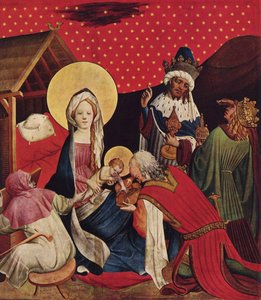
master francke (frater francke)
1380 - 1440 , Netherlands
Основные сведения
- Artistic Movement Or Style: Gothic Renaissance
- Date Of Birth: 1380
- Date Of Death: 1440
- Full Name: Master Francke (frater francke)
- Nationality: Dutch
- Notable Artworks:
- Vir Dolorum
- Barbara Altars
- Place Of Birth: Zutphens, Netherlands