

 Предпросмотр
 Поделиться
 Поделиться
 Детали произведения

 Скачать
 Похожие работы
 Рентгенография
 Слайд-шоу
 Статистика
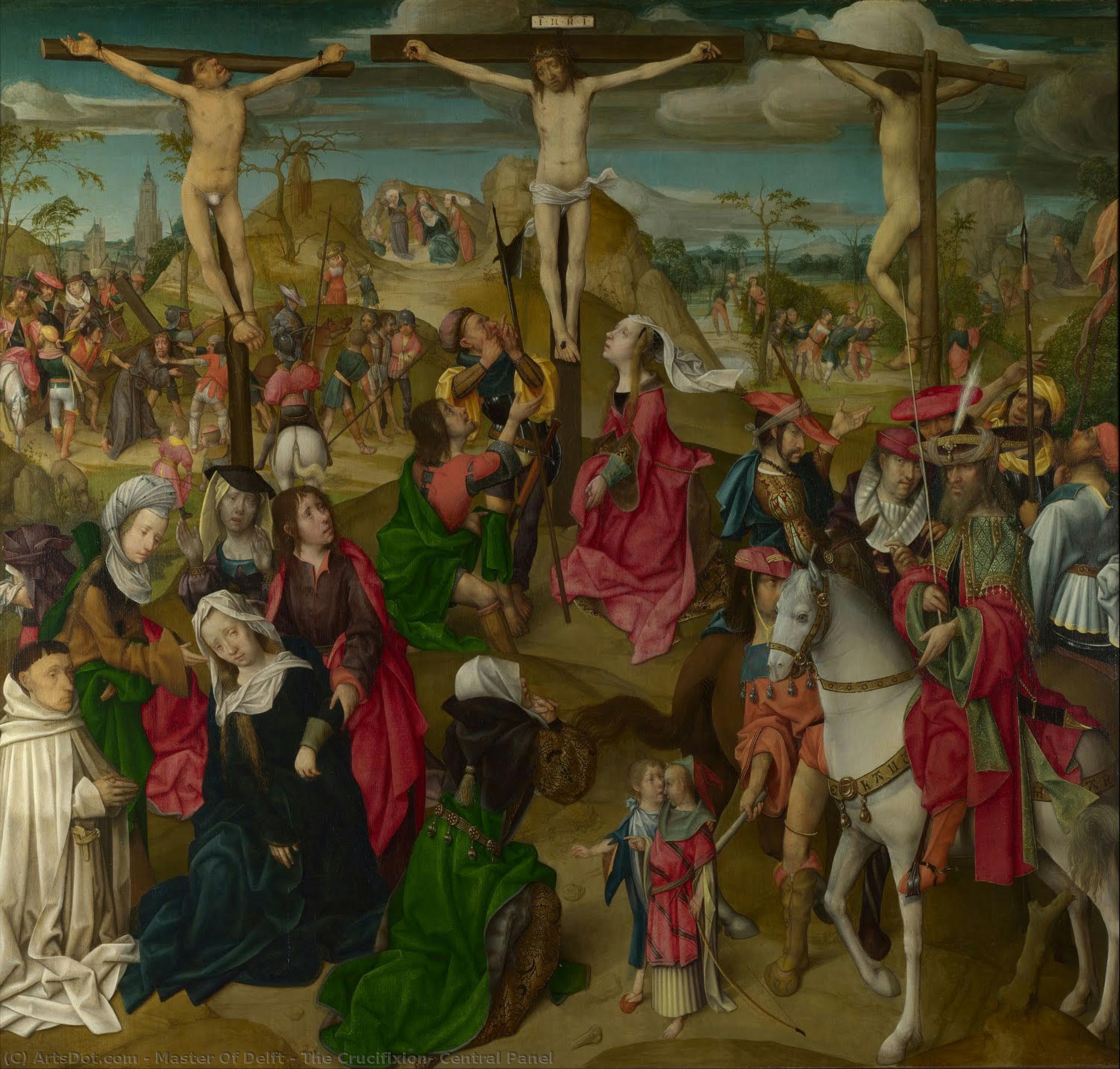
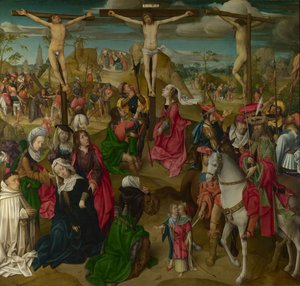
The Crucifixion: Central Panel
 Oil On Canvas
- WallArt
- Flemish Renaissance
 1510
1510 98.0 x 105.0 cm
 Национальная галерея
 Читать далее
Масляная репродукция ручной работы
Картина маслом на холсте в выбранном вами размере и раме, написанная на заказ нашими художниками. ( Перейти к печати Перейти к цифровым изображениям)




P118B $10

P118H $10

P118W $10

P438Z $10

P508JH $12

P508YH $12

P805H $10

P805Z $10

P919BZ $10

P919G $10

P919XJ $10

P959ZH $10

P968JZ $12

W106C $8

W218G $10

W218JH $8

W218Y $10

W307PJ $10

W316G $10

W316PJ $8

W316Y $10

W398PJ $8

W4111J $10

W500HY $15

W500JH $15

W692G $12

W849H $8

W940BG $15

W953PJ $8




Выберите один из наших стандартных размеров, соответствующих оригинальным пропорциям произведения искусства.

Вы можете указать собственные размеры, чтобы картина идеально вписалась в выбранную раму или пространство. Если выбранный вами размер не соответствует пропорциям оригинала, мы либо обрежем полотно, либо расширим его за счет дополнительных элементов, написанных вручную. Цифровой макет будет отправлен вам на утверждение перед началом производства.
Обратите внимание, что предварительный просмотр на экране не отражает фактическую обрезку или расширение. Только макет точно покажет окончательную композицию.
Хотя доступны индивидуальные размеры, мы рекомендуем выбирать вариант из предопределенного списка, чтобы сохранить исходные пропорции.
После оформления заказа команда ArtsDot.com свяжется с клиентом по электронной почте для уточнения деталей и предоставит предварительный макет
Доставка по всему миру () за 3–4 недели вместо стандартных 5 недель. (11 Сентябрь). Без компромиссов в качестве.

Бесплатная экспресс-доставка по всему миру

Высококачественный льняной холст

Полное страхование доставки

Гарантия возмещения таможенных пошлин

Гарантия точного соответствия цветов

100-дневная политика возврата (только при обнаружении дефектов)

Гарантия возврата 100% средств

Предложение оптовых скидок
 Вариант со стеклом доступен только для размеров менее 110 см

The Crucifixion: Central Panel
Техника репродукции
Размер репродукции
-


Итоговая стоимость
$ 263
The Crucifixion: Central Panel – A Masterpiece of Delft’s Renaissance Soul
This central panel from an altarpiece attributed to the enigmatic “Master of Delft” stands as a testament to the artistic fervor of early Netherlandish painting during its golden age. Completed around 1510, it resides within The National Gallery in London and embodies the pinnacle of stylistic achievement for this influential artist – a work celebrated for its meticulous detail and profound emotional resonance.Subject Matter & Composition
The scene depicts Jesus Christ crucified on the cross, rendered with breathtaking realism against a backdrop that subtly conveys the spiritual significance of his sacrifice. Figures surrounding the crucifixion—mourners, observers, and attendants—are depicted with expressive gestures and postures, capturing the palpable grief and contemplation inherent in the event. Notably, the inclusion of a horse and rider to the right contributes to the dramatic visual narrative, anchoring the composition within a broader symbolic framework. The artist’s careful positioning of these elements underscores the importance of conveying both physical presence and spiritual depth.Style & Technique – Flemish Renaissance Precision
The Master of Delft exemplifies the hallmarks of the Flemish Renaissance style—characterized by meticulous observation of nature combined with masterful artistic skill. Employing oil paint on panel, he achieved remarkable luminosity and textural richness through layering techniques that capture the subtleties of light and shadow. The artist’s attention to anatomical accuracy is evident in the depiction of Christ's body, while subtle drapery folds convey movement and contribute to the overall sense of solemn grandeur. Furthermore, the incorporation of architectural elements—such as the New Church tower visible in the background—adds a grounding element to the scene, anchoring it within its specific historical context.Historical Context & Patronage
Painted during the Reformation era, this artwork reflects the anxieties and aspirations of Delft’s burgeoning humanist intellectual circles. The donor portraits – specifically those of burgomaster Dirk Dircksz van Beest heemskerck – reveal a connection to influential families committed to upholding civic virtue and religious piety. This patronage underscores the importance of artistic commissions in shaping cultural values during this period, demonstrating how art served as both a visual record of faith and a conduit for conveying moral ideals.Symbolism & Emotional Impact
The Crucifixion transcends mere depiction; it embodies profound theological symbolism—representing Christ’s suffering, death, and resurrection as central tenets of Christian belief. The artist skillfully utilizes color palettes and compositional arrangements to evoke feelings of sorrow, compassion, and spiritual contemplation. The gaze of Jesus towards the heavens communicates a yearning for divine grace, while the expressions of grief among the mourners underscore the universality of human experience in confronting mortality. This artwork continues to inspire viewers with its enduring power to communicate complex emotions and ideas—a testament to its artistic brilliance and lasting cultural significance.Reproductions & Artistic Legacy
Today, high-quality reproductions of “The Crucifixion: Central Panel” are available for collectors and interior designers alike, allowing them to experience the beauty and emotional depth of this iconic masterpiece firsthand. Its influence can be seen in subsequent generations of artists who sought to emulate its stylistic sophistication and expressive power—solidifying its place as one of the most revered works of art from Delft’s Renaissance heritage.Похожие произведения

Биография художника
The Enigmatic Shadow of the Netherlands
In the annals of art history, some names shine with the brilliance of a sun, while others linger like a soft, evocative mist over a Dutch landscape. The Master of Delft belongs to this latter, more mysterious category. An anonymous hand from the twilight of Early Netherlandish painting, this artist’s true identity remains lost to time, leaving behind only a trail of exquisite devotion and meticulously rendered scenes. Emerging around 1470, this painter operated during a transformative era in the Netherlands, a period where the rigid structures of the Middle Ages were beginning to soften into the nuanced realism of the Renaissance. Though we cannot know his birth name, his presence is felt through the profound spiritual depth and technical precision found in his surviving panels.
The very moniker used to identify him was bestowed much later, in 1913, by the renowned scholar Max Jakob Friedländer. This designation arose from the artist's connection to the city of Delft, a bond suggested by the inclusion of specific architectural landmarks within his compositions. Most notably, the silhouette of the Nieuwe Kerk tower, completed in 1496, appears in the background of his works, anchoring his spiritual visions to a tangible, earthly location. This connection suggests an artist deeply rooted in the civic and religious life of Delft, perhaps even painting for the local elite, such as the identifiable family of Burgomaster Dirck Dircksz van Beest Heemskerck.
A Mastery of Devotion and Detail
The work of the Master of Delft is characterized by a breathtaking synthesis of oil on panel and tempera, a medium that allowed for a luminous, layered effect. His oeuvre is primarily defined by religious narratives, often presented in the intimate format of triptychs. These works were not merely decorations but windows into the divine, designed to facilitate prayer and contemplation. In his hands, the sacred stories of the Passion of Christ become visceral and immediate. His masterpiece, the Crucifixion triptych housed in the National Gallery, London, serves as a testament to his ability to weave complex iconography with a sense of profound human emotion.
Beyond the central religious figures, the artist possessed a remarkable talent for creating secondary worlds. His paintings often feature:
- Richly described landscapes: While frequently relegated to the background, these vistas are far from mere scenery; they are atmospheric environments that provide a sense of scale and serenity.
- Complex Illusionism: A sophisticated use of perspective and light that draws the viewer into the sacred space.
- Intricate Iconography: Every element, from a specific flower to a distant tower, carries a symbolic weight intended to deepen the theological narrative.
His technique was also heavily informed by the burgeoning print culture of the time. By incorporating details borrowed from contemporary engravings, he was able to bring a sense of modern, international style to his local commissions. This ability to blend the traditional Flemish style with the evolving visual language of the 16th century allowed his work to remain both timeless and cutting-edge for his era.
Legacy and the Thread of Continuity
While the Master of Delft may be an anonymous figure, his artistic DNA is woven into the very fabric of Dutch art history. The meticulous attention to light, the atmospheric landscapes, and the ability to find the extraordinary within the ordinary laid a foundation upon which later masters would build. One can trace a spiritual lineage from his quiet, devotional panels to the sweeping, light-drenched masterpieces of Johannes Vermeer and Rembrandt van Rijn. The preoccupation with texture, the subtle interplay of shadow, and the profound sense of place all echo through the centuries.
The historical significance of the Master of Delft lies in his role as a bridge between the late Gothic tradition and the dawn of the Dutch Golden Age. He represents a moment in history when art was transitioning from purely symbolic representations to a more observational, humanistic approach. Though he remains a shadow in the historical record, his brushstrokes continue to speak, offering us a glimpse into the soul of 16th-century Delft and the enduring power of religious devotion expressed through unparalleled craftsmanship.
master of delft
Netherlands
Основные сведения
- Artistic Movement Or Style: World Goes Pop
- Artists Or Movements Influenced By This Artist: ['Influences include various pop art figures']
- Artists Who Influenced This Artist: ['Influenced by diverse artists within the World Goes Pop movement']
- Date Of Death: Living
- Notable Artworks: ['Various works featured in The World Goes Pop exhibition']
- Place Of Birth: WahooArt
Похожие статьи
The Enduring Gaze: Portraiture's Historical & Psychological Evolution
Explore the rich history of portraiture with expert analysis from ArtsDot. Discover iconic Renaissance masterpieces, symbolism & techniques that shaped identity. Find museum-quality art for your collection.
Sacred Narratives on Canvas: Exploring Religious Painting Through History
Explore the rich history of religious painting with ArtsDot.com! Discover iconic artworks, symbolism & techniques from antiquity to the Renaissance. Enhance your art appreciation today.
10 Шедевров Раннего Нидерландского Живописи: История Искусства в Вашем Интерьере
Погрузитесь в мир Раннего нидерландского живописи! Откройте 10 шедевров Яна ван Эйка, Рогира ван дер Вейдена и других мастеров. История искусства, техника исполнения и вдохновение для вашего интерьера на ArtsDot.com.
The Grandeur of Presence: Exploring Representations of Stately Bearing in Western Portraiture
Explore the art of stately bearing in Western portraiture with expert analysis of Renaissance & Baroque masterpieces. Discover symbolism, techniques, and the legacy of iconic portraits – a guide for discerning collectors.
The Enduring Legacy of Formal Portraiture: Power, Identity & Artistic Exploration
Explore the rich history of formal portraiture & its enduring power to capture identity and shape perception. Discover investment-worthy artworks, expert appraisals, and custom reproduction services at ArtsDot.