

 Предпросмотр
 Поделиться
 Поделиться
 Детали произведения

 Скачать
 Похожие работы
 Рентгенография
 Слайд-шоу
 Статистика
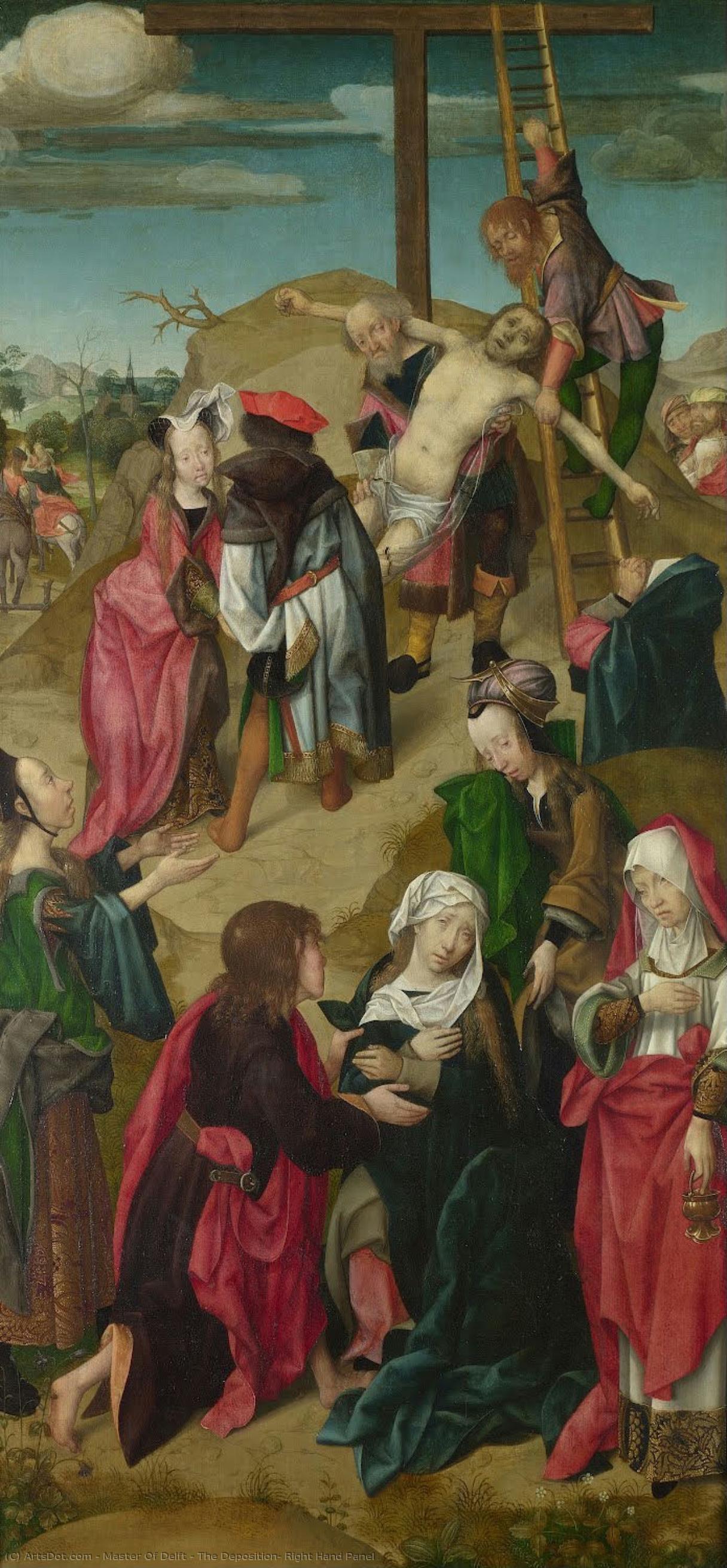
The Deposition: Right Hand Panel
 Oil On Canvas
- WallArt
- Master of Delft
 1510
1510 102.0 x 49.0 cm
 Национальная галерея
 Читать далее
Жикле / Арт-принт
Печать (жикле) или холст музейного качества с быстрыми сроками изготовления и широким выбором вариантов отделки. ( Купить картину ручной работы Перейти к цифровым изображениям)




P118B $10

P118H $10

P118W $10

P438Z $10

P508JH $12

P508YH $12

P805H $10

P805Z $10

P919BZ $10

P919G $10

P919XJ $10

P959ZH $10

P968JZ $12

W106C $8

W218G $10

W218JH $8

W218Y $10

W307PJ $10

W316G $10

W316PJ $8

W316Y $10

W398PJ $8

W4111J $10

W500HY $15

W500JH $15

W692G $12

W849H $8

W940BG $15

W953PJ $8




Выберите один из наших стандартных размеров, соответствующих оригинальным пропорциям произведения искусства.

Вы можете указать свои собственные размеры, чтобы репродукция идеально подошла под конкретную раму или пространство. Если выбранный вами размер не будет соответствовать пропорциям оригинала, мы либо обрежем произведение, либо дополним изображение зеркальным отражением краев или однотонной заливкой. Перед началом производства вам будет отправлен цифровой макет для утверждения.
Пожалуйста, обратите внимание, что предварительный просмотр на экране не отображает фактическую обрезку или расширение изображения. Только макет точно покажет финальную композицию.
Несмотря на возможность заказа индивидуальных размеров, мы рекомендуем выбирать размер из предопределенного списка, чтобы сохранить оригинальные пропорции.
Доставка по всему миру () за 2 недели вместо стандартных 4/5 недель. (11 Сентябрь)

Бесплатная экспресс-доставка по всему миру

Высококачественный льняной холст

Полное страхование доставки

Гарантия возмещения таможенных пошлин

Гарантия точного соответствия цветов

100-дневная политика возврата (только при обнаружении дефектов)

Гарантия возврата 100% средств

Предложение оптовых скидок
 Вариант со стеклом доступен только для размеров менее 110 см

The Deposition: Right Hand Panel
Жикле / Арт-принт
Размер репродукции
-


Итоговая стоимость
$ 62
A Moment Frozen in Time: The Deposition – Right Hand Panel
The “Deposition: Right Hand Panel,” painted around 1510 by the enigmatic Master of Delft, isn’t merely a religious scene; it's a profound meditation on grief, faith, and the quiet dignity of loss. This panel, part of a larger triptych now residing in the National Gallery in London, captures a pivotal moment – the removal of Christ’s body from the cross, an event brimming with both physical pain and spiritual significance. It's a work that transcends its historical context, speaking to universal themes of mortality and compassion, offering a glimpse into the artistic sensibilities of a remarkably skilled yet largely unknown painter.

The scene unfolds with a remarkable restraint, eschewing dramatic gestures for an atmosphere of solemn contemplation. Christ’s body, rendered with subtle modeling and a delicate touch, lies supported by several figures – men carefully lifting his weight, women weeping in sorrow. The composition is meticulously balanced, drawing the eye to the central figure while simultaneously conveying the emotional weight of the event. Notice how the artist masterfully uses light and shadow to create depth and volume, imbuing each character with a distinct presence.
Delft’s Hidden Master: Unraveling the Artist's Identity
The identity of the “Master of Delft” remains one of art history’s enduring mysteries. He emerged in the early 16th century, likely born around 1470, and his name became firmly established only in 1913 thanks to Max Jakob Friedländer's insightful analysis of a triptych featuring the Virgin and Child. This attribution is largely based on stylistic similarities – particularly the inclusion of Delft’s Nieuwe Kerk tower in the background of several scenes – suggesting a deep connection to the city and its artistic traditions. The artist’s work reflects the influences of his time, borrowing techniques from Lucas van Leyden and other prominent painters, yet forging a unique style characterized by a remarkable attention to detail and a profound understanding of human emotion.
Interestingly, Delft at this period was known more for its miniature painting than large panel works. This suggests the Master of Delft may have been involved in both disciplines, perhaps even working as a printmaker, creating woodcuts that further disseminated his artistic vision. The scarcity of surviving works makes him a particularly intriguing figure – a testament to the challenges faced by artists during times of upheaval and destruction.
Symbolism and Emotional Resonance
Beyond its narrative content, “The Deposition” is rich in symbolic meaning. The figures surrounding Christ are not merely witnesses to his death; they represent humanity’s response to suffering – grief, compassion, and ultimately, faith. The carefully chosen colors—the deep reds of the mourning women's robes, the muted blues and browns of the background—contribute to the overall sense of solemnity and introspection. The inclusion of the stone figures on the back panel, resembling angels or saints, adds a layer of spiritual significance, suggesting that Christ’s sacrifice is not merely an earthly event but a gateway to salvation.
Furthermore, the scene's quiet intimacy—the close proximity of the figures, their expressions of sorrow—creates a powerful emotional connection with the viewer. It’s a moment of vulnerability and shared humanity, reminding us of our own mortality and the importance of empathy and compassion. The panel invites contemplation on themes of loss, redemption, and the enduring power of faith.
A Legacy in Reproduction: Bringing Masterpiece to Your Space
ArtsDot offers meticulously crafted hand-painted reproductions of “The Deposition: Right Hand Panel,” allowing you to bring this iconic artwork into your home or office. Our skilled artists replicate the original’s intricate details, subtle nuances of color, and emotional depth with unparalleled precision. Whether you're an art collector, a design enthusiast, or simply someone seeking a piece of timeless beauty, our reproduction provides a stunning tribute to the Master of Delft’s enduring legacy. Explore our collection today and experience the profound impact of this remarkable masterpiece.
Похожие произведения


Биография художника
The Enigmatic Shadow of the Netherlands
In the annals of art history, some names shine with the brilliance of a sun, while others linger like a soft, evocative mist over a Dutch landscape. The Master of Delft belongs to this latter, more mysterious category. An anonymous hand from the twilight of Early Netherlandish painting, this artist’s true identity remains lost to time, leaving behind only a trail of exquisite devotion and meticulously rendered scenes. Emerging around 1470, this painter operated during a transformative era in the Netherlands, a period where the rigid structures of the Middle Ages were beginning to soften into the nuanced realism of the Renaissance. Though we cannot know his birth name, his presence is felt through the profound spiritual depth and technical precision found in his surviving panels.
The very moniker used to identify him was bestowed much later, in 1913, by the renowned scholar Max Jakob Friedländer. This designation arose from the artist's connection to the city of Delft, a bond suggested by the inclusion of specific architectural landmarks within his compositions. Most notably, the silhouette of the Nieuwe Kerk tower, completed in 1496, appears in the background of his works, anchoring his spiritual visions to a tangible, earthly location. This connection suggests an artist deeply rooted in the civic and religious life of Delft, perhaps even painting for the local elite, such as the identifiable family of Burgomaster Dirck Dircksz van Beest Heemskerck.
A Mastery of Devotion and Detail
The work of the Master of Delft is characterized by a breathtaking synthesis of oil on panel and tempera, a medium that allowed for a luminous, layered effect. His oeuvre is primarily defined by religious narratives, often presented in the intimate format of triptychs. These works were not merely decorations but windows into the divine, designed to facilitate prayer and contemplation. In his hands, the sacred stories of the Passion of Christ become visceral and immediate. His masterpiece, the Crucifixion triptych housed in the National Gallery, London, serves as a testament to his ability to weave complex iconography with a sense of profound human emotion.
Beyond the central religious figures, the artist possessed a remarkable talent for creating secondary worlds. His paintings often feature:
- Richly described landscapes: While frequently relegated to the background, these vistas are far from mere scenery; they are atmospheric environments that provide a sense of scale and serenity.
- Complex Illusionism: A sophisticated use of perspective and light that draws the viewer into the sacred space.
- Intricate Iconography: Every element, from a specific flower to a distant tower, carries a symbolic weight intended to deepen the theological narrative.
His technique was also heavily informed by the burgeoning print culture of the time. By incorporating details borrowed from contemporary engravings, he was able to bring a sense of modern, international style to his local commissions. This ability to blend the traditional Flemish style with the evolving visual language of the 16th century allowed his work to remain both timeless and cutting-edge for his era.
Legacy and the Thread of Continuity
While the Master of Delft may be an anonymous figure, his artistic DNA is woven into the very fabric of Dutch art history. The meticulous attention to light, the atmospheric landscapes, and the ability to find the extraordinary within the ordinary laid a foundation upon which later masters would build. One can trace a spiritual lineage from his quiet, devotional panels to the sweeping, light-drenched masterpieces of Johannes Vermeer and Rembrandt van Rijn. The preoccupation with texture, the subtle interplay of shadow, and the profound sense of place all echo through the centuries.
The historical significance of the Master of Delft lies in his role as a bridge between the late Gothic tradition and the dawn of the Dutch Golden Age. He represents a moment in history when art was transitioning from purely symbolic representations to a more observational, humanistic approach. Though he remains a shadow in the historical record, his brushstrokes continue to speak, offering us a glimpse into the soul of 16th-century Delft and the enduring power of religious devotion expressed through unparalleled craftsmanship.
master of delft
Netherlands
Основные сведения
- Artistic Movement Or Style: World Goes Pop
- Artists Or Movements Influenced By This Artist: ['Influences include various pop art figures']
- Artists Who Influenced This Artist: ['Influenced by diverse artists within the World Goes Pop movement']
- Date Of Death: Living
- Notable Artworks: ['Various works featured in The World Goes Pop exhibition']
- Place Of Birth: WahooArt
Похожие статьи

The Enduring Legacy of Oil on Canvas: Technique, History & Aesthetic Impact
Explore the rich history & techniques of oil painting – from Renaissance masters to Impressionism. Discover pigments, layering methods, and why this timeless medium endures. Expert insights for artists & art enthusiasts.

Oil on Canvas: A Historical & Technical Exploration of a Timeless Artistic Medium
Explore the rich history & enduring techniques of oil painting on canvas. Discover the science behind its longevity, conservation practices, and contemporary relevance. Expert insights for art enthusiasts.

Масляная живопись: История, техника и непреходящее наследие
Узнайте все о масляной живописи: история техники, секреты мастеров и современные тенденции. Погрузитесь в мир искусства с экспертами !

The Enduring Power of Painting: A Historical & Contemporary Exploration of Form and Emotion
Explore the rich history & enduring techniques of oil painting with ArtsDot. Discover masterpieces, learn about art collecting, and find authentic handmade reproductions crafted by skilled artists.
Топ-10 шедевров масляной живописи на доске, изменивших искусство навсегда | ArtsDot.com
Откройте для себя 10 легендарных шедевров масляной живописи на доске, изменивших искусство! Узнайте истории великих художников и их бессмертных произведений. Репродукции картин высокого качества от ArtsDot.com – вдохновение для вашего интерьера. Explore the full collection online!