

 Предпросмотр
 Поделиться
 Поделиться
 Детали произведения

 Скачать
 Похожие работы
 Рентгенография
 Слайд-шоу
 Статистика
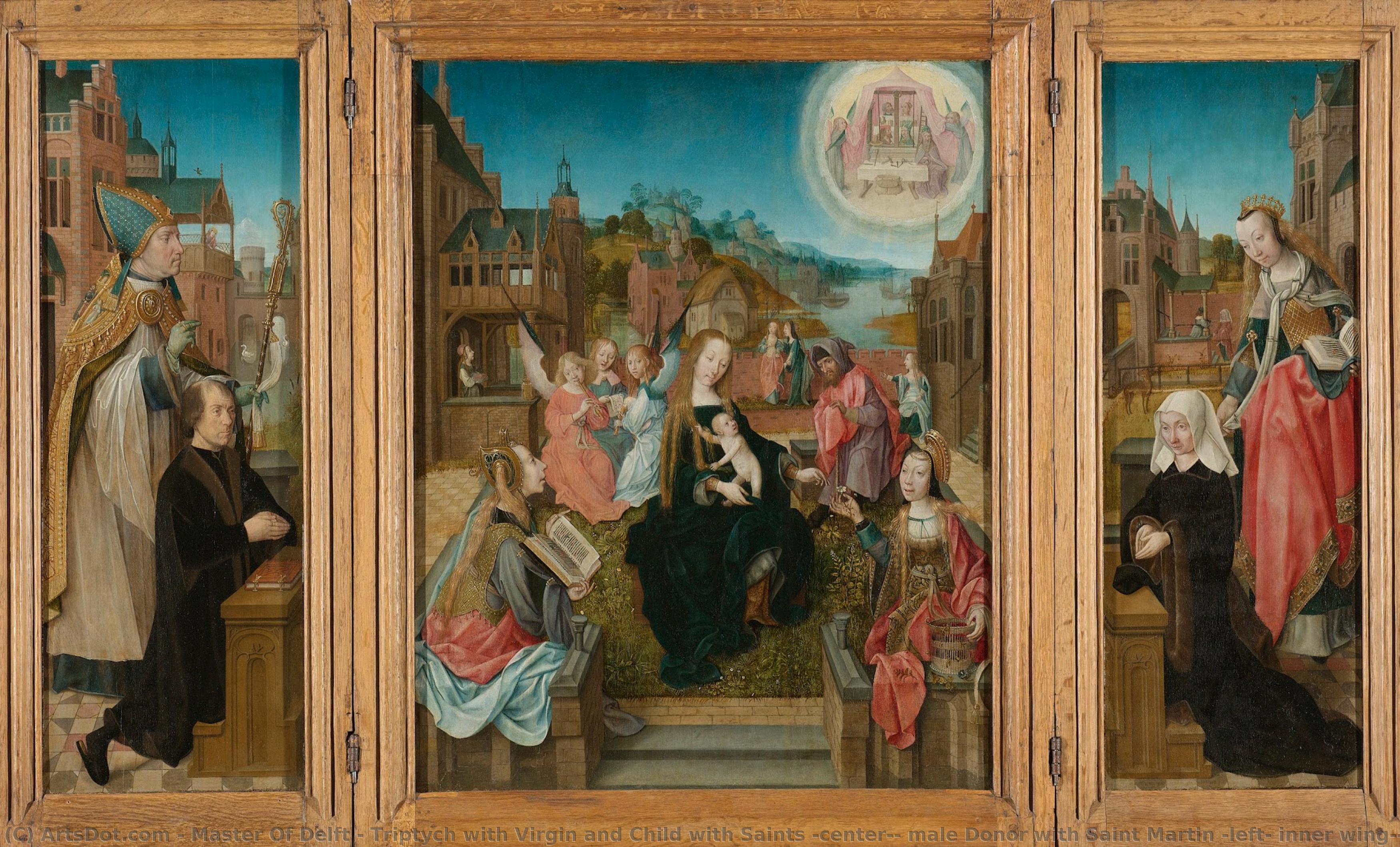
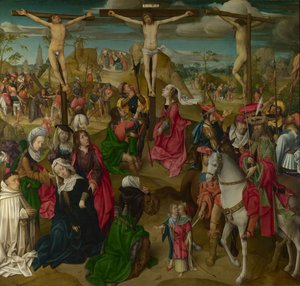
Triptych with Virgin and Child with Saints (center), male Donor with Saint Martin (left, inner wing), female Donor with Saint Cunera (right, inner wing), and the Annunciation (outer wings), Master of Delft, c. 1500 - c. 1510
 1510
1510 87.0 x 69.0 cm
 Читать далее
Приобретите цифровое изображение высокого разрешения в улучшенном качестве, которое значительно превосходит онлайн-превью.
Каждый файл тщательно подготавливается нашими специалистами с использованием передовых инструментов и экспертной ручной ретуши. Мы гарантируем исключительную четкость, точную цветопередачу и детальную проработку каждого изображения.
Финальный файл доставляется по электронной почте в течение 72 часов и оптимизирован для немедленного использования в профессиональной среде, при верстке и печати. Это тот же уровень качества, которому доверяют ведущие дизайнерские студии, издательства и галереи.
Цифровое изображение
Скачайте файл высокого разрешения для личного использования, печати и творческих проектов. ( Перейти к печати Купить картину ручной работы)
Включено в каждый заказ цифровых изображений
Гарантия экспертной цифровой доставки
Выбирая ArtsDot.com, вы получаете не просто изображение — вы приобретаете профессионально обработанное цифровое произведение искусства, созданное с безупречной точностью и под защитой гарантии качества. Вот всё, что автоматически входит в ваш заказ:

Мгновенная доставка по e-mail
Ваш цифровой файл в высоком разрешении будет отправлен вам по электронной почте в течение 72 часов после оформления заказа — и сразу станет доступен для использования.

Цифровой файл с ИИ-улучшением
Ваше произведение искусства проходит профессиональную оптимизацию с использованием передовых инструментов ИИ и ручной обработки, что гарантирует максимальную детализацию, четкость и точность цветопередачи.

Бессрочная бесплатная повторная доставка
Случайно удалили или потеряли файл? Не беспокойтесь — мы отправим его вам повторно в любое время и совершенно бесплатно.

Без импортных пошлин — навсегда
Наслаждайтесь вашим произведением искусства мгновенно без таможенных пошлин, сборов или затрат на доставку — цифровые загрузки всегда не облагаются налогом.

Гарантия точности цветопередачи
Мы гарантируем, что ваше цифровое изображение максимально точно передает оригинальные цвета благодаря использованию профессиональных инструментов и систем управления цветом.

Гарантия удовлетворенности 100 дней
Если вы не будете удовлетворены своим цифровым изображением, мы внесем правки или вернем 100% стоимости в течение 100 дней — без лишних вопросов.

100% Гарантия возврата средств
Не удовлетворены покупкой? Получите полный возврат средств в течение 100 дней после получения цифрового файла — без лишних вопросов.

Скидки на оптовые заказы
Купите 3 изображения, сэкономьте 10% — Купите 5, сэкономьте 15% — Купите 10+, сэкономьте 20%. Отличное решение для творческих проектов, галерей и агентств.
Похожие произведения







Биография художника
The Enigmatic Shadow of the Netherlands
In the annals of art history, some names shine with the brilliance of a sun, while others linger like a soft, evocative mist over a Dutch landscape. The Master of Delft belongs to this latter, more mysterious category. An anonymous hand from the twilight of Early Netherlandish painting, this artist’s true identity remains lost to time, leaving behind only a trail of exquisite devotion and meticulously rendered scenes. Emerging around 1470, this painter operated during a transformative era in the Netherlands, a period where the rigid structures of the Middle Ages were beginning to soften into the nuanced realism of the Renaissance. Though we cannot know his birth name, his presence is felt through the profound spiritual depth and technical precision found in his surviving panels.
The very moniker used to identify him was bestowed much later, in 1913, by the renowned scholar Max Jakob Friedländer. This designation arose from the artist's connection to the city of Delft, a bond suggested by the inclusion of specific architectural landmarks within his compositions. Most notably, the silhouette of the Nieuwe Kerk tower, completed in 1496, appears in the background of his works, anchoring his spiritual visions to a tangible, earthly location. This connection suggests an artist deeply rooted in the civic and religious life of Delft, perhaps even painting for the local elite, such as the identifiable family of Burgomaster Dirck Dircksz van Beest Heemskerck.
A Mastery of Devotion and Detail
The work of the Master of Delft is characterized by a breathtaking synthesis of oil on panel and tempera, a medium that allowed for a luminous, layered effect. His oeuvre is primarily defined by religious narratives, often presented in the intimate format of triptychs. These works were not merely decorations but windows into the divine, designed to facilitate prayer and contemplation. In his hands, the sacred stories of the Passion of Christ become visceral and immediate. His masterpiece, the Crucifixion triptych housed in the National Gallery, London, serves as a testament to his ability to weave complex iconography with a sense of profound human emotion.
Beyond the central religious figures, the artist possessed a remarkable talent for creating secondary worlds. His paintings often feature:
- Richly described landscapes: While frequently relegated to the background, these vistas are far from mere scenery; they are atmospheric environments that provide a sense of scale and serenity.
- Complex Illusionism: A sophisticated use of perspective and light that draws the viewer into the sacred space.
- Intricate Iconography: Every element, from a specific flower to a distant tower, carries a symbolic weight intended to deepen the theological narrative.
His technique was also heavily informed by the burgeoning print culture of the time. By incorporating details borrowed from contemporary engravings, he was able to bring a sense of modern, international style to his local commissions. This ability to blend the traditional Flemish style with the evolving visual language of the 16th century allowed his work to remain both timeless and cutting-edge for his era.
Legacy and the Thread of Continuity
While the Master of Delft may be an anonymous figure, his artistic DNA is woven into the very fabric of Dutch art history. The meticulous attention to light, the atmospheric landscapes, and the ability to find the extraordinary within the ordinary laid a foundation upon which later masters would build. One can trace a spiritual lineage from his quiet, devotional panels to the sweeping, light-drenched masterpieces of Johannes Vermeer and Rembrandt van Rijn. The preoccupation with texture, the subtle interplay of shadow, and the profound sense of place all echo through the centuries.
The historical significance of the Master of Delft lies in his role as a bridge between the late Gothic tradition and the dawn of the Dutch Golden Age. He represents a moment in history when art was transitioning from purely symbolic representations to a more observational, humanistic approach. Though he remains a shadow in the historical record, his brushstrokes continue to speak, offering us a glimpse into the soul of 16th-century Delft and the enduring power of religious devotion expressed through unparalleled craftsmanship.
master of delft
Netherlands
Основные сведения
- Artistic Movement Or Style: World Goes Pop
- Artists Or Movements Influenced By This Artist: ['Influences include various pop art figures']
- Artists Who Influenced This Artist: ['Influenced by diverse artists within the World Goes Pop movement']
- Date Of Death: Living
- Notable Artworks: ['Various works featured in The World Goes Pop exhibition']
- Place Of Birth: WahooArt