 Предпросмотр
 Поделиться
 Поделиться
 Детали произведения

 Скачать
 Похожие работы
 Рентгенография
 Слайд-шоу
 Статистика
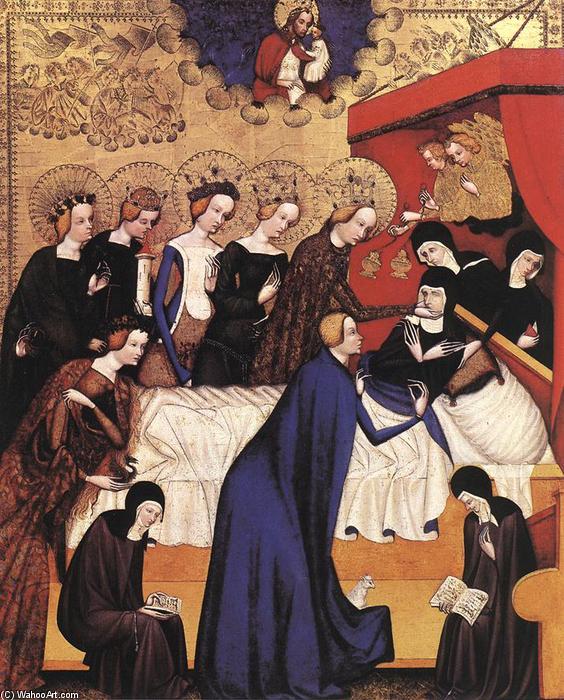
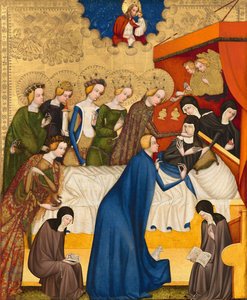
Смерть Святой Клары
 Акрил на холсте
- Настенный декор
- International Gothic Style
 1410
1410 66.0 x 53.0 cm
 Национальная галерея искусств
 Читать далее
Масляная репродукция ручной работы
Картина маслом на холсте в выбранном вами размере и раме, написанная на заказ нашими художниками. ( Перейти к печати Перейти к цифровым изображениям)




P118B $10

P118H $10

P118W $10

P438Z $10

P508JH $12

P508YH $12

P805H $10

P805Z $10

P919BZ $10

P919G $10

P919XJ $10

P959ZH $10

P968JZ $12

W106C $8

W218G $10

W218JH $8

W218Y $10

W307PJ $10

W316G $10

W316PJ $8

W316Y $10

W398PJ $8

W4111J $10

W500HY $15

W500JH $15

W692G $12

W849H $8

W940BG $15

W953PJ $8




Выберите один из наших стандартных размеров, соответствующих оригинальным пропорциям произведения искусства.

Вы можете указать собственные размеры, чтобы картина идеально вписалась в выбранную раму или пространство. Если выбранный вами размер не соответствует пропорциям оригинала, мы либо обрежем полотно, либо расширим его за счет дополнительных элементов, написанных вручную. Цифровой макет будет отправлен вам на утверждение перед началом производства.
Обратите внимание, что предварительный просмотр на экране не отражает фактическую обрезку или расширение. Только макет точно покажет окончательную композицию.
Хотя доступны индивидуальные размеры, мы рекомендуем выбирать вариант из предопределенного списка, чтобы сохранить исходные пропорции.
После оформления заказа команда ArtsDot.com свяжется с клиентом по электронной почте для уточнения деталей и предоставит предварительный макет
Доставка по всему миру () за 3–4 недели вместо стандартных 5 недель. (13 Сентябрь). Без компромиссов в качестве.

Бесплатная экспресс-доставка по всему миру

Высококачественный льняной холст

Полное страхование доставки

Гарантия возмещения таможенных пошлин

Гарантия точного соответствия цветов

100-дневная политика возврата (только при обнаружении дефектов)

Гарантия возврата 100% средств

Предложение оптовых скидок
 Вариант со стеклом доступен только для размеров менее 110 см

Смерть Святой Клары
Техника репродукции
Размер репродукции
-


Итоговая стоимость
$ 263
Мастер Эгерского монастыря и «Смерть Святой Клары»
Имя Мастера Эгерского монастыря остается одним из самых захватывающих загадок истории искусства, увлекательной головоломкой, которая занимает ученых более века. Этот австрийский художник, активный преимущественно в начале XV века, создал поразительное количество работ, характеризующихся драматическими религиозными сценами – особенно изображениями смерти Святой Клары и Благовещения Богородицы – которые демонстрируют уникальное сочетание готического и международного готического стилей. Его точные происхождение остаются неуловимыми, но отслеживание эволюции его искусства открывает увлекательный взгляд на художественную палитру раннего Возрождения Центральной Европы.
Наиболее известными произведениями Мастера Эгерского монастыря являются диптихи – две панели живописи, обнаруженные в Эгерском монастыре Святой Клары при Аустрии. Эти работы датируются около 1400-1410 годов и сразу же установили его отличительный стиль: удлиненные фигуры с изящными руками и тонкой линией плеча. Этот стиль был вдохновлен традициями немецкого искусства поздней готики и оказал влияние на многих художников того времени.
Основной работой Мастера Эгерского монастыря является картина «Смерть Святой Клары», которая сейчас находится в Национальной галерее искусств Вашингтона. Этот температный рисунок на деревянных панелях был распространенным методом работы в Средневековье и художник мастерски использовал его для создания богатой палитры цветов и текстур. Золотолитиевые акценты добавляют ощущение божественного света и святости сцене. Композиция характеризуется ощущением интимности и эмоциональной глубины, с выражением лиц и жестов фигур передающим мощный повествовательный рассказ.
- Стиль: Готический и Международный готический стиль
- Техника: Темпера на деревянных панелях
- Дата создания: 1410 г.
- Место хранения: Национальная галерея искусств Вашингтона, США
Символизм картины глубоко связан с религиозными представлениями эпохи Средневековья и отражает стремление художников выразить духовные идеи через искусство. Использование золота подчеркивает важность события и добавляет картине торжественности и благоговения перед Богом.
Эта работа является значительным произведением средневекового искусства, предлагающим взгляды на художественную практику и религиозное культ эпохи. Художник уделял внимание деталям изображения фигур и окружающей среды, создавая яркую и эмоционально насыщенную сцену. Для более подробной информации о средневековом искусстве и художниках посетите Музей Beaux-Arts Дижона во Франции.
Некоторые известные произведения искусства, которые имеют сходства с «Смертью Святой Клары», включают:
- Моисей Уголино ди Нерио – темпера на деревянной панели из той же эпохи
- Христос Питера Лоренцетти – панель живописи, демонстрирующая использование символизма и композиции
- Мадонна и Иисус Христос с святыми Фомой и Екатериной Сиенской – темпера на деревянных панелях, демонстрирующий мастерство художника в изображении религиозных сцен
Высококачественные репродукции этих работ доступны на сайте ArtsDot.com, позволяя любителям искусства оценить и приобрести эти шедевры.
Похожие произведения
Биография художника
The Enigmatic Master of Heiligenkreuz: A Portrait of a Lost Renaissance
The identity of the “Master of Heiligenkreuz” remains one of art history’s most enduring mysteries, a captivating puzzle that has occupied scholars for over a century. This Austrian painter, active primarily during the first half of the 15th century, produced a remarkable body of work characterized by dramatic religious scenes—particularly depictions of St. Clare’s death and Annunciations—that showcase a unique blend of Gothic and International Gothic styles. While his precise origins remain elusive, tracing the evolution of his art offers a fascinating glimpse into the artistic landscape of early Renaissance Central Europe.
The earliest known works attributed to the Master are diptychs – two-panel paintings – discovered at the Cistercian Abbey of Heiligenkreuz in southeastern Austria. These pieces, dating from around 1400-1410, immediately established his distinctive style: elongated figures with delicate hands and faces, a penchant for rich color palettes, and an expressive use of light and shadow. The left panel depicts the Annunciation, showcasing the Virgin Mary receiving the news of her divine conception, while the reverse portrays the Madonna and Child – a tender scene brimming with serenity. The right panel presents the Mystical Marriage of Saint Catherine, alongside Saint Dorothy, demonstrating a masterful command of detail and emotional depth.
What immediately sets the Master’s work apart is its synthesis of influences. While firmly rooted in the Gothic tradition—evident in his meticulous rendering of drapery and architectural details—he also absorbed elements from the International Gothic style, which was gaining prominence across Europe at the time. This fusion resulted in a highly individualistic aesthetic, characterized by an almost unsettling realism combined with a profound sense of spirituality. The figures possess a certain elongated quality, reminiscent of Northern European art, yet their expressions are imbued with a palpable emotional intensity rarely seen in contemporary works.
Several theories have been proposed regarding the Master’s origins and artistic influences. Initially, scholars suggested a French connection, pointing to similarities with Franco-Burgundian goldsmithing techniques evident in his use of gold leaf and decorative elements. Later investigations explored potential links to Prague, citing stylistic parallels with panel painting workshops active at the Bohemian court. The debate continues, fueled by the scarcity of documentary evidence and the fragmentary nature of the surviving corpus. It’s possible that the Master was an itinerant artist, traveling between different courts and absorbing influences from various artistic centers.
Despite the lack of definitive answers about his identity, the Master of Heiligenkreuz's legacy is undeniable. His paintings are prized for their emotional intensity, technical skill, and unique stylistic synthesis. They represent a crucial link in the development of early Renaissance art in Austria, bridging the gap between the late Gothic period and the burgeoning realism of the High Renaissance. Works like “The Death of St. Clare,” currently housed at the National Gallery of Washington D.C., exemplify his ability to convey profound religious themes with remarkable sensitivity and dramatic power. The enduring mystery surrounding his life and origins only adds to the allure of this enigmatic artist, ensuring that the Master of Heiligenkreuz will continue to fascinate art historians for generations to come.
Key Works & Characteristics
- The Death of St. Clare (c. 1400-1410): National Gallery of Art, Washington D.C. – A cornerstone of the Master’s oeuvre, showcasing his dramatic use of light and shadow to convey a sense of profound sorrow and spiritual transcendence.
- Annunciation (c. 1400-1410): Cistercian Abbey of Heiligenkreuz – Demonstrates the artist's mastery of composition and detail, capturing the moment of divine revelation with remarkable precision.
- Mystical Marriage of Saint Catherine (c. 1400-1410): Cistercian Abbey of Heiligenkreuz – Highlights the Master’s ability to imbue religious figures with a sense of human emotion and vulnerability.
- Diptychs:** The majority of the Master's known works are diptychs, reflecting the prevalent format for devotional paintings during this period.
Stylistic Influences & Techniques
The Master’s style is a complex synthesis of influences. He drew heavily from the Gothic tradition, evident in his meticulous attention to detail, particularly in the rendering of drapery and architectural elements. However, he also incorporated elements of the International Gothic style, characterized by elongated figures, delicate hands, and an expressive use of color. His technique involved layering thin glazes of paint to achieve luminous effects and creating a sense of depth through careful modeling of forms. The use of gold leaf was particularly prominent, adding richness and splendor to his works.
Historical Context & Legacy
The Master of Heiligenkreuz operated during a period of significant artistic and cultural change in Central Europe. The rise of the Renaissance coincided with the decline of feudalism and the emergence of new urban centers. His work reflects this dynamic environment, blending traditional religious iconography with innovative stylistic approaches. Despite the lack of definitive biographical information, his paintings are considered to be among the most important examples of early Renaissance art in Austria, offering valuable insights into the artistic development of the region. The enduring mystery surrounding his identity only serves to heighten the fascination with this enigmatic and profoundly talented artist.
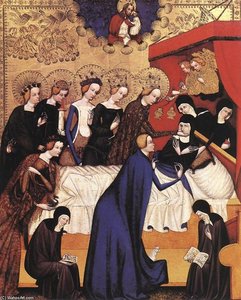
master of heiligenkreuz
Austria
Основные сведения
- Artistic Movement Or Style: International Gothic
- Artists Or Movements Influenced By This Artist: ['French and German artists']
- Artists Who Influenced This Artist:
- Franco-Burgundian goldsmiths
- Prague panel painters
- Date Of Birth: c. 1395-1430
- Full Name: Master of Heiligenkreuz
- Nationality: Austrian
- Notable Artworks:
- The Death of St. Clare
- Annunciation
- Mystical Marriage of Saint Catherine
- Place Of Birth: Heiligenkreuz, Austria
Похожие статьи
Эль Греко: 25 шедевров гения. Купить картины онлайн | ArtsDot
Погрузитесь в мир Эль Греко! 25 величайших шедевров испанского маньеризма. Узнайте историю создания культовых картин, технику и символизм. Купите репродукции высокого качества для вашего интерьера на ArtsDot.com.
Late Medieval Masterpieces: 10 Artworks That Defined an Era | ArtsDot
Journey through 10 defining Late Medieval masterpieces – from Giotto's frescoes to Jan van Eyck’s realism. Explore the stories, techniques & vibrant colors of Gothic art. Find museum-quality reproductions and elevate your home decor with ArtsDot.com! Discover all masterpieces on ArtsDot.com
Illuminating History: A Comprehensive Exploration of Tempera Painting Techniques & Artistic Legacy
Explore the rich history & techniques of tempera painting! Discover Renaissance masters like Botticelli & Fra Angelico, conservation insights, and the enduring legacy of this captivating art form.
Illuminating Surfaces: A Comprehensive Exploration of Tempera on Panel Painting Techniques & Historical Significance
Explore the rich history & techniques of tempera painting! Discover Renaissance masters like Botticelli & Fra Angelico, conservation insights, and the enduring legacy of this captivating art form. Learn more now!
High Medieval Art: 10 Masterpieces That Shaped an Era | ArtsDot
Journey through High Medieval Art! Explore 10 iconic masterpieces – from Giotto's frescoes to stunning Gothic cathedrals. Discover the stories behind these timeless paintings, sculptures & illuminated manuscripts. Find museum-quality art reproductions at ArtsDot.com.