

 Предпросмотр
 Поделиться
 Поделиться
 Детали произведения

 Скачать
 Похожие работы
 Рентгенография
 Слайд-шоу
 Статистика
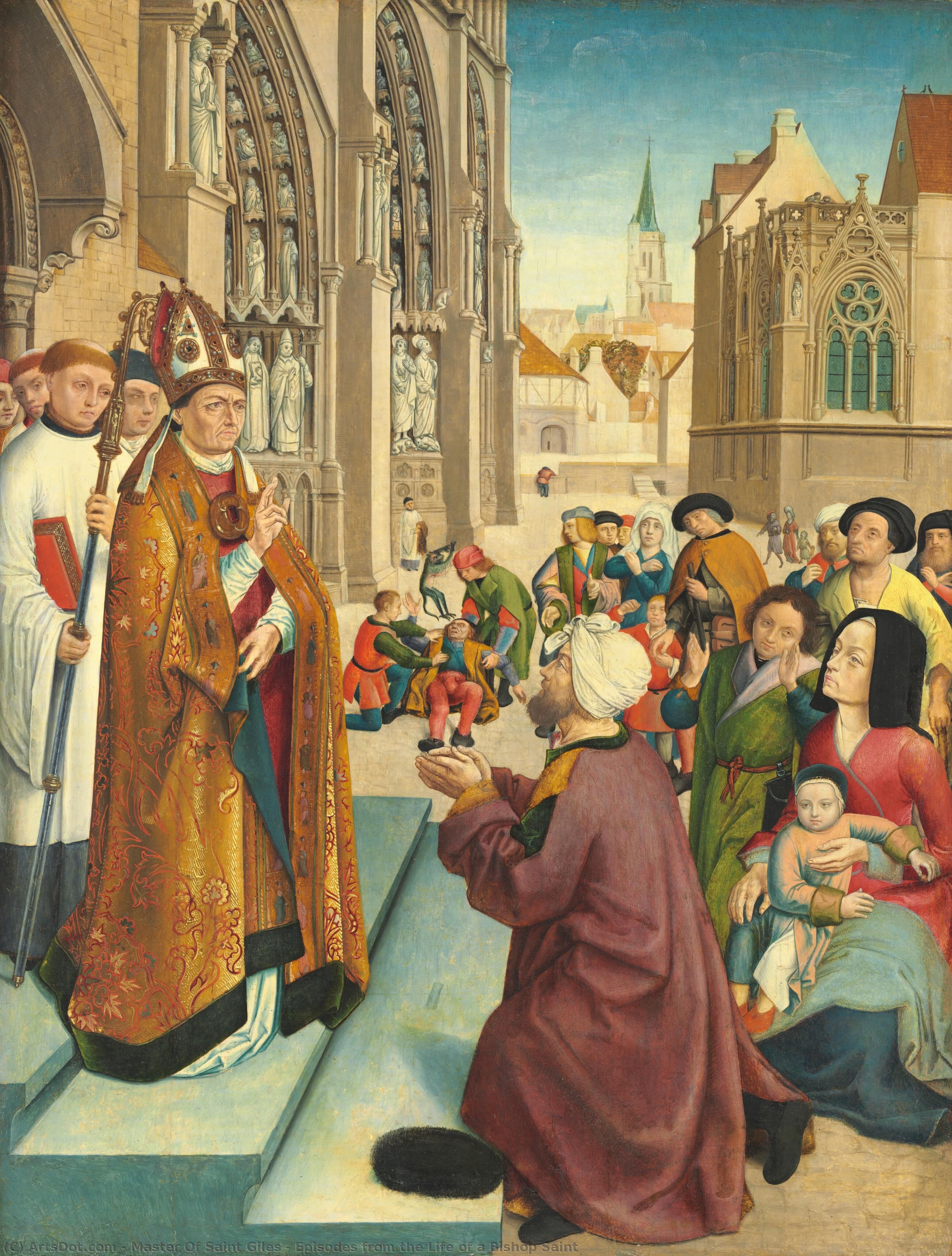
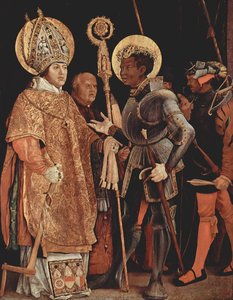
Episodes from the Life of a Bishop Saint
 Late Gothic
 1500
1500 76.0 x 63.0 cm
 Читать далее
Приобретите цифровое изображение высокого разрешения в улучшенном качестве, которое значительно превосходит онлайн-превью.
Каждый файл тщательно подготавливается нашими специалистами с использованием передовых инструментов и экспертной ручной ретуши. Мы гарантируем исключительную четкость, точную цветопередачу и детальную проработку каждого изображения.
Финальный файл доставляется по электронной почте в течение 72 часов и оптимизирован для немедленного использования в профессиональной среде, при верстке и печати. Это тот же уровень качества, которому доверяют ведущие дизайнерские студии, издательства и галереи.
Цифровое изображение
Скачайте файл высокого разрешения для личного использования, печати и творческих проектов. ( Перейти к печати Купить картину ручной работы)
Включено в каждый заказ цифровых изображений
Гарантия экспертной цифровой доставки
Выбирая ArtsDot.com, вы получаете не просто изображение — вы приобретаете профессионально обработанное цифровое произведение искусства, созданное с безупречной точностью и под защитой гарантии качества. Вот всё, что автоматически входит в ваш заказ:

Мгновенная доставка по e-mail
Ваш цифровой файл в высоком разрешении будет отправлен вам по электронной почте в течение 72 часов после оформления заказа — и сразу станет доступен для использования.

Цифровой файл с ИИ-улучшением
Ваше произведение искусства проходит профессиональную оптимизацию с использованием передовых инструментов ИИ и ручной обработки, что гарантирует максимальную детализацию, четкость и точность цветопередачи.

Бессрочная бесплатная повторная доставка
Случайно удалили или потеряли файл? Не беспокойтесь — мы отправим его вам повторно в любое время и совершенно бесплатно.

Без импортных пошлин — навсегда
Наслаждайтесь вашим произведением искусства мгновенно без таможенных пошлин, сборов или затрат на доставку — цифровые загрузки всегда не облагаются налогом.

Гарантия точности цветопередачи
Мы гарантируем, что ваше цифровое изображение максимально точно передает оригинальные цвета благодаря использованию профессиональных инструментов и систем управления цветом.

Гарантия удовлетворенности 100 дней
Если вы не будете удовлетворены своим цифровым изображением, мы внесем правки или вернем 100% стоимости в течение 100 дней — без лишних вопросов.

100% Гарантия возврата средств
Не удовлетворены покупкой? Получите полный возврат средств в течение 100 дней после получения цифрового файла — без лишних вопросов.

Скидки на оптовые заказы
Купите 3 изображения, сэкономьте 10% — Купите 5, сэкономьте 15% — Купите 10+, сэкономьте 20%. Отличное решение для творческих проектов, галерей и агентств.
Похожие произведения
Биография художника
The Enigmatic Master of Saint Giles: A Vision in Late Gothic Detail
The identity of the “Master of Saint Giles” remains one of art history’s most enduring mysteries, a captivating puzzle wrapped within layers of legend and tantalizing hints. Active primarily in Paris during the early 16th century, this anonymous artist produced a small but remarkably significant body of work – predominantly panels depicting scenes from the life of Saint Giles, the hermit, alongside other religious narratives. His style, characterized by an exquisite delicacy and meticulous attention to detail, reveals a profound influence from both Netherlandish painting and the evolving traditions of French late Gothic art, creating a unique visual language that continues to fascinate scholars today.
Early accounts, notably those compiled by Max Friedländer in the early 20th century, established the “Master” as a Franco-Flemish painter trained in the Low Countries who later settled in France. This theory gained considerable traction due to stylistic similarities with works by artists like Rogier van der Weyden and Jean Hey (the Master of Moulins), suggesting a shared artistic lineage. However, more recent research has challenged this straightforward narrative, proposing that the artist may have been a French painter deeply influenced by Netherlandish techniques – perhaps even trained in the Netherlands before returning to France. The presence of Parisian landscapes within some panels, alongside the distinctive style of his figures, hints at a local sensibility and engagement with the urban environment.
The surviving works—primarily the “Episodes from the Life of a Bishop Saint” (National Gallery, London), two panels depicting scenes from Saint Giles’s life (National Gallery of Art, Washington D.C.), and a Betrayal of Christ in Brussels—offer invaluable insights into the artist's creative process. These panels are not merely representations of biblical stories; they are meticulously constructed narratives filled with symbolic detail and psychological depth. The figures are rendered with remarkable realism, capturing subtle expressions and gestures that convey a wealth of emotion. The use of light is particularly noteworthy – it’s diffused and atmospheric, creating a sense of intimacy and drawing the viewer into the scene. The artist's mastery of texture—evident in the rendering of fabrics, wood, and skin—further enhances the visual impact of his work.
A Tapestry of Influences: Netherlandish Roots and French Sensibilities
The Master’s style is a compelling synthesis of influences. His meticulous attention to detail and realistic depiction of interiors clearly stem from the burgeoning realism of Netherlandish painting, particularly the work of Rogier van der Weyden and his followers. The artist's use of perspective, his careful observation of anatomy, and his ability to capture the nuances of human expression are all hallmarks of this tradition. However, the Master’s paintings also possess a distinctly French sensibility – a sensitivity to color, a decorative elegance, and an interest in portraying everyday life that reflects the artistic trends developing in Paris at the time.
The incorporation of Parisian landscapes into some panels—such as the depiction of Pontoise in the “King Hunting” panel—suggests a deep connection to his local environment. This element distinguishes him from many Netherlandish artists who primarily focused on religious subjects and idealized settings. Furthermore, the artist’s use of grisaille figures – small, monochrome portraits integrated into larger compositions—is another characteristic feature of French late Gothic art, demonstrating his familiarity with established artistic conventions.
The Legend of Saint Giles: A Shifting Narrative
The story surrounding the Master of Saint Giles is inextricably linked to the legend of Saint Giles himself. The saint, a hermit who lived in the Rhône valley during the 7th century, became a popular figure throughout Europe, revered for his piety, humility, and miraculous healing abilities. The anonymous legend that has survived through centuries of transmission presents a complex and often contradictory narrative, involving a royal connection to Charlemagne and a series of miracles attributed to the saint’s intervention.
While much of this legend is likely embellished or fabricated, it played a crucial role in shaping the artist's reputation and attracting pilgrims to his panels. The tale of Charlemagne’s hidden sin—revealed by Saint Giles during Mass—became a central element of the cult, adding an aura of mystery and intrigue to the saint’s story. The historical dating of this legend is itself debated, with some scholars suggesting that it originated in the 10th century, long after Saint Giles's death.
A Legacy of Mystery: The Enduring Appeal of the Master
Despite the lack of definitive biographical information, the “Master of Saint Giles” remains one of the most intriguing figures in French Renaissance art. His paintings are prized for their technical skill, emotional depth, and evocative atmosphere. The mystery surrounding his identity—whether he was a Franco-Flemish artist or a purely French painter—continues to fuel scholarly debate and inspire new interpretations of his work.
The Master’s influence extends beyond the individual panels that survive. His meticulous attention to detail and his ability to capture the nuances of human experience have resonated with artists throughout the centuries, influencing generations of painters who sought to emulate his style. His legacy endures not only in the art museums where his paintings are displayed but also in the ongoing fascination they inspire—a testament to the enduring power of a mysterious artist whose identity remains shrouded in intrigue.

master of saint giles
France
Основные сведения
- Artistic Movement Or Style: Naive Painting
- Artists Or Movements Influenced By This Artist: ['Toussaint Paintings']
- Artists Who Influenced This Artist: ['Netherlandish painting']
- Date Of Birth: Paris, France (c. 1820)
- Full Name: Raphaël Toussaint
- Nationality: French
- Notable Artworks: ['Episodes from the Life of a Bishop Saint']
- Place Of Birth: Paris, France