

 Предпросмотр
 Поделиться
 Поделиться
 Детали произведения

 Скачать
 Похожие работы
 Рентгенография
 Слайд-шоу
 Статистика
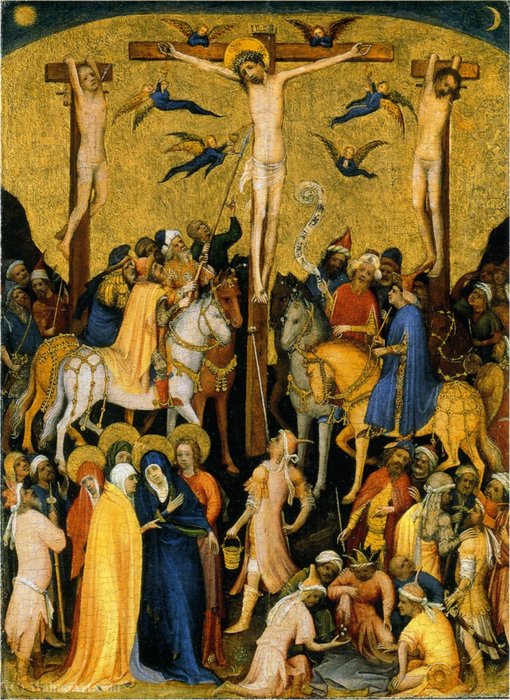
The small Calvary.
 Читать далее
Жикле / Арт-принт
Печать (жикле) или холст музейного качества с быстрыми сроками изготовления и широким выбором вариантов отделки. ( Купить картину ручной работы Перейти к цифровым изображениям)




































Выберите один из наших стандартных размеров, соответствующих оригинальным пропорциям произведения искусства.

Вы можете указать свои собственные размеры, чтобы репродукция идеально подошла под конкретную раму или пространство. Если выбранный вами размер не будет соответствовать пропорциям оригинала, мы либо обрежем произведение, либо дополним изображение зеркальным отражением краев или однотонной заливкой. Перед началом производства вам будет отправлен цифровой макет для утверждения.
Пожалуйста, обратите внимание, что предварительный просмотр на экране не отображает фактическую обрезку или расширение изображения. Только макет точно покажет финальную композицию.
Несмотря на возможность заказа индивидуальных размеров, мы рекомендуем выбирать размер из предопределенного списка, чтобы сохранить оригинальные пропорции.
Доставка по всему миру () за 2 недели вместо стандартных 4/5 недель. (11 Сентябрь)

Бесплатная экспресс-доставка по всему миру

Высококачественный льняной холст

Полное страхование доставки

Гарантия возмещения таможенных пошлин

Гарантия точного соответствия цветов

100-дневная политика возврата (только при обнаружении дефектов)

Гарантия возврата 100% средств

Предложение оптовых скидок
 Вариант со стеклом доступен только для размеров менее 110 см

The small Calvary.
Жикле / Арт-принт
Размер репродукции
-


Итоговая стоимость
$ 62
Похожие произведения

Биография художника
The Enigmatic Master of Saint Veronica: A Glimpse into a Lost Renaissance
The identity of the “Master of Saint Veronica” remains one of art history’s most enduring mysteries. Active in Cologne during the early decades of the 15th century, this anonymous artist produced a remarkable body of devotional works, primarily triptychs and panel paintings, that offer a poignant window into the religious fervor and artistic sensibilities of the burgeoning German Renaissance. Despite centuries of speculation and scholarly investigation, his true name—and even the precise details of his life—remain elusive, leading art historians to rely on stylistic analysis and contextual clues to piece together a fragmented portrait of this influential yet forgotten figure.
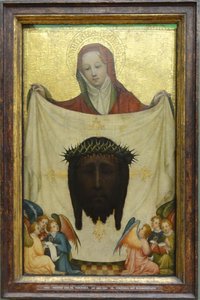
The artist’s fame rests largely upon a single, profoundly moving triptych housed in the Alte Pinakothek in Munich: “Saint Veronica with the Sudarium” (c. 1420). This work, characterized by its exquisite detail and deeply emotive portrayal of Saint Veronica offering Jesus’ face to her veil—the Sudarium—immediately captivated viewers and established the Master as a leading artistic voice in Cologne. The painting's composition is remarkably intimate; the figures are rendered with an almost photographic realism, capturing not just their physical appearance but also their emotional states. The use of muted colors, particularly blues and browns, creates a sense of solemnity and reverence, while subtle gradations of light and shadow imbue the scene with a palpable atmosphere of grief and compassion.
Beyond this iconic masterpiece, a small but significant collection of works attributed to the Master has been identified. These include detached miniatures—likely fragments from an illuminated manuscript—now residing in the Getty Museum, and several panel paintings featuring biblical scenes and depictions of saints. The stylistic similarities between these pieces strongly suggest that they were all created by the same hand, further solidifying the notion of a cohesive artistic style. Notably, many of these works share a similar focus on emotional intensity and psychological depth—qualities that distinguish them from the more formal and stylized art of the preceding Gothic period.
The Shadowy Figure: Life and Context
Little is known about the Master’s personal life. He appears to have emerged onto the Cologne artistic scene around 1400, a time marked by significant social and religious upheaval. The city was experiencing rapid growth and prosperity, fueled by burgeoning trade and commerce, but also grappling with increasing religious anxieties. The rise of the mendicant orders—friars dedicated to poverty and preaching—challenged the established authority of the Church, while simultaneously fostering a renewed interest in piety and devotion.
Contemporary records provide tantalizing glimpses into the artist’s world. A chronicle from 1402 mentions Wilhelm, a painter working in Cologne, who was praised for his skill in depicting people with remarkable realism. This reference has long been linked to the Master of Saint Veronica, though it remains uncertain whether this is the same individual. Furthermore, a document from 1435 records the death of another “magister Wilhelmus,” an “honourable man, singular painter and our friend,” in the Cologne Charterhouse monastery. This figure—again, potentially the Master—was described as a valued member of the monastic community.
The influence of other artists undoubtedly shaped the Master’s style. The International Gothic tradition, characterized by its elegant figures, intricate details, and emphasis on decorative elements, served as a foundational framework for his work. However, the Master also demonstrated a remarkable sensitivity to psychological expression—a trait that would later become a hallmark of the Early Renaissance. The works of Giotto, who pioneered a more naturalistic and emotionally resonant style in Florence, likely exerted a significant influence, as did the emerging trend towards greater realism and individualization in portraiture.
Symbolism and Religious Significance
The “Master of Saint Veronica”’s paintings are steeped in religious symbolism. The central image—Saint Veronica offering Jesus’ face to her veil—is a powerful meditation on humility, compassion, and the sacredness of suffering. The Sudarium itself—the cloth bearing the imprint of Christ's face—holds profound significance as an *acheiropoieton*—an image created without human hands—a miraculous artifact embodying divine grace. The choice of depicting Saint Veronica, a relatively obscure figure in the Gospels, underscores the artist’s focus on emotional resonance and spiritual depth rather than purely narrative accuracy.
The triptych format—a common feature of 15th-century religious art—allowed the Master to create complex and layered compositions. Each panel offered a distinct perspective on the story, inviting viewers to contemplate the events from different angles. The use of color, light, and shadow further enhanced the emotional impact of the scenes, creating a sense of immediacy and intimacy.
Legacy and Historical Significance
Despite the enduring mystery surrounding his identity, the Master of Saint Veronica remains a pivotal figure in the history of German art. His works represent a crucial transitional stage between the Gothic and Renaissance periods, embodying the artistic innovations and spiritual concerns of early 15th-century Cologne. The artist’s emphasis on psychological realism, emotional intensity, and devotional symbolism foreshadowed many of the key developments that would characterize the High Renaissance.
The Master's legacy is particularly evident in the work of later artists who followed in his footsteps. Hans Memling, for example—a prominent painter active in Bruges—was deeply influenced by the Master’s style and technique. The “Veil of Veronica” attributed to Memling, now housed at the National Gallery in London, demonstrates a clear continuity with the Master's oeuvre, further solidifying his position as a formative influence on Northern European art.
The enduring fascination with the Master of Saint Veronica underscores the power of art to evoke emotion and inspire contemplation. His anonymous existence only adds to the intrigue, prompting us to imagine the life and creative spirit of this enigmatic artist—a true pioneer of the German Renaissance.
master of saint veronica
1400 - 1420 , Germany
Основные сведения
- Artistic Movement Or Style: International Gothic
- Artists Or Movements Influenced By This Artist: ['Hans Memling']
- Artists Who Influenced This Artist: ['']
- Date Of Birth: c. 1400
- Date Of Death: 1420
- Full Name: Master of Saint Veronica
- Nationality: German
- Notable Artworks:
- Saint Veronica with the Sudarium
- The Crucifixion
- Place Of Birth: Germany (Cologne)