

 Предпросмотр
 Поделиться
 Поделиться
 Детали произведения

 Скачать
 Похожие работы
 Рентгенография
 Слайд-шоу
 Статистика
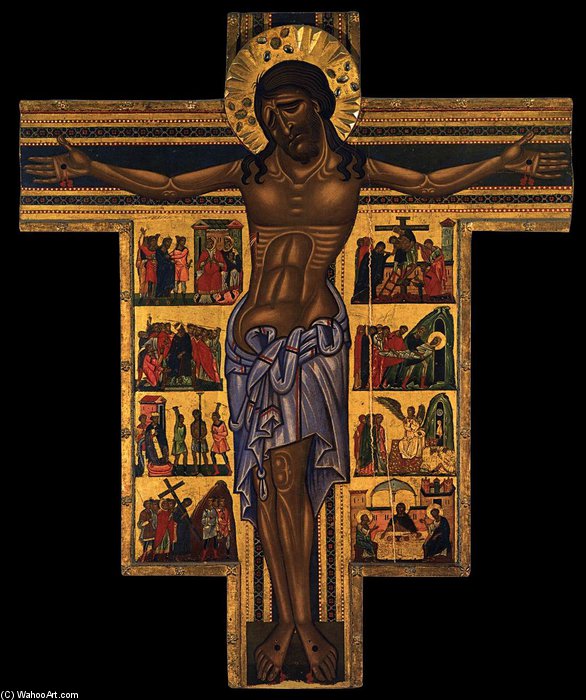
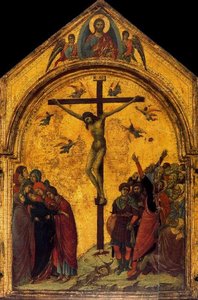
Crucifix With Scenes From Calvary
 Читать далее
Приобретите цифровое изображение высокого разрешения в улучшенном качестве, которое значительно превосходит онлайн-превью.
Каждый файл тщательно подготавливается нашими специалистами с использованием передовых инструментов и экспертной ручной ретуши. Мы гарантируем исключительную четкость, точную цветопередачу и детальную проработку каждого изображения.
Финальный файл доставляется по электронной почте в течение 72 часов и оптимизирован для немедленного использования в профессиональной среде, при верстке и печати. Это тот же уровень качества, которому доверяют ведущие дизайнерские студии, издательства и галереи.
Цифровое изображение
Скачайте файл высокого разрешения для личного использования, печати и творческих проектов. ( Перейти к печати Купить картину ручной работы)
Включено в каждый заказ цифровых изображений
Гарантия экспертной цифровой доставки
Выбирая ArtsDot.com, вы получаете не просто изображение — вы приобретаете профессионально обработанное цифровое произведение искусства, созданное с безупречной точностью и под защитой гарантии качества. Вот всё, что автоматически входит в ваш заказ:

Мгновенная доставка по e-mail
Ваш цифровой файл в высоком разрешении будет отправлен вам по электронной почте в течение 72 часов после оформления заказа — и сразу станет доступен для использования.

Цифровой файл с ИИ-улучшением
Ваше произведение искусства проходит профессиональную оптимизацию с использованием передовых инструментов ИИ и ручной обработки, что гарантирует максимальную детализацию, четкость и точность цветопередачи.

Бессрочная бесплатная повторная доставка
Случайно удалили или потеряли файл? Не беспокойтесь — мы отправим его вам повторно в любое время и совершенно бесплатно.

Без импортных пошлин — навсегда
Наслаждайтесь вашим произведением искусства мгновенно без таможенных пошлин, сборов или затрат на доставку — цифровые загрузки всегда не облагаются налогом.

Гарантия точности цветопередачи
Мы гарантируем, что ваше цифровое изображение максимально точно передает оригинальные цвета благодаря использованию профессиональных инструментов и систем управления цветом.

Гарантия удовлетворенности 100 дней
Если вы не будете удовлетворены своим цифровым изображением, мы внесем правки или вернем 100% стоимости в течение 100 дней — без лишних вопросов.

100% Гарантия возврата средств
Не удовлетворены покупкой? Получите полный возврат средств в течение 100 дней после получения цифрового файла — без лишних вопросов.

Скидки на оптовые заказы
Купите 3 изображения, сэкономьте 10% — Купите 5, сэкономьте 15% — Купите 10+, сэкономьте 20%. Отличное решение для творческих проектов, галерей и агентств.
Похожие произведения

Биография художника
Master of Saint Francis
The Master of Saint Francis, also known as Maestro di S. Francesco, remains an enigmatic figure in the history of Italian Gothic art. Despite extensive scholarly research and meticulous stylistic analysis, his identity has stubbornly resisted definitive attribution—a puzzle that continues to fascinate art historians today. Born sometime around 1250–1280, likely in Pisa or possibly trained in Umbria, he emerged during a period of profound artistic innovation, blending Byzantine traditions with the burgeoning vernacular style of Tuscany and Florence. His oeuvre consists primarily of frescoes adorning churches throughout Italy, notably the Basilica di Santa Croce in Florence and the Cappella Bardi—works that exemplify the stylistic convergence characteristic of his era.- Early Influences: The Master’s artistic vision was undeniably shaped by Byzantine iconography, particularly the monumental mosaics of Constantinople and Thessalonica. This influence is evident in the meticulous detail, luminous coloration, and stylized drapery found throughout his paintings—elements that hark back to the grandeur and spiritual solemnity of Eastern Orthodox art.
- Stylistic Characteristics: His frescoes are distinguished by a remarkable fusion of Byzantine and Florentine techniques. The use of tempera paint on plaster is typical of Umbrian painting, yet it’s combined with innovative compositional strategies reminiscent of Giotto—specifically the depiction of figures in three-dimensional space and the incorporation of naturalistic elements into religious narratives.
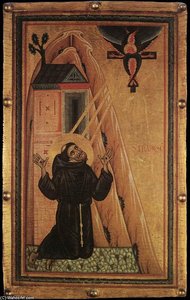
- Notable Works: Among his most celebrated achievements are the frescoes depicting Saint Francis Receiving the Stigmata in Santa Croce and The Crucifix with Eight Scenes from Calvary, both masterpieces that showcase his mastery of color, perspective, and expressive gesture. These paintings stand as testaments to his artistic skill and contribute significantly to our understanding of Gothic art’s stylistic evolution.
- The Cappella Bardi Frescoes: The Cappella Bardi frescoes represent a pinnacle of Florentine Gothic style—a collaborative effort involving several artists, including Piero della Francesca and Andrea Pisano. However, the Master's contribution is paramount in establishing the chapel as one of the most influential spaces for artistic innovation during the fourteenth century.
The Legacy of Byzantine Influence
Despite the stylistic blending with Florentine traditions, the Master’s work retains a palpable connection to Byzantine art—a testament to the interconnectedness of European artistic culture during the medieval period. His meticulous attention to detail and his masterful use of color—particularly gold leaf—echo the splendor and spiritual depth of Byzantine mosaics and icons. This stylistic convergence underscores the importance of recognizing broader cultural exchanges in shaping artistic developments.
Critical Reception & Attribution Challenges
Art historians have debated extensively over the attribution of the Master’s paintings for decades. While some scholars contend that he was a student of Cimabue—a prominent Florentine painter who predated Giotto—others propose connections to Lucca or even to workshops associated with Simone Martini and Maestro Giovannino da Fabriano. The difficulty in definitively identifying him stems from the anonymity of his artistic practice—a characteristic feature of many Gothic artists whose names remain lost to history.
Historical Significance
Regardless of his precise identity, the Master of Saint Francis occupies a crucial position within the broader narrative of Gothic art. His frescoes exemplify the stylistic dynamism of the period and contribute significantly to our understanding of how artistic traditions interacted across geographical boundaries. Moreover, they serve as enduring symbols of Florentine piety and artistic excellence—works that continue to inspire admiration and scholarly inquiry centuries after their creation.
Основные сведения
- Artistic Movement Or Style: Gothic
- Artists Or Movements Influenced By This Artist: ['Saint Francis']
- Artists Who Influenced This Artist: ['Simone Martini']
- Full Name: Maestro of Saint Francis Bardi
- Nationality: Italian
- Notable Artworks:
- St Francis Receiving the Stigmata
- Crucifix With Scenes From Calvary
- Place Of Birth: Florence, Italy