

 Предпросмотр
 Поделиться
 Поделиться
 Детали произведения

 Скачать
 Похожие работы
 Рентгенография
 Слайд-шоу
 Статистика
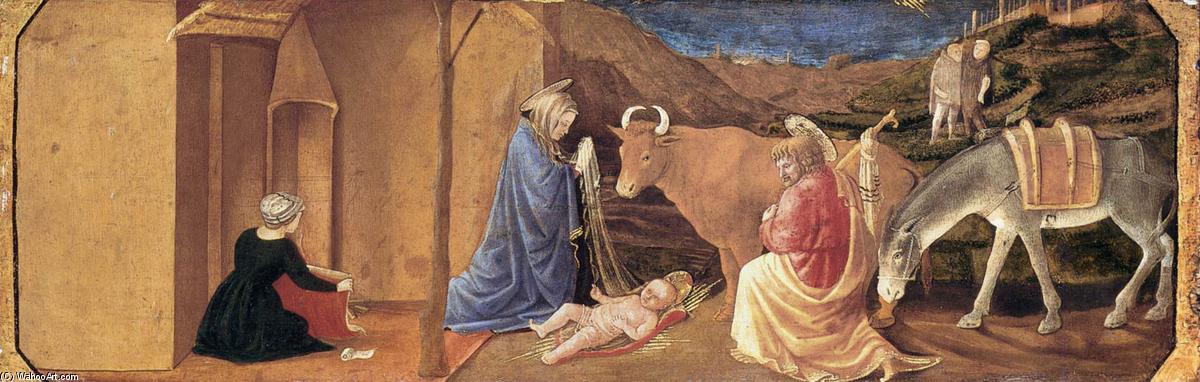
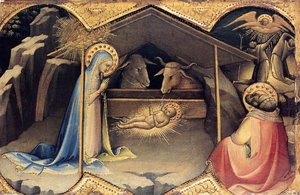
The Nativity
 1450
1450 22.0 x 66.0 cm
 Национальная галерея
 Читать далее
Приобретите цифровое изображение высокого разрешения в улучшенном качестве, которое значительно превосходит онлайн-превью.
Каждый файл тщательно подготавливается нашими специалистами с использованием передовых инструментов и экспертной ручной ретуши. Мы гарантируем исключительную четкость, точную цветопередачу и детальную проработку каждого изображения.
Финальный файл доставляется по электронной почте в течение 72 часов и оптимизирован для немедленного использования в профессиональной среде, при верстке и печати. Это тот же уровень качества, которому доверяют ведущие дизайнерские студии, издательства и галереи.
Цифровое изображение
Скачайте файл высокого разрешения для личного использования, печати и творческих проектов. ( Перейти к печати Купить картину ручной работы)
Включено в каждый заказ цифровых изображений
Гарантия экспертной цифровой доставки
Выбирая ArtsDot.com, вы получаете не просто изображение — вы приобретаете профессионально обработанное цифровое произведение искусства, созданное с безупречной точностью и под защитой гарантии качества. Вот всё, что автоматически входит в ваш заказ:

Мгновенная доставка по e-mail
Ваш цифровой файл в высоком разрешении будет отправлен вам по электронной почте в течение 72 часов после оформления заказа — и сразу станет доступен для использования.

Цифровой файл с ИИ-улучшением
Ваше произведение искусства проходит профессиональную оптимизацию с использованием передовых инструментов ИИ и ручной обработки, что гарантирует максимальную детализацию, четкость и точность цветопередачи.

Бессрочная бесплатная повторная доставка
Случайно удалили или потеряли файл? Не беспокойтесь — мы отправим его вам повторно в любое время и совершенно бесплатно.

Без импортных пошлин — навсегда
Наслаждайтесь вашим произведением искусства мгновенно без таможенных пошлин, сборов или затрат на доставку — цифровые загрузки всегда не облагаются налогом.

Гарантия точности цветопередачи
Мы гарантируем, что ваше цифровое изображение максимально точно передает оригинальные цвета благодаря использованию профессиональных инструментов и систем управления цветом.

Гарантия удовлетворенности 100 дней
Если вы не будете удовлетворены своим цифровым изображением, мы внесем правки или вернем 100% стоимости в течение 100 дней — без лишних вопросов.

100% Гарантия возврата средств
Не удовлетворены покупкой? Получите полный возврат средств в течение 100 дней после получения цифрового файла — без лишних вопросов.

Скидки на оптовые заказы
Купите 3 изображения, сэкономьте 10% — Купите 5, сэкономьте 15% — Купите 10+, сэкономьте 20%. Отличное решение для творческих проектов, галерей и агентств.
Похожие произведения


Биография художника
A Shadowy Figure in the Dawn of the Renaissance
The Master of the Castello Nativity, a name whispered among art historians and scholars, remains one of the most enigmatic figures of the early 15th century. His identity is shrouded in mystery – he’s often referred to simply as “the Master,” lacking a known birthdate or definitive biographical details. What we *do* know is that his work, primarily devotional scenes centered around the Virgin Mary and the infant Jesus, offers a fascinating glimpse into the burgeoning artistic landscape of Italy during this pivotal period. He wasn't a flamboyant innovator like his contemporaries; instead, he operated within the established traditions of the Umbrian and Florentine schools, subtly pushing boundaries while maintaining a respectful distance from the revolutionary currents sweeping through the art world.
His origins are largely speculative, though most scholars believe him to have been associated with the workshop of Fra’ Filippo Lippi in Prato. This connection is supported by stylistic similarities – a shared attention to detail, a refined use of tempera paint, and a similar approach to depicting religious figures. The Master's work demonstrates a clear debt to the earlier art of Giotto, particularly his emphasis on naturalism and emotional expression, but he avoids mimicking Lippi’s more overtly dramatic style. Instead, he cultivates a sense of serene contemplation, reflecting the growing humanist ideals that were beginning to permeate Italian society.
The Castello Nativity: A Defining Work
Perhaps his most famous painting, and the work upon which his name is derived, is “The Nativity” (circa 1457), currently housed in the National Gallery in London. This panel, originally part of an altarpiece intended for the church of Santi Giusto e Clemente in Faltugnano, Tuscany, exemplifies the Master’s distinctive approach. It depicts the Virgin Mary cradling the newborn Jesus within a stable setting – a familiar scene rendered with remarkable sensitivity and detail. The composition is carefully balanced, drawing the viewer's eye to the central figures while subtly incorporating elements of the surrounding environment. Note the careful depiction of the Tuscan landscape in the background, a testament to the artist’s observational skills.
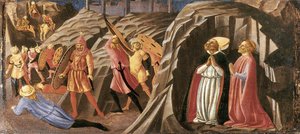
Interestingly, two other predella panels from the same altarpiece – depicting scenes from the lives of Saints Justus and Clemente – are now located at the Philadelphia Museum of Art. The presence of these related works provides valuable insight into the Master's artistic process and his stylistic evolution. The consistent use of tempera on wood suggests a preference for this medium, allowing for rich colors and subtle gradations of tone.
A Style Defined by Subtlety
The Master’s style is characterized by its understated elegance and meticulous attention to detail. He avoids the bold gestures and dramatic lighting favored by some of his contemporaries, instead opting for a more restrained palette and a focus on capturing the quiet dignity of religious figures. A key feature of his work is the variation in the presentation of the infant Jesus within Mary’s arms – a subtle but significant departure from the static poses often found in earlier depictions. This nuanced approach reflects a growing awareness of human anatomy and a desire to convey a sense of movement and vitality.
His influence, though largely undocumented, is evident in the work of later artists who followed in his footsteps. He represents a crucial link between the late Gothic style and the emerging Renaissance aesthetic – a transitional figure who helped shape the visual language of Italian art during this transformative period. The Master’s legacy lies not in groundbreaking innovations but in his quiet dedication to craftsmanship, his profound understanding of religious iconography, and his ability to evoke a sense of serenity and contemplation within his paintings.
Historical Context and Legacy
The Master of the Castello Nativity operated during a time of immense artistic ferment. The rise of Florence as a center of commerce and culture was fueling a renewed interest in classical art and philosophy, while simultaneously fostering a vibrant tradition of Italian painting. Artists like Giotto, Masaccio, and Donatello were challenging established conventions and experimenting with new techniques – paving the way for the High Renaissance. The Master’s work reflects this dynamic environment, incorporating elements of both traditional iconography and emerging artistic trends.
Despite the lack of definitive biographical information, the Master of the Castello Nativity remains a significant figure in the history of Italian art. His paintings offer a valuable window into the early Renaissance, revealing the subtle shifts in style and technique that ultimately led to the revolutionary achievements of artists like Leonardo da Vinci and Michelangelo. His legacy endures through his serene depictions of religious figures – reminders of a time when art served as both a devotional practice and a reflection of humanity’s enduring quest for beauty and meaning.
Основные сведения
- Artistic Movement Or Style: Proto-Renaissance
- Artists Or Movements Influenced By This Artist: ['Early Renaissance']
- Artists Who Influenced This Artist: ['Filippo Lippi']
- Full Name: Master of the Castello Nativity
- Nationality: Italian
- Notable Artworks:
- The Nativity
- Saints Justus and Clement
- Place Of Birth: Prato, Italy