Меню
ПредпросмотрПредпросмотр Предпросмотр в ARПредпросмотр в AR Перейти к печати Перейти к печатиКупить картину ручной работы Купить картину ручной работы ПоделитьсяПоделиться
Детали произведенияДетали произведения Добавить в избранное Добавить в избранное СкачатьСкачать Похожие работыПохожие работы РентгенографияРентгенография Слайд-шоуСлайд-шоу СтатистикаСтатистика

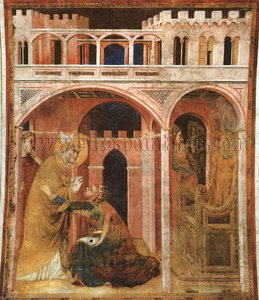
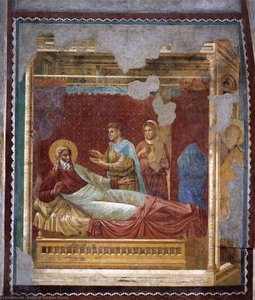
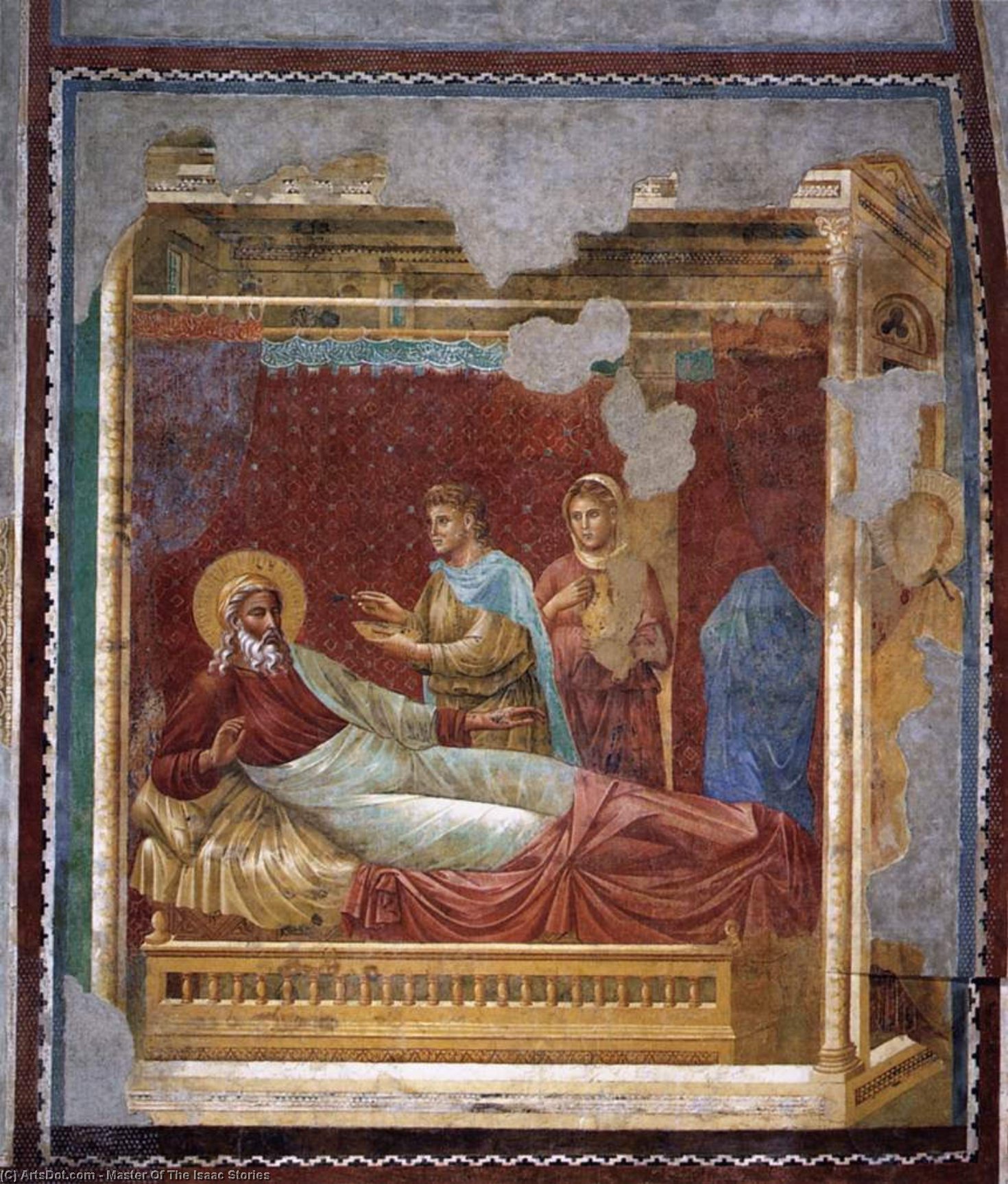
Scenes from the Old Testament: Isaac Rejecting Esau

Renaissance fresco depicting Isaac rejecting Esau. Master of the Isaac Stories’ 1290 work showcases Byzantine influence & dynamic composition. Explore this unique Gothic art piece.

Explore the works of Master of the Isaac Stories, a medieval artist known for vibrant Gothic art depicting Old Testament scenes & religious symbolism.

Приобретите цифровое изображение высокого разрешения в улучшенном качестве, которое значительно превосходит онлайн-превью.

Каждый файл тщательно подготавливается нашими специалистами с использованием передовых инструментов и экспертной ручной ретуши. Мы гарантируем исключительную четкость, точную цветопередачу и детальную проработку каждого изображения.

Финальный файл доставляется по электронной почте в течение 72 часов и оптимизирован для немедленного использования в профессиональной среде, при верстке и печати. Это тот же уровень качества, которому доверяют ведущие дизайнерские студии, издательства и галереи.

Цифровое изображение

Скачайте файл высокого разрешения для личного использования, печати и творческих проектов. (Перейти к печати Перейти к печатиКупить картину ручной работы Купить картину ручной работы)

Итоговая стоимость

$ 24,00

Включено в каждый заказ цифровых изображений

Гарантия экспертной цифровой доставки

Выбирая ArtsDot.com, вы получаете не просто изображение — вы приобретаете профессионально обработанное цифровое произведение искусства, созданное с безупречной точностью и под защитой гарантии качества. Вот всё, что автоматически входит в ваш заказ:

shipping_icon
Мгновенная доставка по e-mail

Ваш цифровой файл в высоком разрешении будет отправлен вам по электронной почте в течение 72 часов после оформления заказа — и сразу станет доступен для использования.

canvas_icon
Цифровой файл с ИИ-улучшением

Ваше произведение искусства проходит профессиональную оптимизацию с использованием передовых инструментов ИИ и ручной обработки, что гарантирует максимальную детализацию, четкость и точность цветопередачи.

insurance_icon
Бессрочная бесплатная повторная доставка

Случайно удалили или потеряли файл? Не беспокойтесь — мы отправим его вам повторно в любое время и совершенно бесплатно.

tax_icon
Без импортных пошлин — навсегда

Наслаждайтесь вашим произведением искусства мгновенно без таможенных пошлин, сборов или затрат на доставку — цифровые загрузки всегда не облагаются налогом.

color_icon
Гарантия точности цветопередачи

Мы гарантируем, что ваше цифровое изображение максимально точно передает оригинальные цвета благодаря использованию профессиональных инструментов и систем управления цветом.

return_icon
Гарантия удовлетворенности 100 дней

Если вы не будете удовлетворены своим цифровым изображением, мы внесем правки или вернем 100% стоимости в течение 100 дней — без лишних вопросов.

guarantee_icon
100% Гарантия возврата средств

Не удовлетворены покупкой? Получите полный возврат средств в течение 100 дней после получения цифрового файла — без лишних вопросов.

discount_icon
Скидки на оптовые заказы

Купите 3 изображения, сэкономьте 10% — Купите 5, сэкономьте 15% — Купите 10+, сэкономьте 20%. Отличное решение для творческих проектов, галерей и агентств.
Биография художника

The Enigmatic Master of the Isaac Stories

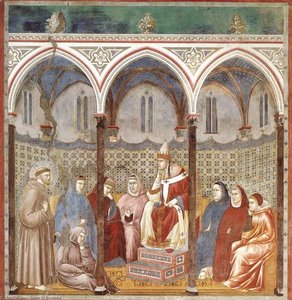
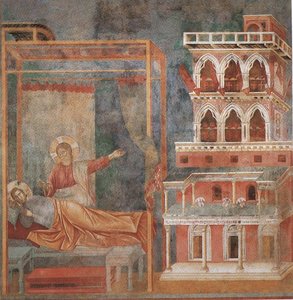
The name “Master of the Isaac Stories” evokes a sense of mystery, a deliberate anonymity shrouding an artist whose vibrant frescoes once adorned the Basilica of San Francesco in Assisi. Active during the 1290s—a pivotal decade bridging the late medieval and proto-Renaissance periods—this painter remains largely unknown beyond the compelling power of his surviving works. Unlike many contemporaries, no documented name or biographical details have surfaced; instead, scholars bestowed this title based on a series of Old Testament scenes featuring Isaac blessing Jacob and rejecting Esau, which occupy a prominent position within the basilica’s upper church. The very lack of personal history contributes to the allure surrounding him, allowing us to focus solely on the artistry itself—a testament to his skill and vision.

Assisi and the Context of Creation

To understand the Master of the Isaac Stories, one must first appreciate the artistic climate of Assisi in the late 13th century. The Basilica of San Francesco, commissioned by Saint Francis himself, was already a crucible of innovation, attracting artists eager to translate the saint’s spiritual ideals into visual form. Prior to the arrival of Giotto—whose hand is debated in connection with this master—artists like Cimabue and Jacopo Torriti had begun experimenting with greater naturalism and emotional depth. The basilica's walls were becoming a narrative tapestry, illustrating biblical stories for a largely illiterate populace. It was within this dynamic environment that the Master of the Isaac Stories flourished, contributing to the ongoing evolution of Gothic painting in Italy. His work is deeply embedded within this tradition, yet possesses unique qualities that set it apart.

Style and Influences: A Roman Connection

The stylistic characteristics of the frescoes reveal a fascinating blend of influences. While firmly rooted in Byzantine traditions—evident in the use of gold backgrounds, elongated figures, and hierarchical compositions—the Master’s work also displays a burgeoning interest in naturalism and spatial depth. The drapery is rendered with remarkable fluidity, conveying movement and texture, while the faces exhibit a subtle emotional range. A strong Roman influence has been posited by many scholars, suggesting that the artist may have trained or worked in Rome before arriving in Assisi. This connection is supported by iconographic details within the frescoes, which align closely with artistic trends prevalent in the Roman school of painting, particularly those associated with Pietro Cavallini. The dynamic compositions and expressive gestures also hint at a familiarity with classical models, subtly foreshadowing the developments of the Renaissance.

The Isaac Cycle: Narrative Power and Symbolism

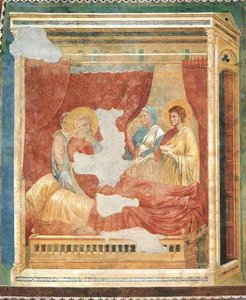
The frescoes depicting the stories of Isaac—blessing Jacob and rejecting Esau—are the cornerstone of the Master’s known oeuvre. These scenes are not merely illustrations; they are powerful narratives imbued with theological significance. The depiction of Isaac blessing Jacob, despite Jacob's deception of his blind father, highlights themes of divine election and predestination. Conversely, the rejection of Esau underscores the consequences of worldly desires and spiritual indifference. The artist masterfully conveys these complex ideas through carefully chosen gestures, facial expressions, and symbolic details. Rebecca’s presence in both scenes adds another layer of intrigue, representing maternal cunning and a proactive role in fulfilling God's will. Beyond the central narrative, the surrounding figures—witnesses to these pivotal moments—are rendered with individual characterizations, enhancing the dramatic impact of the compositions.

Legacy and Historical Significance

The earthquake of 1997 inflicted significant damage upon the frescoes in the Upper Church of San Francesco, including those attributed to the Master of the Isaac Stories. While restoration efforts have been ongoing, much of his work remains fragmented or lost. Despite this loss, the surviving fragments continue to captivate art historians and enthusiasts alike. The debate surrounding the artist’s identity—whether he was a young Giotto, a Roman painter like Gaddo Gaddi, or an independent master—only adds to his mystique. Regardless of his precise origins, the Master of the Isaac Stories occupies a crucial position in the transition from medieval Gothic art to the more naturalistic styles of the Renaissance. His vibrant colors, dynamic compositions, and expressive figures represent a significant step forward in Italian painting, paving the way for the artistic innovations that would define the 14th century and beyond. His work serves as a poignant reminder of the enduring power of art to convey complex narratives and profound spiritual truths. The Master’s legacy lies not only in his technical skill but also in his ability to breathe life into biblical stories, making them accessible and emotionally resonant for generations to come.