

 Предпросмотр
 Поделиться
 Поделиться
 Детали произведения

 Скачать
 Похожие работы
 Рентгенография
 Слайд-шоу
 Статистика
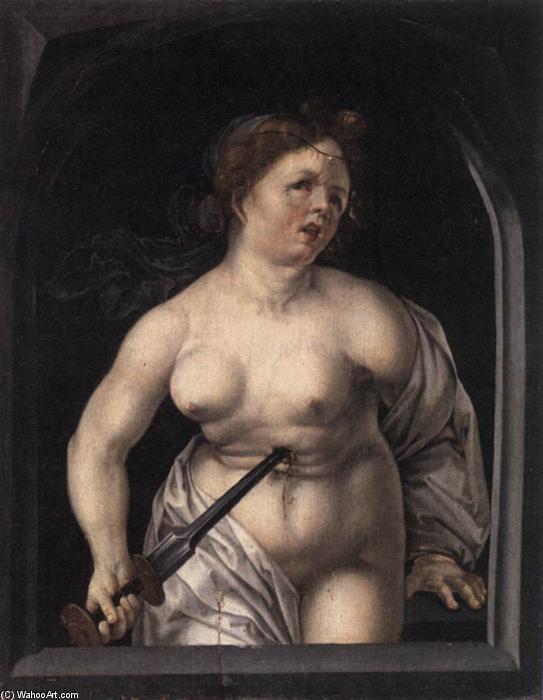
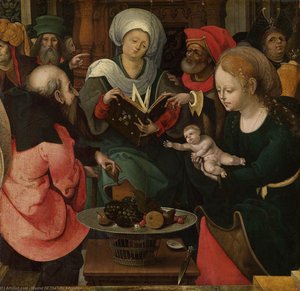
Lucretia
 1520
1520 46.0 x 37.0 cm
 Читать далее
Приобретите цифровое изображение высокого разрешения в улучшенном качестве, которое значительно превосходит онлайн-превью.
Каждый файл тщательно подготавливается нашими специалистами с использованием передовых инструментов и экспертной ручной ретуши. Мы гарантируем исключительную четкость, точную цветопередачу и детальную проработку каждого изображения.
Финальный файл доставляется по электронной почте в течение 72 часов и оптимизирован для немедленного использования в профессиональной среде, при верстке и печати. Это тот же уровень качества, которому доверяют ведущие дизайнерские студии, издательства и галереи.
Цифровое изображение
Скачайте файл высокого разрешения для личного использования, печати и творческих проектов. ( Перейти к печати Купить картину ручной работы)
Включено в каждый заказ цифровых изображений
Гарантия экспертной цифровой доставки
Выбирая ArtsDot.com, вы получаете не просто изображение — вы приобретаете профессионально обработанное цифровое произведение искусства, созданное с безупречной точностью и под защитой гарантии качества. Вот всё, что автоматически входит в ваш заказ:

Мгновенная доставка по e-mail
Ваш цифровой файл в высоком разрешении будет отправлен вам по электронной почте в течение 72 часов после оформления заказа — и сразу станет доступен для использования.

Цифровой файл с ИИ-улучшением
Ваше произведение искусства проходит профессиональную оптимизацию с использованием передовых инструментов ИИ и ручной обработки, что гарантирует максимальную детализацию, четкость и точность цветопередачи.

Бессрочная бесплатная повторная доставка
Случайно удалили или потеряли файл? Не беспокойтесь — мы отправим его вам повторно в любое время и совершенно бесплатно.

Без импортных пошлин — навсегда
Наслаждайтесь вашим произведением искусства мгновенно без таможенных пошлин, сборов или затрат на доставку — цифровые загрузки всегда не облагаются налогом.

Гарантия точности цветопередачи
Мы гарантируем, что ваше цифровое изображение максимально точно передает оригинальные цвета благодаря использованию профессиональных инструментов и систем управления цветом.

Гарантия удовлетворенности 100 дней
Если вы не будете удовлетворены своим цифровым изображением, мы внесем правки или вернем 100% стоимости в течение 100 дней — без лишних вопросов.

100% Гарантия возврата средств
Не удовлетворены покупкой? Получите полный возврат средств в течение 100 дней после получения цифрового файла — без лишних вопросов.

Скидки на оптовые заказы
Купите 3 изображения, сэкономьте 10% — Купите 5, сэкономьте 15% — Купите 10+, сэкономьте 20%. Отличное решение для творческих проектов, галерей и агентств.
Похожие произведения



Биография художника
The Enigmatic Master of the Lille Adoration: A Renaissance Echo in Northern France
The identity of the “Master of the Lille Adoration” remains one of art history’s most enduring mysteries, a captivating puzzle piece within the vibrant tapestry of 16th-century Netherlandish painting. Emerging from the shadows around 1510 and active until approximately 1530, this artist—a figure largely absent from contemporary records—left behind a remarkably consistent body of work centered on scenes of adoration, particularly the “Adoration of the Shepherds,” which currently graces the prestigious Palais des Beaux-Arts de Lille. His style, characterized by an arresting elegance and a subtle yet profound departure from prevailing trends, has captivated scholars for decades, prompting intense debate about his origins, influences, and place within the broader artistic landscape.
Early investigations into the Master’s work were largely shaped by the pioneering research of Max Jakob Friedländer in his seminal 1915 study, “Die Antwerpener Manieristen.” Friedländer identified a group of five paintings—the Lille Adoration, the Rotterdam triptych, a Holy Kinship in Kremsmünster, and an Ecce Homo triptych in Brussels—as being executed by the same hand. This hypothesis, initially widely accepted, posited that these works represented the early output of Dirck Vellert, the renowned Antwerp stained-glass maker and painter who was also deeply involved in the production of numerous paintings during this period. Vellert’s distinctive style – characterized by elongated figures posed in affected, twisting postures, colorful ornate costumes, fluttering drapery, Italianate architecture decorated with grotesque ornament, and crowded groups of figures – provided a compelling framework for understanding the Master's artistic lineage. However, closer examination revealed subtle yet significant divergences between the Master’s paintings and those attributed to Vellert, leading scholars like Ellen Konowitz to propose that they represented an independent artistic personality.
Konowitz’s meticulous research in the 1990s ultimately established the “new personality” as a distinct figure who emerged from Antwerp around 1510. She identified key stylistic differences—a predilection for depicting tensely gesturing hands, often with palms turned outward and the fingers splayed; a fascination with grotesque, contorted heads; and a preference for a low viewpoint – that set him apart from Vellert’s oeuvre. Furthermore, Konowitz uncovered evidence suggesting that the Master's work was influenced by the innovative techniques of Jan Gossaert, another prominent Antwerp Mannerist. The discovery of a “Jerome” panel in Germany, attributed to the Master and sold at auction in 2014, provided further support for this evolving understanding of his artistic development.
The Distinctive Style: A Synthesis of Mannerism and Early Renaissance
The Master’s paintings are immediately recognizable by their unique synthesis of Mannerist and early Renaissance elements. He inherited the Mannerists' penchant for elongated figures, dramatic poses, and opulent costumes—a hallmark of Antwerp painting during this period. However, unlike his contemporaries, he infused these stylistic choices with a heightened sense of naturalism and emotional depth. His figures possess a palpable physicality, their gestures conveying a profound sense of movement and feeling. The use of color is equally striking, employing rich, saturated hues to create vibrant and luminous compositions.
A key characteristic of the Master’s work is his masterful manipulation of perspective. He frequently employs a low viewpoint, placing the viewer within the scene as if participating in the events unfolding before them. This technique creates a sense of immediacy and intimacy, drawing the viewer into the narrative. Furthermore, he incorporates subtle elements of trompe-l'œil—illusory details that create the impression of three-dimensionality—to enhance the realism of his compositions. The “Adoration of the Shepherds” in Lille, for example, features a meticulously rendered shepherd’s foot projecting over a ledge, a detail that subtly disrupts the illusionistic space and invites the viewer to contemplate the painting's artistic construction.
Key Works: A Portrait of a Developing Artist
Several paintings attributed to the Master offer compelling insights into his evolving style and artistic concerns. The “Holy Family with Coats of Arms” in the Musée du Louvre, Paris, exemplifies his early work, showcasing a delicate balance between Mannerist elegance and Renaissance realism. The “Adoration of the Shepherds” at the Palais des Beaux-Arts de Lille remains arguably his most celebrated masterpiece, renowned for its dynamic composition, vibrant colors, and emotionally charged figures. The “Holy Kinship” in Kremsmünster, a closely related version of the Louvre panel, further demonstrates his mastery of spatial illusion and dramatic storytelling.
The “Jerome” panels—a single-figure portrait of Saint Jerome and a complementary depiction of the Trinity—represent a significant addition to the Master’s oeuvre. These works, discovered in Germany and attributed to him through meticulous stylistic analysis, provide valuable clues about his artistic interests and techniques. They also highlight the complex network of artistic exchange that characterized 16th-century Europe.
Historical Significance and Legacy
Despite the enduring mystery surrounding his identity, the Master of the Lille Adoration holds a significant place in art history as a pivotal figure within the Antwerp Mannerist movement. His work represents a crucial transitional phase between the late Gothic style and the rise of Renaissance painting in Northern Europe. He demonstrated an ability to synthesize diverse artistic influences—including those of Dirck Vellert, Jan Gossaert, and Italianate models—into a uniquely personal and expressive style.
His paintings continue to fascinate art historians and viewers alike, offering a glimpse into the creative spirit of a talented but elusive artist. The “Adoration of the Shepherds” in Lille remains a testament to his artistic vision, a vibrant celebration of faith, family, and the enduring power of human emotion—a legacy that continues to resonate centuries after its creation.
Основные сведения
- Artistic Movement Or Style: Antwerp Mannerism
- Artists Or Movements Influenced By This Artist: ['']
- Artists Who Influenced This Artist: ['Dirck Vellert']
- Full Name: Master of the Lille Adoration
- Nationality: Early Netherlandish
- Notable Artworks:
- Adoration of Shepherds
- Holy Kinship
- The Holy Family
- Place Of Birth: Antwerp