


 Предпросмотр
 Поделиться
 Поделиться
 Детали произведения

 Скачать
 Похожие работы
 Рентгенография
 Слайд-шоу
 Статистика
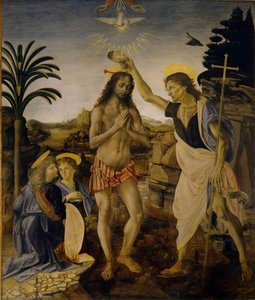
The Baptism of Christ
 1500
1500 104.0 x 170.0 cm
 Читать далее
Приобретите цифровое изображение высокого разрешения в улучшенном качестве, которое значительно превосходит онлайн-превью.
Каждый файл тщательно подготавливается нашими специалистами с использованием передовых инструментов и экспертной ручной ретуши. Мы гарантируем исключительную четкость, точную цветопередачу и детальную проработку каждого изображения.
Финальный файл доставляется по электронной почте в течение 72 часов и оптимизирован для немедленного использования в профессиональной среде, при верстке и печати. Это тот же уровень качества, которому доверяют ведущие дизайнерские студии, издательства и галереи.
Цифровое изображение
Скачайте файл высокого разрешения для личного использования, печати и творческих проектов. ( Перейти к печати Купить картину ручной работы)
Включено в каждый заказ цифровых изображений
Гарантия экспертной цифровой доставки
Выбирая ArtsDot.com, вы получаете не просто изображение — вы приобретаете профессионально обработанное цифровое произведение искусства, созданное с безупречной точностью и под защитой гарантии качества. Вот всё, что автоматически входит в ваш заказ:

Мгновенная доставка по e-mail
Ваш цифровой файл в высоком разрешении будет отправлен вам по электронной почте в течение 72 часов после оформления заказа — и сразу станет доступен для использования.

Цифровой файл с ИИ-улучшением
Ваше произведение искусства проходит профессиональную оптимизацию с использованием передовых инструментов ИИ и ручной обработки, что гарантирует максимальную детализацию, четкость и точность цветопередачи.

Бессрочная бесплатная повторная доставка
Случайно удалили или потеряли файл? Не беспокойтесь — мы отправим его вам повторно в любое время и совершенно бесплатно.

Без импортных пошлин — навсегда
Наслаждайтесь вашим произведением искусства мгновенно без таможенных пошлин, сборов или затрат на доставку — цифровые загрузки всегда не облагаются налогом.

Гарантия точности цветопередачи
Мы гарантируем, что ваше цифровое изображение максимально точно передает оригинальные цвета благодаря использованию профессиональных инструментов и систем управления цветом.

Гарантия удовлетворенности 100 дней
Если вы не будете удовлетворены своим цифровым изображением, мы внесем правки или вернем 100% стоимости в течение 100 дней — без лишних вопросов.

100% Гарантия возврата средств
Не удовлетворены покупкой? Получите полный возврат средств в течение 100 дней после получения цифрового файла — без лишних вопросов.

Скидки на оптовые заказы
Купите 3 изображения, сэкономьте 10% — Купите 5, сэкономьте 15% — Купите 10+, сэкономьте 20%. Отличное решение для творческих проектов, галерей и агентств.
Похожие произведения








Биография художника
The Enigmatic Master of the Saint Bartholomew Altarpiece
The identity of the ‘Master of the Saint Bartholomew Altarpiece’ remains one of art history's most enduring mysteries—a puzzle that continues to fascinate scholars and inspire speculation. Active primarily in Germany between 1475/1480 and 1510, this artist emerged from a period of profound artistic transformation, inheriting the legacy of Gothic tradition while simultaneously embracing the burgeoning innovations of the Early Renaissance. Despite his anonymity, he stands as arguably the most recognizable figure within German art of his era, embodying the spirit of a movement striving for grandeur and spiritual contemplation. Little is known about his personal life beyond circumstantial evidence gleaned from surviving documentation. His name—a moniker derived solely from the monumental altarpiece commissioned in Cologne between 1505 and 1510—offers no clues to his origins or formative influences. Yet, his distinctive artistic style—characterized by luminous colors, meticulous detail, and a masterful command of Gothic techniques—has allowed researchers to trace his career with remarkable precision. The altarpiece itself, depicting Saint Bartholomew flanked by Saint Agnes and Saint Cecilia, served as a beacon for stylistic analysis, establishing a benchmark against which subsequent works could be assessed. Its presence in the church of Saint Columba in Cologne underscored the artist’s connection to the influential Carthusian monastery—a detail suggesting potential patronage from religious institutions. The quest to pinpoint his birthplace has proven particularly challenging. While he undeniably operated within Cologne's artistic milieu, evidence suggests that his training initially occurred in either Utrecht or the Gelderland region of the Netherlands. This hypothesis gained considerable traction following the discovery of a book of hours, open to an identifiable Netherlandish text, housed alongside Saint Colum- Early Life and Training: Despite the lack of definitive biographical data, scholarly consensus points towards Utrecht or Gelderland as his birthplace. Evidence from miniature paintings commissioned for Sophia van Bylant’s book of hours—specifically the depiction of the Flagellation—demonstrates a stylistic grounding firmly rooted in Netherlandish Gothic painting.
- The Influence of Gothic Tradition: The Master's artistic style reflects a deep engagement with the Gothic aesthetic. His meticulous attention to detail, particularly in drapery folds and facial expressions, echoes the expressive fervor characteristic of Northern Gothic masters like Dirk Bouts and Rogier van der Weyden.
- The Utrecht Hypothesis: Researchers believe that he received his initial artistic training in Utrecht, bolstered by stylistic comparisons between his early works and those produced by Utrecht artists. This theory suggests a connection to Arnhem’s wealthy elite—a patron who undoubtedly recognized the artist's exceptional talent.
The Saint Bartholomew Altarpiece: A Stylistic Landmark
The Saint Bartholomew Altarpiece, completed around 1505-1510 and currently housed in Munich’s Alte Pinakothek, stands as the artist's most celebrated achievement—a masterpiece that solidified his reputation as a pivotal figure in German Renaissance art. This monumental panel depicts Saint Bartholomew alongside Saints Agnes and Cecilia, embodying the spiritual fervor of the era and establishing a stylistic benchmark against which subsequent works were assessed. Its vibrant colors, luminous illumination, and masterful execution exemplify the culmination of Gothic techniques blended with emerging Renaissance ideals.- Compositional Innovation: Unlike earlier altarpieces dominated by flattened perspectives and stylized figures, the Saint Bartholomew Altarpiece employs a more naturalistic approach—a deliberate departure from traditional Gothic conventions. This compositional innovation reflects the humanist influence gaining prominence during the period.
- Color Palette: The artist’s masterful use of color—characterized by enamel-like brilliance and subtle tonal gradations—creates an immersive visual experience that captivates viewers. These luminous hues are reminiscent of Rogier van der Weyden's groundbreaking explorations of color theory.
Notable Works Beyond Cologne
Beyond the Saint Bartholomew Altarpiece, the Master produced several other significant paintings—each demonstrating his distinctive artistic vision and furthering his legacy as a master craftsman. Among these are:- The Deposition: Located in the Louvre Museum, Paris, this monumental panel portrays Mary cradling Jesus after his crucifixion—a poignant depiction of grief and compassion that exemplifies the artist’s ability to convey emotion through visual representation.
- Thomas Altarpiece: Currently residing in St. Catharine's Church, Cologne, this altarpiece showcases Saint Thomas Aquinas alongside Saint Augustine—a testament to the artist’s engagement with theological themes and his mastery of sculptural modeling.
Legacy and Influence
Despite his anonymity, the ‘Master of the Saint Bartholomew Altarpiece’ exerted a profound influence on subsequent generations of German painters. His stylistic innovations—particularly his luminous color palette and meticulous attention to detail—served as inspiration for artists striving to emulate his grandeur and spiritual depth. He remains an enduring symbol of artistic excellence—a testament to the transformative power of creativity and the lasting impact of individual genius.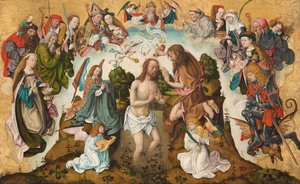
Мастер Алтаря Святого Варфоломея
1450 - 1510 , Germany
Основные сведения
- Artistic Movement Or Style: Early Netherlandish Gothic Style
- Artists Or Movements Influenced By This Artist: ['Northern Renaissance']
- Artists Who Influenced This Artist:
- Dirck Bouts
- Rogier van der Weyden
- Date Of Birth: c. 1450
- Full Name: Master of Saint Bartholomew Altarpiece
- Nationality: Dutch
- Notable Artworks:
- Saint Bartholomew Altarpiece
- The Baptism of Christ
- Place Of Birth: Germany