

 Предпросмотр
 Поделиться
 Поделиться
 Детали произведения

 Скачать
 Похожие работы
 Рентгенография
 Слайд-шоу
 Статистика
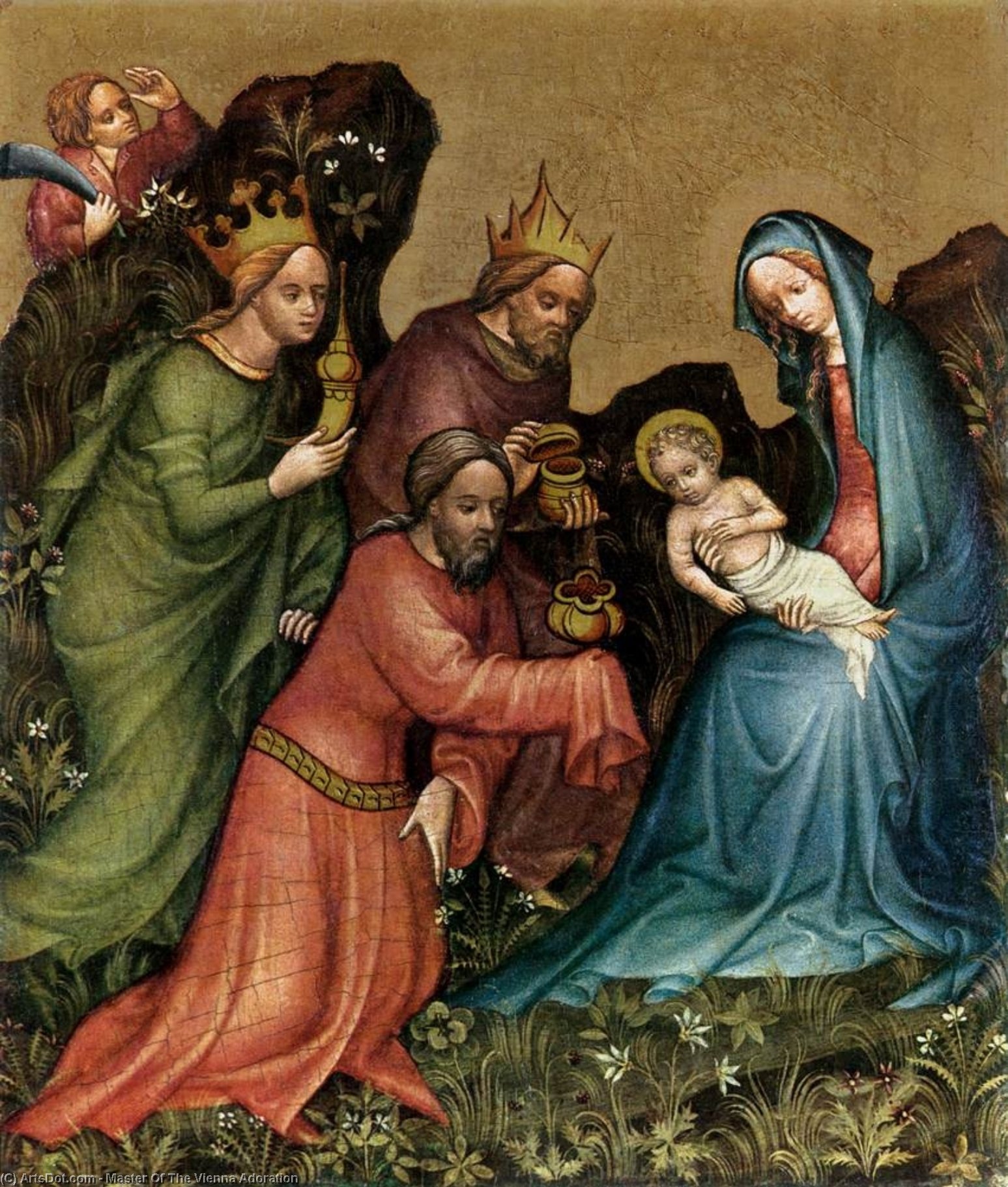
Adoration
 Tempera On Panel
- International Gothic
 1410
1410- Late Medieval
 26.0 x 22.0 cm
 Музей изящных искусств Будапешта
 Читать далее
Масляная репродукция ручной работы
Картина маслом на холсте в выбранном вами размере и раме, написанная на заказ нашими художниками. ( Перейти к печати Перейти к цифровым изображениям)




P118B $10

P118H $10

P118W $10

P438Z $10

P508JH $12

P508YH $12

P805H $10

P805Z $10

P919BZ $10

P919G $10

P919XJ $10

P959ZH $10

P968JZ $12

W106C $8

W218G $10

W218JH $8

W218Y $10

W307PJ $10

W316G $10

W316PJ $8

W316Y $10

W398PJ $8

W4111J $10

W500HY $15

W500JH $15

W692G $12

W849H $8

W940BG $15

W953PJ $8




Выберите один из наших стандартных размеров, соответствующих оригинальным пропорциям произведения искусства.

Вы можете указать собственные размеры, чтобы картина идеально вписалась в выбранную раму или пространство. Если выбранный вами размер не соответствует пропорциям оригинала, мы либо обрежем полотно, либо расширим его за счет дополнительных элементов, написанных вручную. Цифровой макет будет отправлен вам на утверждение перед началом производства.
Обратите внимание, что предварительный просмотр на экране не отражает фактическую обрезку или расширение. Только макет точно покажет окончательную композицию.
Хотя доступны индивидуальные размеры, мы рекомендуем выбирать вариант из предопределенного списка, чтобы сохранить исходные пропорции.
После оформления заказа команда ArtsDot.com свяжется с клиентом по электронной почте для уточнения деталей и предоставит предварительный макет
Доставка по всему миру () за 3–4 недели вместо стандартных 5 недель. (12 Сентябрь). Без компромиссов в качестве.

Бесплатная экспресс-доставка по всему миру

Высококачественный льняной холст

Полное страхование доставки

Гарантия возмещения таможенных пошлин

Гарантия точного соответствия цветов

100-дневная политика возврата (только при обнаружении дефектов)

Гарантия возврата 100% средств

Предложение оптовых скидок
 Вариант со стеклом доступен только для размеров менее 110 см

Adoration
Техника репродукции
Размер репродукции
-


Итоговая стоимость
$ 263
A Vision of Devotion: The Enigmatic Master’s Sacred Scene
In the quiet, luminous realm of early fifteenth-century Flemish painting, few works capture the tender intersection of the divine and the earthly as poignantly as Adoration. Created around 1410 by the anonymous hand known to history as the Master of the Vienna Adoration, this exquisite panel serves as a window into a period of profound spiritual transition. The scene unfolds with a breathtaking intimacy, centering on the Virgin Mary as she cradles the infant Jesus. Surrounding this holy nucleus are the three Magi, their presence a testament to the universal recognition of Christ’s divinity, yet they are not alone in their reverence. Angels and saints drift through the composition, creating a celestial hierarchy that feels both grand and deeply personal. Every figure, from the regal kings to the ethereal onlookers, is woven into a tapestry of devotion that transcends the centuries.
The technique employed in this masterpiece is a quintessential expression of the Soft Style, or Beautiful Style, which flourished in Flanders during this era. Through the delicate application of tempera on oak, the artist achieves a luminous quality that seems to radiate from within the wood itself. There is a remarkable subtlety in the modeling of faces and drapery; the transitions between light and shadow are so seamless that the figures possess a gentle, lifable volume. This mastery of light does more than just define form—it imbues the scene with a soft, ethereal glow, as if the very air of the painting is saturated with grace. For the discerning collector or interior designer, this technique offers a sense of depth and atmospheric richness that can transform a space, providing a focal point that invites prolonged, meditative gazing.
Beyond its aesthetic splendor, Adoration is rich with symbolic resonance. Every element, no matter how small, contributes to the narrative of sacrifice and offering. The presence of a single cup placed near the center of the composition serves as a poignant metaphor for the liturgical mysteries, perhaps hinting at the future Eucharist. The gifts brought by the Magi are not merely tokens of wealth, but symbols of the world's submission to a higher spiritual truth. This interplay of material richness and spiritual humility creates an emotional impact that is both humbling and uplifting. It is a work that does not merely depict a historical event, but evokes a feeling of profound peace and sacred wonder.
For those seeking to bring the timeless elegance of the Northern Renaissance into a contemporary setting, a high-quality reproduction of this work offers an unparalleled opportunity. Whether placed in a curated gallery wall or serving as a soulful centerpiece in a sophisticated study, the Adoration brings with it a legacy of craftsmanship and devotion. It is more than a decoration; it is an invitation to experience the quiet majesty of a lost era, making it an essential acquisition for anyone who appreciates art that speaks to the soul.
Похожие произведения
![Adoration Of The Magi — The Younger Zurich Carnation Master [nelkenmeister], Early Renaissance](/media/artworks/images-thumb/2f/6d/2f6d73ec5fc9c27e013112f02083ff54.jpg)
Биография художника
The Enigmatic Master of the Vienna Adoration
The identity of the artist known as “Master of the Vienna Adoration” remains elusive, a frustrating puzzle for art historians who admire his remarkable contribution to Flemish painting during the early fifteenth century. Despite speculation and scholarly debate, definitive biographical details remain scarce—hence the moniker derived solely from one of his most celebrated works: an exquisite depiction of the Adoration of Christ housed in the Kunsthistorisches Museum, Vienna. This single masterpiece serves as a beacon guiding researchers toward understanding his artistic style and placing him firmly within the broader context of European art at the time. ### Vienna’s Silent Witness: The Artwork That Defined Him The “Adoration” panel—a tempera on oak—is considered to be one of the finest examples of Soft Style, or Beautiful Style, a distinctive aesthetic that emerged in Flanders around 1410. Characterized by subtle modelling and luminous colours, it exemplifies the artistic ideals championed by Pieter Bruegel the Elder and embodies the humanist spirit of the period. Unlike earlier Gothic art, which prioritized stylized representations and symbolic grandeur, Soft Style embraced naturalism—albeit filtered through a refined aesthetic sensibility—capturing fleeting moments of human emotion with unprecedented sensitivity. The scene portrays Mary, Joseph, angels, and kneeling donors gazing upon the infant Jesus, bathed in ethereal light. Precise detail is evident throughout the composition: the drapery folds ripple realistically, conveying movement and texture; the faces are rendered with remarkable accuracy, capturing expressions of reverence and humility. It’s a testament to his skill that he achieved this level of realism without resorting to perspective—a technique that would become dominant in Renaissance art. The artist's meticulous attention to detail – particularly in rendering fabrics and facial expressions – speaks volumes about his profound understanding of anatomy and observation, foreshadowing developments that would soon characterize the artistic achievements of the coming centuries. ### A Style Shaped by Gothic Tradition & Emerging Humanism The Master’s artistic vision was undeniably rooted in the traditions of Gothic art, particularly the influence of Jean Fouquet and Simone Martini. However, he skillfully adapted these stylistic conventions to incorporate elements of burgeoning humanism—a philosophical movement emphasizing reason and observation—reflecting a growing interest in portraying the natural world with greater fidelity. This fusion resulted in an unparalleled blend of elegance and realism, distinguishing him from his contemporaries and establishing him as a pioneer of a new artistic idiom. The artist drew inspiration from Bohemian artists active in Vienna at the end of the fourteenth century, especially the Master of Wittingau (active c.1375-1400), whose work demonstrated a similar preoccupation with naturalistic detail and luminous colour palettes. He was one of the earliest Viennese exponents of Soft Style, marking him as a crucial figure in shaping the artistic landscape of his era. The artist’s meticulous attention to detail – particularly in rendering fabrics and facial expressions – speaks volumes about his profound understanding of anatomy and observation, foreshadowing developments that would soon characterize the artistic achievements of the coming centuries. ### Beyond the Vienna Adoration: Scattered Fragments of Genius Although the “Adoration” remains his undisputed masterpiece—a breathtaking achievement of Soft Style—surviving fragments of other paintings attributed to him offer tantalizing glimpses into his artistic output. These include altarpiece panels depicting saints and biblical scenes—primarily found in churches throughout Flanders—demonstrating a consistent stylistic approach. Analysis of pigment composition confirms that he utilized ultramarine blue imported from Persia—a costly pigment reserved for the most important commissions—underscoring the prestige associated with his work and highlighting his mastery of technique. The artist’s dedication to capturing subtle nuances of emotion and texture is evident in every piece, cementing his reputation as a visionary artist who anticipated the stylistic innovations of the Renaissance. ### Legacy: An Artist Ahead of His Time The Master of the Vienna Adoration’s contribution to art history transcends mere stylistic innovation; he represents a pivotal moment in the transition from medieval to Renaissance aesthetics. By synthesizing Gothic grandeur with humanist observation, he established a precedent for portraying human experience with profound psychological depth—a hallmark of the artistic achievements that would soon follow. His enduring influence can be seen in subsequent Flemish painters who sought to emulate his luminous palette and meticulous realism, securing his place as one of the most important figures in fifteenth-century art and cementing his legacy as an artist whose vision anticipated the glories of the Renaissance.
Мастер Австрийской Поклонения
Австрия
Основные сведения
- Artistic Movement Or Style: Софт Стиль
- Artists Or Movements Influenced By This Artist: ['Питер Брюгель']
- Artists Who Influenced This Artist: ['Жан Фуке']
- Full Name: Master of the Vienna Adoration
- Nationality: Австрийский
- Notable Artworks: ['Поклонение МСХ']
- Place Of Birth: Austria
Похожие статьи
Топ-10 шедевров с нежной палитрой: искусство для вашего интерьера
Погрузитесь в мир нежности и гармонии! Откройте топ-10 шедевров живописи с мягкой цветовой гаммой – Моне, Ренуар, Дега и другие импрессионисты. Вдохновение для интерьера и репродукции картин премиум-качества на ArtsDot.com
Sacred Narratives on Canvas: Exploring Religious Scenes & Their Enduring Influence
Explore the rich history of religious art from Giotto to the Renaissance masters with ArtsDot. Discover symbolism, techniques & enduring legacies. Museum-quality reproductions available.
Sacred Narratives on Canvas: Exploring Religious Painting Through History
Explore the rich history of religious painting with ArtsDot.com! Discover iconic artworks, symbolism & techniques from antiquity to the Renaissance. Enhance your art appreciation today.
10 Шедевров Раннего Нидерландского Живописи: История Искусства в Вашем Интерьере
Погрузитесь в мир Раннего нидерландского живописи! Откройте 10 шедевров Яна ван Эйка, Рогира ван дер Вейдена и других мастеров. История искусства, техника исполнения и вдохновение для вашего интерьера на ArtsDot.com.
Sacred Narratives Embodied: A Comprehensive Exploration of Religious Iconography in Art History
Explore the rich history of religious iconography in art! Discover symbolism, movements & masterpieces from Byzantine to Renaissance periods. Expert insights for collectors and enthusiasts at ArtsDot.