

 Поделиться
 Поделиться
 Детали произведения

 Скачать
 Похожие работы
 Слайд-шоу
 Статистика
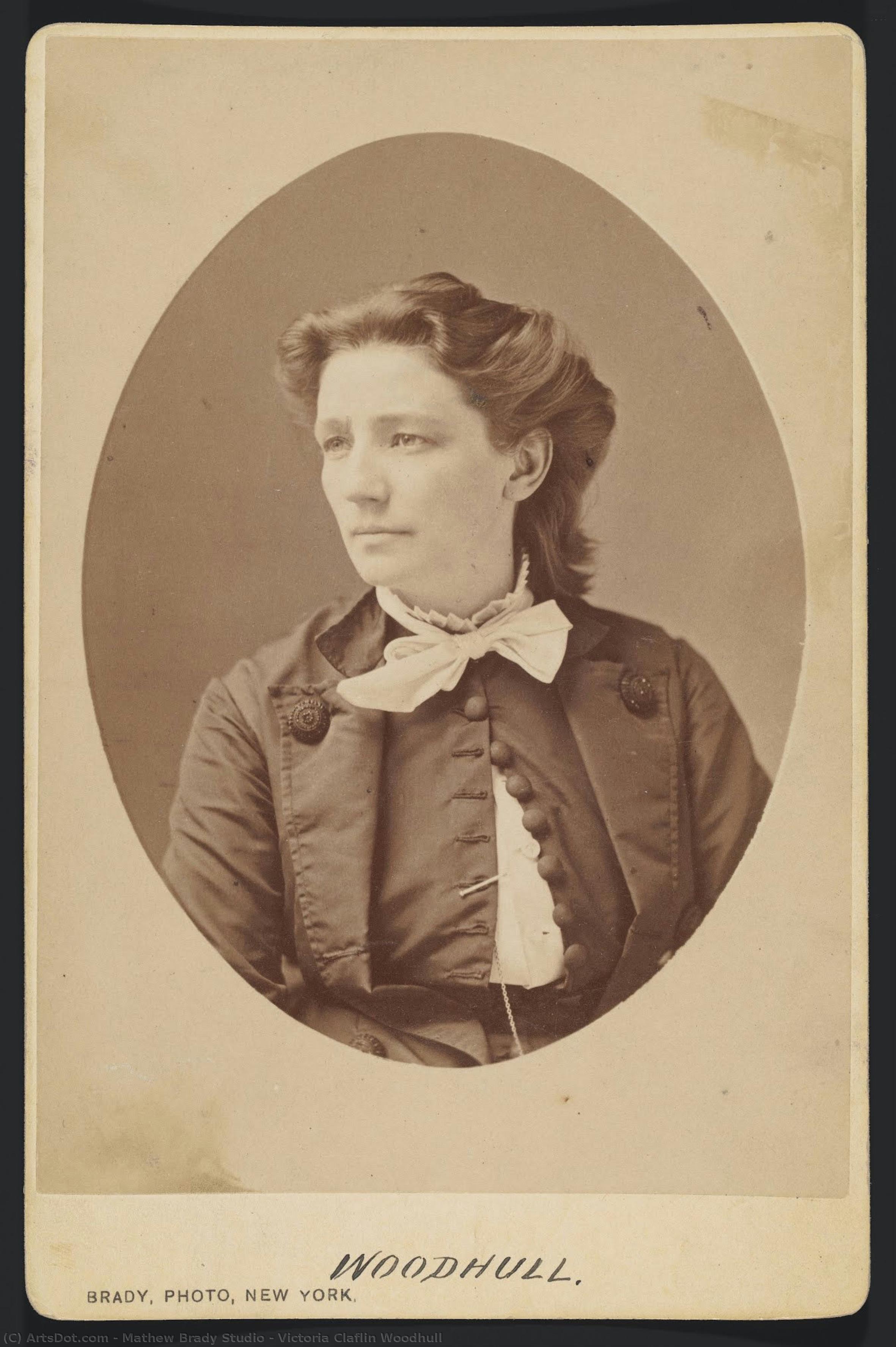
Victoria Claflin Woodhull


 Читать далее
Жикле / Арт-принт
Печать (жикле) или холст музейного качества с быстрыми сроками изготовления и широким выбором вариантов отделки. ( Купить картину ручной работы Перейти к цифровым изображениям)




































Выберите один из наших стандартных размеров, соответствующих оригинальным пропорциям произведения искусства.

Вы можете указать свои собственные размеры, чтобы репродукция идеально подошла под конкретную раму или пространство. Если выбранный вами размер не будет соответствовать пропорциям оригинала, мы либо обрежем произведение, либо дополним изображение зеркальным отражением краев или однотонной заливкой. Перед началом производства вам будет отправлен цифровой макет для утверждения.
Пожалуйста, обратите внимание, что предварительный просмотр на экране не отображает фактическую обрезку или расширение изображения. Только макет точно покажет финальную композицию.
Несмотря на возможность заказа индивидуальных размеров, мы рекомендуем выбирать размер из предопределенного списка, чтобы сохранить оригинальные пропорции.
Доставка по всему миру () за 2 недели вместо стандартных 4/5 недель. (11 Сентябрь)

Бесплатная экспресс-доставка по всему миру

Высококачественный льняной холст

Полное страхование доставки

Гарантия возмещения таможенных пошлин

Гарантия точного соответствия цветов

100-дневная политика возврата (только при обнаружении дефектов)

Гарантия возврата 100% средств

Предложение оптовых скидок
 Вариант со стеклом доступен только для размеров менее 110 см

Victoria Claflin Woodhull
Жикле / Арт-принт
Размер репродукции
-


Итоговая стоимость
$ 62
A Glimpse Through the Lens of Defiance
In this evocative black and white portrait, we encounter the formidable presence of Victoria Claflin Woodhull, a woman whose very existence challenged the rigid social hierarchies of the 19th century. Captured by the legendary Mathew Brady Studio, the photograph transcends mere documentation to become a psychological study of a revolutionary spirit. The subject is presented with a striking, contemplative gaze that pierces through the decades, inviting the viewer into her intense inner world. Dressed in the quintessential attire of the Victorian era—complete with a structured collar and a meticulously placed tie—Woodhull embodies a unique tension between the period's formal decorum and her own radical identity as a pioneer for women's suffrage and political agency.
The technical mastery of the Mathew Brady Studio is evident in the subtle gradations of light and shadow that define the contours of Woodhull’s face and the delicate texture of her hair, adorned with a classic bow. As a product of early photographic processes, the image possesses a profound sense of weight and permanence. The monochromatic palette strips away the distractions of color, forcing an intimate confrontation with the subject's expression. There is a haunting quality to the way the light catches her eyes, suggesting a mind deeply engaged in the "plotting revolution" she so famously declared. For the collector, this piece offers more than just a visual; it offers a window into a moment of profound historical friction.
The Weight of History and Symbolism
To behold this portrait is to witness the collision of tradition and transformation. The composition, mounted upon a vintage cardboard frame, serves as a physical reminder of the photograph's role as an artifact of American memory. Every element within the frame carries symbolic resonance: the formal Victorian clothing represents the societal constraints Woodhull sought to dismantle, while her unyielding, direct gaze symbolizes the burgeoning movement for suffrage and the right to "vote without regard to sex." The image captures the essence of a woman who stood at the precipice of change, embodying both the elegance of her era and the fiery rhetoric that once shocked a nation.
For interior designers and connoisseurs of historical art, this reproduction serves as a powerful focal point. It is an ideal acquisition for those looking to infuse a space with intellectual depth and a sense of narrative gravity. Whether placed in a curated gallery wall or standing alone as a statement piece in a study, the portrait of Victoria Woodhull evokes a sophisticated atmosphere of strength and resilience. It is a tribute to the enduring power of the individual to disrupt the status quo, making it an inspiring addition to any collection dedicated to the transformative figures of human history.
Похожие произведения
Биография художника
The Enduring Legacy of Mathew Brady Studio: Capturing a Nation in Transition
Mathew Brady, more than simply a photographer, was an architect of American memory. Born in Warren County, New York, in 1823, his journey to becoming the most celebrated visual chronicler of the 19th century began not with a lens, but with an ambition for artistry. Initially drawn to landscape painting and the burgeoning world of daguerreotypy, Brady quickly recognized the power of photography to transcend artistic interpretation and deliver unvarnished reality. He established his New York studio in 1844, rapidly gaining prominence through meticulously crafted portraits of prominent figures – a testament to his technical skill and keen understanding of public image. However, it was the seismic event of the Civil War that would irrevocably define Brady’s legacy and cement his place in history.Witnessing History: The Civil War Photographs
With the outbreak of hostilities in 1861, Brady embarked on a monumental undertaking: to document the entirety of the conflict. He didn't wield the camera himself at every battle; instead, he assembled and financed a team of photographers – Alexander Gardner, Timothy H. O’Sullivan, George N. Barnard among them – who ventured onto the front lines, braving danger to capture the brutal realities of war. Brady’s vision was comprehensive: not just grand landscapes of battlefields like Antietam and Gettysburg, but also intimate portraits of soldiers, camp life, and the devastating aftermath of conflict. The resulting collection, numbering in the thousands, presented a starkly different portrayal of war than anything previously seen by the American public. These weren’t romanticized depictions of heroism; they were unflinching glimpses into the carnage, suffering, and sheer scale of destruction.Technique and Innovation: Beyond Portraiture
Brady's studio wasn’t merely a place for taking pictures; it was an early adopter of photographic innovation. He moved beyond the limitations of daguerreotypes to embrace the collodion wet-plate process, which allowed for greater detail and reproducibility – crucial for creating multiple prints from each negative. This technical shift enabled wider dissemination of his images through publications like *Harper’s Weekly* and *Leslie's Illustrated Newspaper*, bringing the war directly into American homes. The logistical challenges were immense. The wet-plate method required a portable darkroom, immediate development of negatives after exposure, and careful handling of fragile materials in often harsh conditions. Brady’s team pioneered techniques for capturing movement and depth, laying the groundwork for future generations of photojournalists. His commitment to documenting the war wasn't driven by profit; he initially funded the project himself, believing it was a vital historical record.A Lasting Impact: Shaping Public Perception
The impact of Brady’s Civil War photographs extended far beyond their immediate publication. They shattered prevailing illusions about the glory of war and forced Americans to confront its horrific cost. While initially met with mixed reactions – some found the images too graphic, others dismissed them as staged – they gradually gained recognition for their authenticity and power. These photographs fundamentally altered public perception of conflict, paving the way for a more critical and informed understanding of warfare. Brady’s work also established photography as a legitimate form of historical documentation, influencing subsequent generations of war correspondents and documentary photographers.Beyond the Battlefield: Legacy and Remembrance
Though financially ruined by his investment in the Civil War project – he received little financial support from the government or public for years – Mathew Brady’s legacy remains undiminished. He continued to photograph prominent figures after the war, but it is his wartime work that continues to resonate most powerfully. The collection amassed by the studio became a cornerstone of American visual history, preserved and studied by scholars and artists alike.- Brady's photographs are now considered essential primary sources for understanding the Civil War.
- His team’s work established many of the conventions of war photography still used today.
- The studio’s commitment to documenting reality helped shape public opinion and foster a more critical awareness of conflict.

Основные сведения
- Artistic Movement Or Style: Photography
- Date Of Death: Living
- Full Name: Mathew Brady Studio
Похожие статьи
Топ-10 шедевров в тонах сажи: Искусство, история и декор от ArtsDot
Погрузитесь в мир темных тонов и драматизма! От Караваджо до Гойи – топ-10 знаменитых картин, где сажа создает неповторимую атмосферу. Репродукции высокого качества для вашего интерьера на ArtsDot.com

Топ-10 шедевров в тонах слоновой кости и черного: искусство, вдохновляющее интерьер
Погрузитесь в мир искусства с 10 шедеврами, где слоновая кость и черный создают завораживающие образы. Узнайте истории великих художников и вдохновитесь для создания уникального интерьера. Репродукции картин высокого качества на ArtsDot.com – искусство для вашего дома! Explore the full collection o
Топ-10 шедевров в оттенках черного: искусство, история и декор с ArtsDot
Погрузитесь в мир великих шедевров, где черный цвет – символ страсти и драмы. От Караваджо до Мунка, откройте историю искусства с ArtsDot. Купите репродукции картин онлайн и преобразите свой интерьер! Explore the full collection on ArtsDot.com

Топ-10 знаменитых картин в черных тонах: шедевры искусства для вашего интерьера
Погрузитесь в мир темных шедевров! Топ-10 знаменитых картин в черных тонах от Гойи, Рембрандта и Мунка. История искусства, техники живописи и вдохновение для вашего интерьера. Купите репродукции высокого качества на ArtsDot.com
James Sant: Capturing Victorian Childhood & the Evolving Landscape of British Genre Painting
Explore the life & art of James Sant (1820-1916), renowned Victorian portraitist to Queen Victoria. Discover his captivating depictions of childhood, landscapes, and aristocratic society. Learn about his legacy & find fine art reproductions.