

 Предпросмотр
 Поделиться
 Поделиться
 Детали произведения

 Скачать
 Похожие работы
 Рентгенография
 Слайд-шоу
 Статистика
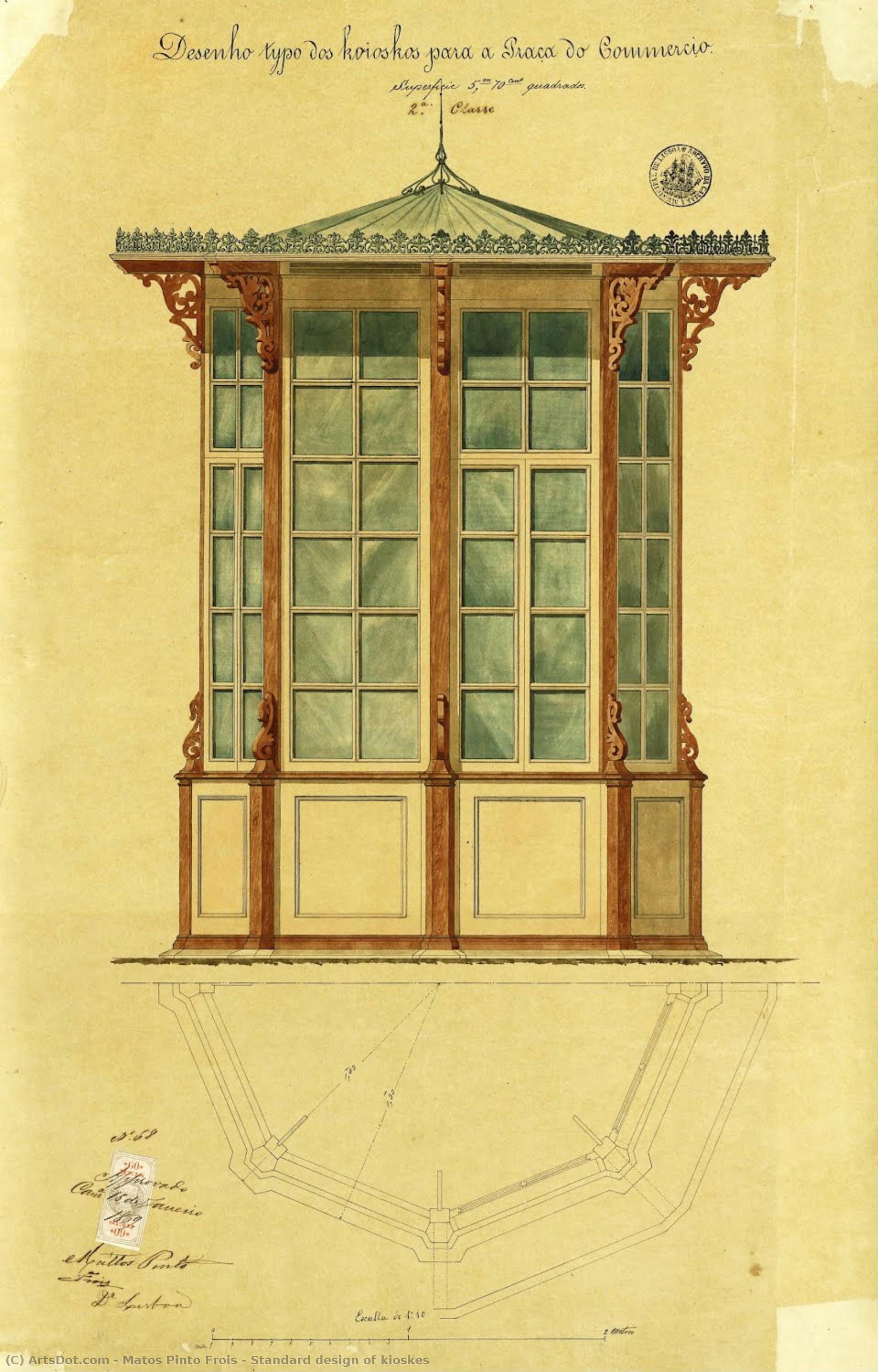
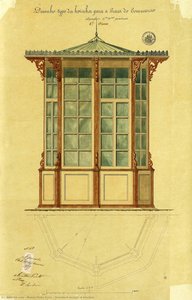
Standard design of kioskes
 1869
1869 71.0 x 45.0 cm
 Lisboa Municipal Archive
 Читать далее
Жикле / Арт-принт
Печать (жикле) или холст музейного качества с быстрыми сроками изготовления и широким выбором вариантов отделки. ( Купить картину ручной работы Перейти к цифровым изображениям)




































Выберите один из наших стандартных размеров, соответствующих оригинальным пропорциям произведения искусства.

Вы можете указать свои собственные размеры, чтобы репродукция идеально подошла под конкретную раму или пространство. Если выбранный вами размер не будет соответствовать пропорциям оригинала, мы либо обрежем произведение, либо дополним изображение зеркальным отражением краев или однотонной заливкой. Перед началом производства вам будет отправлен цифровой макет для утверждения.
Пожалуйста, обратите внимание, что предварительный просмотр на экране не отображает фактическую обрезку или расширение изображения. Только макет точно покажет финальную композицию.
Несмотря на возможность заказа индивидуальных размеров, мы рекомендуем выбирать размер из предопределенного списка, чтобы сохранить оригинальные пропорции.
Доставка по всему миру () за 2 недели вместо стандартных 4/5 недель. (13 Сентябрь)

Бесплатная экспресс-доставка по всему миру

Высококачественный льняной холст

Полное страхование доставки

Гарантия возмещения таможенных пошлин

Гарантия точного соответствия цветов

100-дневная политика возврата (только при обнаружении дефектов)

Гарантия возврата 100% средств

Предложение оптовых скидок
 Вариант со стеклом доступен только для размеров менее 110 см

Standard design of kioskes
Жикле / Арт-принт
Размер репродукции
-


Итоговая стоимость
$ 62
Похожие произведения
Биография художника
Matos Pinto Frois: Architect of Baroque Detail
The name Matos Pinto Frois might not immediately resonate within the broader halls of art history, yet his legacy is profoundly etched into the fabric of 18th-century Valletta, Malta. A Portuguese artist and architect working primarily during the late Baroque period, Frois’s contribution lies largely in his meticulous detailing and innovative design solutions for public spaces – particularly kiosks and architectural embellishments – that continue to captivate observers today. While biographical details remain somewhat sparse, piecing together information from archival records, artistic commissions, and the enduring beauty of his work reveals a craftsman deeply influenced by both classical principles and the exuberant spirit of the Baroque.
Born in Portugal (the exact date remains elusive), Frois’s early life offers little documented insight. However, it is believed he received a solid grounding in architectural design and ornamentation within the Portuguese court, absorbing the stylistic trends prevalent at the time – a synthesis of Italian Renaissance grandeur and the dramatic flourishes characteristic of the Baroque. His career truly blossomed during his period of service to Valletta, Malta, under the rule of the Knights of St John. This appointment marked a pivotal moment, placing him squarely in the heart of a burgeoning European capital undergoing rapid expansion and transformation.
The Kiosk Designs: A Masterclass in Detail
Frois’s most celebrated work revolves around his designs for kiosks – small, often ornate structures intended to provide refreshment and shelter within Valletta's bustling streets. These weren’t merely functional buildings; they were miniature masterpieces of Baroque design. The “Standard Design of Kioskes,” documented in 1869, represents a remarkably consistent aesthetic across numerous examples found throughout the city. Each kiosk is characterized by its intricate façade – a symphony of sculpted figures, elaborate cornices, and vibrant painted details. These weren’t simply decorative elements; they were carefully calibrated to draw attention, create a sense of spectacle, and contribute to the overall atmosphere of Valletta.
What distinguishes Frois's kiosks is his innovative approach to modular design. He developed a system of standardized components – columns, pilasters, pediments – that could be combined in various configurations to create a diverse range of kiosk forms. This ensured both efficiency and visual coherence across the city’s streetscape. Furthermore, he employed a rich palette of colors – deep reds, blues, golds, and greens – to inject vibrancy into the otherwise austere stone architecture of Valletta.
A Baroque Vision in St. John's Co-Cathedral
Beyond the kiosks, Frois’s influence extends to the magnificent St. John’s Co-Cathedral, a testament to the Knights of St. John’s wealth and artistic patronage. While he didn’t undertake the entire cathedral’s decoration – that honor fell largely to Caravaggio – Frois was responsible for significant elements within the church's opulent interior. His contributions include intricate stucco work, decorative panels, and the design of several altarpieces, all executed with a meticulous attention to detail consistent with his broader style. The interplay between Caravaggio’s dramatic religious scenes and Frois’s refined architectural embellishments creates a powerful visual dialogue, showcasing the diverse artistic currents shaping Valletta at the time.
Legacy and Historical Significance
Despite the relative obscurity of Matos Pinto Frois's personal life, his impact on Valletta is undeniable. His kiosks remain a defining feature of the city’s historic center, offering a tangible link to the 18th century. They are not simply buildings; they are embodiments of Baroque artistry and urban design. His work exemplifies the importance of public spaces in shaping civic identity and contributing to the overall aesthetic experience of a city. Furthermore, Frois's innovative modular design principles foreshadowed later developments in architectural standardization and mass production – demonstrating his foresight as a designer. While further research is needed to fully illuminate his life and career, Matos Pinto Frois’s legacy endures as a testament to the power of meticulous craftsmanship and the enduring beauty of Baroque detail.
matos pinto frois
Portugal
Основные сведения
- Artistic Movement Or Style: Baroque
- Full Name: Matos Pinto Frois
- Nationality: Portuguese
- Notable Artworks: ['Standard design of kioskes']
- Place Of Birth: Portugal