

 Предпросмотр
 Поделиться
 Поделиться
 Детали произведения

 Скачать
 Похожие работы
 Рентгенография
 Слайд-шоу
 Статистика
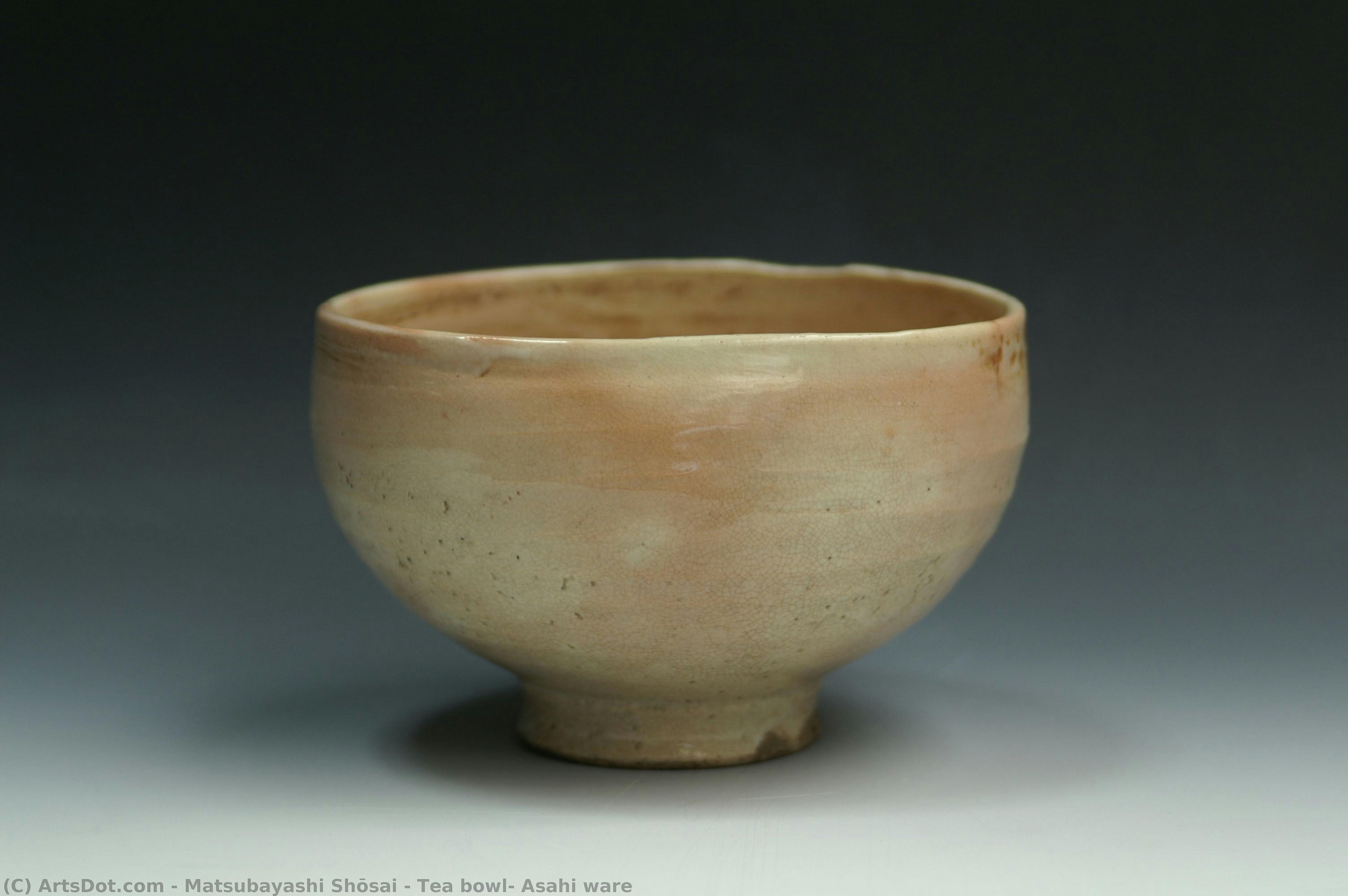
Tea bowl, Asahi ware


 Читать далее
Жикле / Арт-принт
Печать (жикле) или холст музейного качества с быстрыми сроками изготовления и широким выбором вариантов отделки. ( Купить картину ручной работы Перейти к цифровым изображениям)




































Выберите один из наших стандартных размеров, соответствующих оригинальным пропорциям произведения искусства.

Вы можете указать свои собственные размеры, чтобы репродукция идеально подошла под конкретную раму или пространство. Если выбранный вами размер не будет соответствовать пропорциям оригинала, мы либо обрежем произведение, либо дополним изображение зеркальным отражением краев или однотонной заливкой. Перед началом производства вам будет отправлен цифровой макет для утверждения.
Пожалуйста, обратите внимание, что предварительный просмотр на экране не отображает фактическую обрезку или расширение изображения. Только макет точно покажет финальную композицию.
Несмотря на возможность заказа индивидуальных размеров, мы рекомендуем выбирать размер из предопределенного списка, чтобы сохранить оригинальные пропорции.
Доставка по всему миру () за 2 недели вместо стандартных 4/5 недель. (11 Сентябрь)

Бесплатная экспресс-доставка по всему миру

Высококачественный льняной холст

Полное страхование доставки

Гарантия возмещения таможенных пошлин

Гарантия точного соответствия цветов

100-дневная политика возврата (только при обнаружении дефектов)

Гарантия возврата 100% средств

Предложение оптовых скидок
 Вариант со стеклом доступен только для размеров менее 110 см

Tea bowl, Asahi ware
Жикле / Арт-принт
Размер репродукции
-


Итоговая стоимость
$ 62
Похожие произведения







Биография художника
Matsubayashi Shosai: A Legacy Forged in Clay
Born in Asahi, Japan, in 1865, Matsubayashi Shosai’s life was inextricably linked to the ancient traditions of his family – a lineage stretching back twelve generations as masters of Asahi ware pottery. His birth marked not just the arrival of another artisan, but the continuation of a venerable craft deeply rooted in Japanese history and aesthetics. As the first son of Heijiro, the eleventh generation potter, Shosai inherited more than simply a workshop; he received the weighty responsibility of preserving a legacy that spanned centuries. This inheritance profoundly shaped his artistic journey, imbuing every piece with a profound respect for the past while simultaneously driving him to innovate and refine the techniques of his ancestors.
The Asahi kilns, nestled in the foothills of Mount Fuji, held a unique significance within Japanese ceramics. They were renowned for their distinctive “maki-ire” – a technique involving a deliberate, swirling motion applied during firing that created mesmerizing patterns and textures on the surface of the pottery. This method, combined with the use of local clay and ash, resulted in a subtly variegated glaze, often exhibiting shades of grey, brown, and cream, lending each piece an ethereal quality. Shosai’s early training focused intensely on mastering this complex firing process, recognizing it as the very heart of Asahi ware's distinctive character.
Reviving Tradition: The Matcha Bowl Renaissance
Shosai’s most enduring contribution lies in his dedication to reviving the production of matcha tea bowls – a practice that had begun to wane during the Meiji era. Following his succession as the twelfth generation potter in 1894, he immediately set about restoring the traditional methods and aesthetic sensibilities associated with these highly prized vessels. He meticulously studied surviving records, experimented with firing techniques, and sought guidance from older artisans, determined to recapture the essence of Asahi ware’s golden age. This wasn't merely a matter of replication; Shosai aimed to imbue his bowls with a renewed sense of spirit and artistry.
The matcha bowl, far more than just a vessel for powdered green tea, is considered an integral part of the Japanese tea ceremony – *chanoyu*. Its shape, texture, and glaze are all carefully chosen to enhance the sensory experience of drinking tea. Shosai’s bowls were particularly celebrated for their subtle variations in color and surface, achieved through precise control of the “maki-ire” firing technique. Each bowl possessed a unique character, reflecting the skill and intuition of the potter and the unpredictable nature of the kiln fire.
Technique and Artistic Vision
Shosai’s mastery extended beyond simply replicating established techniques; he demonstrated a remarkable sensitivity to material and form. He understood that the clay itself possessed inherent qualities – its texture, color, and responsiveness to heat – and skillfully manipulated these elements to achieve his desired effects. His bowls are characterized by their understated elegance, a testament to his belief in “less is more.” The surfaces often display delicate crackle patterns, subtle shifts in glaze color, and an overall sense of quiet refinement.
The influence of earlier Asahi ware masters undoubtedly informed Shosai’s work. However, he wasn't simply imitating the past; he was building upon it, incorporating his own artistic vision while remaining deeply respectful of tradition. His bowls are a harmonious blend of historical knowledge and personal expression – a testament to his dedication and skill.
A Lasting Legacy
Matsubayashi Shosai’s life concluded in 1932, but his legacy continues to resonate within the world of Japanese ceramics. His revival of the matcha bowl tradition ensured that Asahi ware remained a vital part of Japan's artistic heritage. His meticulous attention to detail, profound understanding of firing techniques, and unwavering commitment to preserving tradition have secured his place as one of the most important figures in 19th-century Japanese pottery. Today, his bowls are highly sought after by collectors worldwide, serving as tangible links to a rich cultural history and a testament to the enduring power of handcrafted artistry.
Further Exploration: Tea bowl, Asahi ware
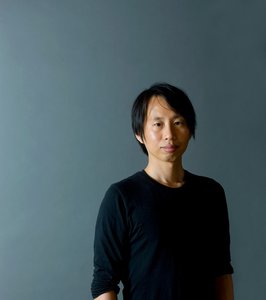
matsubayashi shōsai
1865 - 1932 , Japan
Основные сведения
- Artistic Movement Or Style: Asahi ware pottery
- Date Of Birth: 1865
- Date Of Death: 1932
- Full Name: Matsubayashi Shosai
- Nationality: Japanese
- Notable Artworks: ['Tea bowl, Asahi ware']
- Place Of Birth: Asahi, Japan