

 Предпросмотр
 Поделиться
 Поделиться
 Детали произведения

 Скачать
 Похожие работы
 Рентгенография
 Слайд-шоу
 Статистика
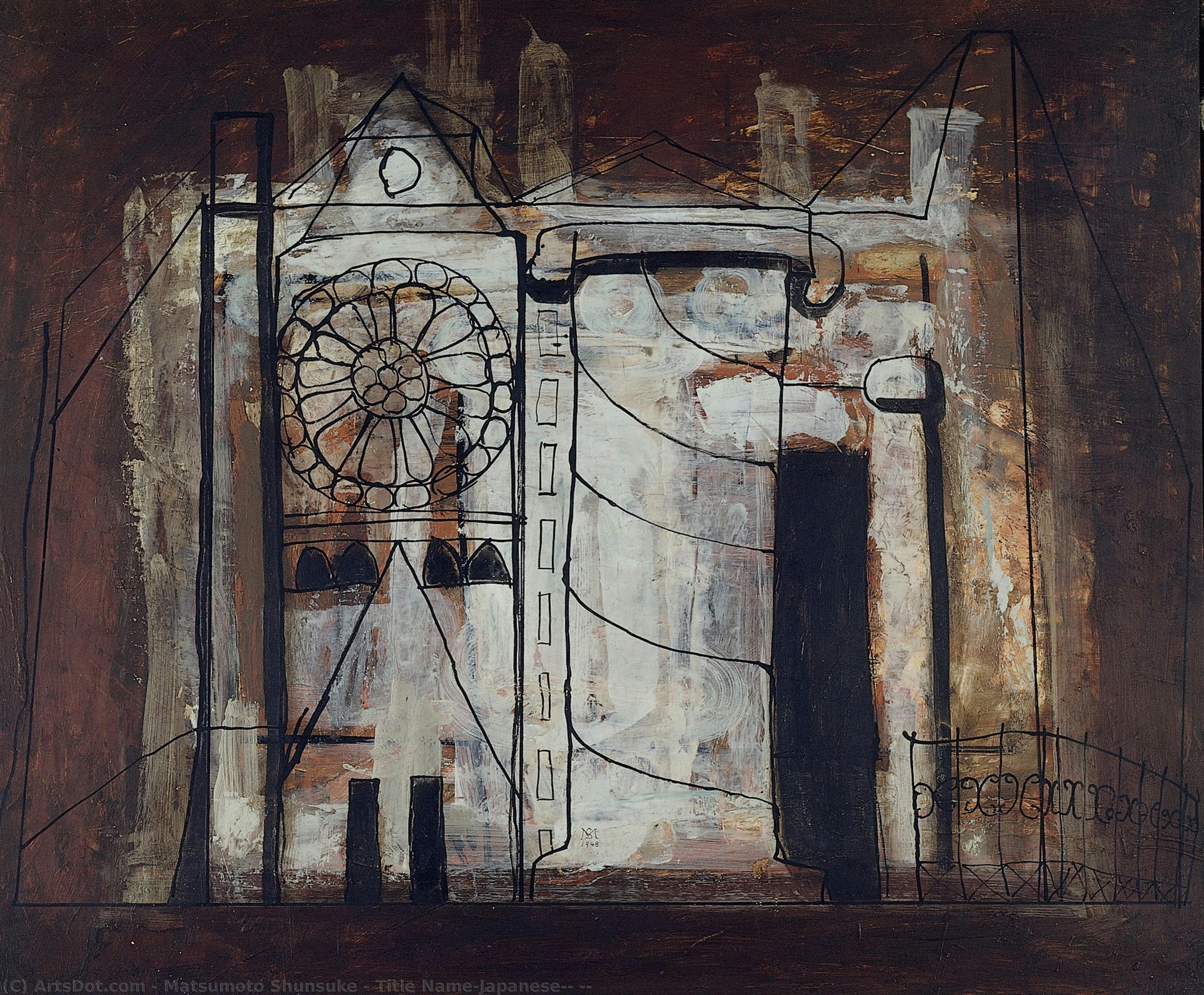
Title Name(Japanese): 建物
 1948
1948 73.0 x 60.0 cm
 Читать далее
Приобретите цифровое изображение высокого разрешения в улучшенном качестве, которое значительно превосходит онлайн-превью.
Каждый файл тщательно подготавливается нашими специалистами с использованием передовых инструментов и экспертной ручной ретуши. Мы гарантируем исключительную четкость, точную цветопередачу и детальную проработку каждого изображения.
Финальный файл доставляется по электронной почте в течение 72 часов и оптимизирован для немедленного использования в профессиональной среде, при верстке и печати. Это тот же уровень качества, которому доверяют ведущие дизайнерские студии, издательства и галереи.
Цифровое изображение
Скачайте файл высокого разрешения для личного использования, печати и творческих проектов. ( Перейти к печати Купить картину ручной работы)
Включено в каждый заказ цифровых изображений
Гарантия экспертной цифровой доставки
Выбирая ArtsDot.com, вы получаете не просто изображение — вы приобретаете профессионально обработанное цифровое произведение искусства, созданное с безупречной точностью и под защитой гарантии качества. Вот всё, что автоматически входит в ваш заказ:

Мгновенная доставка по e-mail
Ваш цифровой файл в высоком разрешении будет отправлен вам по электронной почте в течение 72 часов после оформления заказа — и сразу станет доступен для использования.

Цифровой файл с ИИ-улучшением
Ваше произведение искусства проходит профессиональную оптимизацию с использованием передовых инструментов ИИ и ручной обработки, что гарантирует максимальную детализацию, четкость и точность цветопередачи.

Бессрочная бесплатная повторная доставка
Случайно удалили или потеряли файл? Не беспокойтесь — мы отправим его вам повторно в любое время и совершенно бесплатно.

Без импортных пошлин — навсегда
Наслаждайтесь вашим произведением искусства мгновенно без таможенных пошлин, сборов или затрат на доставку — цифровые загрузки всегда не облагаются налогом.

Гарантия точности цветопередачи
Мы гарантируем, что ваше цифровое изображение максимально точно передает оригинальные цвета благодаря использованию профессиональных инструментов и систем управления цветом.

Гарантия удовлетворенности 100 дней
Если вы не будете удовлетворены своим цифровым изображением, мы внесем правки или вернем 100% стоимости в течение 100 дней — без лишних вопросов.

100% Гарантия возврата средств
Не удовлетворены покупкой? Получите полный возврат средств в течение 100 дней после получения цифрового файла — без лишних вопросов.

Скидки на оптовые заказы
Купите 3 изображения, сэкономьте 10% — Купите 5, сэкономьте 15% — Купите 10+, сэкономьте 20%. Отличное решение для творческих проектов, галерей и агентств.
Похожие произведения








Биография художника
The Silent Visionary: The Life and Legacy of Matsumoto Shunsuke
In the brief, luminous span of his thirty-six years, Matsumoto Shunsuke (1912–1948) managed to capture the profound psychological weight of a Japan in transition. Born Satō Shunsuke in the vibrant Shibuya district of Tokyo, his early life was marked by a transformative hardship that would ultimately shape his unique sensory perception of the world. At the age of thirteen, a bout of epidemic cerebral meningitis left him profoundly deaf, a silence that many believe deepened his visual acuity and allowed him to observe the nuances of light and form with an unparalleled intensity. This inward-looking perspective became the cornerstone of his artistic identity, as he learned to translate the rhythms of a changing society into the silent language of oil on canvas.
His journey into the heart of the Yōga tradition—the Western-style painting movement in Japan—began with a profound moment of familial support. It was a gift of oil painting tools from his elder brother, Akira, that ignited a lifelong passion. Moving to Tokyo as a young man, Matsumoto immersed himself in the rigorous academic environment of the era, eventually finding his voice through the study of both Western compositional principles and the subtle expressive qualities inherent in Japanese aesthetics. His early works began to gain recognition in prestigious venues like the Nika Art Exhibition, signaling the arrival of a talent capable of bridging the gap between traditional sensibilities and modern, globalized artistic movements.
Urban Melancholy and the Montage of Modernity
The true brilliance of Matsumoto’s oeuvre lies in his ability to evoke the atmosphere of an era grappling with rapid industrialization. His work is often categorized into two distinct yet emotionally resonant series that reflect the duality of the Japanese urban experience. In one, he explored "Anonymous Urban Landscapes," utilizing a palette of muted browns and earthy tones to depict the gritty, unadorned reality of Tokyo and Yokohama. These canvases are not mere topographical records; they are meditations on the encroaching shadows of modernity, where the textures of brick, iron, and stone serve as witnesses to the relentless march of progress.
In stark contrast to these somber cityscapes are his celebrated works featuring "People in Cold Blue Tones." Here, Matsumoto employed a sophisticated montage technique, layering perspectives and textures to create scenes that feel both surreal and deeply intimate. These compositions often feature solitary figures or architectural fragments set against chillingly beautiful blue hues, evoking a sense of profound isolation and quiet contemplation. Through this interplay of color and structure, he captured the alienation that often accompanies urban expansion, turning the cityscape into a psychological landscape where the boundaries between the external world and the internal spirit begin to blur.
A Final Evolution Toward Abstraction
As his career progressed toward its tragic conclusion, Matsumoto’s artistic language underwent a fascinating metamorphosis. In the final years of his life, particularly between 1947 and 1948, he began to move away from the concrete motifs of his earlier landscapes toward more experimental, Cubist-inspired forms. This period saw the emergence of his "Composition" series, where the heavy textures of his urban scenes gave way to a more streamlined, graphic approach. Using bold black lines atop freely applied layers of paint, he began to deconstruct buildings, tracks, and human figures into essential geometric elements.
This evolution toward abstraction suggests an artist who was constantly pushing against the limits of representation, seeking a more primal truth beneath the surface of reality. Though his life was cut short by illness, leaving much of his potential unfulfilled, the impact of his work remains indelible. Matsumoto Shunsuke stands as a pivotal figure in 20th-century Japanese art, a painter who transformed the silence of his own world into a powerful, visual symphony of urban transformation, memory, and enduring human emotion.
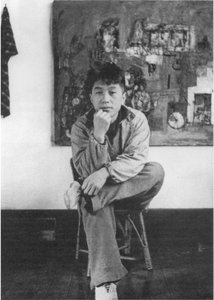
matsumoto shunsuke
1912 - 1948 , Japan
Основные сведения
- Artistic Movement Or Style: Yōga (Western painting)
- Artists Who Influenced This Artist: ['Okada Saburōsuke']
- Date Of Birth: April 19, 1912
- Date Of Death: June 8, 1948
- Full Name: Matsumoto Shunsuke
- Nationality: Japanese
- Notable Artworks:
- Machi 1936
- Woman with Sculpture
- Title Name(Japanese): 並木道
- Title Name(Japanese): Y市の橋
- Place Of Birth: Tokyo, Japan