

 Предпросмотр
 Поделиться
 Поделиться
 Детали произведения

 Скачать
 Похожие работы
 Рентгенография
 Слайд-шоу
 Статистика
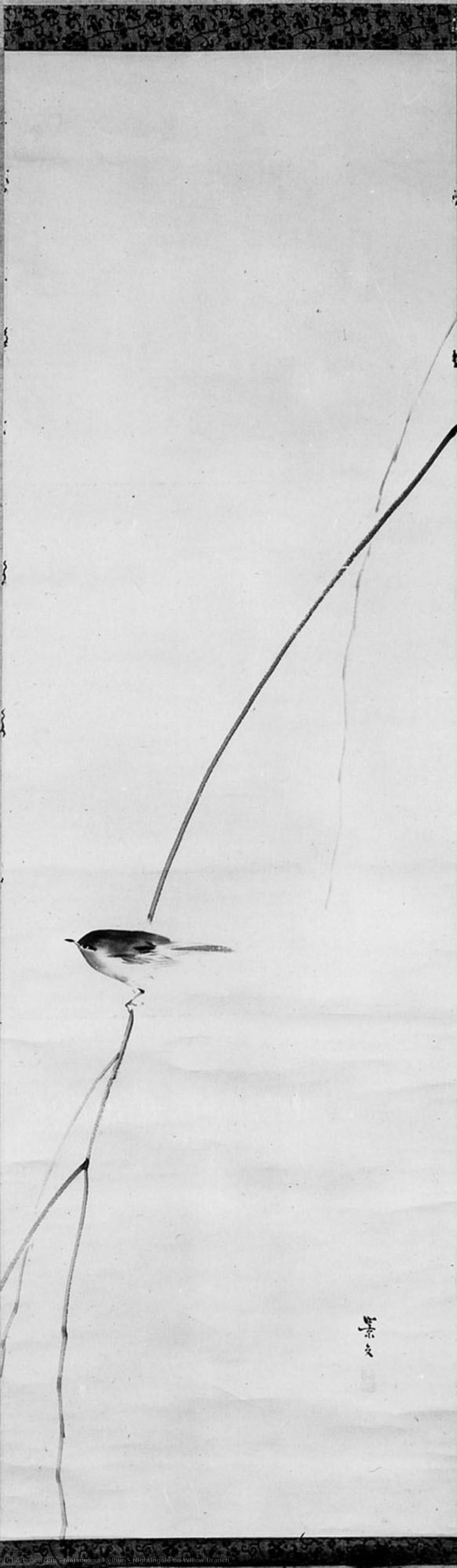
Nightingale on Willow Branch
 102.0 x 30.0 cm
 Читать далее
Масляная репродукция ручной работы
Картина маслом на холсте в выбранном вами размере и раме, написанная на заказ нашими художниками. ( Перейти к печати Перейти к цифровым изображениям)




































Выберите один из наших стандартных размеров, соответствующих оригинальным пропорциям произведения искусства.

Вы можете указать собственные размеры, чтобы картина идеально вписалась в выбранную раму или пространство. Если выбранный вами размер не соответствует пропорциям оригинала, мы либо обрежем полотно, либо расширим его за счет дополнительных элементов, написанных вручную. Цифровой макет будет отправлен вам на утверждение перед началом производства.
Обратите внимание, что предварительный просмотр на экране не отражает фактическую обрезку или расширение. Только макет точно покажет окончательную композицию.
Хотя доступны индивидуальные размеры, мы рекомендуем выбирать вариант из предопределенного списка, чтобы сохранить исходные пропорции.
После оформления заказа команда ArtsDot.com свяжется с клиентом по электронной почте для уточнения деталей и предоставит предварительный макет
Доставка по всему миру () за 3–4 недели вместо стандартных 5 недель. (13 Сентябрь). Без компромиссов в качестве.

Бесплатная экспресс-доставка по всему миру

Высококачественный льняной холст

Полное страхование доставки

Гарантия возмещения таможенных пошлин

Гарантия точного соответствия цветов

100-дневная политика возврата (только при обнаружении дефектов)

Гарантия возврата 100% средств

Предложение оптовых скидок
 Вариант со стеклом доступен только для размеров менее 110 см

Nightingale on Willow Branch
Техника репродукции
Размер репродукции
-


Итоговая стоимость
$ 263
Похожие произведения





Биография художника
Matsumura Keibun: Life and Legacy
Early Life and Training
Matsumura Keibun (1779-1843) was a prominent Japanese painter active during the Edo period. Born in Kyoto, Japan, he came from an artistic family. He was the younger half-brother of Matsumura Goshun, who founded the influential Shijō school of painting. Keibun received his initial art education directly from Goshun, laying the foundation for his future style and career.
Artistic Development and Style
Keibun began exhibiting his work as early as 1796, demonstrating a precocious talent. His style closely mirrored that of his half-brother Goshun, but developed a lighter and more manneristic quality over time. While rooted in traditional Japanese painting techniques, Keibun’s approach possessed a distinctive elegance and refinement. He was skilled in various genres, including landscapes, figure paintings, and particularly excelled in kachō-ga (bird-and-flower painting).
Major Achievements and Works
- Inheritance of Goshun’s Studio: Upon Goshun's death in 1811, Keibun inherited his studio, solidifying his position within the Shijō school.
- ‘Go Keibun gafu’: In 1829, he published ‘Go Keibun gafu’ (Keibun's art of painting), an illustrated book that significantly contributed to establishing and promoting Goshun’s artistic principles.
- Gion Matsuri Float Paintings: A notable achievement was his creation of bird paintings on the ceiling of the ‘naginata-hoko’ (long sword halberd) float for the Gion Matsuri festival in 1829. These paintings remain in use today, a testament to their enduring quality.
- ‘Shiki Kōsaku-zu’: Perhaps his most celebrated work is the set of fusuma (sliding doors) at Myōhō–ji temple, depicting ‘Cultivation in the Four Seasons’. These paintings showcase Keibun’s mastery of composition and detail.
Influences and Historical Significance
Keibun was profoundly influenced by his half-brother, Goshun, whose style he initially emulated. However, he gradually developed a unique artistic voice within the Shijō school tradition. His work reflects the aesthetic preferences of Kyoto during the late Edo period, characterized by elegance and refinement.
Keibun’s contribution lies in his skillful continuation and subtle evolution of the Shijō school style. He helped to solidify Goshun's legacy while adding his own distinctive touch. His paintings are now held in numerous prestigious museums worldwide, including the British Museum, the Metropolitan Museum of Art, and the Seattle Art Museum, demonstrating his lasting impact on Japanese art history.
Later Life and Legacy
Beyond his artistic pursuits, Keibun also served as chief priest at the Myōhō-in temple in Kyoto. He passed away on May 25, 1843, and was initially interred at Daitsū-ji before being moved to Konpuku-ji, a more esteemed Zen temple. His work continues to be admired for its beauty, technical skill, and historical significance.
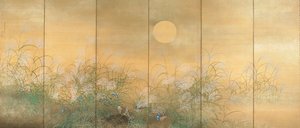
Matsumura Keibun
1779 - 1843 , Japan
Основные сведения
- Birth Date: 1779
- Birth Place: Kyoto, Japan
- Death Date: 1843-05-25
- Influenced By: Matsumura Goshun
- Movement: Shijō school
- Name: Matsumura Keibun
- Nationality: Japanese
- Notable Works: Shiki Kōsaku-zu (Four Seasons Cultivation)