

 Предпросмотр
 Поделиться
 Поделиться
 Детали произведения

 Скачать
 Похожие работы
 Рентгенография
 Слайд-шоу
 Статистика
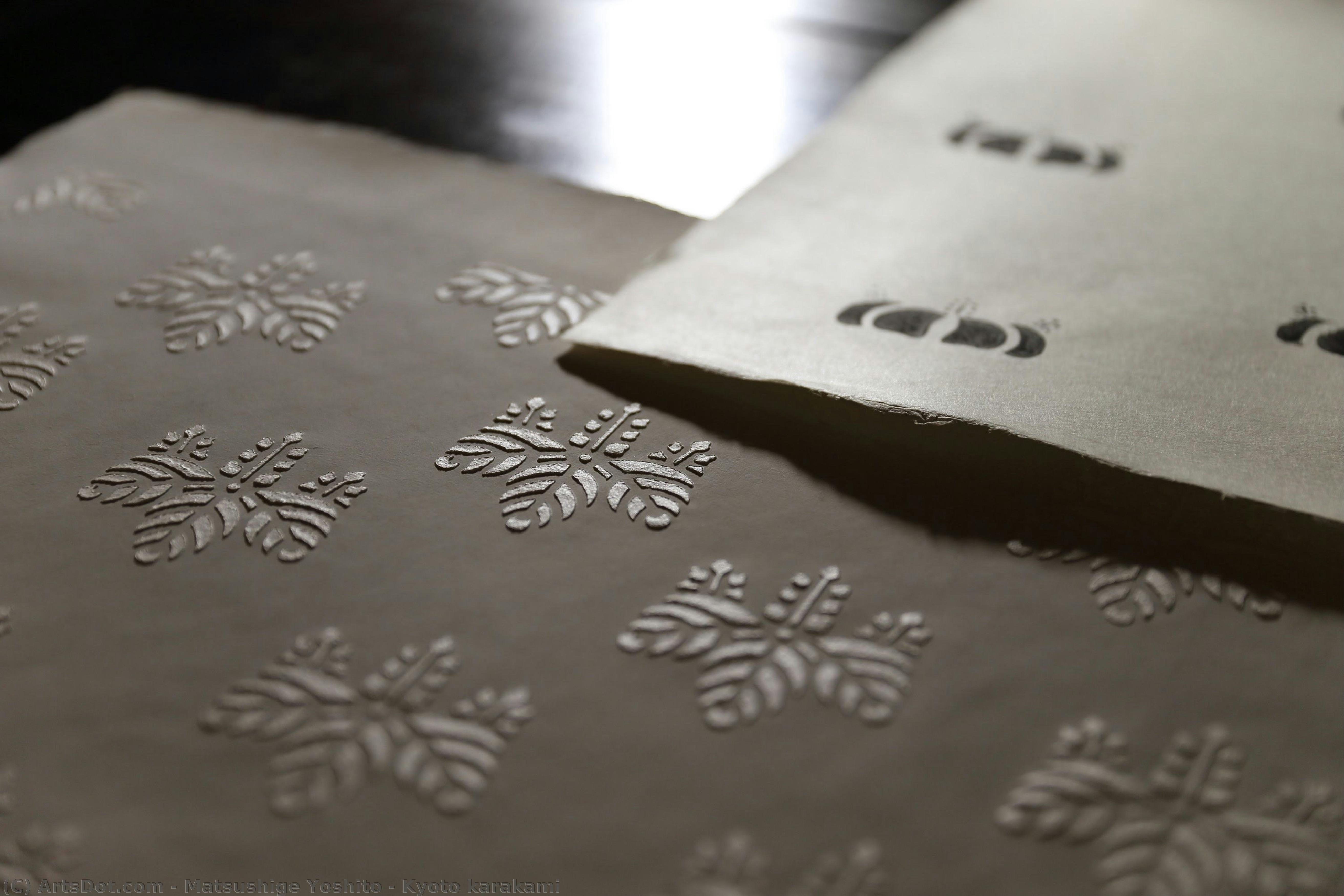
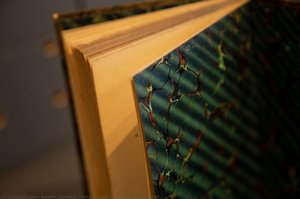
Kyoto karakami

 Читать далее
Жикле / Арт-принт
Печать (жикле) или холст музейного качества с быстрыми сроками изготовления и широким выбором вариантов отделки. ( Купить картину ручной работы Перейти к цифровым изображениям)




































Выберите один из наших стандартных размеров, соответствующих оригинальным пропорциям произведения искусства.

Вы можете указать свои собственные размеры, чтобы репродукция идеально подошла под конкретную раму или пространство. Если выбранный вами размер не будет соответствовать пропорциям оригинала, мы либо обрежем произведение, либо дополним изображение зеркальным отражением краев или однотонной заливкой. Перед началом производства вам будет отправлен цифровой макет для утверждения.
Пожалуйста, обратите внимание, что предварительный просмотр на экране не отображает фактическую обрезку или расширение изображения. Только макет точно покажет финальную композицию.
Несмотря на возможность заказа индивидуальных размеров, мы рекомендуем выбирать размер из предопределенного списка, чтобы сохранить оригинальные пропорции.
Доставка по всему миру () за 2 недели вместо стандартных 4/5 недель. (12 Сентябрь)

Бесплатная экспресс-доставка по всему миру

Высококачественный льняной холст

Полное страхование доставки

Гарантия возмещения таможенных пошлин

Гарантия точного соответствия цветов

100-дневная политика возврата (только при обнаружении дефектов)

Гарантия возврата 100% средств

Предложение оптовых скидок
 Вариант со стеклом доступен только для размеров менее 110 см

Kyoto karakami
Жикле / Арт-принт
Размер репродукции
-


Итоговая стоимость
$ 62
Похожие произведения






Биография художника
Yoshito Matsushige: Witness to a City’s Ruin
The year 1945 is etched in history, forever marked by the devastating atomic bombing of Hiroshima. While countless images document this horrific event, few capture the raw immediacy and profound human cost quite like those taken by Yoshito Matsushige, a Japanese photojournalist who lived through it all. Born in Kure, Hiroshima in 1913, Matsushige’s life took an irreversible turn on August 6th when he found himself amidst the chaos and devastation of the blast. His five photographs – the only images recorded within Hiroshima itself that day – are not merely historical documents; they are poignant testaments to survival, resilience, and the enduring spirit of a city shattered.
Matsushige’s journey began as a simple newspaper employee in Chugoku Shimbun. He was a keen observer of his surroundings, developing a skill for capturing everyday life before the war. However, it was his experience during World War II that fundamentally shaped his artistic vision. He was stationed at home, just 2.7 kilometers south of the hypocenter, when the bomb detonated. Remarkably, he sustained only minor injuries, driven by an instinctive need to document what he witnessed. The immediate scene – a raging fire and desperate survivors – prevented him from using his camera for twenty agonizing minutes, during which time he managed to capture two frames depicting those who had narrowly escaped serious harm, one notably showing the application of cooking oil to burns—a heartbreakingly practical response to unimaginable suffering.
Despite his determination, Matsushige’s efforts were hampered by the circumstances. The film was difficult to develop, requiring him to work at night and in the open air, rinsing it in a nearby stream. The resulting negatives suffered significant deterioration over time, necessitating extensive restoration work in the 1970s. Yet, even with these challenges, his photographs emerged as powerful reminders of that fateful day. The final pair of images – taken close to his home – offer glimpses into the immediate aftermath: one depicting the damage to his family’s barbershop, and another a haunting view through his window, revealing the extent of the destruction.
The Photographs: A Chronicle of Immediate Impact
Matsushige's photographs are not grand landscapes or heroic portraits; they are intimate studies of human suffering. The first two images, taken shortly after the blast near Miyuki Bridge, capture individuals grappling with immediate injuries and the desperate need for aid. The second frame is particularly striking – a policeman issuing certificates to civilians, a bureaucratic act performed amidst unimaginable devastation, highlighting the attempt to maintain order in the face of chaos. The final pair offers a more personal perspective, revealing the damage inflicted upon Matsushige’s own home and family business—a tangible representation of the widespread destruction.
These images are not simply records of an event; they are imbued with emotion. The stark black and white tones amplify the horror, while the close-up perspectives draw the viewer into the experience of those affected. The composition is deliberate, focusing on details—a hand reaching for help, a burn treated with oil, a certificate offered in a world turned upside down—that speak volumes about the human condition under extreme duress.
A Survivor’s Perspective and Legacy
Yoshito Matsushige's survival of the Hiroshima bombing was extraordinary. He carried the weight of witnessing such devastation, yet he continued to document it through his lens. His photographs offer a unique and invaluable perspective on the event, one that transcends mere historical accounts. He testified about his experience, providing crucial insights into the immediate aftermath.
His work has been recognized internationally, featured in exhibitions like “Kaku: Hangenki” (The Half Life of Awareness), which showcased photographs from other prominent Japanese war photographers. These exhibitions have ensured that Matsushige’s images are not confined to archives but are accessible to a wider audience, serving as a constant reminder of the human cost of war and the importance of peace.
Technical Considerations & Historical Context
Despite the challenges posed by the damaged film negatives, Matsushige's photographs remain remarkably powerful. The restoration work undertaken decades later reveals the inherent quality of his eye for composition and detail. His ability to capture such poignant moments amidst the chaos speaks volumes about his skill as a photojournalist and his commitment to bearing witness.
Matsushige’s story is inextricably linked to the broader historical context of World War II and the atomic bombings of Hiroshima and Nagasaki. His photographs stand alongside those of Ken Domon, Toshio Fukada, and other Japanese photographers who documented the aftermath of these events, creating a collective visual record of one of the most significant moments in human history. His work serves as a vital reminder of the importance of remembering the past and striving for a future free from violence.

matsushige yoshito
1913 - 2005 , Japan
Основные сведения
- Artistic Movement Or Style: Photojournalism
- Date Of Birth: January 2, 1913
- Date Of Death: January 16, 2005
- Full Name: Yoshito Matsushige
- Nationality: Japanese
- Notable Artworks:
- Atomic Bomb Photos
- Hiroshima devastation
- Place Of Birth: Hiroshima, Japan