

 Поделиться
 Поделиться
 Детали произведения

 Скачать
 Похожие работы
 Слайд-шоу
 Статистика
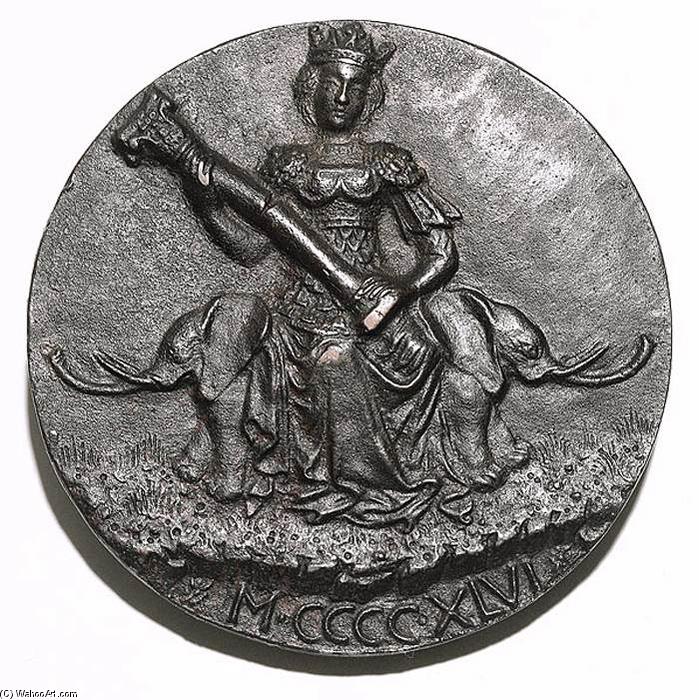
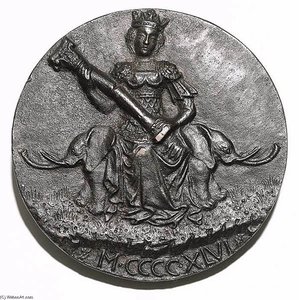
Fortitude, seated on two elephants (reverse)


 Читать далее
Масляная репродукция ручной работы
Картина маслом на холсте в выбранном вами размере и раме, написанная на заказ нашими художниками. ( Перейти к печати Перейти к цифровым изображениям)




































Выберите один из наших стандартных размеров, соответствующих оригинальным пропорциям произведения искусства.

Вы можете указать собственные размеры, чтобы картина идеально вписалась в выбранную раму или пространство. Если выбранный вами размер не соответствует пропорциям оригинала, мы либо обрежем полотно, либо расширим его за счет дополнительных элементов, написанных вручную. Цифровой макет будет отправлен вам на утверждение перед началом производства.
Обратите внимание, что предварительный просмотр на экране не отражает фактическую обрезку или расширение. Только макет точно покажет окончательную композицию.
Хотя доступны индивидуальные размеры, мы рекомендуем выбирать вариант из предопределенного списка, чтобы сохранить исходные пропорции.
После оформления заказа команда ArtsDot.com свяжется с клиентом по электронной почте для уточнения деталей и предоставит предварительный макет
Доставка по всему миру () за 3–4 недели вместо стандартных 5 недель. (12 Сентябрь). Без компромиссов в качестве.

Бесплатная экспресс-доставка по всему миру

Высококачественный льняной холст

Полное страхование доставки

Гарантия возмещения таможенных пошлин

Гарантия точного соответствия цветов

100-дневная политика возврата (только при обнаружении дефектов)

Гарантия возврата 100% средств

Предложение оптовых скидок
 Вариант со стеклом доступен только для размеров менее 110 см

Fortitude, seated on two elephants (reverse)
Техника репродукции
Размер репродукции
-


Итоговая стоимость
$ 263
A Renaissance Emblem of Resilience
In the quiet, tactile world of Renaissance metalwork, few objects command as much reverence as the bronze medal Fortitude, seated on two elephants (reverse). Created around 1449 by the Veronese master Matteo di Andrea de’ Pasti, this exquisite piece is far more than a mere commemorative token; it is a profound window into the soul of the Quattrocento. At its heart lies a striking symmetrical composition, where a central female figure sits poised between two formidable elephants. This deliberate arrangement serves as a visual metaphor for stability and unyielding strength, capturing the very essence of Fortitudo. To gaze upon this medal is to encounter the humanist ideals of an era that sought to reconcile classical antiquity with a new, vibrant sense of individual character and moral purpose.
The artistry of de’ Pasti is revealed through his masterful use of embossing, a technique where the artist meticulously hammers and presses the bronze to breathe life into the metal. Every curve of the elephants' forms and every fold in the central figure's drapery speaks to a level of sculptural precision that rivals much larger monuments. The surface is alive with fine, incised lines that create a delicate interplay of light and shadow, lending a sense of organic movement to the static bronze. This textured relief creates an illusion of depth, drawing the viewer into a contemplative space where the weight of the metal feels balanced by the lightness of the artist's touch. For the collector or designer, such a piece offers a sophisticated tactile element, bringing a sense of historical gravity and artisanal excellence to any curated collection.
Symbolism and the Spirit of an Era
Beyond its technical brilliance, the medal functions as a complex tapestry of Renaissance symbolism. The choice of elephants is particularly evocative; in the iconographic language of the time, these creatures represented power, memory, and an indomitable spirit. By placing the personification of Fortitude between them, de’ Pasti suggests a virtue that is both grounded by tradition and capable of navigating the most monumental challenges. This theme of resilience would have resonated deeply with the patrons of the era, such as Sigismondo Pandolfo Malatesta, whose ambitious life mirrored the very courage depicted in the bronze.
The monochromatic palette of the aged bronze, characterized by deep browns and subtle grays from centuries of oxidation, lends the work an aura of timelessness. It is a piece that does not shout for attention but rather commands it through its quiet dignity and historical weight. For those seeking to infuse an interior with a sense of intellectual depth and classical elegance, a high-quality reproduction of this medal serves as a perfect focal point. It invites conversation about the enduring nature of human courage and the exquisite craftsmanship of a period that mastered the art of capturing the eternal within the miniature.
Похожие произведения

Биография художника
The Sculptor of Renaissance Splendor
Matteo di Andrea de’ Pasti stands as a pivotal figure in the artistic landscape of Verona and the broader Italian Renaissance, a master whose hands shaped the very essence of humanist ideals. Born in Verona around 1420, he emerged from a tradition steeped in Veronese sculptural excellence, inheriting techniques honed by masters such as Giovanni Battista Falcone and Andrea Mantegna. These foundational skills would prove instrumental in shaping his distinctive style, characterized by an exquisite ability to marry monumental scale with intricate, delicate detail. His life was a journey through the intellectual ferment of the Quattrocento, fueled by the humanist scholarship and artistic innovation that flowed from Florence under the influence of figures like Lorenzo de’ Medici.
The artistry of Pasti is deeply rooted in the embrace of classical proportions and idealized forms, mirroring the stylistic trends championed by the great architects Alberti and Brunelleschi. This connection to the classical past was not merely aesthetic but philosophical, reflecting a profound fascination with Greco-Roman aesthetics that permeated the era. His work often sought to capture the spirit of his age—the High Renaissance—conveying profound symbolic meaning through the medium of bronze and stone. Whether crafting a massive religious icon or a miniature commemorative medal, Pasti possessed an unparalleled skill in capturing both the physical likeness and the spiritual depth of his subjects.
A Visionary Collaboration and Royal Patronage
Perhaps the most enduring testament to Pasti’s genius is his legendary collaboration with the visionary architect Leone Battista Alberti. Together, they embarked on the ambitious design and construction of the Tempio Malatestiano in Rimini, a project that cemented their reputation as a formidable architect-sculptor duo. This cathedral church was more than a religious edifice; it was a meticulously crafted symbol of royal prestige and humanist ambition, commissioned by Sigismondo Pandolfo Malatesta. Within this breathtaking structure, Pasti’s sculptural decorations breathed life into the stone, including monumental statues of saints and biblical figures that demonstrated his mastery of expressive power and scale.
The breadth of Pasti’s influence is further evidenced by the illustrious patrons who sought his hand. His prolific output spanned commissions for influential figures such as Lionello d'Este, reflecting a flourishing artistic environment where civic pride and religious piety were celebrated through art. His talent for portraiture led him to produce numerous busts and medals for noble families across Italy, capturing the likenesses of prominent individuals with remarkable realism. This mastery extended even to the realm of metalwork, where his intricately crafted bronze medals became celebrated artifacts of Renaissance symbolism, often featuring complex allegories such as Fortitude seated upon elephants.
Legacy and Historical Significance
The historical trajectory of Matteo di Andrea de’ Pasti is as dramatic as the art he produced. In 1461, his reputation reached far beyond the borders of Italy when he was sent by Sigismondo Malatesta to the court of Mekhmed II in Istanbul. However, this grand diplomatic and artistic mission was cut short when he was arrested during his journey, a moment that serves as a poignant coda to a life of immense creative achievement. Though his career was marked by such turbulent interruptions, his impact on the sculptural tradition remains indelible.
Today, the legacy of Pasti is preserved in some of the world's most prestigious institutions, allowing modern viewers to connect with the grandeur of the Renaissance. His works serve as vital links to a period of unparalleled human achievement, embodying the following:
- Technical Mastery: The seamless integration of Gothic traditions with innovative Renaissance structural solutions.
- Humanist Expression: The use of idealized human forms to convey complex religious and civic narratives.
- Artistic Versatility: An ability to transition effortlessly between monumental cathedral sculpture and the delicate precision of commemorative medal making.
- Cultural Impact: A lasting presence in collections such as the Cleveland Museum of Art and the British Museum, where his pieces continue to inspire awe.
Основные сведения
- Artistic Movement Or Style: Renaissance
- Artists Or Movements Influenced By This Artist: ['Leone Battista Alberti']
- Date Of Birth: Verona, Italy ()
- Date Of Death: Living
- Full Name: Matteo di Andrea de' Pasti
- Nationality: Italian
- Notable Artworks:
- Bust of Leon Battista Alberti
- Fortitude, seated on two elephants (reverse)
- Tempio Malatestiana
- Place Of Birth: Verona
Похожие статьи
The Enduring Legacy of Bronze Sculpture: A Collector's Guide to Form & Cultural Significance
Explore the rich history & enduring appeal of bronze sculpture with expert insights for collectors at ArtsDot. Learn about casting techniques, iconic artists, and collecting tips to build a discerning art collection.

10 легендарных бронзовых скульптур, изменивших искусство навсегда | ArtsDot
Погрузитесь в мир великих бронзовых скульптур! От Давида Микеланджело до работ Родена – история искусства, техники и вдохновения. Купите репродукции шедевров для вашего интерьера на ArtsDot.com
The Enduring Legacy of Bronze: History, Technique & Artistic Expression for the Collector
Explore the rich history & enduring appeal of bronze sculpture with expert insights for collectors at ArtsDot. Learn about casting techniques, iconic artists, and collecting tips.

10 легендарных бронзовых шедевров, изменивших искусство | ArtsDot
Погрузитесь в мир великих бронзовых шедевров! От Давида Донателло до Мыслителя Родена – узнайте историю создания, технику и значение легендарных скульптур. Вдохновение для интерьера и музейное качество репродукций на ArtsDot.com.

The Enduring Legacy of Bronze: A Historical & Artistic Exploration for the Collector
Explore the rich history & enduring appeal of bronze sculpture with expert insights for collectors at ArtsDot. Learn about casting techniques, iconic artists, collecting tips & contemporary interpretations.