

 Предпросмотр
 Поделиться
 Поделиться
 Детали произведения

 Скачать
 Похожие работы
 Рентгенография
 Слайд-шоу
 Статистика
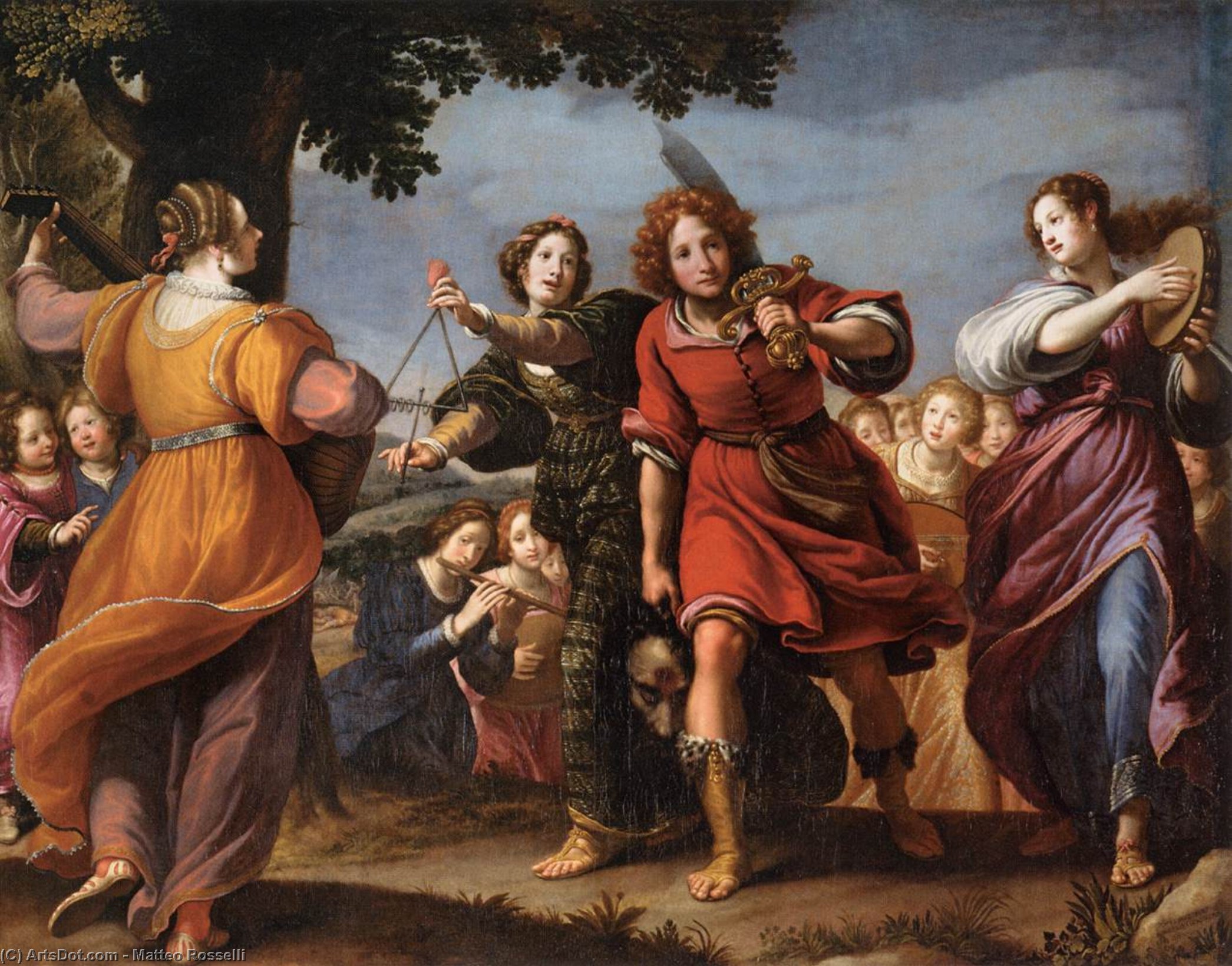
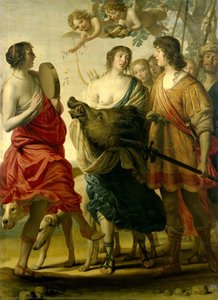
The Triumph of David
 Oil On Canvas
- WallArt
- Baroque and Counter-Mannerism
 1630
1630 235.0 x 295.0 cm
 Лувр
Лувр
 Читать далее
Масляная репродукция ручной работы
Картина маслом на холсте в выбранном вами размере и раме, написанная на заказ нашими художниками. ( Перейти к печати Перейти к цифровым изображениям)




P118B $10

P118H $10

P118W $10

P438Z $10

P508JH $12

P508YH $12

P805H $10

P805Z $10

P919BZ $10

P919G $10

P919XJ $10

P959ZH $10

P968JZ $12

W106C $8

W218G $10

W218JH $8

W218Y $10

W307PJ $10

W316G $10

W316PJ $8

W316Y $10

W398PJ $8

W4111J $10

W500HY $15

W500JH $15

W692G $12

W849H $8

W940BG $15

W953PJ $8




Выберите один из наших стандартных размеров, соответствующих оригинальным пропорциям произведения искусства.

Вы можете указать собственные размеры, чтобы картина идеально вписалась в выбранную раму или пространство. Если выбранный вами размер не соответствует пропорциям оригинала, мы либо обрежем полотно, либо расширим его за счет дополнительных элементов, написанных вручную. Цифровой макет будет отправлен вам на утверждение перед началом производства.
Обратите внимание, что предварительный просмотр на экране не отражает фактическую обрезку или расширение. Только макет точно покажет окончательную композицию.
Хотя доступны индивидуальные размеры, мы рекомендуем выбирать вариант из предопределенного списка, чтобы сохранить исходные пропорции.
После оформления заказа команда ArtsDot.com свяжется с клиентом по электронной почте для уточнения деталей и предоставит предварительный макет
Доставка по всему миру () за 3–4 недели вместо стандартных 5 недель. (12 Сентябрь). Без компромиссов в качестве.

Бесплатная экспресс-доставка по всему миру

Высококачественный льняной холст

Полное страхование доставки

Гарантия возмещения таможенных пошлин

Гарантия точного соответствия цветов

100-дневная политика возврата (только при обнаружении дефектов)

Гарантия возврата 100% средств

Предложение оптовых скидок
 Вариант со стеклом доступен только для размеров менее 110 см

The Triumph of David
Техника репродукции
Размер репродукции
-


Итоговая стоимость
$ 263
The Triumph of David: A Florentine Masterpiece
Matteo Rosselli’s “The Triumph of David,” painted in Florence around 1630, is more than just a depiction of a biblical victory; it's a vibrant testament to the burgeoning Baroque style and a profound exploration of civic pride within the heart of Renaissance Italy. This monumental oil on canvas, now residing in the Louvre Museum, captures a pivotal moment – David’s triumphant return after defeating Goliath – rendered with an astonishing dynamism and emotional intensity that immediately draws the viewer into its captivating narrative.
Rosselli, a key figure in Florence's artistic landscape during the late Mannerist and early Baroque periods, skillfully blended classical influences with the dramatic flair of the new era. He wasn’t merely documenting a biblical story; he was crafting an allegory of Florentine strength and resilience. The painting reflects his “grand manner” approach – a tendency to create monumental historical scenes brimming with figures and intricate details, characteristic of artists like Michelangelo and Raphael. The sheer scale of the composition—measuring 235 x 295 cm—amplifies this sense of grandeur, inviting contemplation and immersing the viewer in the scene’s energetic atmosphere.
A Symphony of Color and Movement
Rosselli's technique is immediately striking. He employs a rich, layered application of oil paint, creating a remarkable depth and luminosity that brings the figures to life. The color palette is both vibrant and carefully considered; David’s scarlet tunic – a bold statement against the earthy tones of the surrounding landscape – draws immediate attention, symbolizing his victory and divine favor. The use of chiaroscuro—the dramatic interplay of light and shadow—further enhances the sense of drama and volume, particularly evident in the muscular forms of David and Goliath. Notice how Rosselli masterfully uses light to highlight key elements, guiding the viewer’s eye through the complex composition.
The dynamism of the scene is remarkable. Rosselli doesn't present a static tableau; instead, he captures a moment of intense action. The figures are caught in various poses—David holding aloft Goliath’s severed head, women singing and dancing in celebration, and a throng of onlookers reacting with joy and wonder. This sense of movement is further emphasized by the diagonal lines that crisscross the composition, creating a powerful visual rhythm.
Symbolism and Historical Context
Beyond its immediate depiction of David’s victory, “The Triumph of David” carries significant symbolic weight. The story itself—a young shepherd overcoming a giant – resonated deeply within Florentine society, representing the triumph of virtue over vice, justice over tyranny, and ultimately, Florence's own resilience against external threats. The inclusion of numerous figures engaged in diverse activities—dancing, singing, offering gifts—underscores the communal celebration of this momentous occasion. The presence of women is particularly noteworthy, suggesting a broader participation in civic life and highlighting the importance of female agency within Florentine society.
Painted during a period of political and artistic transition, “The Triumph of David” reflects the evolving sensibilities of the Baroque era. It’s a departure from the idealized beauty of Mannerism, embracing emotional intensity, dramatic composition, and a more realistic portrayal of human figures. The painting's commission by Leopoldo de' Medici, a prominent figure in Florentine politics, further underscores its significance as a celebration of civic pride and artistic patronage.
A Legacy of Grandeur
Matteo Rosselli’s “The Triumph of David” stands as a remarkable achievement—a testament to his skill as a painter and his understanding of the power of visual storytelling. It's a painting that continues to captivate viewers with its vibrant colors, dynamic composition, and profound symbolism. Reproductions of this masterpiece offer an exceptional opportunity to bring this Florentine treasure into any setting, imbuing it with a sense of history, drama, and enduring beauty.
Похожие произведения


Биография художника
The Florentine Storyteller: The Life and Legacy of Matteo Rosselli
Matteo Rosselli stands as a pivotal figure in the artistic landscape of Florence, acting as a bridge between the fading elegance of late Mannerism and the burgeoning theatricality of the Baroque era. Born in Florence around 1578, Rosselli emerged during a period of profound stylistic transition. He was not merely a painter of static images but a master storyteller who captured monumental historical narratives with breathtaking detail and dramatic flair. This ability to weave complex human emotions into large-scale compositions became the hallmark of what historians term the grand manner, a style that would define his prolific career and shape the Florentine artistic identity for decades. His journey began under the disciplined tutelage of Gregorio Pagani, a respected sculptor and painter who instilled in him the foundational principles of disegno—the humanist art theory emphasizing rigorous observation and anatomical accuracy. This classical grounding provided the structural integrity necessary for his later, more ambitious works. In 1599, Rosselli’s ascent within the Florentine elite was cemented when he was inducted into the prestigious Accademia del Disegno, exposing him to the intellectual debates and stylistic innovations that were then reshaping Italian art.Roman Echoes and the Mastery of Fresco
A transformative chapter in Rosselli's development unfolded in 1605, when a journey to Rome brought him into contact with the works of Domenico Passignano. This six-month immersion in the Roman art scene allowed him to absorb the daring experiments of Mannerist aesthetics, which he would later blend with a more naturalistic, emotive approach. This period of exploration was crucial in refining his ability to handle large-scale compositions and complex lighting, skills that would become indispensable for his monumental fresco commissions. Upon returning to Florence, Rosselli demonstrated an extraordinary command of the fresco technique. His work on the Palazzo Pitti, specifically depicting the lives of the Servite monks, and his contributions to the cloister of Santa Maria Maggiore, showcased a growing mastery of compositional ambition. In these works, he began to move away from the rigid, often artificial elegance of Mannerism toward a style characterized by Counter-Mannerism—a movement that sought to bring clarity, piety, and emotional resonance back to religious art, aligning perfectly with the spiritual mandates of the Counter-Reformation.The Grand Manner and the Triumph of Narrative
Rosselli is perhaps most celebrated for his highly populated historical paintings, which are characterized by a sense of movement and a rich, layered application of oil paint. His masterpiece, The Triumph of David, painted around 1630, serves as a vibrant testament to this skill. In this work, the biblical victory is rendered with an astonishing dynamism; the use of chiaroscuro—the dramatic interplay of light and shadow—enhances the muscular forms and creates a palpable sense of tension. Through his use of color, such as the bold scarlet of David’s tunic against earthy landscapes, he guides the viewer's eye through complex, energetic scenes that feel both epic and intimately human. His artistic significance extends beyond his own canvases to the generations of artists he influenced, most notably Jacopo Vignali, who studied under him and carried forward the Florentine tradition of grand-manner painting. Rosselli’s legacy is found in the way he successfully synthesized the classical precision of the Renaissance with the emotional intensity of the Baroque. He left behind a body of work that remains a profound exploration of civic pride, religious devotion, and the enduring power of historical narrative, ensuring his place as one of the true masters of the Florentine seventeenth century.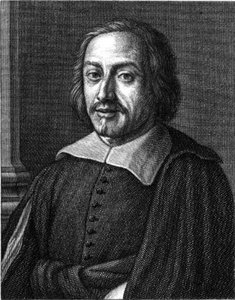
Matteo Rosselli
1578 - 1650 , Italy
Основные сведения
- Artistic Movement Or Style: Counter-Manierism & Baroque
- Artists Or Movements Influenced By This Artist: ['Domenico Passignano']
- Artists Who Influenced This Artist: ['Gregorio Pagani']
- Date Of Birth: August 10, 1578
- Date Of Death: January 18, 1650
- Full Name: Matteo Rosselli
- Nationality: Italian
- Notable Artworks:
- San Lorenzo Che Distribuisce I Beni Della Chiesa Ai Poveri E Risana Un Cieco
- Invenzione Della Santa Croce
- Place Of Birth: Florence, Italy
Похожие статьи

The Visceral Stage: Exploring Dramatic Narratives & Emotional Intensity in Baroque Art
Explore the dramatic world of Baroque art! Discover iconic masters like Caravaggio & Rembrandt, their techniques, and the movement's lasting impact. Expert insights for collectors & enthusiasts at ArtsDot.

10 Шедевров Барокко: Искусство, изменившее мир | ArtsDot.com
Погрузитесь в мир барокко! 10 шедевров Караваджо, Рембрандта и других великих художников. Узнайте историю создания культовых картин и найдите идеальную репродукцию для вашего интерьера на ArtsDot.com

Theatricality & Triumph: Baroque Drama in Painting & Sculpture
Explore the dramatic world of Baroque art! Discover its history, defining characteristics, & lasting influence on painting & sculpture. Expert insights into Caravaggio, Zurbarán, and Bernini – plus high-quality reproductions at ArtsDot.

The Dramatic Flourish: Exploring the Baroque Movement's Enduring Legacy in Art History
Explore the dramatic world of Baroque art! Discover iconic artists like Caravaggio & Rubens, defining techniques, and its lasting impact on art history. Expert insights for collectors & enthusiasts at ArtsDot.

Барочная драма: Искусство величия в современном интерьере
Погрузитесь в мир роскоши и величия барокко! Узнайте об истории стиля, ключевых элементах интерьера и архитектуре. Вдохновляйтесь с и создайте свой неповторимый дизайн.