

 Предпросмотр
 Поделиться
 Поделиться
 Детали произведения

 Скачать
 Похожие работы
 Рентгенография
 Слайд-шоу
 Статистика
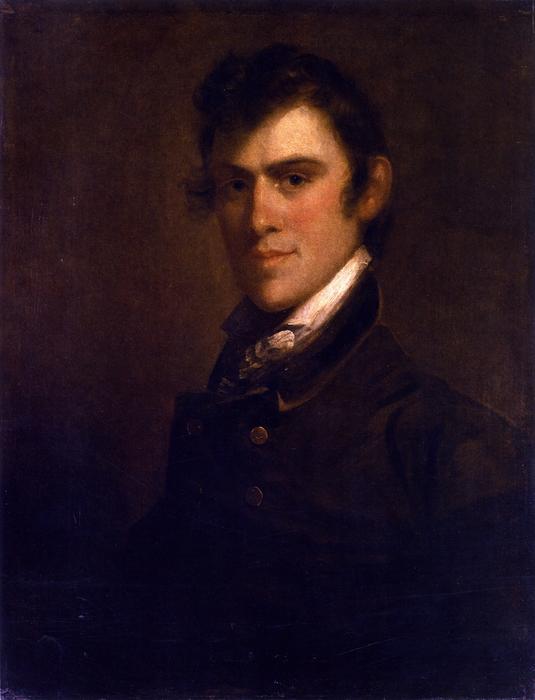
Matthew Harris Jouett


 Читать далее
Приобретите цифровое изображение высокого разрешения в улучшенном качестве, которое значительно превосходит онлайн-превью.
Каждый файл тщательно подготавливается нашими специалистами с использованием передовых инструментов и экспертной ручной ретуши. Мы гарантируем исключительную четкость, точную цветопередачу и детальную проработку каждого изображения.
Финальный файл доставляется по электронной почте в течение 72 часов и оптимизирован для немедленного использования в профессиональной среде, при верстке и печати. Это тот же уровень качества, которому доверяют ведущие дизайнерские студии, издательства и галереи.
Цифровое изображение
Скачайте файл высокого разрешения для личного использования, печати и творческих проектов. ( Перейти к печати Купить картину ручной работы)
Включено в каждый заказ цифровых изображений
Гарантия экспертной цифровой доставки
Выбирая ArtsDot.com, вы получаете не просто изображение — вы приобретаете профессионально обработанное цифровое произведение искусства, созданное с безупречной точностью и под защитой гарантии качества. Вот всё, что автоматически входит в ваш заказ:

Мгновенная доставка по e-mail
Ваш цифровой файл в высоком разрешении будет отправлен вам по электронной почте в течение 72 часов после оформления заказа — и сразу станет доступен для использования.

Цифровой файл с ИИ-улучшением
Ваше произведение искусства проходит профессиональную оптимизацию с использованием передовых инструментов ИИ и ручной обработки, что гарантирует максимальную детализацию, четкость и точность цветопередачи.

Бессрочная бесплатная повторная доставка
Случайно удалили или потеряли файл? Не беспокойтесь — мы отправим его вам повторно в любое время и совершенно бесплатно.

Без импортных пошлин — навсегда
Наслаждайтесь вашим произведением искусства мгновенно без таможенных пошлин, сборов или затрат на доставку — цифровые загрузки всегда не облагаются налогом.

Гарантия точности цветопередачи
Мы гарантируем, что ваше цифровое изображение максимально точно передает оригинальные цвета благодаря использованию профессиональных инструментов и систем управления цветом.

Гарантия удовлетворенности 100 дней
Если вы не будете удовлетворены своим цифровым изображением, мы внесем правки или вернем 100% стоимости в течение 100 дней — без лишних вопросов.

100% Гарантия возврата средств
Не удовлетворены покупкой? Получите полный возврат средств в течение 100 дней после получения цифрового файла — без лишних вопросов.

Скидки на оптовые заказы
Купите 3 изображения, сэкономьте 10% — Купите 5, сэкономьте 15% — Купите 10+, сэкономьте 20%. Отличное решение для творческих проектов, галерей и агентств.
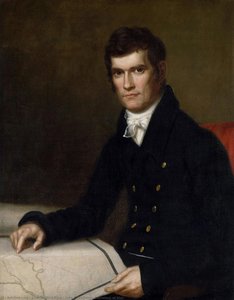
Matthew Harris Jouett: A Pioneer of American Landscape Painting
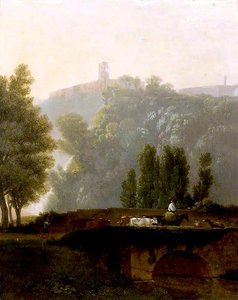
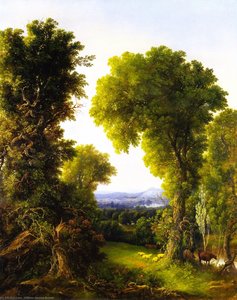
Matthew Harris Jouett (1788–1827) stands as an enigmatic figure in the annals of early American art, largely overshadowed by luminaries like Gilbert Stuart and Thomas Cole. Yet, his contribution to establishing landscape painting as a respected artistic pursuit is undeniable—a testament to his unwavering dedication to capturing the sublime beauty of the Appalachian wilderness. Born on April 22nd, 1788, in Mercer County, Kentucky, Jouett’s life was tragically cut short at age 39, leaving behind a legacy of unfinished canvases and profound influence on subsequent generations of artists. His work embodies a distinctive blend of Romantic idealism and meticulous observation—a stylistic hallmark that distinguishes him from many of his contemporaries.- Subject Matter: Jouett’s artistic focus centered almost exclusively on landscapes, specifically the rugged mountains and valleys of Kentucky and Tennessee. Unlike Cole's grand vistas celebrating the majesty of the American West, Jouett eschewed monumental scale for intimate depictions—often rendered in watercolor—that prioritized capturing subtle tonal variations and atmospheric effects.
- Style: Jouett’s style can be characterized as Romantic Impressionism. He adopted techniques pioneered by Claude Lorrain and Nicolas Poussin, emphasizing idealized forms and dramatic lighting to convey emotion and grandeur. However, he skillfully blended these influences with the looser brushwork characteristic of Impressionist painters like Jean-Baptiste Camille Corot, resulting in a unique visual language that resonated deeply with his audience.
- Technique: Jouett’s mastery lay primarily in watercolor painting—a medium favored by artists seeking to achieve luminous color palettes and delicate textures. He employed wet-on-wet techniques extensively, allowing pigments to blend seamlessly into each other as they dried on the paper's surface. This approach demanded considerable patience and precision, reflecting Jouett’s meticulous attention to detail and his unwavering commitment to faithfully representing the natural world.
Historical Context: The Appalachian Frontier and Romantic Idealism Jouett’s artistic endeavors unfolded against the backdrop of America's westward expansion—a period marked by rapid settlement, economic growth, and burgeoning national identity. The Romantic movement, originating in Europe during the late 18th and early 19th centuries, championed emotion, imagination, and individualism as antidotes to Enlightenment rationalism. Jouett’s landscapes mirrored this ethos, conveying a sense of awe and reverence for the untamed wilderness—a realm perceived as embodying spiritual truth and moral virtue. His paintings served as visual expressions of the Romantic yearning for communion with nature—a sentiment shared by many artists and intellectuals of his time.
Symbolism: Capturing the Spirit of Place Jouett’s landscapes transcended mere topographical representation; they functioned as symbolic meditations on themes of solitude, contemplation, and transcendence. The misty mountains depicted in his canvases evoked a feeling of sublime grandeur—a confrontation with forces beyond human comprehension that simultaneously inspired terror and wonder. Jouett's use of color—particularly muted greens, blues, and browns—reinforced this sense of atmospheric depth and conveyed the profound stillness inherent in the Appalachian wilderness. These paintings weren’t simply depictions of scenery; they were invitations to experience a deeper connection with the natural world—a reflection of Jouett’s own philosophical convictions.
Emotional Impact: A Legacy of Untouched Beauty Despite his tragically premature demise, Matthew Harris Jouett's artistic vision continues to captivate viewers today. His landscapes possess an enduring quality—a palpable sense of serenity and contemplation that speaks to the human desire for escape from urban pressures and reconnection with primal forces. Jouett’s paintings remind us of the importance of preserving wilderness areas—serving as a poignant reminder of the sublime beauty that exists outside the confines of civilization. They stand as testament to his singular ability to translate emotion into visual form—leaving behind an indelible mark on American art history.
Похожие произведения
Биография художника
Thomas Gainsborough: A Painter of Light and Landscape
Thomas Gainsborough, a name synonymous with the quintessential English countryside, was more than just a painter; he was a chronicler of his time, a master of light and atmosphere, and a pivotal figure in establishing landscape painting as a respected art form. Born on May 14th, 1727, in Sudbury, Suffolk, into a family of cloth merchants, Gainsborough’s early life offered little indication of the artistic path he would ultimately forge. His apprenticeship with a London silversmith instilled a foundational understanding of craftsmanship and detail, while his brief association with Hubert Gravelot, a French book illustrator, introduced him to the world of engraving and provided an initial exposure to the techniques that would later inform his painting style. It was this early combination – precision and observation – that proved crucial to his enduring legacy.Early Years and Artistic Development
Gainsborough’s artistic journey began modestly, initially focusing on portraiture in Ipswich around 1752. However, he harbored a deep passion for landscape painting, a desire frequently expressed through poignant letters to his friend William Jackson, lamenting the demands of commissioned portraits and yearning for the tranquility of rural scenes. This inherent conflict – between commercial obligations and artistic inclination – shaped much of his career. His early landscapes, often characterized by loose brushwork and a vibrant palette, were largely experimental, seeking to capture not just the visual appearance of the countryside but also its mood and character. Influenced by artists like William Hogarth and Claude Lorrain, Gainsborough initially adhered to established conventions, yet he quickly developed his own distinctive style – one defined by an intuitive understanding of light, color, and composition. The influence of Dutch Masters, particularly Rembrandt’s masterful use of chiaroscuro (the contrast between light and dark), is subtly evident in the dramatic lighting effects that frequently grace his canvases.The Rise to Prominence: Portraits and Landscapes
By the late 1760s, Gainsborough had firmly established himself as a leading portrait painter in London, attracting a clientele of nobility and gentry eager to commission depictions of themselves and their families. His portraits were notable for their psychological depth and ability to capture not just physical likeness but also personality and mood. Simultaneously, he continued to develop his landscape paintings, gradually shifting towards a looser, more expressive style. He began incorporating elements of the Picturesque – an aesthetic valuing irregularity, spontaneity, and the sublime beauty of nature – into his work, rejecting the idealized landscapes favored by some of his contemporaries. This shift was partly influenced by the writings of William Gilpin and Thomas Pennant, who championed the appreciation of natural scenery. His depictions of figures within these landscapes—often rural laborers or shepherds—added a layer of social commentary to his art, subtly reflecting on the changing relationship between humanity and nature.Royal Patronage and Artistic Independence
Gainsborough’s success as a portraitist brought him into contact with influential figures, including the Duke and Duchess of Cumberland and, later, King George III and Queen Charlotte. These commissions provided financial security but also created tensions, particularly regarding the hanging of his paintings at the Royal Academy, which he felt undervalued his work. Frustrated by the Academy’s rigid adherence to classical principles, Gainsborough ultimately withdrew from their exhibitions in 1773, choosing instead to organize his own annual summer exhibitions in his studio at Schomberg House. This bold move demonstrated his artistic independence and solidified his position as a leading figure in the burgeoning art world of London. His decision to showcase his work independently allowed him greater control over how his paintings were presented and appreciated.Legacy and Lasting Influence
Thomas Gainsborough died on August 2nd, 1788, leaving behind a remarkable body of work that continues to captivate audiences today. His landscapes are celebrated for their atmospheric quality, capturing the essence of the English countryside with breathtaking beauty. His portraits, equally renowned, offer profound insights into the personalities and social contexts of his subjects. Gainsborough’s influence on subsequent generations of artists is undeniable; he helped to elevate landscape painting to a position of equal importance alongside portraiture, paving the way for Romantic painters like John Constable and J.M.W. Turner. His legacy extends beyond the art world, as his paintings have become iconic representations of English identity and rural life. The Tate’s collection, including the poignant self-portrait, stands as a testament to his enduring artistic vision.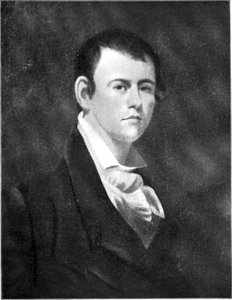
matthew harris jouett
1788 - 1827 , United States of America
Основные сведения
- Artistic Movement Or Style: Picturesque, Landscape
- Artists Or Movements Influenced By This Artist:
- Reynolds
- Rococo
- Artists Who Influenced This Artist: ['Hubert Gravelot']
- Date Of Birth: May 14, 1727
- Date Of Death: August 2, 1788
- Full Name: Thomas Gainsborough
- Nationality: British
- Notable Artworks:
- Musidora
- The Baillie Family
- Lady Rufford
- Place Of Birth: Sudbury, Suffolk, England