

 Предпросмотр
 Поделиться
 Поделиться
 Детали произведения

 Скачать
 Похожие работы
 Рентгенография
 Слайд-шоу
 Статистика
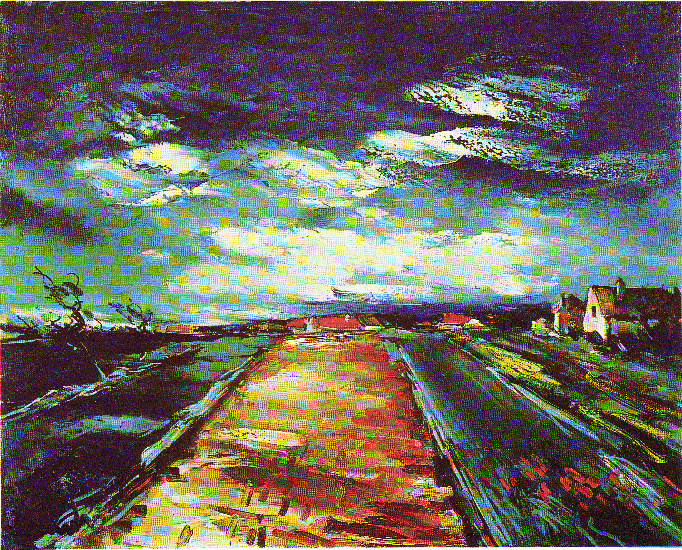
The Road


 Читать далее
Масляная репродукция ручной работы
Картина маслом на холсте в выбранном вами размере и раме, написанная на заказ нашими художниками. ( Перейти к печати Перейти к цифровым изображениям)




































Выберите один из наших стандартных размеров, соответствующих оригинальным пропорциям произведения искусства.

Вы можете указать собственные размеры, чтобы картина идеально вписалась в выбранную раму или пространство. Если выбранный вами размер не соответствует пропорциям оригинала, мы либо обрежем полотно, либо расширим его за счет дополнительных элементов, написанных вручную. Цифровой макет будет отправлен вам на утверждение перед началом производства.
Обратите внимание, что предварительный просмотр на экране не отражает фактическую обрезку или расширение. Только макет точно покажет окончательную композицию.
Хотя доступны индивидуальные размеры, мы рекомендуем выбирать вариант из предопределенного списка, чтобы сохранить исходные пропорции.
После оформления заказа команда ArtsDot.com свяжется с клиентом по электронной почте для уточнения деталей и предоставит предварительный макет
Доставка по всему миру () за 3–4 недели вместо стандартных 5 недель. (11 Сентябрь). Без компромиссов в качестве.

Бесплатная экспресс-доставка по всему миру

Высококачественный льняной холст

Полное страхование доставки

Гарантия возмещения таможенных пошлин

Гарантия точного соответствия цветов

100-дневная политика возврата (только при обнаружении дефектов)

Гарантия возврата 100% средств

Предложение оптовых скидок
 Вариант со стеклом доступен только для размеров менее 110 см

The Road
Техника репродукции
Размер репродукции
-


Итоговая стоимость
$ 263
A Journey Through Color: Maurice de Vlaminck's "The Road" (1926)
Maurice de Vlaminck’s “The Road,” painted in 1926, is a captivating example of Fauvism that transports the viewer to a moment suspended between reality and emotion. This work isn't merely a depiction of a road; it's an exploration of color, line, and the raw power of subjective experience. The painting portrays a winding road leading towards a village nestled amongst rolling hills, under a sky heavy with dramatic clouds. While seemingly simple in subject matter, Vlaminck’s treatment elevates it to a powerful statement about perception and feeling.Fauvism: A Revolution in Color
“The Road” firmly belongs within the Fauvist movement (roughly 1905-1908), a short but intensely influential period in modern art history. The term "Fauves" – meaning “wild beasts” – was initially used derisively to describe these artists, who shocked audiences with their bold and seemingly arbitrary use of color. Unlike Impressionists who sought to capture the fleeting effects of light, Fauvist painters like Vlaminck, Henri Matisse, and André Derain employed color expressively, using it to convey emotion rather than representational accuracy. In "The Road," this is evident in the striking contrast between the deep blues of the sky, the vibrant yellows and reds of the houses, and the earthy tones of the road itself. These colors aren't blended or softened; they are applied with a vigorous, almost impulsive energy, creating a visual intensity that defines the Fauvist aesthetic.Technique and Brushwork
Vlaminck’s technique is characterized by loose, energetic brushstrokes. He often painted outdoors *en plein air*, directly confronting nature and translating his immediate impressions onto canvas. The visible texture of the paint—thick impasto in places—adds to the painting's dynamism and immediacy. Notice how the lines defining the houses are not precise but rather suggested with broad strokes, contributing to a sense of movement and vibrancy. This expressive brushwork isn’t about meticulous detail; it’s about capturing the *feeling* of being present in that landscape – the wind, the light, the overall atmosphere.Emotional Resonance and Symbolism
Despite its seemingly straightforward subject, "The Road" evokes a sense of introspection and perhaps even melancholy. The overcast sky and the absence of figures contribute to a somber mood. The road itself can be interpreted symbolically as a metaphor for life’s journey – winding, uncertain, and leading towards an unknown destination. While there's no explicit narrative, the painting invites contemplation on themes of solitude, transition, and the passage of time. The vibrant colors, paradoxically, don't offer solace but rather amplify the underlying emotional complexity. Vlaminck’s work often draws inspiration from Van Gogh, sharing a similar intensity of feeling and a willingness to distort reality in pursuit of emotional truth.Bringing "The Road" into Your Space
A hand-painted reproduction of “The Road” offers a unique opportunity to bring the vibrancy and emotion of Fauvism into your home or office. Its bold colors and dynamic composition make it an ideal statement piece for modern interiors, while its introspective mood adds depth and character to any setting. Whether you are an avid art collector or simply seeking inspiration, this reproduction captures the essence of Vlaminck’s vision – a powerful testament to the expressive potential of color and form.Похожие произведения
Биография художника
Early Life and Career
Maurice de Vlaminck was born April 4, 1876, in Paris, France, to a Flemish father who instilled in him a love for music – violin playing specifically – and a mother from Lorraine who nurtured his passion for piano. This musical upbringing profoundly shaped his artistic sensibility, fostering an instinctive connection between sound and visual expression. He embarked on his artistic journey relatively late in life, around the age of twenty, initially pursuing self-education before honing his skills with unwavering dedication.The Fauvist Movement and Artistic Style
Maurice de Vlaminck stands as a cornerstone of the Fauvist movement (1904–1908), an audacious artistic rebellion against established conventions. Alongside luminaries like André Derain and Henri Matisse, he formed a revolutionary collective that dared to challenge the prevailing aesthetic norms of its time. The Fauves’ distinctive approach centered on a bold embrace of color—non-naturalistic hues deliberately chosen to convey emotion rather than mirroring reality accurately—and simplified forms designed to maximize expressive impact. Vlaminck's artistic style is characterized by:- Bold Color Choices: He utilized vibrant, unrestrained colors – crimson reds, sapphire blues, lemon yellows – prioritizing emotional resonance over photographic precision.
- Energetic Brushwork: Thick, impasto brushstrokes dominated his canvases, injecting dynamism and spontaneity into every composition. These visible marks of the artist’s hand conveyed a palpable sense of movement and immediacy.
- Simplified Forms: Vlaminck frequently reduced landscapes and objects to their essential geometric shapes, distilling them down to their core essence while retaining expressive power.
Influences and Artistic Development
Vlaminck’s artistic vision was undeniably shaped by Impressionist predecessors, particularly in their preoccupation with capturing fleeting moments of light and atmosphere. However, his most enduring inspiration stemmed from Vincent van Gogh—a revelation triggered by a visit to a Van Gogh exhibition. Moved by the artist's emotive brushwork and profound psychological depth, Vlaminck declared his admiration for Van Gogh’s uncompromising honesty and artistic fervor. This influence is palpable in Vlaminck’s own canvases, where he strives to convey similar feelings of passion and vulnerability. Cézanne also exerted a considerable impact on Vlaminck's stylistic evolution; observing Cézanne’s meticulous attention to form and structure encouraged him to refine his technique and explore more contemplative compositions after 1908.Major Achievements and Historical Significance
Vlaminck’s participation in the Salon des Refusés (1905) – a defiant rejection of official artistic tastes – solidified Fauvism's position as a vanguard movement within the burgeoning modernist landscape. His canvases, imbued with raw emotion and innovative color palettes, challenged conventional notions of beauty and representation. Vlaminck’s legacy extends beyond his individual artworks; he bridged the gap between Impressionism and Expressionism, fostering a dialogue that propelled artistic experimentation forward. Today, his paintings—such as “Bougival,” depicting a tranquil riverside scene rendered in muted tones—are revered for their unique blend of spontaneity, psychological insight, and masterful execution. They continue to inspire artists and captivate audiences worldwide.Available Works
Maurice de Vlaminck’s oeuvre comprises approximately 1,300 paintings and drawings, reflecting his prolific artistic output throughout his lifetime. His works are housed in prominent museums across Europe and North America, including the Musée d'Orsay in Paris and the Metropolitan Museum of Art in New York City. ArtsDot offers a curated selection of Vlaminck’s masterpieces for viewing and acquisition—a chance to immerse oneself in the vibrant spirit of Fauvist art and experience firsthand the transformative power of his artistic vision.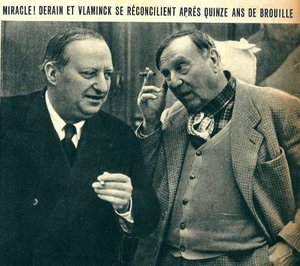
Морис де Вламик
1876 - 1958 , Франция
Основные сведения
- Artistic Movement Or Style: Фавизм
- Artists Who Influenced This Artist: ['Винсент Ван Гог']
- Date Of Birth: 4 апреля 1876 г.
- Date Of Death: 11 октября 1958 г.
- Full Name: Maurice de Vlaminck
- Nationality: Французский
- Notable Artworks:
- Сюр ле цинк
- Л’homme à la pipe
- Place Of Birth: Париж, Франция
Похожие статьи

Романтический пейзаж: 10 шедевров, изменивших искусство | ArtsDot.com
Погрузитесь в мир романтического пейзажа! 10 шедевров Фридриха, Тёрнера и других гениев. Узнайте историю создания культовых картин и вдохновитесь для декора интерьера. Репродукции высокого качества на ArtsDot.com.
Maurice Quentin de La Tour: Light, Shadow & the Rococo Portrait
Explore the captivating world of Maurice Quentin de La Tour, a master of Rococo portraiture. Discover his innovative pastel techniques, intimate depictions of French aristocracy, and lasting artistic legacy. Learn more at ArtsDot.
10 Шедевров Фовизма: Яркие краски и экспрессия в интерьере с ArtsDot
Погрузитесь в мир фовизма! 10 шедевров Матисса, Дерена и других мастеров экспрессионизма. Узнайте историю ярких красок и смелых форм. Репродукции картин высокого качества на ArtsDot.com – для вашего интерьера.
10 Шедевров Фовизма: Яркие краски и революция в искусстве | ArtsDot
Погрузитесь в мир фовизма! 10 шедевров Матисса, Дерена и других гениев. Узнайте историю ярких красок, революционных техник и вдохновения для вашего интерьера. Репродукции картин на ArtsDot.com

Топ-25 шедевров Гойи: от придворного портрета до мрачных пророчеств | ArtsDot
Погрузитесь в мир гения Франсиско Гойи! 🎨 От придворных портретов до мрачных "Капричос" – исследуйте топ-25 шедевров испанского романтизма. Купите репродукции картин Гойи музейного качества на ArtsDot.com и украсьте свой интерьер искусством.