Меню
ПредпросмотрПредпросмотр Предпросмотр в ARПредпросмотр в AR Перейти к печати Перейти к печатиКупить картину ручной работы Купить картину ручной работы ПоделитьсяПоделиться
Детали произведенияДетали произведения Добавить в избранное Добавить в избранное СкачатьСкачать Похожие работыПохожие работы РентгенографияРентгенография Слайд-шоуСлайд-шоу СтатистикаСтатистика

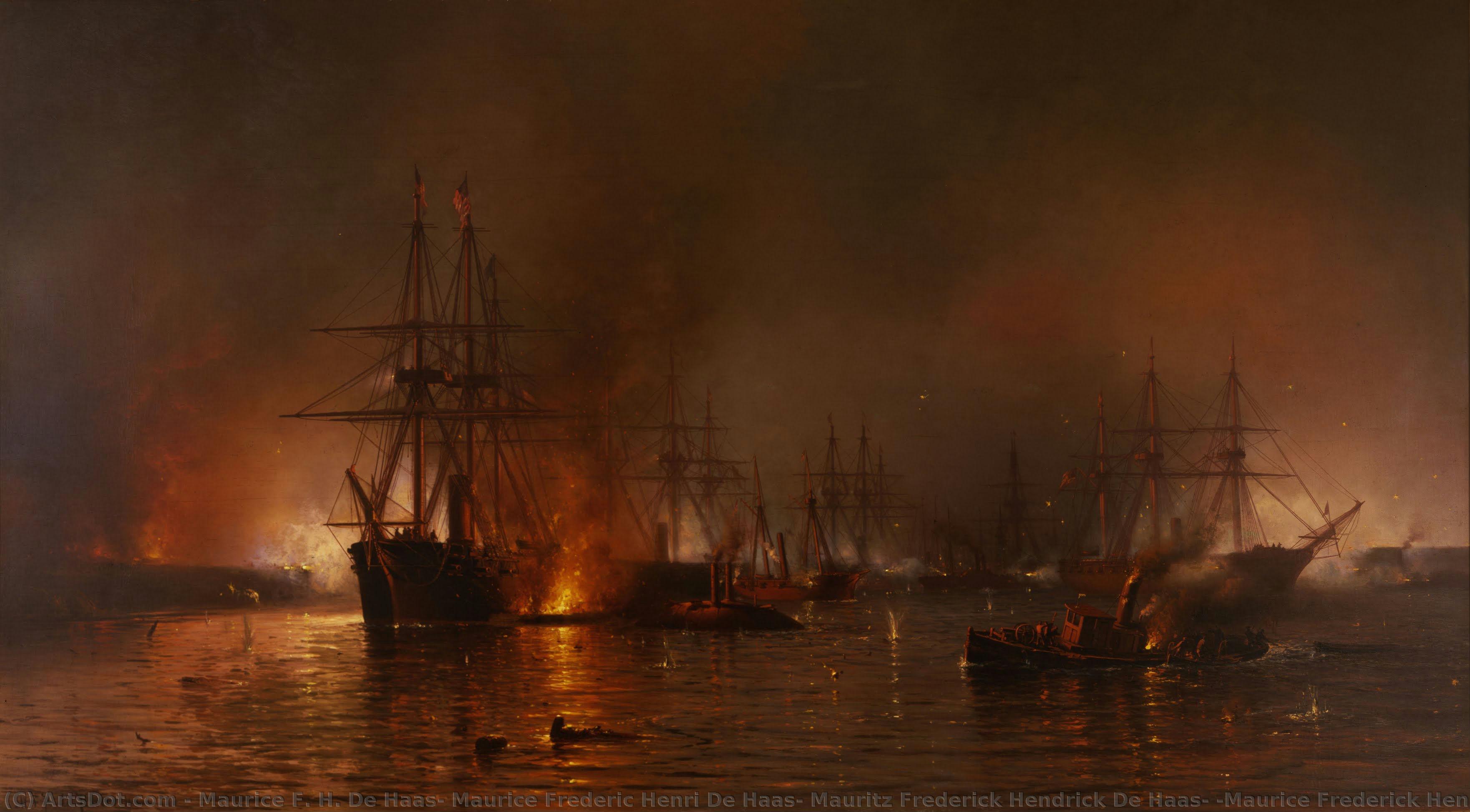
Farragut

Dutch Impressionist Maurice F.H. de Haas captured the serene beauty of Dutch landscapes and intimate interiors with a delicate touch; discover his evocative paintings and experience the tranquility of 19th-century Holland.

Приобретите цифровое изображение высокого разрешения в улучшенном качестве, которое значительно превосходит онлайн-превью.

Каждый файл тщательно подготавливается нашими специалистами с использованием передовых инструментов и экспертной ручной ретуши. Мы гарантируем исключительную четкость, точную цветопередачу и детальную проработку каждого изображения.

Финальный файл доставляется по электронной почте в течение 72 часов и оптимизирован для немедленного использования в профессиональной среде, при верстке и печати. Это тот же уровень качества, которому доверяют ведущие дизайнерские студии, издательства и галереи.

Цифровое изображение

Скачайте файл высокого разрешения для личного использования, печати и творческих проектов. (Перейти к печати Перейти к печатиКупить картину ручной работы Купить картину ручной работы)

Итоговая стоимость

$ 24,00

Включено в каждый заказ цифровых изображений

Гарантия экспертной цифровой доставки

Выбирая ArtsDot.com, вы получаете не просто изображение — вы приобретаете профессионально обработанное цифровое произведение искусства, созданное с безупречной точностью и под защитой гарантии качества. Вот всё, что автоматически входит в ваш заказ:

shipping_icon
Мгновенная доставка по e-mail

Ваш цифровой файл в высоком разрешении будет отправлен вам по электронной почте в течение 72 часов после оформления заказа — и сразу станет доступен для использования.

canvas_icon
Цифровой файл с ИИ-улучшением

Ваше произведение искусства проходит профессиональную оптимизацию с использованием передовых инструментов ИИ и ручной обработки, что гарантирует максимальную детализацию, четкость и точность цветопередачи.

insurance_icon
Бессрочная бесплатная повторная доставка

Случайно удалили или потеряли файл? Не беспокойтесь — мы отправим его вам повторно в любое время и совершенно бесплатно.

tax_icon
Без импортных пошлин — навсегда

Наслаждайтесь вашим произведением искусства мгновенно без таможенных пошлин, сборов или затрат на доставку — цифровые загрузки всегда не облагаются налогом.

color_icon
Гарантия точности цветопередачи

Мы гарантируем, что ваше цифровое изображение максимально точно передает оригинальные цвета благодаря использованию профессиональных инструментов и систем управления цветом.

return_icon
Гарантия удовлетворенности 100 дней

Если вы не будете удовлетворены своим цифровым изображением, мы внесем правки или вернем 100% стоимости в течение 100 дней — без лишних вопросов.

guarantee_icon
100% Гарантия возврата средств

Не удовлетворены покупкой? Получите полный возврат средств в течение 100 дней после получения цифрового файла — без лишних вопросов.

discount_icon
Скидки на оптовые заказы

Купите 3 изображения, сэкономьте 10% — Купите 5, сэкономьте 15% — Купите 10+, сэкономьте 20%. Отличное решение для творческих проектов, галерей и агентств.


Биография художника

The Enigmatic Landscapes of Maurice F. H. De Haas

Maurice F. H. De Haas remains a somewhat elusive figure in the pantheon of 19th and early 20th-century landscape painters, despite a body of work characterized by its atmospheric depth, subtle color palettes, and profound sense of tranquility. Born in , his life details are sparsely documented, contributing to the mystique surrounding his art. What *is* known suggests a dedication to capturing the fleeting moods of nature, particularly the evocative light and expansive skies that define much of his oeuvre. He wasn’t a painter who sought grand narratives or dramatic events; instead, De Haas found beauty in the quiet contemplation of the natural world, meticulously rendering scenes often imbued with a melancholic stillness. His artistic journey unfolded during a period of significant change – the transition from Romanticism to Impressionism and beyond – yet he carved out a unique space for himself, resisting easy categorization.

Early Influences and Artistic Development

De Haas’s early training remains largely unknown, but scholars posit influences stemming from the Dutch Romantic landscape tradition, particularly artists like Jacob van Ruisdael and Aert van der Neer. These masters instilled a deep appreciation for atmospheric perspective, detailed observation of cloud formations, and the use of light to create mood. However, De Haas’s work also reveals an affinity for the Barbizon school painters – Théodore Rousseau and Jean-François Millet – who championed *plein air* painting and a realistic depiction of rural life. It's likely he travelled extensively throughout Europe, absorbing these diverse influences firsthand. His early paintings demonstrate a meticulous technique, focusing on precise rendering of trees, fields, and waterways. Over time, his brushwork loosened, and his palette became more subdued, moving away from the detailed realism of his predecessors towards a more impressionistic approach focused on capturing the *impression* of light and atmosphere rather than strict topographical accuracy. This evolution wasn’t abrupt; it was a gradual refinement of his artistic vision, driven by a desire to convey not just what he saw, but how it felt to be present in those landscapes.

Themes and Techniques: A Symphony of Light and Shadow

The dominant theme throughout De Haas's career is the landscape – specifically, scenes of rural tranquility often featuring expansive skies, bodies of water (rivers, lakes, canals), and gently rolling hills. He rarely included figures in his compositions, emphasizing instead the power and beauty of nature itself. His technique is characterized by a masterful use of glazing, building up layers of thin paint to create luminous effects and subtle color transitions. This layering process resulted in paintings that possess an extraordinary depth and atmospheric quality. De Haas was particularly adept at capturing the nuances of light – the golden glow of sunset, the soft haze of dawn, the dramatic shadows cast by storm clouds. He employed a limited palette, favoring muted tones of blues, greens, browns, and grays, which further enhanced the sense of tranquility and melancholic beauty in his work. His paintings are not about vibrant spectacle; they’re about quiet observation and emotional resonance. The subtle interplay of light and shadow is crucial to understanding his artistic intent – it's through these delicate gradations that he evokes a specific mood or atmosphere, inviting the viewer to share in his contemplative experience.

Recognition and Legacy

While De Haas enjoyed some recognition during his lifetime, exhibiting at various galleries across Europe, he never achieved widespread fame. His work was appreciated by collectors who valued its quiet beauty and technical skill, but it often remained overshadowed by the more flamboyant styles of his contemporaries. Today, however, there is a growing appreciation for his unique contribution to landscape painting. His paintings are increasingly sought after by museums and private collectors alike. De Haas’s legacy lies in his ability to capture the essence of nature with remarkable sensitivity and skill. He wasn't interested in making grand statements or pushing artistic boundaries; instead, he focused on perfecting a particular vision – a vision that celebrates the beauty of the natural world and invites contemplation and emotional connection. His work serves as a reminder that true artistry lies not in innovation alone, but in the ability to convey profound meaning through subtle observation and masterful technique. He continues to inspire artists and art lovers who seek solace and tranquility in the quiet beauty of the landscape.