

 Предпросмотр
 Поделиться
 Поделиться
 Детали произведения

 Скачать
 Похожие работы
 Рентгенография
 Слайд-шоу
 Статистика
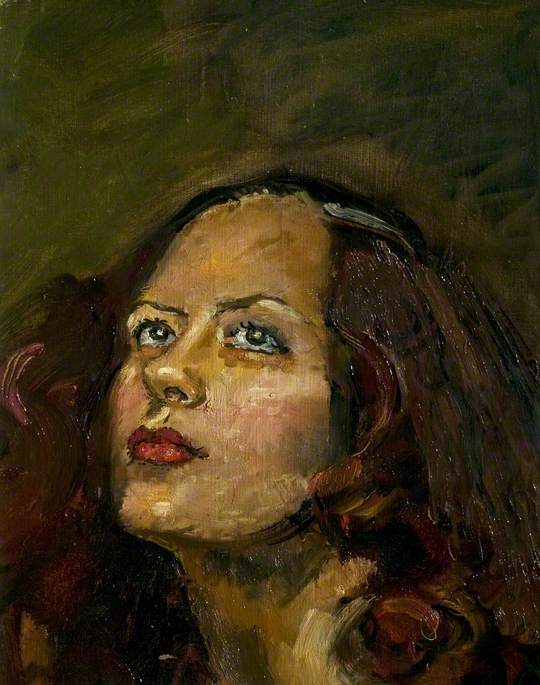
Femme à la tête levée
 1946
1946 41.0 x 33.0 cm
 New Walk Museum - Art Gallery
 Читать далее
Жикле / Арт-принт
Печать (жикле) или холст музейного качества с быстрыми сроками изготовления и широким выбором вариантов отделки. ( Купить картину ручной работы Перейти к цифровым изображениям)




































Выберите один из наших стандартных размеров, соответствующих оригинальным пропорциям произведения искусства.

Вы можете указать свои собственные размеры, чтобы репродукция идеально подошла под конкретную раму или пространство. Если выбранный вами размер не будет соответствовать пропорциям оригинала, мы либо обрежем произведение, либо дополним изображение зеркальным отражением краев или однотонной заливкой. Перед началом производства вам будет отправлен цифровой макет для утверждения.
Пожалуйста, обратите внимание, что предварительный просмотр на экране не отображает фактическую обрезку или расширение изображения. Только макет точно покажет финальную композицию.
Несмотря на возможность заказа индивидуальных размеров, мы рекомендуем выбирать размер из предопределенного списка, чтобы сохранить оригинальные пропорции.
Доставка по всему миру () за 2 недели вместо стандартных 4/5 недель. (12 Сентябрь)

Бесплатная экспресс-доставка по всему миру

Высококачественный льняной холст

Полное страхование доставки

Гарантия возмещения таможенных пошлин

Гарантия точного соответствия цветов

100-дневная политика возврата (только при обнаружении дефектов)

Гарантия возврата 100% средств

Предложение оптовых скидок
 Вариант со стеклом доступен только для размеров менее 110 см

Femme à la tête levée
Жикле / Арт-принт
Размер репродукции
-


Итоговая стоимость
$ 62
Похожие произведения









Биография художника
The Alchemist of Color and Light
Maurice Marinot stands as a singular, luminous figure in the tapestry of early 20th-century art—a creator who possessed the rare ability to bridge the visceral intensity of Fauvist painting with the delicate, transformative magic of glassmaking. Born on March 20, 1882, in the historic French city of Troyes, Marinot’s journey was never one of easy academic triumph, but rather a profound pursuit of an independent aesthetic vision. Though his early years were marked by academic struggles and a rejection from the rigid standards of the École des Beaux-Arts under Fernand Cormon, these very setbacks forged a rebellious spirit. Returning to Troyes, he abandoned the constraints of formal training to embrace a path where color could breathe without the suffocating weight of tradition.
His emergence into the art world was defined by the fervent energy of Les Fauves. Influenced by the radical palettes of Henri Matisse and André Derain, Marinot’s early canvases became battlegrounds of emotion, where deep reds, electric blues, and sun-drenched yellows were applied with a disregard for naturalistic accuracy. In works such as “The Bather,” completed in 1930, one can witness the essence of this movement; the subject is not merely a figure in a landscape, but a vessel for light and warmth, captured through a stylized, emotive lens that prioritizes the artist's internal feeling over mere observation.
A Revolution in Glass
While his paintings captured the soul of Fauvism, it was Marinot’s encounter with glass that would redefine his legacy and secure his place as a master of medium. In 1911, a visit to a glass shop owned by the Viard brothers in Bar-sur-Seine ignited a new passion. He became captivated by the elemental dance between fire, heat, and light. Initially, he worked by designing exquisite bowls and vases upon which he applied vibrant enamels, but his curiosity soon drove him toward the furnace itself. Learning to blow glass, Marinot transitioned from a painter of surfaces to an architect of depth.
By 1923, he had moved beyond simple enameling to explore much more complex and perilous techniques. He began experimenting with bubbles, metal leaf, and colored glass, creating pieces that seemed to trap light within their very structure. His process was famously arduous and fraught with danger; a single masterpiece could take an entire year to complete as he sought to meet his own exacting standards of perfection. This period marked a shift in his artistic identity, where the boundaries between fine art and decorative craft dissolved into a singular, cohesive expression of form and color.
Legacy and the Fragility of Art
The historical significance of Maurice Marinot lies in his ability to innovate across disparate disciplines, bringing the expressive freedom of modern painting to the ancient art of glasswork. He did not merely decorate glass; he breathed life into it, treating each vessel as a sculptural canvas. However, his life and work were also marked by profound loss. The 1944 Allied bombing of Troyes dealt a devastating blow to his legacy, striking his studio directly and destroying over 2,500 paintings and thousands of drawings.
Despite the physical destruction of much of his oeuvre, Marinot’s influence remains indelible. His ability to harmonize the "hot and cold" of artistic expression—the heat of the furnace and the cool precision of design—continues to inspire collectors and historians alike. He remains a testament to the idea that true innovation often arises from the courage to step away from established institutions and find beauty in the most elemental of forces: light, fire, and color.
maurice marinot
1882 - 1960
Основные сведения
- Artistic Movement Or Style: Les Fauves; Glass Art
- Artists Or Movements Influenced By This Artist: ['Glass Art']
- Artists Who Influenced This Artist: ['Fernand Cormon']
- Date Of Birth: 1882
- Date Of Death: 1960
- Full Name: Maurice Marinot
- Nationality: French
- Notable Artworks:
- The Bather
- Jar
- Place Of Birth: Troyes, France