


 Предпросмотр
 Поделиться
 Поделиться
 Детали произведения

 Скачать
 Похожие работы
 Рентгенография
 Слайд-шоу
 Статистика
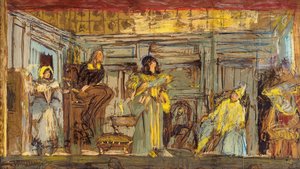
Tisha B
 1927
1927 53.0 x 74.0 cm
 Ben Uri Gallery & Museum
 Читать далее
Приобретите цифровое изображение высокого разрешения в улучшенном качестве, которое значительно превосходит онлайн-превью.
Каждый файл тщательно подготавливается нашими специалистами с использованием передовых инструментов и экспертной ручной ретуши. Мы гарантируем исключительную четкость, точную цветопередачу и детальную проработку каждого изображения.
Финальный файл доставляется по электронной почте в течение 72 часов и оптимизирован для немедленного использования в профессиональной среде, при верстке и печати. Это тот же уровень качества, которому доверяют ведущие дизайнерские студии, издательства и галереи.
Цифровое изображение
Скачайте файл высокого разрешения для личного использования, печати и творческих проектов. ( Перейти к печати Купить картину ручной работы)
Включено в каждый заказ цифровых изображений
Гарантия экспертной цифровой доставки
Выбирая ArtsDot.com, вы получаете не просто изображение — вы приобретаете профессионально обработанное цифровое произведение искусства, созданное с безупречной точностью и под защитой гарантии качества. Вот всё, что автоматически входит в ваш заказ:

Мгновенная доставка по e-mail
Ваш цифровой файл в высоком разрешении будет отправлен вам по электронной почте в течение 72 часов после оформления заказа — и сразу станет доступен для использования.

Цифровой файл с ИИ-улучшением
Ваше произведение искусства проходит профессиональную оптимизацию с использованием передовых инструментов ИИ и ручной обработки, что гарантирует максимальную детализацию, четкость и точность цветопередачи.

Бессрочная бесплатная повторная доставка
Случайно удалили или потеряли файл? Не беспокойтесь — мы отправим его вам повторно в любое время и совершенно бесплатно.

Без импортных пошлин — навсегда
Наслаждайтесь вашим произведением искусства мгновенно без таможенных пошлин, сборов или затрат на доставку — цифровые загрузки всегда не облагаются налогом.

Гарантия точности цветопередачи
Мы гарантируем, что ваше цифровое изображение максимально точно передает оригинальные цвета благодаря использованию профессиональных инструментов и систем управления цветом.

Гарантия удовлетворенности 100 дней
Если вы не будете удовлетворены своим цифровым изображением, мы внесем правки или вернем 100% стоимости в течение 100 дней — без лишних вопросов.

100% Гарантия возврата средств
Не удовлетворены покупкой? Получите полный возврат средств в течение 100 дней после получения цифрового файла — без лишних вопросов.

Скидки на оптовые заказы
Купите 3 изображения, сэкономьте 10% — Купите 5, сэкономьте 15% — Купите 10+, сэкономьте 20%. Отличное решение для творческих проектов, галерей и агентств.
Похожие произведения








Биография художника
Robert Rauschenberg: A Revolutionary of the Mid-Century
Robert Rauschenberg, born Milton Ernest Rauschenberg in Port Arthur, Texas, on October 22, 1925, wasn’t simply a painter; he was a radical reimaginer of art itself. His career, spanning nearly six decades until his death in May 1986, witnessed an evolution from early explorations of Surrealism and Abstract Expressionism to the development of his signature “Combine” paintings – works that shattered traditional boundaries between painting, sculpture, collage, and everyday objects. Rauschenberg’s legacy lies not just in the aesthetic impact of his art but also in his profound questioning of what constitutes a work of art and how it engages with the world around it. He was a restless innovator, constantly pushing the limits of artistic expression and inviting viewers to reconsider their own perceptions.- Early Influences: Rauschenberg’s formative years were deeply rooted in his fundamentalist Christian upbringing in Texas. This background instilled in him a fascination with contrasts – light and dark, sacred and profane – which would later permeate his artistic explorations. His early studies at the University of Texas at Austin exposed him to the burgeoning avant-garde movements of the time, including Surrealism and Abstract Expressionism.
- Parisian Experimentation: Following graduation, Rauschenberg moved to New York City in 1947, immersing himself in the vibrant artistic scene. He spent several years studying with Josef Albers at Black Mountain College, absorbing principles of color theory and design that would inform his later work. This period also saw him experimenting with photography and printmaking, laying the groundwork for his multi-media approach.
- The Birth of the Combine: Rauschenberg’s most significant contribution to art history is undoubtedly the “Combine” paintings of the 1950s. These works, such as *Monogram* (1955) and *Canyon* (1959), represent a radical departure from traditional painting techniques. They incorporate found objects – scraps of fabric, newspaper clippings, bottle caps, feathers – directly into the canvas, blurring the lines between image and object. The process itself was often improvisational, with Rauschenberg layering paint, collage elements, and found objects onto a wooden board, creating dynamic and unpredictable compositions.
A Dialogue with Pop Culture
Rauschenberg’s work in the late 1950s and early 1960s is inextricably linked to the rise of popular culture. He was deeply influenced by the imagery of advertising, comic books, and mass media, which he incorporated into his paintings as a way of commenting on American society. *Monogram*, for example, features a meticulously rendered image of a Greyhound bus superimposed over a collage of photographs and newspaper clippings, creating a complex commentary on travel, commerce, and the homogenization of American culture. His engagement with Pop Art was nuanced; while he shared some affinities with the movement’s focus on everyday imagery, Rauschenberg resisted its purely decorative or commercial intentions, using his work to explore deeper social and philosophical themes.- The Canyon Series: The *Canyon* series (1959-60) is perhaps Rauschenberg's most iconic achievement during this period. These large-scale paintings depict the Grand Canyon, but they are far from straightforward landscapes. They are layered with collage elements – photographs of tourists, maps, and advertisements – creating a fragmented and unsettling vision of the American West.
- Performance Art: Rauschenberg also ventured into performance art, staging elaborate events that blurred the boundaries between artist and audience. These performances often involved collaborations with musicians, dancers, and other artists, creating immersive experiences that challenged traditional notions of artistic expression.
Technique and Process
Rauschenberg’s working methods were as innovative as his subject matter. He rarely sketched or planned his paintings in advance, preferring to work intuitively, allowing the materials and processes to guide him. His use of encaustic – a mixture of beeswax and resin – added texture and luminosity to his surfaces, while his incorporation of found objects introduced an element of surprise and unpredictability. He frequently employed a “drip” technique, applying paint with brushes, sponges, and even his hands, creating dynamic and gestural marks that contrasted sharply with the meticulous detail of his collage elements. This combination of spontaneity and control is what gives Rauschenberg’s work its distinctive energy and complexity.- Materiality: Rauschenberg was deeply interested in the materiality of his materials – the weight, texture, and color of paint, fabric, and found objects. He treated these materials as active participants in the creative process, allowing them to shape the final outcome of his paintings.
- Process-Based Art: His work is fundamentally a demonstration of process-based art, where the act of creation itself becomes as important as the finished product. Rauschenberg’s studio was a constantly evolving laboratory, filled with materials and experiments that informed his artistic practice.
Legacy and Influence
Robert Rauschenberg's impact on 20th-century art is undeniable. He paved the way for subsequent generations of artists who explored collage, assemblage, and mixed media techniques. His willingness to challenge traditional boundaries and embrace experimentation continues to inspire artists today. His work has been exhibited extensively in museums around the world, and his paintings are held in major collections including the Museum of Modern Art, New York; the Tate Gallery, London; and the Centre Pompidou, Paris. Beyond his artistic achievements, Rauschenberg was also a dedicated educator, mentoring countless young artists and fostering a spirit of innovation within the art community. He died on May 12, 2008, leaving behind a body of work that remains as vital and challenging as it was in its inception.
maurice minkowski
1925 - 2020 , Poland
Основные сведения
- Artistic Movement Or Style:
- Assemblage
- Pop Art
- Neo-Dada
- Artists Or Movements Influenced By This Artist:
- Jasper Johns
- Robert Ryman
- Artists Who Influenced This Artist:
- Picasso
- Pollock
- Marcel Duchamp
- Date Of Birth: October 22, 1925
- Date Of Death: May 12, 2008
- Full Name: Robert Rauschenberg
- Nationality: American
- Notable Artworks:
- Canyon
- Monogram
- Rauschenberg Prints
- Place Of Birth: Port Arthur, Texas