


 Предпросмотр
 Поделиться
 Поделиться
 Детали произведения

 Скачать
 Похожие работы
 Рентгенография
 Слайд-шоу
 Статистика
Он бросил взгляд и сошел с ума
 Масло на холсте
- Настенный декор
- Jewish Enlightenment
 1910
1910 109.0 x 133.0 cm
 Музей еврейской культуры
 Читать далее
Приобретите цифровое изображение высокого разрешения в улучшенном качестве, которое значительно превосходит онлайн-превью.
Каждый файл тщательно подготавливается нашими специалистами с использованием передовых инструментов и экспертной ручной ретуши. Мы гарантируем исключительную четкость, точную цветопередачу и детальную проработку каждого изображения.
Финальный файл доставляется по электронной почте в течение 72 часов и оптимизирован для немедленного использования в профессиональной среде, при верстке и печати. Это тот же уровень качества, которому доверяют ведущие дизайнерские студии, издательства и галереи.
Цифровое изображение
Скачайте файл высокого разрешения для личного использования, печати и творческих проектов. ( Перейти к печати Купить картину ручной работы)
Включено в каждый заказ цифровых изображений
Гарантия экспертной цифровой доставки
Выбирая ArtsDot.com, вы получаете не просто изображение — вы приобретаете профессионально обработанное цифровое произведение искусства, созданное с безупречной точностью и под защитой гарантии качества. Вот всё, что автоматически входит в ваш заказ:

Мгновенная доставка по e-mail
Ваш цифровой файл в высоком разрешении будет отправлен вам по электронной почте в течение 72 часов после оформления заказа — и сразу станет доступен для использования.

Цифровой файл с ИИ-улучшением
Ваше произведение искусства проходит профессиональную оптимизацию с использованием передовых инструментов ИИ и ручной обработки, что гарантирует максимальную детализацию, четкость и точность цветопередачи.

Бессрочная бесплатная повторная доставка
Случайно удалили или потеряли файл? Не беспокойтесь — мы отправим его вам повторно в любое время и совершенно бесплатно.

Без импортных пошлин — навсегда
Наслаждайтесь вашим произведением искусства мгновенно без таможенных пошлин, сборов или затрат на доставку — цифровые загрузки всегда не облагаются налогом.

Гарантия точности цветопередачи
Мы гарантируем, что ваше цифровое изображение максимально точно передает оригинальные цвета благодаря использованию профессиональных инструментов и систем управления цветом.

Гарантия удовлетворенности 100 дней
Если вы не будете удовлетворены своим цифровым изображением, мы внесем правки или вернем 100% стоимости в течение 100 дней — без лишних вопросов.

100% Гарантия возврата средств
Не удовлетворены покупкой? Получите полный возврат средств в течение 100 дней после получения цифрового файла — без лишних вопросов.

Скидки на оптовые заказы
Купите 3 изображения, сэкономьте 10% — Купите 5, сэкономьте 15% — Купите 10+, сэкономьте 20%. Отличное решение для творческих проектов, галерей и агентств.
Один из немногих картин в западном искусстве, иллюстрирующих Талмудский рассказ
«Он бросил взгляд и сошел с ума» – это произведение искусства Маурици Минкковского является одним из самых необычных примеров западной живописи. Он редко когда-либо встречался в истории искусства и представляет собой уникальное свидетельство попытки изобразить религиозный текст Талмуда.
Картина была создана в 1910 году и выполнена маслом на холсте. Размер работы составляет 109 см x 133 см. Минкковский был польским художником, который работал преимущественно в жанре символизма и реализма, что отражается в его творчестве.
Сюжет картины рассказывает о встрече четырех мудрецов из второго века н.э.—Бен Азаи, Элиша бен Авьюах, Бен Зома и Акйва—в «Саду». Этот сад символизирует искушение или мистическую истину. Четырех мудрецов изображено в комнате, где они обсуждают сложные вопросы веры и разума.
Художник использовал технику живописи маслом на холсте с высоким уровнем детализации и цветовой насыщенности. Минкковский тщательно работал над передачей атмосферы комнаты и выражением эмоций персонажей. Его подход к работе был вдохновлен идеями немецкого философа Фридриха Ницше и его критикой христианской морали.
Цвет использовался для передачи эмоционального состояния сцены и подчеркивания символического значения элементов композиции. Преобладающие оттенки желтого и коричневого создают ощущение тепла и интимности, что соответствует характеру религиозного диалога и размышлений о духовных ценностях.
Картина является одним из самых ярких произведений искусства начала XX века и представляет собой значительный вклад в историю западной живописи. Она продолжает вдохновлять художников и искусствоведов по всему миру своей оригинальной концепцией и мастерством исполнения.
Похожие произведения
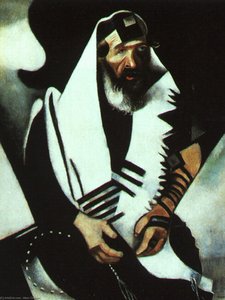


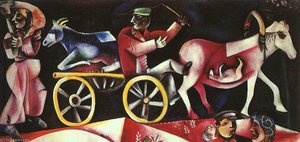
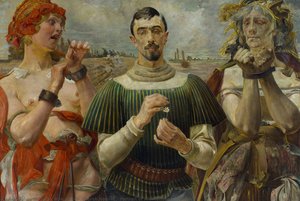
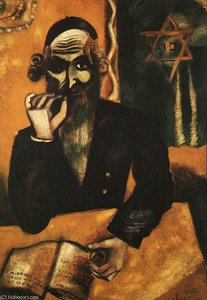
Биография художника
A Life Silenced, A Vision Heard: The Poignant World of Maurycy Minkowski
Maurycy Minkowski (1881-1930) remains a compelling yet often overlooked figure in the landscape of early 20th-century art. Born into a prosperous Jewish family in Warsaw, Poland, his life was marked by an early tragedy – an illness at the age of five that robbed him of both hearing and speech. This profound silence, however, did not extinguish his creative spirit; rather, it seems to have intensified it, forging a unique artistic voice deeply attuned to the struggles and resilience of Jewish life in Eastern Europe. His story is one of overcoming adversity, capturing a vanishing world on canvas with an empathy born from personal experience, and ultimately, leaving behind a legacy that speaks volumes despite his own inability to audibly express himself. He was initially known as Maurice Minkowski or Minkovski.Early Training and Artistic Development
Despite the challenges posed by his deafness, Minkowski’s parents recognized and nurtured his burgeoning talent for drawing. He received private lessons before formally entering the Kraków Academy of Fine Arts in 1901, studying under esteemed artists like Józef Mehoffer, Jan Stanisławski, and Leon Wyczółkowski. This rigorous academic training provided him with a solid foundation in technique, but it was his personal experiences and observations that would ultimately shape his distinctive style. Early works demonstrate a proficiency in portraiture and landscape painting, yet even these pieces hint at the emotional depth and social consciousness that would come to define his mature oeuvre. He graduated from the Academy in 1905 with a gold medal, signaling early recognition of his potential.Capturing a World on the Brink: Shtetl Life and Social Commentary
The pivotal period in Minkowski’s artistic development coincided with the tumultuous events of the Polish Revolution in 1905 and the subsequent wave of pogroms that swept through Eastern Europe. These horrific acts of violence profoundly impacted him, shifting his focus from more conventional subjects to the plight of Jewish communities facing persecution and displacement. He began documenting the suffering he witnessed – families fleeing their homes, the desperation of refugees, the vulnerability of children – with a raw honesty and emotional intensity rarely seen in contemporary art. His paintings are not merely depictions of events; they are visceral expressions of empathy, capturing the psychological toll of trauma and the fragility of human existence. He became known for his genre scenes of *shtetl* life, offering intimate glimpses into the daily struggles and joys of a world on the brink of irreversible change. Works like “After the Pogrom” (1905) stand as powerful testaments to this period, portraying the aftermath of violence with haunting realism. “He Cast a Look and Went Mad” (1910), while less overtly dramatic, explores the tensions between Jewish tradition and modernity, reflecting the intellectual ferment of the time.A Legacy Rediscovered: Travels, Recognition, and Lasting Impact
Following the unrest in Poland, Minkowski embarked on a period of travel throughout Western Europe, seeking to broaden his artistic horizons and exhibit his work. He eventually settled in Paris around 1908, though he continued to return to Eastern Europe for exhibitions. While he achieved some recognition during his lifetime – an obituary in the *Jewish Chronicle* described him as “well-known” – his art remained largely underappreciated by mainstream audiences. His paintings were dispersed after his untimely death in a traffic accident in Buenos Aires in 1930, while on tour with an exhibition of over 200 works. For decades, his work faded into relative obscurity. However, recent years have witnessed a growing appreciation for Minkowski’s unique contribution to art history. The rediscovery of his paintings, particularly through the efforts of institutions like the Fundación IWO in Buenos Aires and the POLIN Museum of the History of Polish Jews in Warsaw, has brought his poignant vision to a wider audience. His work now stands as a vital record of a lost world, offering invaluable insights into the cultural, social, and political complexities of early 20th-century Jewish life.The Enduring Power of Silent Testimony
Maurycy Minkowski’s art is more than just historical documentation; it is a testament to the power of human empathy and the enduring strength of the human spirit. His paintings resonate with a profound sense of loss, but also with a quiet dignity and resilience that transcends cultural boundaries. Despite his own inability to speak, he gave voice to those who were often silenced – the victims of persecution, the marginalized communities struggling for survival, the ordinary people whose lives were irrevocably altered by historical forces beyond their control. His legacy serves as a powerful reminder of the importance of bearing witness, preserving memory, and honoring the stories that might otherwise be forgotten. His work continues to inspire reflection on themes of identity, displacement, and the enduring search for belonging in a world marked by conflict and change.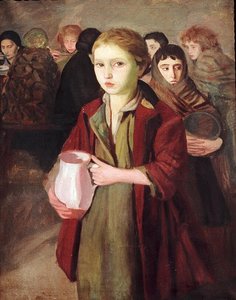
Maurycy Minkowski
1881 - 1930 , Poland
Основные сведения
- Artistic Movement Or Style:
- Cubism
- Surrealism
- Artists Or Movements Influenced By This Artist:
- Henri Matisse
- School of Paris
- Artists Who Influenced This Artist:
- Paul Cézanne
- Georges Braque
- Date Of Birth: October 25, 1881
- Date Of Death: April 8, 1973
- Full Name: Pablo Diego José Francisco de Paula Juan Nepomuceno María de los Remedios Cipriano de la Santísima Trinidad Ruiz y Picasso
- Nationality: Spanish
- Notable Artworks:
- Guernica
- Les Demoiselles d'Avignon
- The Weeping Woman
- Place Of Birth: Málaga, Spain