 Предпросмотр
 Поделиться
 Поделиться
 Детали произведения

 Скачать
 Похожие работы
 Рентгенография
 Слайд-шоу
 Статистика
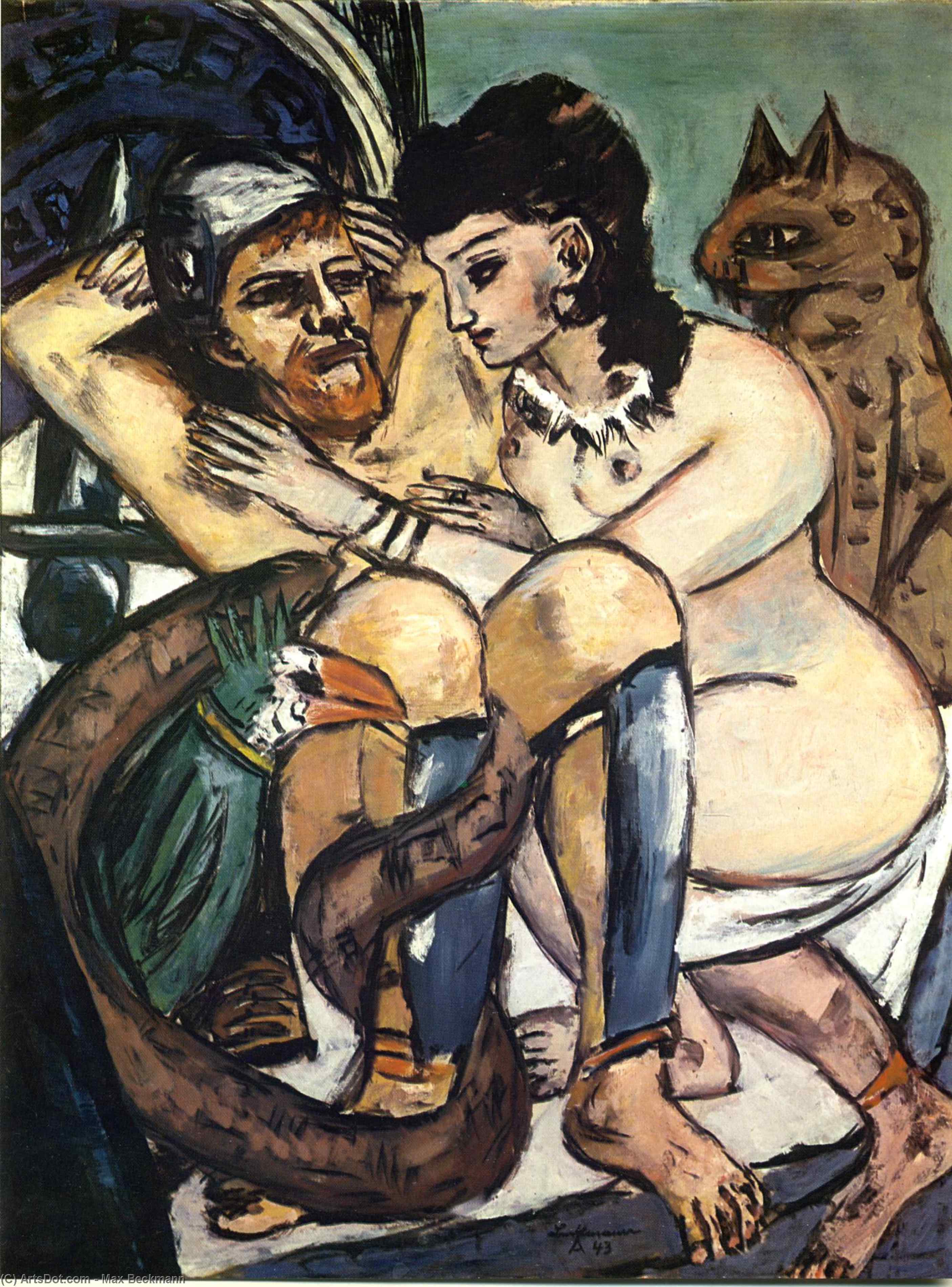
Odysseus and Calypso
 Oil On Canvas
- WallArt
- Expressionist German Painting
 1943
1943- Modern
 115.0 x 150.0 cm
 Читать далее
Масляная репродукция ручной работы
Картина маслом на холсте в выбранном вами размере и раме, написанная на заказ нашими художниками. ( Перейти к печати Перейти к цифровым изображениям)




P118B $10

P118H $10

P118W $10

P438Z $10

P508JH $12

P508YH $12

P805H $10

P805Z $10

P919BZ $10

P919G $10

P919XJ $10

P959ZH $10

P968JZ $12

W106C $8

W218G $10

W218JH $8

W218Y $10

W307PJ $10

W316G $10

W316PJ $8

W316Y $10

W398PJ $8

W4111J $10

W500HY $15

W500JH $15

W692G $12

W849H $8

W940BG $15

W953PJ $8




Выберите один из наших стандартных размеров, соответствующих оригинальным пропорциям произведения искусства.

Вы можете указать собственные размеры, чтобы картина идеально вписалась в выбранную раму или пространство. Если выбранный вами размер не соответствует пропорциям оригинала, мы либо обрежем полотно, либо расширим его за счет дополнительных элементов, написанных вручную. Цифровой макет будет отправлен вам на утверждение перед началом производства.
Обратите внимание, что предварительный просмотр на экране не отражает фактическую обрезку или расширение. Только макет точно покажет окончательную композицию.
Хотя доступны индивидуальные размеры, мы рекомендуем выбирать вариант из предопределенного списка, чтобы сохранить исходные пропорции.
После оформления заказа команда ArtsDot.com свяжется с клиентом по электронной почте для уточнения деталей и предоставит предварительный макет
Доставка по всему миру () за 3–4 недели вместо стандартных 5 недель. (10 Сентябрь). Без компромиссов в качестве.

Бесплатная экспресс-доставка по всему миру

Высококачественный льняной холст

Полное страхование доставки

Гарантия возмещения таможенных пошлин

Гарантия точного соответствия цветов

100-дневная политика возврата (только при обнаружении дефектов)

Гарантия возврата 100% средств

Предложение оптовых скидок
 Вариант со стеклом доступен только для размеров менее 110 см

Odysseus and Calypso
Техника репродукции
Размер репродукции
-


Итоговая стоимость
$ 263
Max Beckmann’s ‘Odysseus and Calypso’: A Descent into Mythic Emotion
The Kunsthalle Hamburg holds within its walls a powerfully evocative work by Max Beckmann, “Odysseus and Calypso,” painted in 1943. This oil on canvas, measuring 115 x 150 cm, is a cornerstone of Expressionism, a movement defined not merely by stylistic choices but by an urgent need to convey the raw, unfiltered experience of human emotion. Beckmann’s masterful manipulation of color and form plunges the viewer into a scene brimming with tension, desire, and the unsettling weight of fate – a world far removed from the idealized narratives of classical mythology.
- Subject Matter: The painting depicts the iconic encounter between Odysseus and Calypso, immortalized in Homer’s *Odyssey*. Beckmann doesn't offer a heroic portrayal; instead, he presents a moment of profound intimacy – Odysseus reclining with Calypso, their bodies intertwined in a tableau that speaks volumes about power dynamics, longing, and the seductive allure of escape.
- Expressionist Technique: Beckmann’s signature style is immediately apparent. Bold, clashing colors—deep reds, blues, and ochres—are applied with thick impasto, creating a tactile surface that vibrates with energy. Distorted forms and exaggerated features contribute to the painting's unsettling atmosphere, reflecting the psychological turmoil at the heart of the narrative.
Symbolism Woven into the Canvas
“Odysseus and Calypso” is far more than a simple retelling of a myth; it’s a richly layered exploration of human psychology. The background introduces unsettling elements that amplify the painting's symbolic weight. A shadowy, almost monstrous figure lurks in the distance, possibly representing the island itself – a place of both paradise and peril, temptation and constraint. The prominent clocks scattered throughout the composition are not merely decorative; they relentlessly remind us of the passage of time, a constant pressure against Odysseus’s desire to return home, and Calypso's hold on him.
- The Creature: The ambiguous figure in the background is often interpreted as representing the primal forces at play – the untamed wilderness, the seductive power of the unknown, or perhaps even Odysseus’s own internal demons.
- Time and Fate: The clocks symbolize not just temporal measurement but also the inescapable nature of fate and the anxieties surrounding loss and return.
Historical Context and Emotional Resonance
Painted in 1943, during the tumultuous years of World War II, “Odysseus and Calypso” resonates with a profound sense of unease and disorientation. Beckmann’s artistic development, shaped by his experiences as a medical orderly during the war – witnessing suffering and destruction – profoundly influenced his work. This painting embodies the Expressionist impulse to confront difficult truths about humanity, reflecting a world fractured by conflict and uncertainty. The distorted forms and intense emotionality mirror the psychological landscape of a generation grappling with unprecedented challenges.
This artwork is a testament to Beckmann’s ability to transform myth into a deeply personal and universally resonant statement. Its enduring power lies in its capacity to evoke a visceral response, prompting viewers to contemplate themes of desire, freedom, and the inescapable consequences of choice. A hand-painted reproduction offers an unparalleled opportunity to experience the full force of this remarkable masterpiece.
Похожие произведения

Биография художника
early life and artistic development
Макс Эрнст был рожден в Лейпциге, Германия, 12 февраля 1884 года. Его художественное путешествие началось с академически правильных изображений, которые впоследствии трансформировались в искаженные фигуры и пространства, отражая его измененное видение человечества после службы медицинским санитаром Первой мировой войны. Искусственный стиль Макса Эрнста был вдохновлен образами средневековых витражей и различными художниками, включая Кэзанне, Ван Гога, Блэка, Рембранда и Рубенса. Он также черпал вдохновение из северных европейских художников позднего Средневековья и раннего Возрождения, таких как Бош, Брюггель и Маттиас Грюнев Wald.
artistic style and influences
Стиль Макса Эрнста был вдохновлен образами средневековых витражей и различными художниками, включая Кэзанне, Ван Гога, Блэка, Рембранда и Рубенса. Он также черпал вдохновение из северных европейских художников позднего Средневековья и раннего Возрождения, таких как Бош, Брюггель и Маттиас Грюнев Wald.
notable works and exhibitions
Наиболее известными работами Макса Эрнста являются «Европа после дождя II», где использована сюрреалистическая палитра и фантастический пейзаж. Идеальный выбор для любителей искусства и интерьера! Также стоит отметить его автопортрет в тунике, который был приобретен в 1928 году.
later life and exile
Судьбы Макса Эрнста изменились с приходом к власти Адольфа Гитлера, что привело к его увольнению из Франкфуртской школы искусств и конфискации более 500 его работ. Он жил в самоизгнании Амстердамом на протяжении десяти лет, не сумев получить визу для США.
legacy
Макс Эрнст преподавал в художественных школах Университета Вашингтона в Сент-Луисе и Музея Бруклина. Его первая ретроспектива прошла в США в 1948 году в Музее города Сент-Луис и Макс-Слевготт галерею, Германия, где представлена коллекция его работ.
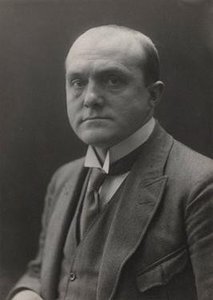
Макс Бекманн
1884 - 1950 , Германия
Основные сведения
- Artistic Movement Or Style: Expressionism
- Artists Or Movements Influenced By This Artist: ['Rembrandt']
- Artists Who Influenced This Artist:
- Georges Seurat
- Vincent van Gogh
- Date Of Birth: February 12, 1884
- Date Of Death: December 27, 1950
- Full Name: Max Carl Friedrich Beckmann
- Nationality: German
- Notable Artworks:
- The Bark
- Self-Portrait in Tuxedo
- Place Of Birth: Leipzig, Germany
Похожие статьи
Возвращение фрески: почему настенные росписи становятся новым символом роскоши
Узнайте о возрождении фрески как символа роскоши! Экспертные статьи о технике, дизайне и применении в интерьере отелей. Закажите уникальную фреску с .

Transforming Spaces: A Comprehensive Exploration of Wall Decor Through Art History & Contemporary Practice
Explore the art of transforming spaces with our comprehensive guide to wall decor. From historical movements to contemporary trends, discover how to curate impactful interiors and commission bespoke artwork for a truly personalized aesthetic.

Echoes of Time: Exploring the Enduring Appeal & Historical Context of Vintage Art Prints
Explore the captivating world of vintage art prints! Discover their history, collecting tips & enduring appeal. Expert insights on chromolithography and building a legacy collection with ArtsDot.

Giclée Prints: Archival Quality & Aesthetic Nuances for the Discerning Collector
Explore the world of giclée prints with ArtsDot. Learn about archival quality, aesthetic nuances & investment potential. Expert guidance for discerning art collectors seeking museum-quality reproductions and lasting value.
Пауль Клее: Топ-25 шедевров гения цвета и формы | ArtsDot
Погрузитесь в мир Пауля Клее! Топ-25 шедевров экспрессионизма и абстрактного искусства. Узнайте истории создания знаменитых картин, технику художника и вдохновитесь для интерьера. Репродукции музейного качества на ArtsDot.com.