 Предпросмотр
 Поделиться
 Поделиться
 Детали произведения

 Скачать
 Похожие работы
 Рентгенография
 Слайд-шоу
 Статистика
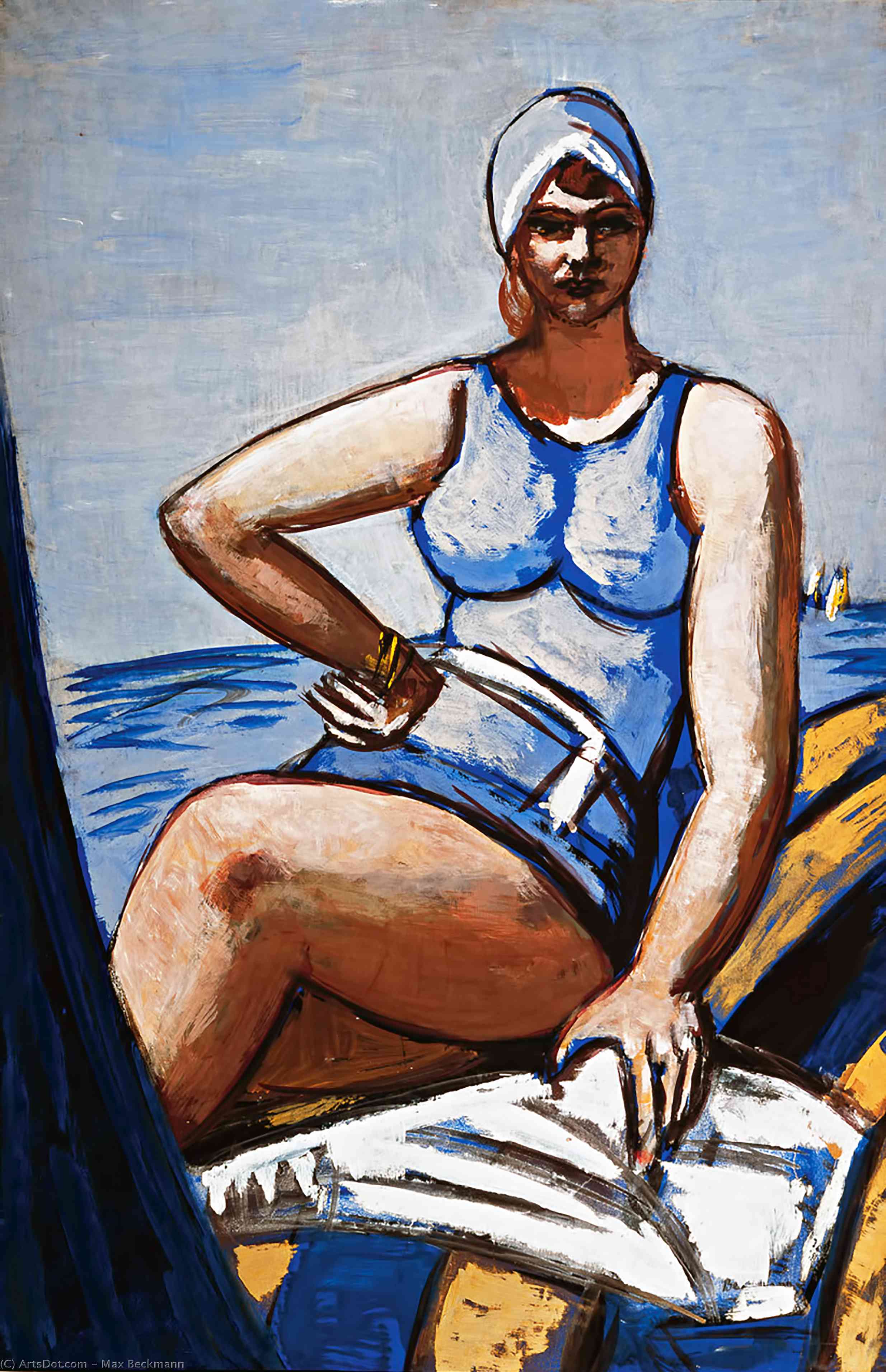
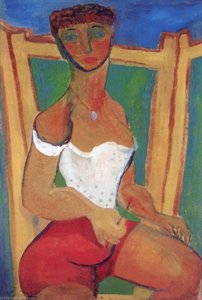
Quappi in blue in a boat


 Читать далее
Жикле / Арт-принт
Печать (жикле) или холст музейного качества с быстрыми сроками изготовления и широким выбором вариантов отделки. ( Купить картину ручной работы Перейти к цифровым изображениям)




P118B $10

P118H $10

P118W $10

P438Z $10

P508JH $12

P508YH $12

P805H $10

P805Z $10

P919BZ $10

P919G $10

P919XJ $10

P959ZH $10

P968JZ $12

W106C $8

W218G $10

W218JH $8

W218Y $10

W307PJ $10

W316G $10

W316PJ $8

W316Y $10

W398PJ $8

W4111J $10

W500HY $15

W500JH $15

W692G $12

W849H $8

W940BG $15

W953PJ $8




Выберите один из наших стандартных размеров, соответствующих оригинальным пропорциям произведения искусства.

Вы можете указать свои собственные размеры, чтобы репродукция идеально подошла под конкретную раму или пространство. Если выбранный вами размер не будет соответствовать пропорциям оригинала, мы либо обрежем произведение, либо дополним изображение зеркальным отражением краев или однотонной заливкой. Перед началом производства вам будет отправлен цифровой макет для утверждения.
Пожалуйста, обратите внимание, что предварительный просмотр на экране не отображает фактическую обрезку или расширение изображения. Только макет точно покажет финальную композицию.
Несмотря на возможность заказа индивидуальных размеров, мы рекомендуем выбирать размер из предопределенного списка, чтобы сохранить оригинальные пропорции.
Доставка по всему миру () за 2 недели вместо стандартных 4/5 недель. (11 Сентябрь)

Бесплатная экспресс-доставка по всему миру

Высококачественный льняной холст

Полное страхование доставки

Гарантия возмещения таможенных пошлин

Гарантия точного соответствия цветов

100-дневная политика возврата (только при обнаружении дефектов)

Гарантия возврата 100% средств

Предложение оптовых скидок
 Вариант со стеклом доступен только для размеров менее 110 см

Quappi in blue in a boat
Жикле / Арт-принт
Размер репродукции
-


Итоговая стоимость
$ 62
A Glimpse into Mid-Century Leisure: Analyzing Quappi in Blue in a Boat
To stand before Max Beckmann's Quappi in blue in a boat is to encounter a fascinating confluence of early 20th-century artistic anxieties filtered through the seemingly carefree veneer of a seaside tableau. Painted around 1950, this work captures a moment of repose—a woman elegantly posed on the beach, clad in a striking blue bathing suit, her posture suggesting both languor and studied composure. Yet, beneath the surface tranquility suggested by the sun-drenched setting and the presence of boats dotting the background, Beckmann’s characteristic intensity remains palpable. The composition draws the eye across the figures—the central woman with her crossed arms, the standing figure to the left, and another receding into the right side—creating a narrative depth that belies the subject matter's apparent simplicity.
Beckmann's Vision: Style and Technique in Post-War Germany
Max Beckmann’s artistic journey was one of profound transformation. From early academic precision to the distorted, emotionally charged spaces that marked his mature style, his work consistently wrestled with the human condition. While this piece retains a certain figurative clarity suitable for its period, one can still detect echoes of his lifelong engagement with powerful, sometimes unsettling imagery. His technique, while perhaps less overtly expressionistic than some of his wartime works, suggests a mastery of form and color that speaks to influences ranging from Northern European masters to the monumental structures of stained glass. The application of paint seems deliberate, lending weight to the figures even in this depiction of leisure. For those considering a reproduction for your space, understanding this stylistic lineage allows one to appreciate how Beckmann managed to ground grand artistic concerns within seemingly mundane scenes.
Symbolism and the Weight of Presence
The symbolism woven into Quappi in blue in a boat is rich for contemplation. The bathing suit itself, an emblem of temporary escape, contrasts subtly with the enduring weight of the human gaze captured by Beckmann. The grouping of figures—the woman, the onlookers, the boats suggesting journeys taken or yet to come—invites us to question what these moments of apparent ease truly signify. Are they portraits of pleasure, or are they meditations on isolation within a crowd? His inclusion of multiple figures in varying degrees of focus suggests that even in shared experience, each individual carries their own internal landscape. The blue of the bathing suit acts as an anchor point, a cool, saturated note against the warmer tones of skin and sand, drawing the viewer into its quiet mystery.
Emotional Resonance for the Modern Collector
This painting offers more than just decoration; it offers conversation. It speaks to the tension between public presentation and private feeling—a theme eternally resonant with collectors and interior designers alike. When considering this piece for a gallery wall or a sophisticated living area, one is not merely acquiring an image of a beach scene, but rather owning a dialogue across decades. The emotional impact Beckmann achieves is subtle yet profound; it prompts the viewer to pause, to observe the unspoken narratives between people, and to reflect on their own moments of suspended time. It is a work that rewards close looking, promising depth alongside its undeniable visual beauty.
Похожие произведения
Биография художника
early life and artistic development
Макс Эрнст был рожден в Лейпциге, Германия, 12 февраля 1884 года. Его художественное путешествие началось с академически правильных изображений, которые впоследствии трансформировались в искаженные фигуры и пространства, отражая его измененное видение человечества после службы медицинским санитаром Первой мировой войны. Искусственный стиль Макса Эрнста был вдохновлен образами средневековых витражей и различными художниками, включая Кэзанне, Ван Гога, Блэка, Рембранда и Рубенса. Он также черпал вдохновение из северных европейских художников позднего Средневековья и раннего Возрождения, таких как Бош, Брюггель и Маттиас Грюнев Wald.
artistic style and influences
Стиль Макса Эрнста был вдохновлен образами средневековых витражей и различными художниками, включая Кэзанне, Ван Гога, Блэка, Рембранда и Рубенса. Он также черпал вдохновение из северных европейских художников позднего Средневековья и раннего Возрождения, таких как Бош, Брюггель и Маттиас Грюнев Wald.
notable works and exhibitions
Наиболее известными работами Макса Эрнста являются «Европа после дождя II», где использована сюрреалистическая палитра и фантастический пейзаж. Идеальный выбор для любителей искусства и интерьера! Также стоит отметить его автопортрет в тунике, который был приобретен в 1928 году.
later life and exile
Судьбы Макса Эрнста изменились с приходом к власти Адольфа Гитлера, что привело к его увольнению из Франкфуртской школы искусств и конфискации более 500 его работ. Он жил в самоизгнании Амстердамом на протяжении десяти лет, не сумев получить визу для США.
legacy
Макс Эрнст преподавал в художественных школах Университета Вашингтона в Сент-Луисе и Музея Бруклина. Его первая ретроспектива прошла в США в 1948 году в Музее города Сент-Луис и Макс-Слевготт галерею, Германия, где представлена коллекция его работ.
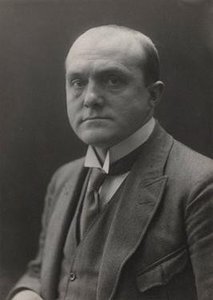
Макс Бекманн
1884 - 1950 , Германия
Основные сведения
- Artistic Movement Or Style: Expressionism
- Artists Or Movements Influenced By This Artist: ['Rembrandt']
- Artists Who Influenced This Artist:
- Georges Seurat
- Vincent van Gogh
- Date Of Birth: February 12, 1884
- Date Of Death: December 27, 1950
- Full Name: Max Carl Friedrich Beckmann
- Nationality: German
- Notable Artworks:
- The Bark
- Self-Portrait in Tuxedo
- Place Of Birth: Leipzig, Germany
Похожие статьи
Макс Эрнст: 25 шедевров сюрреализма для ценителей искусства и декора интерьера
Погрузитесь в мир сюрреализма с Максом Эрнстом! 25 культовых картин, раскрывающих тайны подсознания и новаторские техники. Репродукции высокого качества для вашего интерьера на ArtsDot.com. Откройте всю коллекцию онлайн!
Топ-10 знаменитых картин в оттенках серо-голубого: искусство и декор от ArtsDot
Погрузитесь в мир серо-голубых оттенков! От Моне до Ренуара – 10 знаменитых картин, вдохновляющих на создание уникального интерьера. Репродукции высокого качества от ArtsDot.com. Explore the full collection online!
The Allure of Azure: Exploring the Symbolic & Aesthetic Depths of Blue in Art History
Explore the rich history of blue in art! Discover its symbolism, from ancient pigments to modern masterpieces by Kandinsky & Seurat. Uncover the psychological impact and cultural meanings behind this captivating hue.
Max Beckmann: Navigating Trauma & Modernity Through a Distorted Lens
Explore the powerful world of Max Beckmann's art – a journey through trauma, modernity & distortion. Discover his key works, influences, and lasting legacy with expert analysis.
10 Шедевров Немецкого Экспрессионизма: Искусство Эмоций и Вдохновения | ArtsDot
Погрузитесь в мир немецкого экспрессионизма! Узнайте истории создания шедевров Мунка, Кирхнера, Кандинского и других великих художников. Репродукции картин высокого качества для вашего интерьера на ArtsDot.com. Откройте всю коллекцию онлайн!