

 Предпросмотр
 Поделиться
 Поделиться
 Детали произведения

 Скачать
 Похожие работы
 Рентгенография
 Слайд-шоу
 Статистика
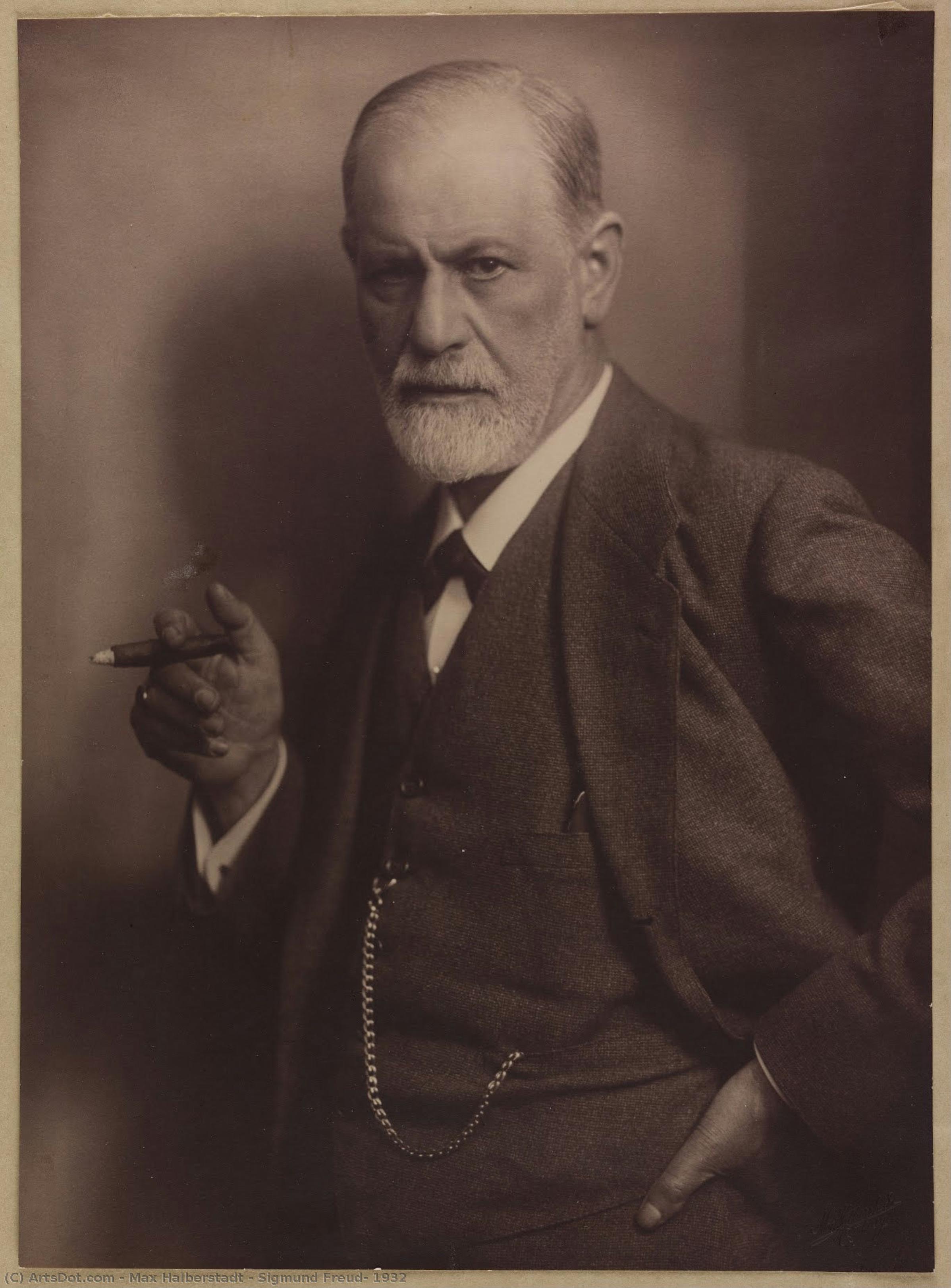
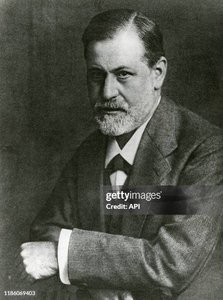
Sigmund Freud, 1932


 Читать далее
Приобретите цифровое изображение высокого разрешения в улучшенном качестве, которое значительно превосходит онлайн-превью.
Каждый файл тщательно подготавливается нашими специалистами с использованием передовых инструментов и экспертной ручной ретуши. Мы гарантируем исключительную четкость, точную цветопередачу и детальную проработку каждого изображения.
Финальный файл доставляется по электронной почте в течение 72 часов и оптимизирован для немедленного использования в профессиональной среде, при верстке и печати. Это тот же уровень качества, которому доверяют ведущие дизайнерские студии, издательства и галереи.
Цифровое изображение
Скачайте файл высокого разрешения для личного использования, печати и творческих проектов. ( Перейти к печати Купить картину ручной работы)
Включено в каждый заказ цифровых изображений
Гарантия экспертной цифровой доставки
Выбирая ArtsDot.com, вы получаете не просто изображение — вы приобретаете профессионально обработанное цифровое произведение искусства, созданное с безупречной точностью и под защитой гарантии качества. Вот всё, что автоматически входит в ваш заказ:

Мгновенная доставка по e-mail
Ваш цифровой файл в высоком разрешении будет отправлен вам по электронной почте в течение 72 часов после оформления заказа — и сразу станет доступен для использования.

Цифровой файл с ИИ-улучшением
Ваше произведение искусства проходит профессиональную оптимизацию с использованием передовых инструментов ИИ и ручной обработки, что гарантирует максимальную детализацию, четкость и точность цветопередачи.

Бессрочная бесплатная повторная доставка
Случайно удалили или потеряли файл? Не беспокойтесь — мы отправим его вам повторно в любое время и совершенно бесплатно.

Без импортных пошлин — навсегда
Наслаждайтесь вашим произведением искусства мгновенно без таможенных пошлин, сборов или затрат на доставку — цифровые загрузки всегда не облагаются налогом.

Гарантия точности цветопередачи
Мы гарантируем, что ваше цифровое изображение максимально точно передает оригинальные цвета благодаря использованию профессиональных инструментов и систем управления цветом.

Гарантия удовлетворенности 100 дней
Если вы не будете удовлетворены своим цифровым изображением, мы внесем правки или вернем 100% стоимости в течение 100 дней — без лишних вопросов.

100% Гарантия возврата средств
Не удовлетворены покупкой? Получите полный возврат средств в течение 100 дней после получения цифрового файла — без лишних вопросов.

Скидки на оптовые заказы
Купите 3 изображения, сэкономьте 10% — Купите 5, сэкономьте 15% — Купите 10+, сэкономьте 20%. Отличное решение для творческих проектов, галерей и агентств.
Похожие произведения
Биография художника
Edward Hopper: The Solitude of the American Landscape
Edward Hopper (July 22, 1882 – May 15, 1967) remains one of America’s most enduring and enigmatic figures in art. More than just a painter, he was a keen observer of modern life, capturing moments of quiet contemplation, urban isolation, and the subtle beauty found within the commonplace. Born in Nyack, New York – a town steeped in maritime history – Hopper's artistic journey began with a formal education at the New York School of Art under the tutelage of William Merritt Chase and Robert Henri, both influential figures in the American art scene. These early influences shaped his approach to depicting reality, emphasizing form, light, and shadow, while simultaneously fostering a desire to portray the emotional complexities of human experience.
Hopper’s artistic development wasn't immediate or straightforward. Initially drawn to illustration, he experimented with various styles before finding his distinctive voice. His early works, often depicting scenes from New York City, hinted at the themes that would later define his career: loneliness, alienation, and the interplay between individuals within a rapidly changing society. Crucially, Hopper’s artistic trajectory was profoundly influenced by Edgar Degas and Édouard Manet, whose innovative compositions and explorations of modern urban life served as models for his own approach to capturing fleeting moments and conveying underlying moods.
The Palette of Isolation: Themes and Techniques
Hopper's paintings are instantly recognizable for their stark realism combined with a pervasive sense of melancholy. He rarely depicted grand narratives or dramatic events; instead, he focused on intimate scenes—a solitary diner at night, an empty street corner, a couple lost in thought—that evoked a powerful feeling of isolation and introspection. His masterful use of light and shadow played a critical role in establishing this mood, often employing strong contrasts to highlight the emptiness and silence within his compositions.
A key element of Hopper’s technique was his meticulous attention to detail, particularly in rendering architectural spaces. He meticulously observed the geometry of buildings, the patterns of windows, and the way light filtered through them, creating a sense of realism that grounded his scenes in specific locations. Furthermore, he frequently employed cropped compositions, drawing the viewer into the scene and emphasizing its spatial limitations—a technique that amplified the feeling of confinement and solitude.
Notable works like *Nighthawks* (1942) exemplify this approach perfectly. The painting’s stark lighting, isolated figures, and expansive urban backdrop create a powerful sense of unease and alienation, inviting viewers to contemplate the lives and experiences of those within the scene. Similarly, paintings such as *Automat* (1927) and *Office in a Small City* (1938) capture the quiet desperation of modern American life, portraying individuals trapped within their routines and disconnected from one another.
A Life Dedicated to Observation
Edward Hopper’s personal life was inextricably linked to his art. He married Josephine Nivison in 1923, a fellow artist who served as his muse, model, and confidante. Their shared love of New England—particularly the coastal towns of Cape Cod—provided a constant source of inspiration for his paintings. The stark beauty of the landscape, the rhythmic crash of waves, and the quiet solitude of rural life all found their way into his work.
Despite achieving considerable recognition during his lifetime, Hopper remained a private and introspective individual. He deliberately avoided publicity and rarely discussed his artistic intentions, preferring to let his paintings speak for themselves. His commitment to capturing authentic moments of American experience—both the beauty and the loneliness—solidified his place as one of America’s most important artists.
Legacy and Influence
Edward Hopper's influence on 20th-century art is undeniable. His distinctive style—characterized by its realism, isolation, and evocative use of light—has inspired countless artists across a wide range of mediums. His paintings continue to resonate with viewers today because they tap into universal themes of loneliness, alienation, and the search for meaning in an increasingly complex world.
Beyond his artistic achievements, Hopper’s work offers a valuable glimpse into the social and cultural landscape of America during the early 20th century. His paintings capture the spirit of a nation undergoing rapid transformation—the rise of industrialization, urbanization, and mass culture—while simultaneously exploring the enduring human need for connection and belonging. Hopper's legacy endures not only through his iconic images but also as a reminder of the power of art to illuminate the complexities of the human condition.
max halberstadt
1882 - 1940 , Germany
Основные сведения
- Artistic Movement Or Style: Realism, Impressionism
- Artists Or Movements Influenced By This Artist: ['Impressionism']
- Artists Who Influenced This Artist: ['Robert Henri']
- Date Of Birth: August 12, 1882
- Date Of Death: 1925
- Full Name: George Bellows
- Nationality: American
- Notable Artworks:
- Nude with Hexagonal Quilt
- Woodstock Road, Woodstock
- Jean in a Black Hat
- Place Of Birth: Columbus, Ohio, USA