

 Предпросмотр
 Поделиться
 Поделиться
 Детали произведения

 Скачать
 Похожие работы
 Рентгенография
 Слайд-шоу
 Статистика
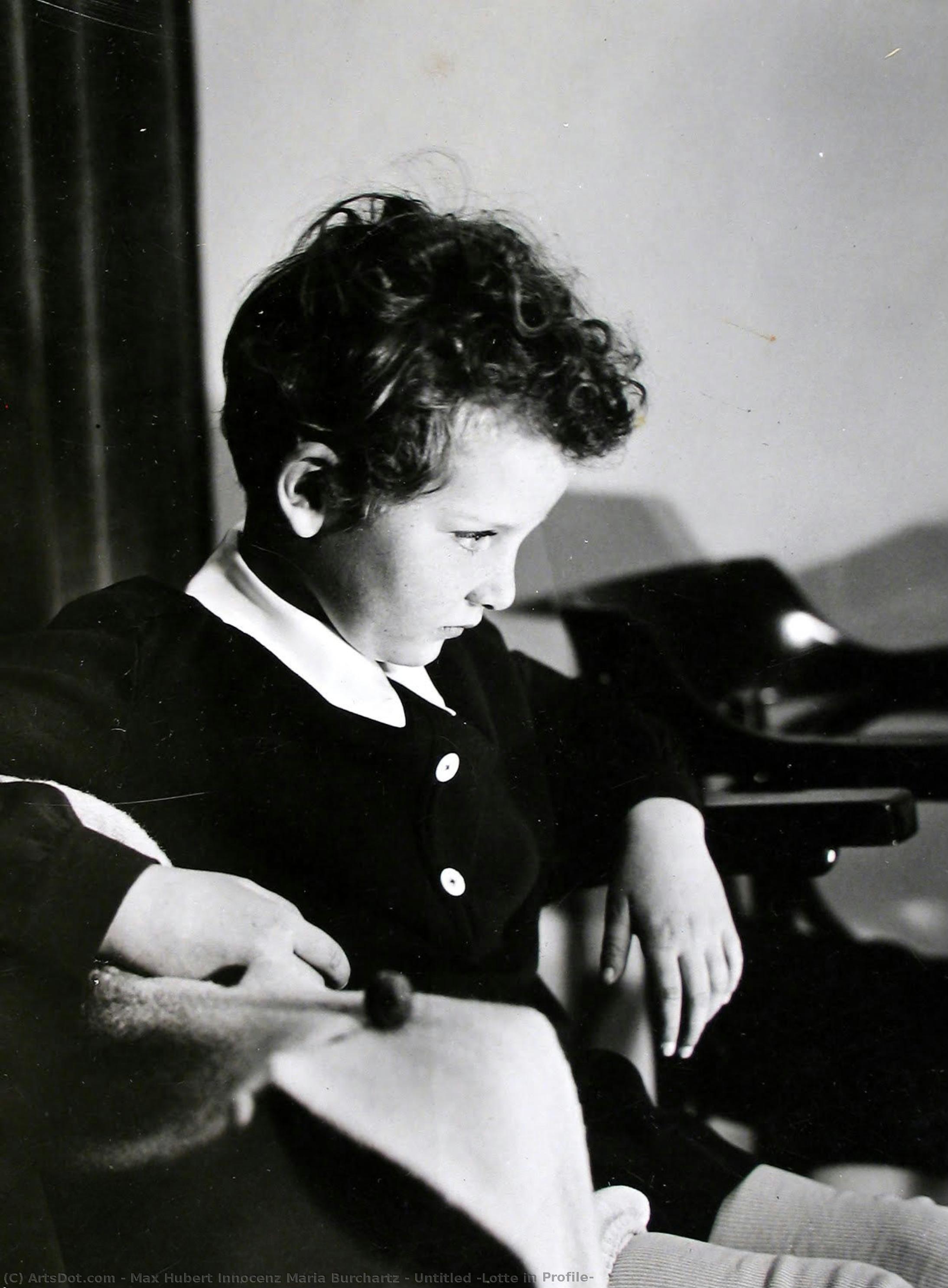
Untitled (Lotte in Profile)


 Читать далее
Жикле / Арт-принт
Печать (жикле) или холст музейного качества с быстрыми сроками изготовления и широким выбором вариантов отделки. ( Купить картину ручной работы Перейти к цифровым изображениям)




P118B $10

P118H $10

P118W $10

P438Z $10

P508JH $12

P508YH $12

P805H $10

P805Z $10

P919BZ $10

P919G $10

P919XJ $10

P959ZH $10

P968JZ $12

W106C $8

W218G $10

W218JH $8

W218Y $10

W307PJ $10

W316G $10

W316PJ $8

W316Y $10

W398PJ $8

W4111J $10

W500HY $15

W500JH $15

W692G $12

W849H $8

W940BG $15

W953PJ $8




Выберите один из наших стандартных размеров, соответствующих оригинальным пропорциям произведения искусства.

Вы можете указать свои собственные размеры, чтобы репродукция идеально подошла под конкретную раму или пространство. Если выбранный вами размер не будет соответствовать пропорциям оригинала, мы либо обрежем произведение, либо дополним изображение зеркальным отражением краев или однотонной заливкой. Перед началом производства вам будет отправлен цифровой макет для утверждения.
Пожалуйста, обратите внимание, что предварительный просмотр на экране не отображает фактическую обрезку или расширение изображения. Только макет точно покажет финальную композицию.
Несмотря на возможность заказа индивидуальных размеров, мы рекомендуем выбирать размер из предопределенного списка, чтобы сохранить оригинальные пропорции.
Доставка по всему миру () за 2 недели вместо стандартных 4/5 недель. (11 Сентябрь)

Бесплатная экспресс-доставка по всему миру

Высококачественный льняной холст

Полное страхование доставки

Гарантия возмещения таможенных пошлин

Гарантия точного соответствия цветов

100-дневная политика возврата (только при обнаружении дефектов)

Гарантия возврата 100% средств

Предложение оптовых скидок
 Вариант со стеклом доступен только для размеров менее 110 см

Untitled (Lotte in Profile)
Жикле / Арт-принт
Размер репродукции
-


Итоговая стоимость
$ 62
A Quiet Contemplation: Max Burchartz’s “Untitled (Lotte in Profile)”
Max Hubert Innocenz Maria Burchartz's "Untitled (Lotte in Profile)" is more than just a black and white photograph; it’s a poignant study of childhood, innocence, and the subtle language of gesture. Created around 1928, this silver gelatin print captures a young boy seated within a familiar domestic setting – a room hinting at warmth and familial comfort, yet imbued with an undeniable sense of introspection. The image immediately draws the viewer in, not through dramatic lighting or bold composition, but through the quiet intensity of the subject’s gaze and the carefully rendered details that speak volumes about his character.
Burchartz, a pivotal figure bridging the gap between early 20th-century photography and the burgeoning principles of Bauhaus design, approached this portrait with a deliberate restraint. He eschewed overt theatricality, opting instead for a documentary style that feels remarkably intimate. The photograph’s strength lies in its ability to convey a complex emotional landscape through simple elements: the boy's posture – slightly slumped, suggesting thoughtfulness rather than boredom; his hands resting loosely in his lap, hinting at a contemplative spirit; and the subtle curve of his mouth, perhaps holding a trace of melancholy. This isn’t a portrait designed for immediate gratification; it demands patience and rewards careful observation.
The Language of Form and Light
Technically, “Untitled (Lotte in Profile)” is a testament to Burchartz's mastery of traditional photographic processes. The silver gelatin print itself offers a remarkable depth of tone, achieved through meticulous control over exposure and development. The grayscale palette isn’t merely stylistic; it amplifies the photograph’s emotional resonance, stripping away distractions and focusing attention on the interplay of light and shadow. Notice how the diffused lighting sculpts the boy's features, creating soft gradations that define his face without resorting to harsh contrasts. The subtle textures – the roughness of his hair, the smoothness of his shirt – are rendered with remarkable sensitivity, grounding the image in a tangible reality.
The composition is equally deliberate. Burchartz employs a medium shot, framing the boy from approximately the mid-torso upwards. This choice allows us to fully appreciate the details of his posture and expression while maintaining a sense of intimacy. The slight off-center placement adds visual interest and directs our gaze towards his face – the focal point of the image. The background elements—a piano, chairs, and a couch—are rendered with enough detail to suggest a lived-in space, but they don’t compete for attention; instead, they subtly reinforce the sense of domesticity and personal sanctuary.
A Window into Weimar Germany
To fully appreciate “Untitled (Lotte in Profile),” it's crucial to understand the historical context in which it was created. Burchartz emerged during a period of profound social and artistic upheaval in Germany – the Weimar Republic. This era witnessed a rapid influx of new ideas, challenging traditional norms and paving the way for modernism. Burchartz’s work reflects this spirit of innovation, particularly his embrace of Bauhaus principles—a focus on functionality, simplicity, and the integration of art and industry. His collaboration with Johannes Canis in establishing one of Germany's first modern advertising agencies demonstrates a commitment to pushing creative boundaries.
Furthermore, Burchartz’s life was marked by significant shifts – from his early training in weaving mills to his involvement with the Nazi Party (a complex and often troubling aspect of his biography), and finally, his return to artistic pursuits after World War II. “Untitled (Lotte in Profile)” can be seen as a reflection of this journey—a quiet moment of contemplation amidst a period of profound change. The photograph’s enduring appeal lies not only in its aesthetic qualities but also in its ability to evoke the spirit of an era.
Symbolism and Emotional Resonance
Beyond its technical merits, “Untitled (Lotte in Profile)” is rich in symbolic meaning. The boy's posture suggests a contemplative nature—a willingness to engage with his own thoughts and feelings. The presence of the piano hints at musicality and perhaps artistic inclinations, suggesting a potential for creativity within this young subject. The room itself represents domesticity, security, and familial connection – elements that are often associated with childhood innocence.
Ultimately, “Untitled (Lotte in Profile)” is a deeply evocative image—a quiet meditation on the complexities of human experience. It’s a photograph that invites us to pause, reflect, and consider the subtle nuances of emotion conveyed through gesture, expression, and light. Reproductions of this piece offer a powerful way to bring Burchartz's insightful vision into any interior space, fostering a sense of calm contemplation and artistic appreciation.
Похожие произведения
Биография художника
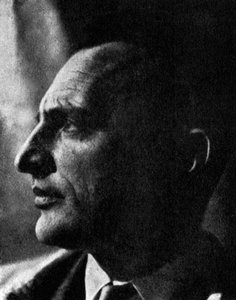
Max Hubert Innocenz Maria Burchartz: Pioneer of Bauhaus Typography and Photographic Expression
Max Hubert Innocenz Maria Burchartz (1887–1961) stands as a pivotal figure in the burgeoning landscape of German modernism, particularly recognized for his contributions to typography and photography alongside his involvement with the influential Werkbund movement. Born in Blankenhain, Germany, Burchartz’s artistic journey unfolded against the backdrop of a transformative era—the dawn of the Weimar Republic and the rise of avant-garde ideas that would reshape visual culture.- Early Life & Education: Little is known about Burchartz's formative years beyond his birthplace. However, he pursued formal training in painting at Kunstgewerbeschule Weimar, where he honed his artistic sensibilities and absorbed the burgeoning stylistic trends of the time. This grounding in traditional techniques proved crucial for his later embrace of innovative approaches.
- The Werkbund & Bauhaus Influence: Burchartz’s career gained significant momentum through his membership in the Deutscher Werkbund (German Art Workers' Guild), established in 1907. Founded with a vision to harmonize craftsmanship and industrial production—a motto succinctly encapsulating “from sofa cushions to city-building”—the Werkbund served as a crucible for experimentation and collaboration, fostering dialogues between artists, architects, designers, and industrialists. This association profoundly impacted Burchartz’s artistic philosophy, aligning him closely with the Bauhaus school of design, spearheaded by Walter Gropius. The Bauhaus ethos championed functionalism, simplification, and the integration of art into everyday life, principles that deeply resonated with Burchartz's aesthetic sensibilities.
Photographic Achievements & Artistic Style
Burchartz’s photographic work distinguished itself through a meticulous attention to detail and an understated elegance—characteristics emblematic of Bauhaus ideals. He skillfully utilized lighting and composition to convey emotion and narrative, prioritizing clarity and precision while avoiding excessive ornamentation. His photographs often captured scenes of domestic life and portraits, reflecting the humanist concerns prevalent in German art during the period. Notably, Burchartz’s images explored themes of family, childhood innocence, and the beauty found within ordinary moments—subjects that mirrored the Bauhaus emphasis on accessibility and social responsibility.- Notable Projects: Burchartz undertook numerous commissions for advertising agencies and publications, demonstrating his versatility as a visual communicator. His photographs graced the pages of influential periodicals, shaping public perception and contributing to the dissemination of modernist ideas.
- Recurring Themes & Techniques: Recurring motifs in Burchartz’s oeuvre included depictions of children—often presented with tenderness and sensitivity—and interiors bathed in soft light. He favored a photographic style characterized by muted tones and carefully calibrated exposure, prioritizing tonal balance and textural nuance.
Legacy & Historical Significance
Max Hubert Innocenz Maria Burchartz’s artistic legacy extends beyond his individual creations; he embodies the spirit of Bauhaus and represents a cornerstone in the development of German modern design. His commitment to blending artistic vision with industrial practicality—a hallmark of Werkbund principles—established him as an advocate for innovation and collaboration within the arts community. Furthermore, Burchartz's photographs serve as poignant reminders of a bygone era—one defined by optimism, experimentation, and a fervent belief in the transformative power of design. He remains a testament to the enduring influence of Bauhaus ideals on visual culture and continues to inspire artists today.Selected Artwork Examples
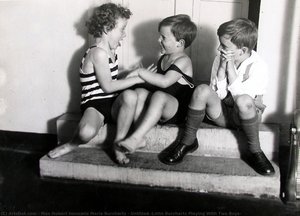
- Untitled (Lotte Burchartz Playing With Two Boys): This photograph captures a candid moment of familial joy, embodying the Bauhaus emphasis on portraying everyday life with sincerity and beauty.
- Untitled (Lotte Burchartz With Her Companion): Demonstrating Burchartz’s mastery of composition and lighting, this image conveys warmth and intimacy—characteristic elements of his artistic style.
- Untitled (Lotte in Profile):: Precise detail and subtle tonal variations characterize this portrait, reflecting Burchartz's dedication to capturing the essence of human subjects with understated elegance.
max hubert innocenz maria burchartz
1887 - 1961 , Germany
Основные сведения
- Artistic Movement Or Style: Bauhaus
- Artists Or Movements Influenced By This Artist: ['Modern Typography']
- Artists Who Influenced This Artist: ['Walter Gropius']
- Date Of Birth: 1887
- Date Of Death: 1961
- Full Name: Max Hubert Innocenz Maria Burchartz
- Nationality: German
- Notable Artworks:
- Untitled (Lotte Burchartz Playing With Two Boys)
- Untitled (Lotte Burchartz With Her Companion)
- Untitled (Lotte in Profile)
- Place Of Birth: Blankenhain, Germany
Похожие статьи

Топ-10 знаменитых картин в черных тонах: шедевры искусства для вашего интерьера
Погрузитесь в мир темных шедевров! Топ-10 знаменитых картин в черных тонах от Гойи, Рембрандта и Мунка. История искусства, техники живописи и вдохновение для вашего интерьера. Купите репродукции высокого качества на ArtsDot.com

Monochrome Visions: Exploring the Aesthetic & Historical Significance of Black & White Photography
Explore the rich history & artistic power of black and white photography. From early techniques to iconic masters like Ansel Adams, discover why monochrome continues to captivate art lovers today. Expert insights for collectors.

Белые шедевры: 10 знаменитых картин, покоривших мир (репродукции, декор)
Откройте для себя 10 знаменитых картин, где белый цвет – главный герой! Моне, Дега и другие мастера. История искусства, техники живописи и вдохновение для вашего интерьера. Репродукции высокого качества на ArtsDot.com
Timeless & Chic: Elevating Your New Home with the Sophistication of Black and White Photography
Transform your new home with the timeless allure of black and white photography. ArtsDot.com specializes in elegant monochrome decor and custom hand-painted wedding portraits that turn cherished milestones into lasting, soulful masterpieces. Elevate your space with ease.
Beyond the Lens: Photography's Enduring Influence on Modern & Contemporary Art
Explore photography's pivotal role in shaping modern & contemporary art. Discover key movements, influential artists like Stieglitz, and expert collecting advice from ArtsDot.